

PART 2
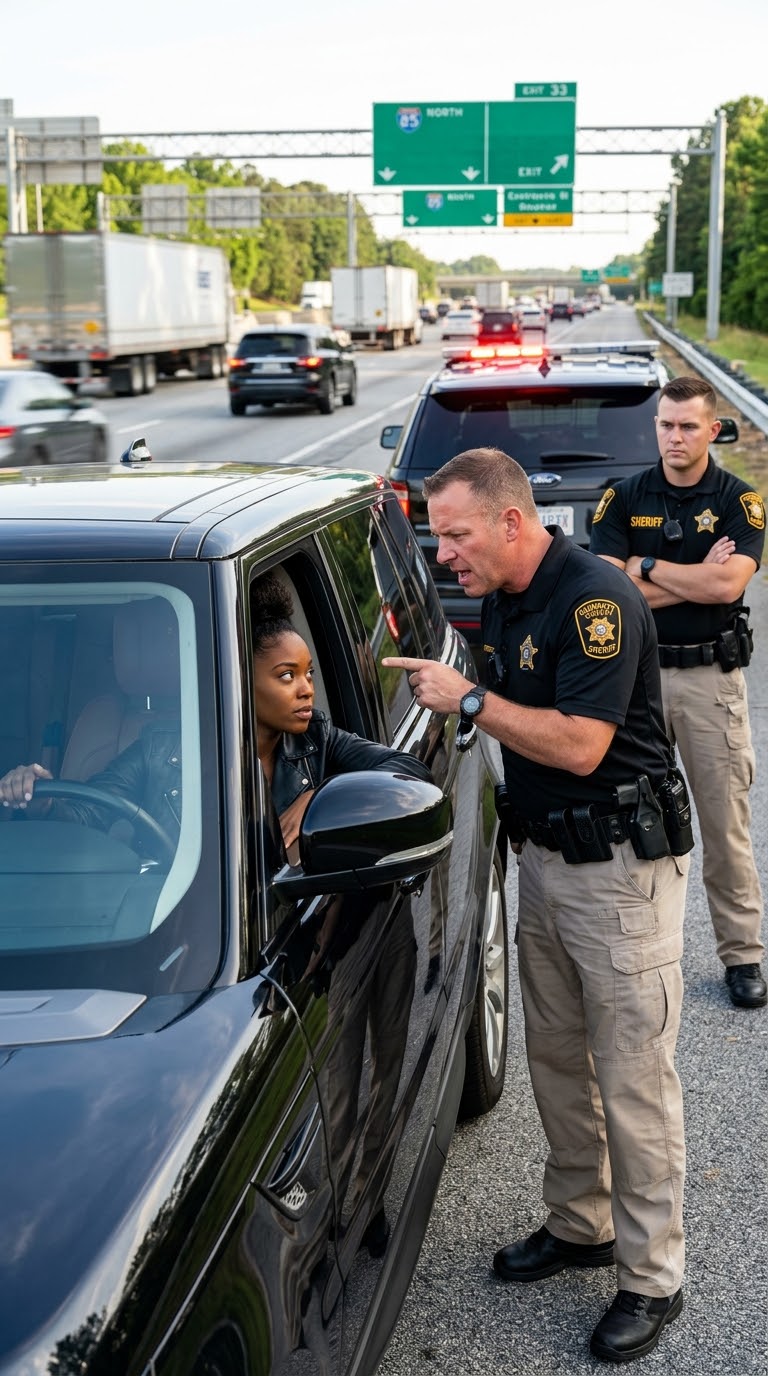
The following morning, two officers escorted Alexis through the booking area.
The fluorescent lighting made the room feel even colder after a sleepless night.
Her body ached from the hard bench, but her posture remained straight.
“Processing for release hearing,” one officer announced.
The booking sergeant deliberately slowed the paperwork.
Then Briggs entered carrying a thick folder.
His expression suggested that he was enjoying every moment.
“Going nowhere just yet. Got some paperwork to file first.”
He dropped the documents onto the desk.
“Assault on law enforcement officers.”
“That’s three counts. Resisting arrest. And my personal favorite.”
He lifted the final charge sheet.
“Attempted murder.”
“That’s absurd,” Alexis said quietly.
Several officers nearby shifted uneasily.
“Is it?” Briggs replied. “Officers Dawson and Riker tell a different story. How you exploded into violence during a routine stop.”
“How you used military-style attacks that could have killed them. They’re both in the hospital, by the way, thanks to you.”
“I want my phone call,” Alexis said. “And I’m requesting legal counsel.”
“Oh, certainly.”
“We’re all about proper procedure here.”
Briggs laughed.
“Unlike some people who think they can assault officers without consequences.”
Alexis made the call.
Within an hour, attorney Harper Lane entered the station.
She immediately noticed the nervous officers, hastily changed duty assignments, and Briggs’s constant presence near the booking desk.
“I’m representing Commander Ward,” Harper announced. “I need to see all charging documents and incident reports immediately.”
Briggs attempted to delay her.
“We’re still processing the paperwork. These things take time.”
“Fascinating,” Harper replied. “Especially since you’ve already leaked details to the press. I saw the morning news segment about the dangerous veteran who attacked your officers.”
She turned toward Alexis.
“This county has a history of protecting abusive officers. Eight similar incidents in the past year alone, all buried, but they’ve never tried to frame someone with your credentials.”
“The dash camera footage will clear this up,” Alexis said.
Harper gave a grim smile.
“Let me guess. Technical difficulties. Equipment malfunction.”
Briggs interrupted.
“Real shame. But we have three officers’ sworn statements about her unprovoked attack.”
“Three identical statements, I’m sure,” Harper replied. “We’ll be requesting federal oversight. The pattern of civil rights violations in this department is too clear to ignore.”
While Harper negotiated the conditions of Alexis’s release, Alexis continued studying the station.
She watched officers handling computer systems and evidence storage.
Outside, television crews gathered.
A reporter stood before the building, delivering a live report.
On a television inside the station, an anchor repeated claims that Alexis was mentally unstable and possibly suffering from PTSD.
“They’re pushing hard to control the narrative,” Harper said when she returned with the release documents. “But they made mistakes. The timing of the report submissions, the missing footage, the escalation of charges, it all shows coordination. We can use that.”
Another 2 hours passed before the bail paperwork was completed.
Briggs watched throughout.
Finally, Alexis stepped outside into the Georgia sunlight.
Cameras immediately turned toward her.
Harper moved in front of the reporters.
“No comments at this time.”
“Any questions can be directed to my office.”
The drive home felt unsettling.
Police vehicles appeared to slow whenever they passed.
Harper warned her that intimidation was likely to continue.
“They’ll try to isolate you. Make you feel watched. Don’t let them.”
When they reached Alexis’s neighborhood, residents stood talking in small groups.
A news van waited near the corner.
“I’ll have my team start building the case,” Harper said. “We’ll need to move fast before they destroy more evidence. Are you sure you don’t want to stay somewhere else?”
“This is my home,” Alexis replied simply.
“I won’t be driven out.”
Harper nodded.
“Call me immediately if they try anything. And commander, be careful. Men like Briggs are most dangerous when they’re scared.”
Inside, Alexis found the silence almost comforting.
Her phone continued vibrating with headlines, messages, and social media notifications.
One article described her as a violent veteran who had attacked police officers.
Another reported that the police union wanted the harshest possible charges.
Alexis placed her phone on the kitchen counter.
The department wanted her frightened and isolated.
But she had survived dangerous missions in places where legal protections barely existed.
Here, despite the corruption, there were courts, attorneys, witnesses, and federal authorities.
She intended to use them.
The next morning, Alexis noticed a patrol car parked two blocks away, partially concealed behind an oak tree.
A message arrived from Harper.
“Meet at office ASAP. Federal contact agreed to hear us.”
Alexis left immediately.
Another cruiser began following her several turns later.
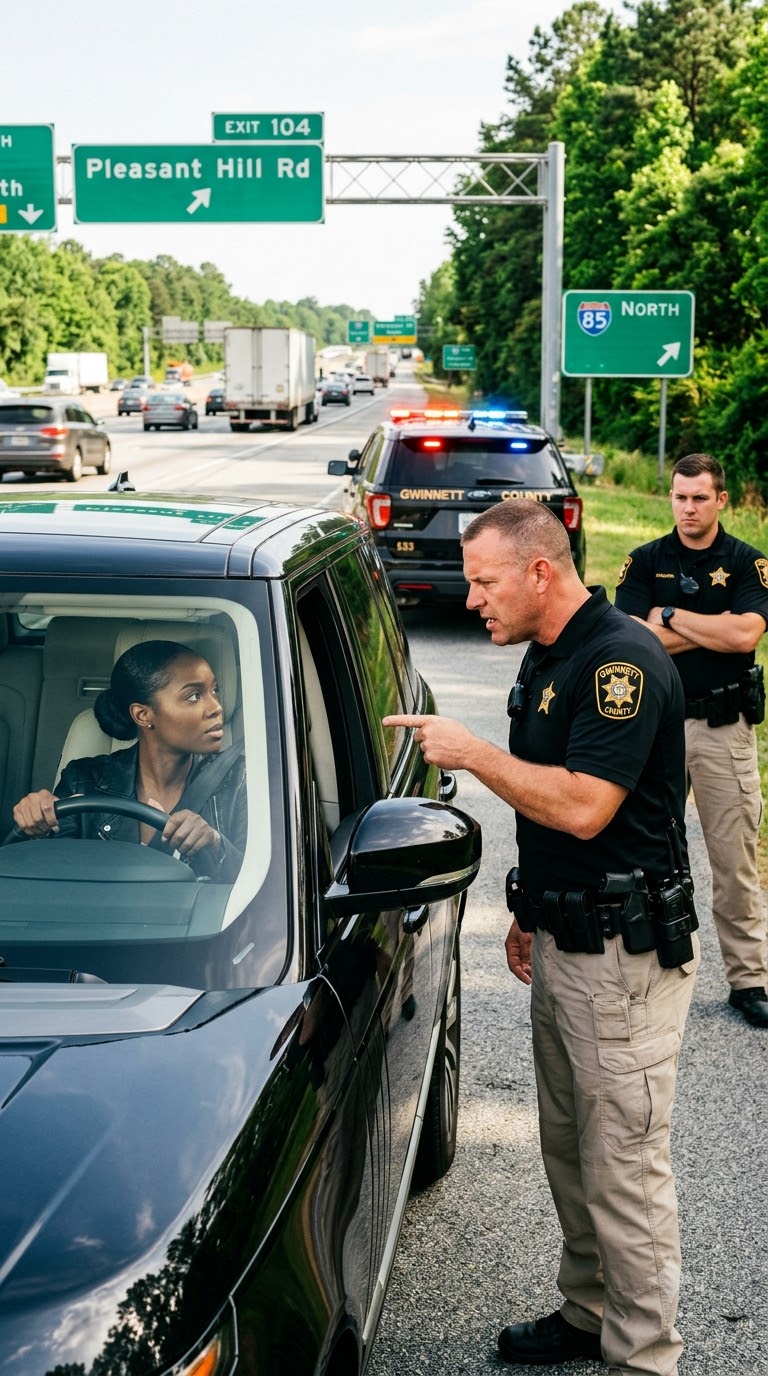
When she reached the downtown parking garage near Harper’s office, she drove to the third level.
The area was mostly empty.
As she parked, she noticed movement reflected in nearby windows.
Bootsteps echoed across the concrete.
Several vehicles had been positioned near the exit ramp.
Alexis stepped out, holding her keys.
“I know you’re here,” she called. “Let’s skip the theatrics.”
Four deputies emerged from behind pillars and parked cars.
One was Deputy Slate, whom Alexis recognized from the station.
The others appeared older and more confident.
Each carried a baton.
The largest approached.
“Lieutenant said you might cause problems.”
“Said we should make sure you understand how things work around here.”
Another deputy moved toward her left.
“Before you meet those feds.”
“Accidents happen in parking garages all the time, especially to people who don’t know when to keep quiet.”
Alexis studied their positions.
They had spread out to block her escape, but their movements lacked coordination.
“Last chance to walk away,” she warned.
Slate charged first.
His baton swung widely.
Alexis stepped aside and redirected him into a parked sedan.
He struck the door hard enough to dent it.
The other deputies rushed her.
She moved between concrete pillars, avoiding their weapons and using their own momentum against them.
One baton struck a pillar.
Alexis seized it and forced its owner into another deputy.
Both stumbled.
Slate tried to stand.
A controlled strike to his knee brought him down again, followed by a blow to his shoulder that prevented him from continuing.
Another deputy drew a taser.
“Federal assault now.”
“You’re just making it worse.”
Alexis intercepted his arm as the weapon activated, redirecting it toward his partner.
The second deputy collapsed.
She struck the taser against a pillar, knocking it free.
The largest deputy attempted to overpower her.
Alexis shifted aside and threw him onto the rough concrete.
He recovered and charged again.
This time, she used a fallen baton to stop his attack.
The final deputy reached for his radio.
Alexis closed the distance, restrained his wrist, and forced him to his knees.
“Stay down,” she ordered.
“Unless you want to explain to the medics exactly how you dislocated your own shoulder.”
The garage fell quiet except for groaning and labored breathing.
Alexis photographed the dropped weapons, damaged vehicles, and injured deputies.
She sent the evidence to Harper.
“Attempted assault in parking garage. Four deputies need cleanup.”
Slate struggled to speak.
“You don’t understand. He’ll kill us if we don’t stop you.”
“Then you should have thought harder about who you work for,” Alexis replied.
She checked that none of the men had life-threatening injuries.
Footsteps approached from below.
Civilians had heard the commotion.
Someone was already calling emergency services.
Alexis documented the scene before leaving.
As sirens approached, she walked toward the exit ramp.
The deputies remained where they had fallen.
Their failed ambush had given her more evidence.
But it had also revealed something important.
Briggs wasn’t simply trying to protect the officers involved in the original traffic stop.
He was willing to send his own men to silence her before she reached federal investigators.
And one of those deputies had just admitted that he feared Briggs more than he feared the consequences of attacking her.
