

Why Eating More Processed Meat Increases Your Risk for Serious Health Problems
Processed meat is designed for convenience. It’s salty, shelf-stable, and engineered to deliver bold flavor even after weeks in the refrigerator. That same processing, however, changes what your body absorbs. Over time, regular consumption has been linked to higher risks of colorectal cancer, heart disease, and type 2 diabetes. The goal here isn’t to create fear or demand perfection. It’s to understand what the evidence shows, how these risks develop, and how simple swaps can lower your exposure without making every meal feel like a chore.
What “Processed Meat” Actually Means
The term “processed” is often used loosely, but in public health research it has a precise definition. Processed meat refers to any meat preserved through methods that extend shelf life or enhance taste, such as curing, smoking, salting, or adding chemical preservatives. This matters because large studies consistently show stronger health risks for processed meat compared to fresh, unprocessed meat.
Researchers at the Harvard School of Public Health put it simply: processed meat is any meat preserved by smoking, curing, salting, or chemical additives.
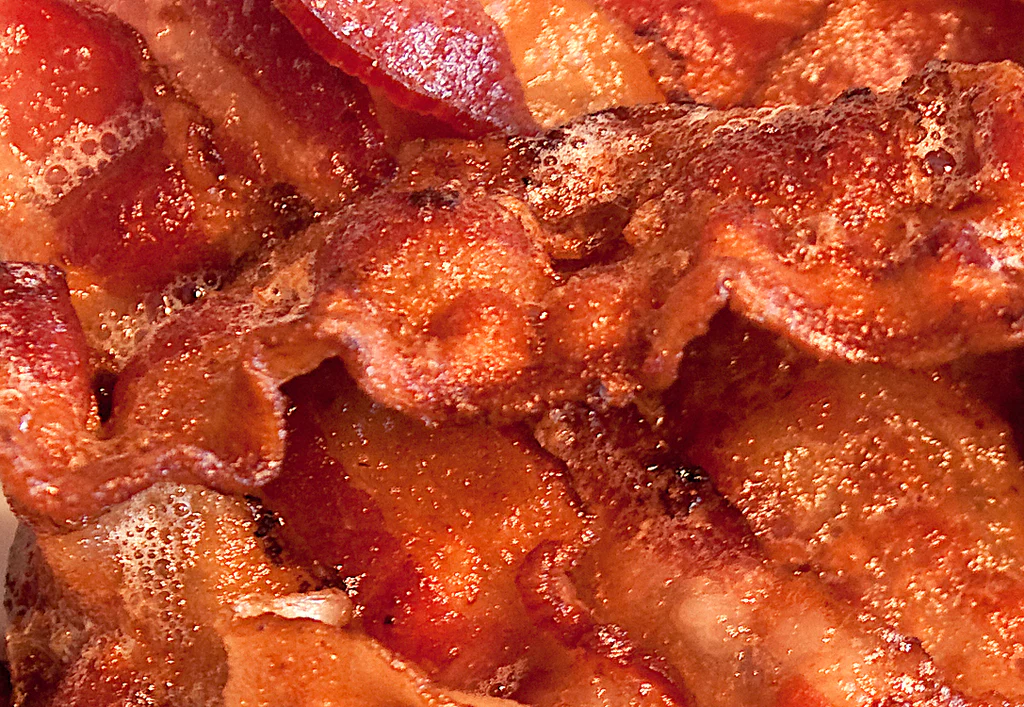
This includes bacon, ham, hot dogs, sausages, salami, and most deli meats. These products typically contain higher levels of sodium, stabilizers, and curing agents than fresh meat. In daily life, processed meat often sneaks in as a small addition that becomes routine — a few slices in a sandwich, a breakfast sausage on weekends, or toppings on pizza and ready-made meals. The health impact usually comes from repeated intake over years, not the occasional serving. Recognizing what counts as processed meat helps you notice how frequently it appears in your week.
The Cancer Link Is Not a Rumor — It Is a Formal Classification
The strongest warning comes from cancer research. After reviewing extensive evidence, the International Agency for Research on Cancer (IARC), part of the World Health Organization, classified processed meat as carcinogenic to humans. This classification reflects the strength and consistency of the data, not a guarantee that every person who eats bacon will get cancer.
As the WHO states clearly: “In the case of processed meat, this classification is based on sufficient evidence from epidemiological studies that eating processed meat causes colorectal cancer.”
This conclusion is drawn from large population studies that track diets over time, compare cancer rates across different intake levels, and adjust for other risk factors. The WHO also clarifies a common misunderstanding: being placed in “Group 1” indicates strong evidence, not that the risk level is identical to other Group 1 carcinogens like smoking. Still, the takeaway is straightforward. When a everyday food reaches the level of “sufficient evidence” for causing colorectal cancer, it makes sense to reduce consumption — especially if it has become a regular, sizable part of your diet.
Nitrates, Nitrites, and N-Nitroso Compounds in the Gut

Many processed meats use nitrate and nitrite compounds for curing to prevent bacterial growth, preserve color, and create that signature flavor. In the body, these can react to form N-nitroso compounds (NOCs). Scientists monitor these closely because many are carcinogenic in animal studies, and human research links conditions that increase their formation to higher cancer risk.
The National Cancer Institute notes: “Studies have shown increased risks of colon, kidney, and stomach cancer among people with higher ingestion of water nitrate and higher meat intake compared with low intakes of both, a dietary pattern that results in increased NOC formation.”
This connects exposure, eating patterns, and a biological mechanism. It doesn’t mean all nitrates are harmful in the same way — vegetables contain nitrates too, but they come with protective compounds like vitamin C, polyphenols, and fiber that can limit harmful reactions. Processed meat differs because curing agents combine with heme iron, high-heat cooking, and often low-fiber diets that alter gut chemistry. The risk stems from this combination of factors, particularly when processed meat crowds out fiber-rich foods.
Sodium Load, Blood Pressure, and Vascular Strain
Processed meat is one of the easiest ways to consume more sodium than you realize. The salt is mixed throughout for preservation and taste, and it adds up fast in sandwiches, snacks, and convenience foods. For many, excess sodium raises blood pressure, which in turn increases the risk of heart disease and stroke.
The U.S. Food and Drug Administration points out that more than 70% of the sodium people consume comes from packaged and prepared foods — a category where processed meat fits perfectly, often paired with other salty items like bread, cheese, and sauces.
This combination can easily push daily sodium intake well above recommended levels, even if meals don’t taste overly salty. The CDC confirms that too much sodium raises blood pressure and elevates the risk of heart disease and stroke. Over time, this leads to stiffer arteries, an enlarged heart, and greater chance of serious cardiovascular events. For anyone with existing high blood pressure, kidney issues, or a family history of stroke, treating processed meat as an occasional treat rather than a daily habit is wise.
Heart Disease Risk and What the Long Studies Show

Beyond blood pressure effects, large-scale research consistently links higher processed meat intake to worse cardiovascular outcomes. While observational studies can’t prove cause and effect like clinical trials, the repeated findings across populations and study designs are hard to ignore. This is why many heart-health guidelines recommend limiting processed meat.
An American Heart Association report from the Cardiovascular Health Study summarized it well: “Eating more meat—especially red meat and processed meat—was associated with a higher risk for atherosclerotic cardiovascular disease.”
In the study, older adults were followed for years while researchers tracked diet and blood markers. The data showed risk was about 22% higher for each daily serving. A single serving might be one hot dog, a few slices of bacon, or a small deli meat portion. Everyday habits matter more than rare treats, as small daily exposures can gradually increase risk over decades.
Type 2 Diabetes Risk Is Not Just About Sugar While many associate diabetes mainly with sugar, research shows a broader picture. Processed meat may raise risk through weight gain, chronic inflammation, additives, and by displacing healthier foods like legumes, whole grains, and minimally processed proteins.
A 2010 Harvard meta-analysis found processed meat consumption linked to a 19% higher risk of type 2 diabetes (and 42% higher for heart disease). More recent analysis of over 216,000 participants across major Harvard cohort studies (with up to 36 years of follow-up) showed that each additional daily serving of processed red meat was associated with a 46% higher risk of type 2 diabetes. The effect comes from repeated daily intake, not extreme occasional consumption.
Brain Health and Dementia Risk Signals Are Emerging
Research on brain health is newer but follows similar patterns seen in heart and metabolic studies. Factors like vascular health, inflammation, and metabolic stress affect the brain, so diets that harm cardiovascular health often appear to influence dementia risk too.
At the 2024 Alzheimer’s Association International Conference, data from long-term studies (including the Nurses’ Health Study) involving over 11,000 dementia cases showed that consuming about two servings per week of processed red meat was associated with a 14% higher risk of dementia compared to less than three servings per month.
While this is an association, not definitive proof, it’s significant enough to consider. Dietary quality plays a key role in prevention, adding another reason to limit processed meat — especially for those with high blood pressure, diabetes, or family history of cognitive issues.
What “Less Processed Meat” Looks Like in Real Meals

Reducing processed meat doesn’t have to be overwhelming. Focus on the meals where it appears most often and swap one item at a time. This gradual approach is more sustainable than going cold turkey.
Harvard researchers suggest aiming for one serving per week or less for relatively small risk. For someone eating it five days a week, dropping to once a week is meaningful progress.
Substitution is especially effective. Replacing processed meat with plant proteins like nuts, legumes, or tofu has been linked to lower diabetes and dementia risk. For example, swapping deli meat for beans adds fiber and nutrients while cutting sodium.
Conclusion
Processed meat sits in an uncomfortable spot between convenience and health risk. The evidence for its link to cancer is formal and well-established. Cardiometabolic findings are consistent across major studies and supported by biological mechanisms. Emerging brain health data aligns with what we already know about vascular and metabolic effects.
None of this requires panic, but it does call for informed choices. The American Cancer Society notes strong evidence that both smoking and processed meat can cause cancer, while emphasizing that smoking carries far higher risk. Reducing intake is a practical, low-regret step. Treat processed meat as an occasional food rather than a daily staple. Build meals around fish, eggs, dairy, legumes, tofu, and fresh proteins when possible. Check sodium labels and watch how it accumulates.
These small, consistent changes can lower exposure to curing agents and excess salt while improving overall diet quality and shifting long-term health risks in a positive direction.
Disclaimer: This article was created with AI assistance and reviewed by a human for accuracy and clarity.
