

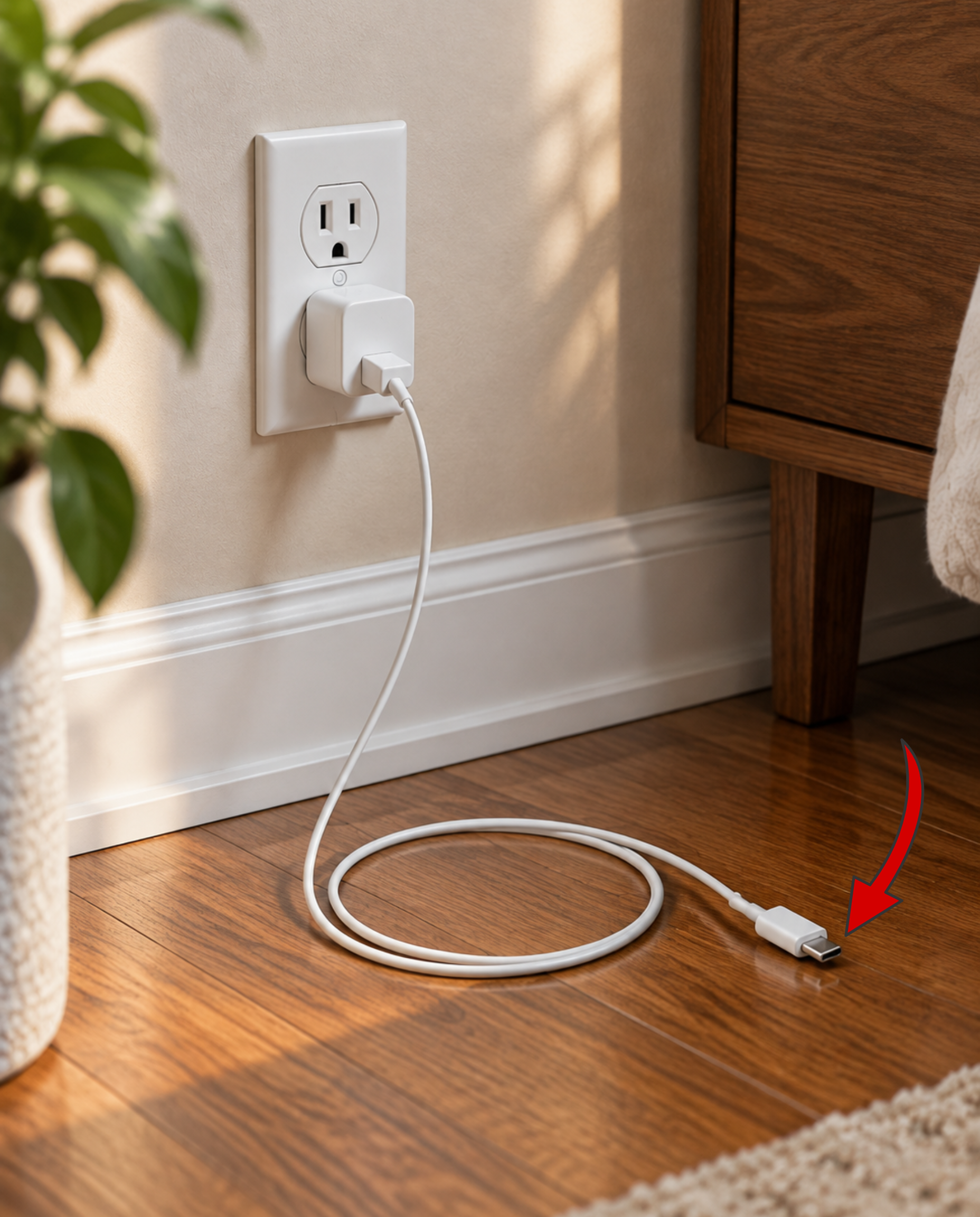
Chargers have become a fundamental part of modern life, powering phones, tablets, laptops, and many other electronic gadgets. Even so, a lot of people leave chargers plugged into wall outlets even when nothing is attached to them. While this habit might appear harmless, it can lead to a few practical issues, such as needless energy consumption, slow deterioration of the charging hardware, and, under certain conditions, electrical safety hazards.
Being aware of these possible risks can help people make choices at home and at work that are both safer and more energy-conscious.
Looking at the Power Use of Chargers Left Idle
Chargers left plugged in can keep drawing a small trickle of electricity even when no device is being charged. This is often referred to as standby power, phantom load, or “vampire power.”
Most modern chargers are built to use very little power while idle, so a single unit’s effect is typically negligible. That said, when many chargers and gadgets stay connected across an entire home or office, their combined draw can add up noticeably.
Disconnecting chargers when they aren’t in use is thus an easy way to cut back on needless electricity use and build more efficient habits.
Electrical and Fire Safety Considerations
Electrical safety is another important factor. A well-made charger in sound condition is usually safe to keep plugged in. That said, chargers that are damaged, faulty, counterfeit, or poorly built can carry a higher chance of overheating, short circuits, or electrical breakdown.
This risk rises when cords are frayed, casings are cracked, connections are loose, or the charger sits near flammable items. Wiring issues can also be more of a concern in buildings with old or poorly maintained electrical systems.
As a safety measure, chargers should be checked periodically and swapped out right away if they show signs of damage, excess heat, discoloration, buzzing sounds, or a burning smell. Disconnecting chargers when not in use adds an extra layer of caution.
Effects on Charger Durability and Function
Keeping a charger connected to power for extended stretches can also cause its internal parts to wear down gradually. Even while not charging anything, certain electronic components inside stay energized.
Even though well-made contemporary chargers are built to handle prolonged use, ongoing exposure to heat and current can speed up their aging. Unplugging chargers when not needed can ease unnecessary strain on their parts and possibly help them last longer.
Correct storage matters too. Chargers should be kept somewhere cool and dry, away from moisture, high heat, and physical harm.
Environmental Consequences of Wasted Energy
Energy efficiency also has an environmental dimension. Even minor amounts of unnecessarily used electricity add to total household and business energy demand.
One idle charger’s environmental footprint is tiny on its own, but millions of devices drawing standby power together can add up to something far larger. Depending on how the electricity is produced, wasted power use can also indirectly add to greenhouse gas output.
Building simple routines—like unplugging unused chargers, turning off power strips, and picking energy-efficient devices—can help lower overall electricity demand and support more sustainable energy habits.
Financial Impact on Power Bills
Leaving a single charger plugged in usually costs very little, especially with newer, efficient models. Still, many homes and businesses have numerous chargers and devices connected simultaneously.
Combined with TVs, computers, appliances, entertainment gear, and other equipment drawing standby power, these small electricity amounts can steadily push up total energy costs.
Unplugging unneeded devices can therefore lead to modest savings while also raising awareness of overall household energy use.
Responsible Use of Smart, Connected Chargers
Certain modern chargers come with extra features like wireless connections, USB hubs, smart controls, or links to connected-home setups. Chargers with networking abilities should be handled like other smart devices and kept updated per the manufacturer’s guidance.
For basic chargers without connectivity, cybersecurity generally isn’t much of a concern. Even so, buyers should stick to reputable manufacturers and steer clear of unfamiliar or counterfeit products, which may fall short of proper electrical or data-security standards.
Choosing certified accessories also helps safeguard both the charger and whatever it’s connected to.
Wrapping Up: Good Habits for Safe Charger Use
Keeping a well-made, modern charger plugged into an outlet isn’t inherently hazardous, and its standby power draw is normally quite low. Even so, unplugging chargers when they’re not in use is still a smart habit that can boost safety, cut down on wasted energy, and possibly help charging equipment last longer.
For safer, more efficient charger use, opt for trustworthy products that meet established safety standards, check cords and adapters regularly for wear, keep chargers away from moisture and heat, and don’t cover them while in use.
Small habits can add up to a real difference over time. By handling chargers responsibly and staying alert to their condition, homes and workplaces can boost electrical safety, cut down on wasted power, and help their electronics keep working reliably for longer.
