

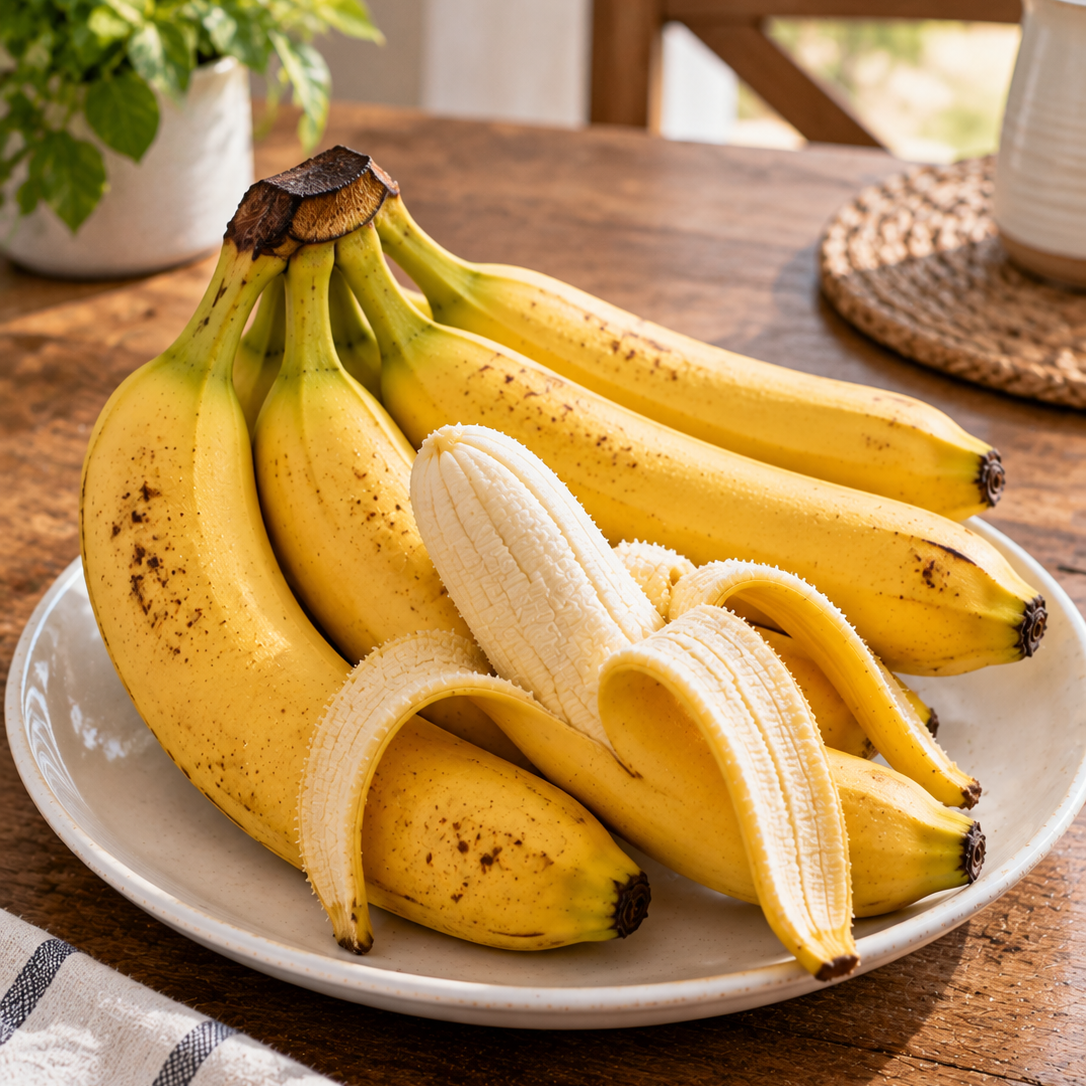
Bananas rank among the most consumed fruits on the planet, and it’s easy to see why. They’re inexpensive, naturally sweet, easy to carry, gentle on digestion, and rich in nutrients your body relies on daily. So what really happens if bananas become a daily habit?
Despite some overblown internet claims, bananas aren’t a miracle food, and eating one each morning won’t instantly overhaul your health. That said, making bananas a consistent part of a balanced diet can support better overall nutrition, digestive health, normal muscle and nerve activity, blood pressure control, and steady energy levels.

A medium-sized banana delivers roughly 100–110 calories, about 27–28 grams of carbs, close to 3 grams of fiber, and around 400 milligrams of potassium — though exact figures shift depending on size and variety. Bananas also offer vitamin B6, magnesium, vitamin C, manganese, and various plant compounds.
Here’s what research suggests happens when bananas become a regular fixture in your diet.
1. An Easy Daily Boost of Key Nutrients
One of the simplest perks of regular banana consumption is nutritional reliability.
Bananas deliver several essential vitamins and minerals with zero prep work. A medium banana holds about 0.4 milligrams of vitamin B6 — a solid chunk of what adults need daily.
Vitamin B6 participates in over 100 metabolic enzyme reactions and also supports normal immune function plus nervous-system growth and function.
Bananas further provide potassium, magnesium, fiber, vitamin C, manganese, and natural carbohydrates.
Naturally, no single fruit covers every nutritional base. A banana should supplement — not substitute for — other fruits, vegetables, whole grains, legumes, nuts, protein sources, and healthy fats.
The real perk is ease: grabbing a banana is a simple way to work another whole plant food into your day.
2. Bananas May Support Healthy Blood Pressure
Bananas are particularly known for their potassium levels.
Potassium is a vital mineral and electrolyte that governs fluid balance, nerve signaling, muscle contractions, and normal heart activity.
It also plays a key part in regulating blood pressure.
Foods rich in potassium can help offset some effects of dietary sodium. Potassium encourages sodium excretion via urine and supports normal blood-vessel function. That’s why diets high in potassium-rich fruits and vegetables tend to correlate with healthier blood pressure levels.
That doesn’t mean one banana treats hypertension. Blood pressure depends on your overall eating pattern, sodium levels, body weight, activity level, genetics, medications, sleep, smoking, alcohol use, and more.
Still, swapping processed snacks for potassium-packed whole foods like bananas can be one small piece of a heart-healthy diet.
3. Your Gut Gets Extra Fiber
A medium banana contains roughly 3 grams of dietary fiber.
That’s not enormous on its own, but combined with fiber from vegetables, whole grains, beans, nuts, seeds, and other fruits, it helps you inch toward your daily fiber target.
Fiber benefits digestion in multiple ways — it can add bulk to stool, affect intestinal transit time, and feed bacteria living in the colon.
Bananas also contain pectin and other carbohydrate types whose composition shifts as the fruit ripens.
Rather than treating bananas as a specific fix for constipation, it’s more accurate to view them as one fiber source within a broader high-fiber diet.
Hydration, exercise, total fiber intake, medications, and individual digestive health also influence regularity.
4. Underripe Bananas May Nourish Good Gut Bacteria
A notable trait of bananas is how much their carb makeup shifts during ripening.
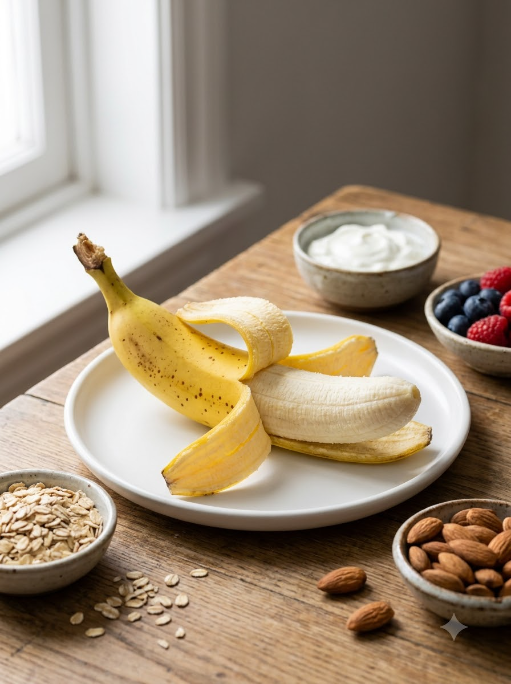
Green or slightly underripe bananas hold more resistant starch. As they ripen, much of that starch converts to sugar, softening and sweetening the fruit.
Resistant starch functions somewhat like fiber since it isn’t fully broken down in the small intestine. A portion reaches the large intestine, where gut bacteria ferment it.
This fermentation generates compounds like short-chain fatty acids — a topic researchers actively study for its role in gut health and metabolism.
Harvard’s Nutrition Source points out that resistant starch in unripe bananas can nourish beneficial gut microbes.
That doesn’t mean greener bananas are inherently “healthier.” Some people favor ripe bananas for their softness and easier digestion, while others may gain from including less-ripe bananas for their resistant-starch content.
Both can be part of a healthy diet.
5. Bananas Offer Handy Energy
Bananas contain naturally occurring carbs — mainly starches and sugars — that fuel the body.
This makes them particularly useful before exercise, during hectic mornings, or as a grab-and-go snack.
Unlike candy, cookies, or sugary beverages, a banana pairs its carbs with fiber, potassium, vitamin B6, and other nutrients.
Pairing a banana with protein or healthy fat makes for a more balanced, filling snack.
Examples include:
- Banana with natural peanut or almond butter
- Banana with plain Greek yogurt
- Banana with a handful of nuts
- Sliced banana over oatmeal
- Banana blended into a smoothie with yogurt, milk, soy milk, or another protein source
For sustained energy, these combos generally beat eating carbs alone.
6. They Support Normal Muscle and Nerve Activity
Potassium isn’t only about blood pressure.
It’s also an electrolyte essential for normal electrical signaling throughout the body.
Nerves rely on electrical impulses to communicate, and muscles — including the heart — need tightly regulated electrolyte levels to contract properly.
Eating potassium-rich foods like bananas adds to your total potassium intake and supports these core physiological functions.
Still, bananas shouldn’t be seen as a guaranteed cramp remedy. Exercise-related cramps stem from many possible causes — fatigue, training intensity, hydration, electrolyte levels, and individual physiology.
A banana can be a nutritious recovery snack, but it’s not a universal cramp cure.
7. Bananas May Help Curb Hunger Between Meals
Whole fruit can feel surprisingly filling relative to its calorie count thanks to its water content, fiber, and intact plant structure.
A medium banana provides around 100 calories while also contributing several grams of fiber.
Fiber slows digestion and can boost feelings of fullness, especially when paired with protein or healthy fat.
This can make bananas a useful tool for cutting back on highly processed snacks.
Importantly, bananas aren’t a magic weight-loss food.
Body weight hinges mainly on long-term energy balance, diet quality, sleep, activity level, medical conditions, medications, and many other variables.
There’s also no solid evidence that bananas cause weight gain when eaten in reasonable portions as part of a sensible diet. Harvard’s Nutrition Source notes bananas fit comfortably into healthy weight-management approaches.
8. They Can Satisfy Sugar Cravings Without Added Sugar
A ripe banana tastes quite sweet, yet its sugar exists naturally within the whole fruit.
That distinction is meaningful.
Whole bananas deliver fiber, water, minerals, vitamins, and plant compounds alongside their natural sugars — nutritionally different from foods loaded with refined or added sugar but lacking fiber or nutrition.
Using banana as a natural sweetener can be a smart approach.
Mashed ripe banana works well stirred into oatmeal, yogurt, smoothies, pancakes, and certain baked goods, potentially letting you cut back on added sugar in a recipe.
That doesn’t automatically make banana-based treats healthy — the full recipe still matters.
But swapping some added sugar for whole fruit can boost the nutritional value of certain meals and snacks.
9. Bananas Fit Into a Heart-Healthy Diet
Heart health depends on your overall diet, not any single ingredient.
Still, bananas have several qualities that align well with heart-healthy eating: potassium and fiber content, naturally low sodium, and virtually no saturated fat.
The American Heart Association recommends getting potassium mainly from foods like fruits and vegetables as part of a broader nutritious diet.
The key word is pattern.
A daily banana can’t offset a diet heavy in processed meats, refined carbs, excess sodium, sugary drinks, and too few vegetables.
But swapping a pastry, candy bar, or similar processed snack for fruit more often can make a real difference.
10. Eating a Banana Daily May Simplify Healthy Eating
Not every nutritional benefit needs a complex biological explanation.
Convenience counts.
Bananas need no washing, chopping, cooking, refrigeration, or utensils. They’re affordable in much of the world and travel easily to work, school, or the gym.
That makes them among the easiest whole foods to eat consistently.
And consistency matters most.
Long-term health rarely hinges on one “perfect” meal — it’s shaped by habits repeated over months and years.
If having bananas on hand nudges you toward whole fruit instead of processed snacks more often, that simple habit may matter more than complicated dietary rules.
What About Blood Sugar?

Because bananas taste sweet, people with diabetes sometimes assume they must avoid them entirely.
That’s usually not the case.
The American Diabetes Association lists fresh fruit, bananas included, among foods that can fit into a diabetes eating plan. That said, fruit does contain carbs, so portion size and total carb intake still count.
Ripeness also affects a banana’s carb makeup. Less-ripe bananas carry more resistant starch, while very ripe ones have a higher proportion of sugars.
People tracking blood glucose might find it useful to choose a smaller banana, pair it with protein or healthy fat, and monitor their own glucose response.
Anyone using insulin or following a carb-counting plan should factor banana carbs into their meal or snack totals.
There’s no one-size-fits-all portion.
Is One Banana a Day Too Much?
For most healthy people, one banana daily is a reasonable amount within a varied diet.
The bigger question is what the rest of your diet contains.
If bananas are your only fruit, adding variety would help. Different fruits bring different combinations of fiber, vitamins, minerals, carotenoids, flavonoids, and other plant compounds.
Rotate bananas with options such as:
- Berries
- Apples
- Oranges
- Kiwi
- Grapes
- Pears
- Melons
- Peaches
- Mango
- Papaya
Dietary variety generally offers broader nutrition than leaning heavily on one food.
Who Should Watch Their Banana Intake?
Bananas are safe for most people, but exceptions exist.
Those with chronic kidney disease — especially advanced disease or elevated blood potassium — may need to limit high-potassium foods. Damaged kidneys can struggle to clear excess potassium from the blood, risking hyperkalemia.
Certain medications can also affect potassium levels.
The National Institute of Diabetes and Digestive and Kidney Diseases advises people with chronic kidney disease to consult a health professional or dietitian to determine appropriate potassium intake rather than adjusting potassium-rich foods on their own.
People with diabetes can generally eat bananas, though portion size and carb management may need individual tailoring.
And anyone with a known banana allergy should naturally steer clear.
The Bottom Line
So what actually happens if you eat a banana every day?
For most healthy adults — probably nothing dramatic, and that’s precisely the point.
A daily banana quietly supplies fiber, potassium, vitamin B6, carbohydrates, and other nutrients. It may support normal digestion, cardiovascular health, muscle and nerve function, gut microbial activity, and steady energy while offering an easy substitute for many processed snacks.
But bananas aren’t a cure, a detox, or a health shortcut.
The biggest benefits emerge when they’re part of a varied diet full of vegetables, fruits, whole grains, legumes, nuts, seeds, quality protein, and healthy fats.
If you like bananas, there’s typically no need to avoid them just because they contain carbs or natural sugar.
For most people, having one daily can be a simple, nutritious — and enjoyable — routine.
