

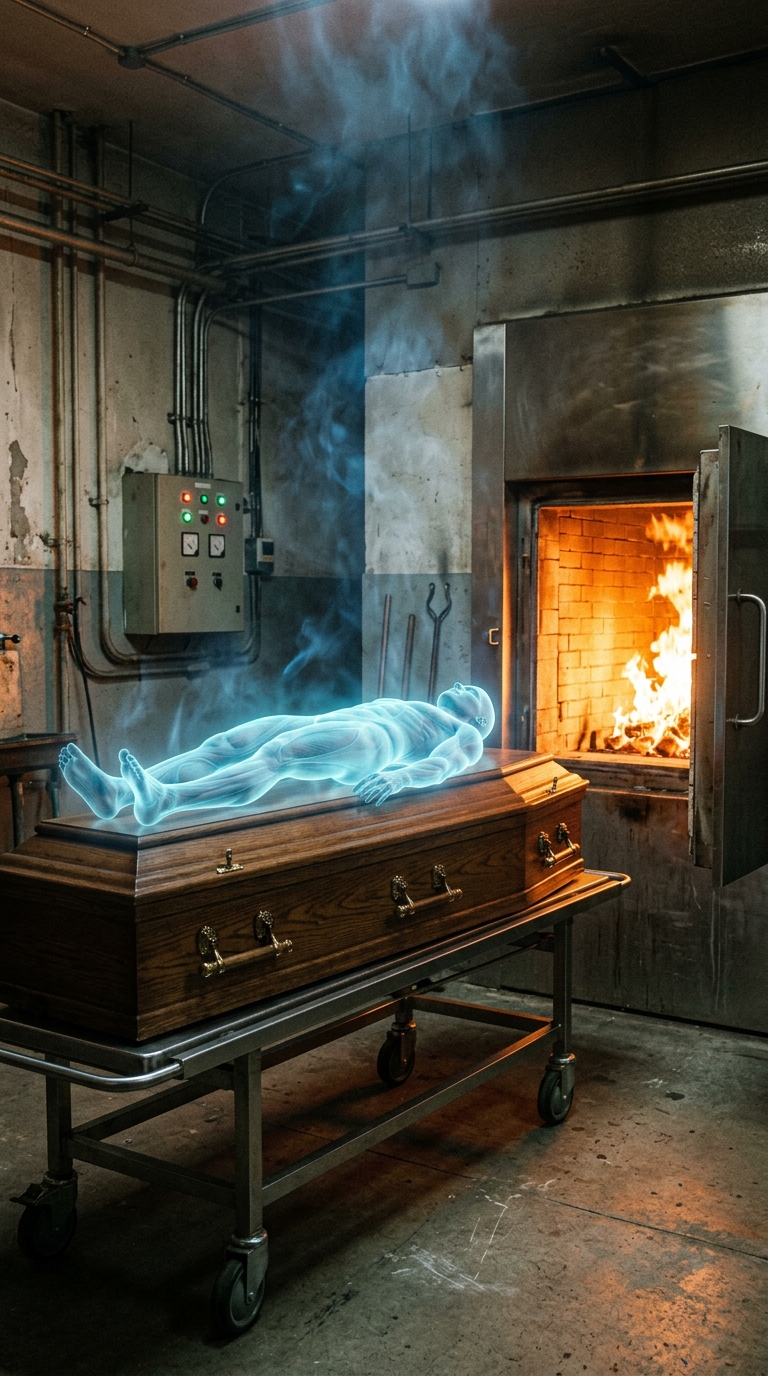
The process starts with strict identification measures.
Crematories follow carefully organized tracking systems to make sure every individual is properly identified during each step.
In most cases, a heat-resistant identification tag stays with the body throughout the entire procedure so the cremains returned to loved ones are correctly matched.
Next, the body is placed inside a cremation chamber, commonly known as a retort, where extremely high temperatures are used.
During approximately one to two hours, soft tissue is broken down, leaving mostly bone fragments behind.
Crematory professionals closely supervise the procedure while following detailed operational guidelines and ethical protocols.
Once the remains have cooled, the remaining bone fragments are processed into the fine substance commonly called ashes or cremains.
Before cremation begins, staff remove items that could create safety hazards under intense heat, including certain medical devices such as pacemakers.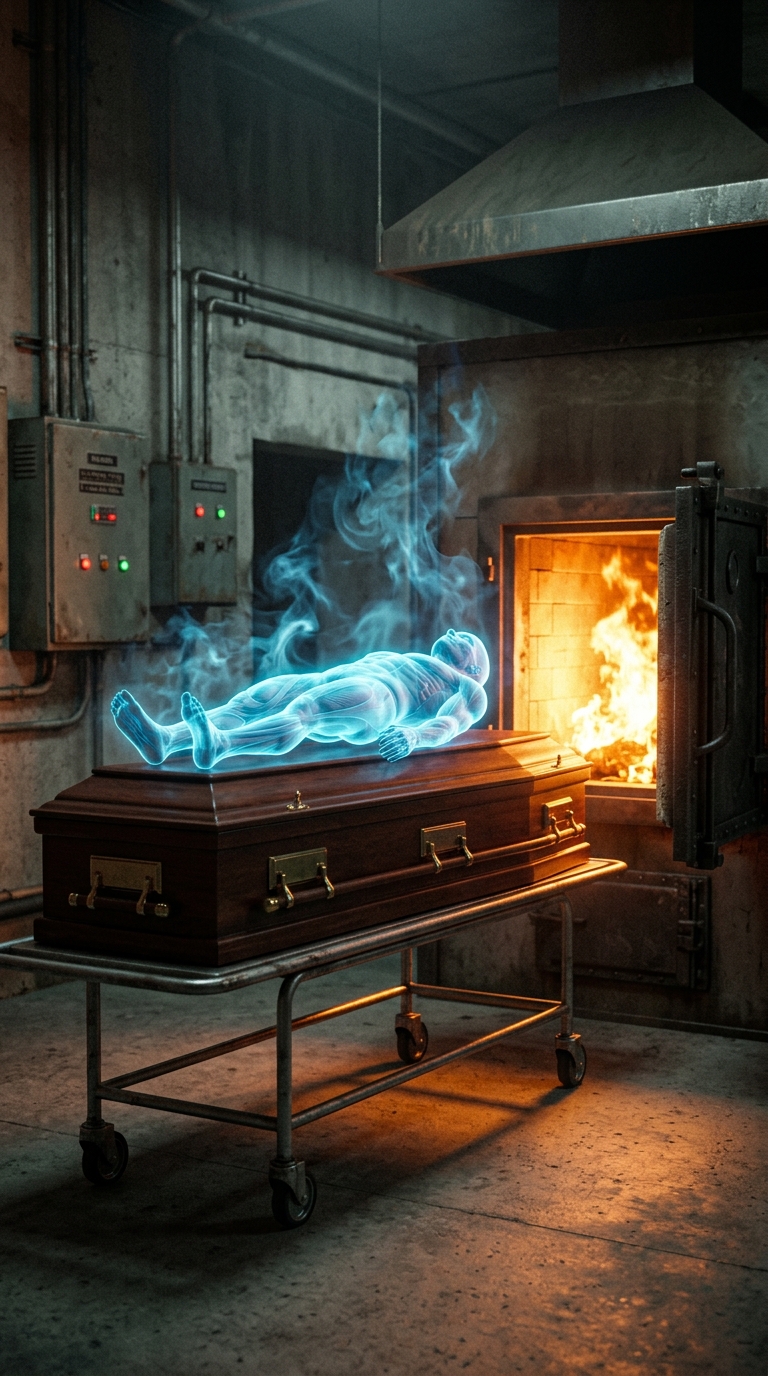
Personal belongings like jewelry are also usually removed based on family preferences and facility regulations.
Individuals working in cremation services receive training not only in technical operations, but also in respectful care and handling.
Their responsibility is to treat every person with dignity throughout the process, understanding that families are placing their trust in them during an incredibly emotional time. Pre-planning cremation
For many individuals, learning how cremation truly works can actually make the subject feel less overwhelming.
Understanding that the process is organized, supervised, and handled with respect can replace fear and uncertainty with reassurance.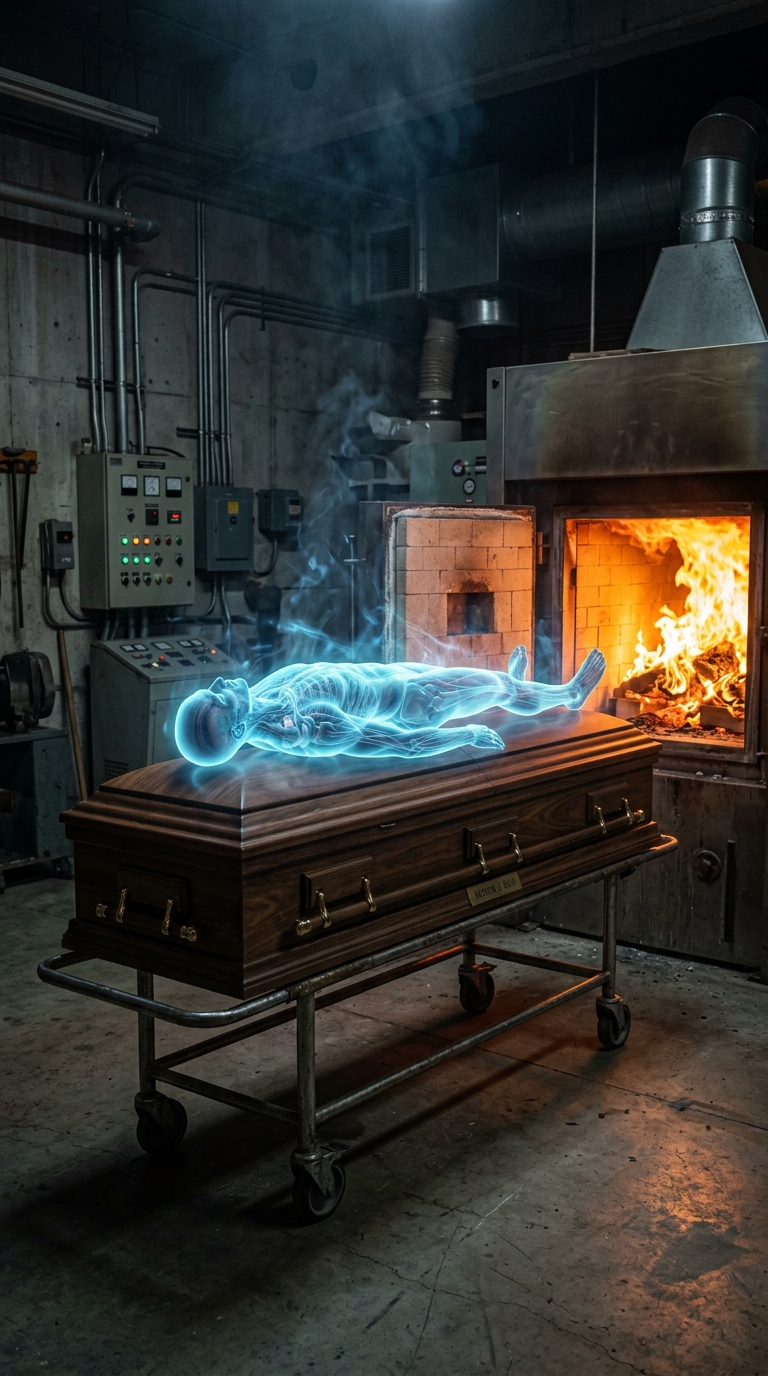
Open discussions about end-of-life care have increasingly helped families feel more educated and prepared when facing difficult decisions for those they love.
