

PART 1
The driver did not ask again.
He simply turned the sedan north, the wipers clearing April rain from the glass in slow, even strokes.
My phone lit the dark interior each time Andrew called.
I watched the screen until the name disappeared, then turned the device face-down on the seat beside me.
The message about the jet remained open beneath my thumb.
I read it a fourth time.
Private terminal, Gate 4.
Everything you need is waiting.
The number was unfamiliar, the wording precise.
No one in my life used that phrasing except the small circle of people who had once managed my father’s travel.
My father had been gone for three years.
The circle had scattered.
“Change of plan,” I told the driver. “Private aviation terminal at Teterboro. Gate 4.”
He nodded and merged onto the highway. The baby shifted under my palm, a slow roll rather than a kick. I kept my hand there and tried to count the exits so I would not count the minutes since I had left the ballroom.
At the terminal the rain had thinned to mist. A woman in a dark blazer waited under the canopy with an umbrella. She did not ask my name. She simply opened the rear door and said, “Mrs. Weston, the aircraft is fueled. Your bag is already aboard.”
I had not packed a bag.
Inside the jet the cabin lights were low. A single leather seat was turned toward the aisle; a folded blanket and a bottle of still water sat on the table beside it. On the opposite seat rested a black canvas weekender I recognized. It was the one I kept in the hall closet for weekends we never took. Someone had gone into the penthouse after I left for the ball.
I sat. The door sealed. The engines rose. Only when we were above the cloud layer did the flight attendant appear.
“Mrs. Weston, there’s a note in the side pocket. Mr. Ellison asked that you read it before we land.”
Ellison. My father’s attorney. The man who had drafted the trust that still paid the taxes on the Connecticut house no one used. I had not spoken to him in eleven months.
The note was short, typed, unsigned except for his initials.
Emma—
Andrew’s investigators have been photographing you since January. The divorce papers you left on his desk were scanned and sent to his counsel before you reached the hotel. He intends to claim you abandoned the marriage and the child. The jet is registered to the trust. The house in Greenwich is prepared. Medical records and a letter from your obstetrician are in the bag. Call me when you are ready. Do not call him.
—R.E.
I read it twice. The baby turned again. Outside the window the clouds were a flat silver field under the moon. I pressed my forehead to the glass and let the cold seep through.
We landed just after midnight. A black SUV waited on the apron. The driver was the same man who had once driven my father to board meetings; he did not speak until we were on the Merritt Parkway.
“Mr. Ellison is at the house,” he said. “He thought you might prefer not to be alone tonight.”
The Greenwich house smelled of lemon oil and closed rooms. Ellison stood in the front hall with his coat still on. He was older than I remembered, the lines around his eyes deeper, but his voice was the same measured tone he had used when he explained my father’s will.
“You left the papers,” he said. “That was the correct sequence. The photographs Andrew ordered will now work against him. A judge will see a man who hired investigators to document his pregnant wife’s movements while he attended a public event with another woman.”
I set the weekender on the console table. “Who packed this?”
“A member of the household staff who has worked for the trust since your father’s time. She has already given notice at the penthouse. Andrew will discover the absence tomorrow.”
I walked into the living room. The furniture was covered in sheets. Someone had removed them from one sofa and turned on a single lamp. I sat. Ellison remained standing.
“He will call,” Ellison said. “He will offer money, then threats, then a narrative in which you are unstable. The obstetrician’s letter states that stress of this kind is contraindicated. We will file for temporary exclusive occupancy of a residence of your choosing and for a restraining order if the calls continue past a reasonable hour. The trust can fund both without touching marital assets.”
“I don’t want his money,” I said.
“You may not need it,” Ellison answered. “The prenuptial agreement your father insisted upon remains in force. Andrew waived claims to any asset held in the Ellison Family Trust. The child, once born, will be a beneficiary. That is already drafted.”
I looked at my hands. They had stopped shaking somewhere over New Jersey. “He kissed her in front of everyone.”
“Yes. There are photographs. Several guests recorded video. One of them has already been sent to my office by a mutual acquaintance who prefers not to be named. It will be useful.”
The baby kicked hard enough that I winced. Ellison’s gaze dropped, then returned to my face.
“There is a room prepared upstairs,” he said. “The obstetrician can see you tomorrow at ten if you wish. I will stay in the guest wing tonight. The alarms are set. No one enters without the code I will give you.”
I nodded. He left the code on a card beside the lamp and went upstairs. I remained on the sofa with the weekender at my feet. Inside it I found the clothes I had not chosen, the prenatal vitamins I had left on the bathroom counter, and a sealed envelope containing copies of the divorce petition, the prenup, and a single ultrasound image from twelve weeks. On the back of the image, in my own handwriting, I had written the date and nothing else.
My phone buzzed once more. Andrew. I let it ring until it stopped, then powered the device off and set it on the mantel beneath the covered mirror. The house was quiet except for the low tick of the heating system. I placed both hands on my stomach and spoke to the only person in the room who had not yet been asked to choose a side.
“We’re not going back,” I said.
In the morning Ellison drove me to the obstetrician. The doctor confirmed what I already knew: the baby was measuring on schedule, the heart rate was strong, and elevated stress markers were the primary concern. She wrote a letter for the court file and another for me. When we returned to the house a process server was waiting at the end of the drive with Andrew’s emergency motion. Ellison accepted it, read it in the kitchen, and slid it into his briefcase.
“He claims you have removed yourself and the unborn child from the marital home without notice and that you are a flight risk,” he said. “We will answer this afternoon. The video from the ballroom has already been submitted under seal. I expect the motion to be denied.”
It was. By evening a temporary order granted me exclusive use of the Greenwich house and directed Andrew to cease direct contact except through counsel. The baby kicked when the email arrived. I stood at the kitchen window and watched the light leave the lawn.
Over the next six weeks the legal machinery moved with the unhurried precision Ellison preferred. Andrew’s counsel requested a psychological evaluation. The court-appointed evaluator met me once, reviewed the obstetric records, and reported that I presented as oriented, cooperative, and appropriately concerned for the child’s welfare. Andrew declined to sit for his own evaluation. Lila Summers’s name appeared in a supplemental filing as a witness to my “erratic departure.” The filing was withdrawn after the ballroom video was played in chambers.
I did not attend the hearings. I walked the grounds in the afternoons, one hand on the curve of my stomach, and learned the names of the trees my father had planted. At night I read the prenatal books I had bought months earlier and never opened. The baby developed a pattern: active after ten, quiet in the early morning. I began to sleep when the house was darkest.
Andrew sent one letter through his attorney. It offered a lump-sum settlement in exchange for my agreement to a joint-custody schedule that began at birth and for a nondisclosure clause covering the events of the charity ball. Ellison returned it with a single sentence: the offer was rejected. No counter was made.
In the seventh month I met with a pediatrician in Greenwich who had privileges at the hospital where I would deliver. She asked whether the father would be present. I said no. She made a note and did not ask again. On the drive home I stopped at a small furniture store and ordered a crib. The saleswoman asked about a theme. I told her I had not decided. She said most people didn’t until the baby arrived.
PART 2
The call from the hospital came at 2:17 on a Tuesday. Labor had begun earlier than expected. Ellison met me in the intake bay; he did not come into the room. A nurse asked for the father’s name for the birth certificate. I gave it. She asked whether he should be notified. I said the court order prohibited direct contact. She nodded and wrote something on the chart.
The baby was a girl. She weighed six pounds, four ounces. Her hair was dark and already drying into the same cowlick Andrew had had as a child. I held her while the nurses worked and did not look away when they placed her on the scale. When they returned her to me, she opened her eyes once, dark and unfocused, then closed them again.
Ellison entered after the room had quieted. He stood at the foot of the bed with his hands in his coat pockets.
“The pediatrician has cleared her,” he said. “Andrew’s counsel has been informed of the birth through the proper channel. A copy of the temporary order is in the chart. Security has been advised.”
I nodded. The baby’s hand had closed around my finger. Her grip was stronger than I expected.
“There is one additional matter,” Ellison said. “The trust document your father executed contains a provision I did not emphasize earlier. Upon the birth of a grandchild, a separate custodial account is funded for the child’s education and medical care. It does not require Andrew’s consent or participation. The papers are prepared. You may sign them when you are ready.”
I looked at the baby’s face. She had my mother’s mouth and none of Andrew’s certainty. Outside the window the parking lot lights had come on. Somewhere in the city Andrew was learning he had a daughter whose first hours would be recorded without him.
“I’ll sign them tonight,” I said.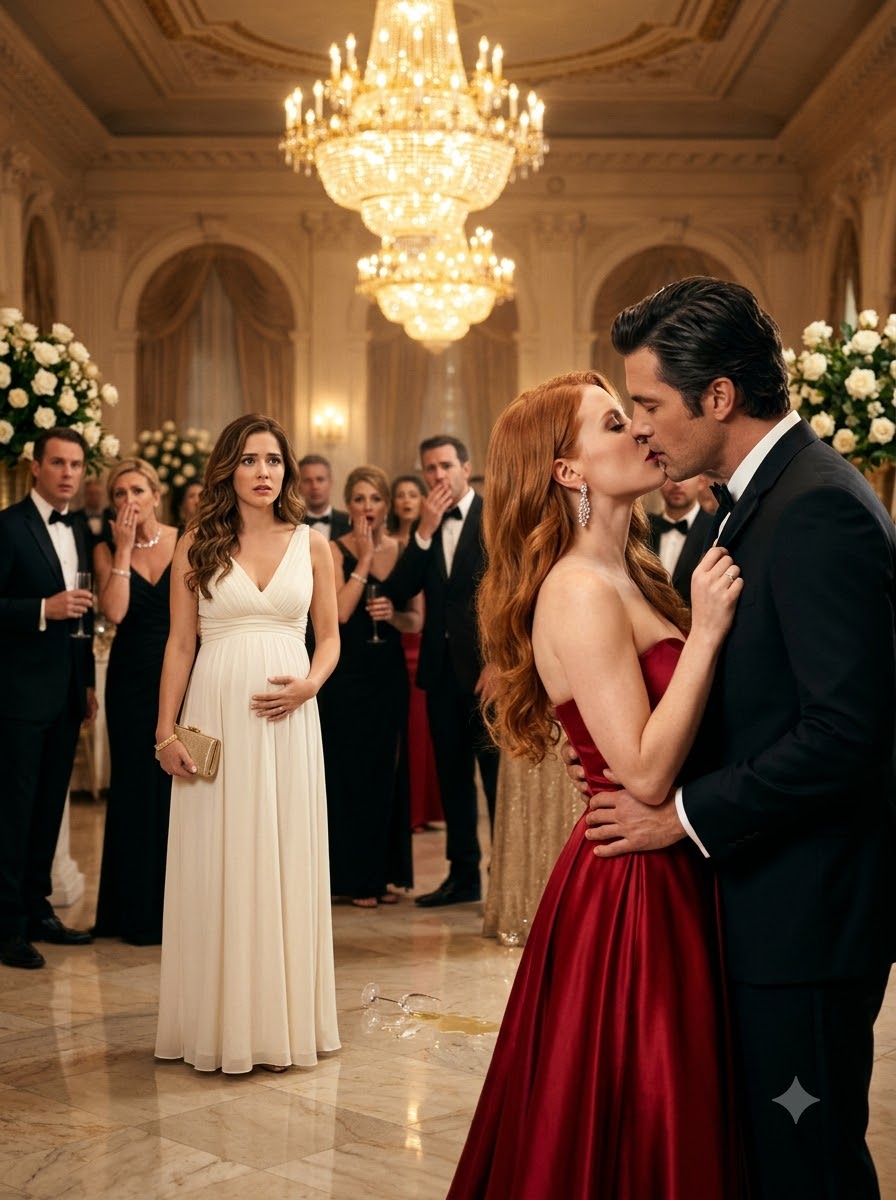
Ellison left the folder on the tray table. I read the first page while the baby slept. The language was the same careful prose he had used for years. At the bottom was a line for my signature and a second line for the date. I signed both.
In the weeks that followed, Andrew requested visitation. The court granted supervised sessions at a facility in Stamford, two hours, twice a week, beginning when the baby was six weeks old. I did not attend. A social worker drove her. The reports that came back were brief: he held her, he asked questions about feeding schedules, he left at the appointed time. After the fourth session he missed one. After the sixth he asked, through counsel, to reduce the frequency. The request was granted.
Lila Summers’s name did not appear again in any filing. A mutual acquaintance mentioned, carefully, that she had taken a position in London. I did not ask for details.
On the morning the final divorce decree arrived, the baby was asleep in the crib I had assembled in the room that had once been my father’s study. I read the decree at the kitchen table. The marital assets were divided according to the prenup. The Greenwich house remained in the trust. Custody was sole, with the supervised schedule already in place. Andrew’s parental rights were not terminated; they were simply narrowed to the hours the court had defined. I signed the acknowledgment and slid the papers into the folder Ellison had left months earlier.
That afternoon I took the baby outside. The maple at the edge of the lawn had begun to drop its leaves. I sat on the low stone wall with her against my chest and watched a groundskeeper rake them into a pile. He nodded when he saw us and continued working. The baby stirred, made a small sound, and settled again.
I thought of the ballroom, of the twenty feet of marble between us, of the moment Andrew’s eyes had met mine and shown only irritation. I thought of the jet I had not ordered and the bag I had not packed and the attorney who had kept the lights on in a house I had not expected to need. None of those facts altered the decree. They only explained how I had arrived at the table where I signed it.
The baby woke hungry. I carried her inside, warmed a bottle, and sat in the chair by the window while she ate. Her eyes stayed open this time, tracking the movement of the leaves outside. When she finished I rested her on my shoulder and felt the small, steady weight of her breathing.
The phone on the counter remained silent. Andrew’s number had been blocked for weeks. The only calls that came now were from the pediatrician’s office, from Ellison’s assistant confirming the next trust distribution, and from the woman who cleaned the house on Thursdays. I answered when I chose to.
Outside, the groundskeeper finished the pile and leaned the rake against the maple. The light had begun to change. I stayed where I was, one hand on the baby’s back, and listened to the ordinary sounds of a house that no longer required anyone’s permission to remain quiet. The decision I had made in the ballroom had been only the first. The rest had been paperwork, court orders, and the slow accumulation of days in which no one asked me to pretend I had not seen what I had seen. The baby shifted in her sleep. I adjusted my hold and did not look at the clock. There was nowhere else we were required to be.
