

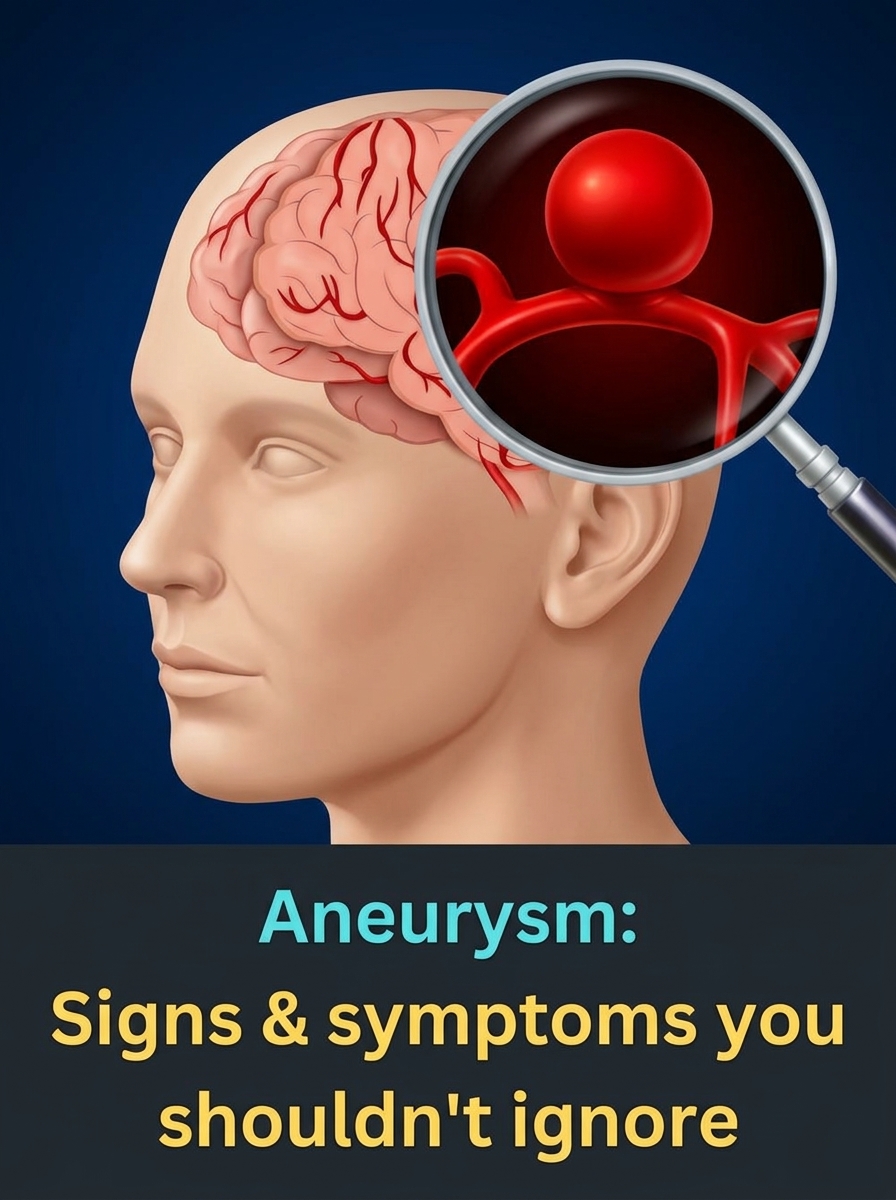
A brain aneurysm is a weak or bulging spot in a blood vessel wall in the brain. Many assume a serious brain issue would always show clear warning signs — but that’s not always the case. Some aneurysms stay “silent” for years, causing no obvious symptoms until they grow larger, press on nearby nerves, or rupture. That’s why awareness is so important: not to scare people, but to help them know when it’s time to seek medical help.
Why Can an Aneurysm Be Silent?
Many unruptured brain aneurysms are small and don’t press on brain tissue or nerves, so the person feels completely normal. Some are only found by chance during scans done for other reasons like headaches, injuries, or unrelated medical checks. The Brain Aneurysm Foundation explains that unruptured aneurysms typically have no symptoms and are often discovered incidentally.
This silent nature makes them hard to catch early. Someone can go through daily life unaware that a blood vessel has weakened. Yet “silent” doesn’t always mean safe — some may grow, and a small number can rupture, leading to bleeding in the brain. A ruptured aneurysm is a medical emergency.
Possible Symptoms of an Unruptured Aneurysm
While many cause no symptoms, larger ones can press on nerves or brain tissue. Warning signs may include pain above or behind one eye, a dilated pupil, double vision, vision changes, numbness on one side of the face, or seizures. The Mayo Clinic notes these as possible effects when an unruptured aneurysm impacts nearby structures.
Keep in mind these symptoms can come from other conditions too, so they don’t automatically mean an aneurysm. Still, any sudden or unusual neurological changes should never be ignored.
When Symptoms Become an Emergency
The biggest danger is a rupture. A sudden, severe headache — often called the “worst headache of your life” — is a major red flag. Other emergency signs include nausea, vomiting, stiff neck, sensitivity to light, confusion, vision changes, seizures, weakness, or loss of consciousness. The American Stroke Association stresses that a sudden intense headache needs immediate medical attention.
Stroke-like symptoms also require urgent care. The CDC recommends calling emergency services right away for sudden numbness or weakness, confusion, trouble speaking, vision problems, trouble walking, dizziness, loss of balance, or a sudden severe headache with no clear cause.
Who May Be at Higher Risk?

Certain factors can increase the chance of developing a brain aneurysm or facing complications, such as family history, smoking, high blood pressure, certain genetic conditions, and age-related changes in blood vessels. Not everyone with risk factors will get one, and not every aneurysm will rupture. Those with strong family history or concerning symptoms should talk to a doctor about screening or monitoring.
Why Awareness Matters
Silent aneurysms are scary because they can stay hidden. But knowledge should lead to smart action, not panic. Understanding the difference between normal discomfort and serious warning signs can help people act quickly when needed.
If you experience a sudden severe headache, fainting, seizure, sudden weakness, vision changes, confusion, or trouble speaking — get emergency care immediately. For ongoing worries, family history, or unusual symptoms, consult a doctor. Early attention can truly save lives.
This is for awareness only. Always seek professional medical advice.
