

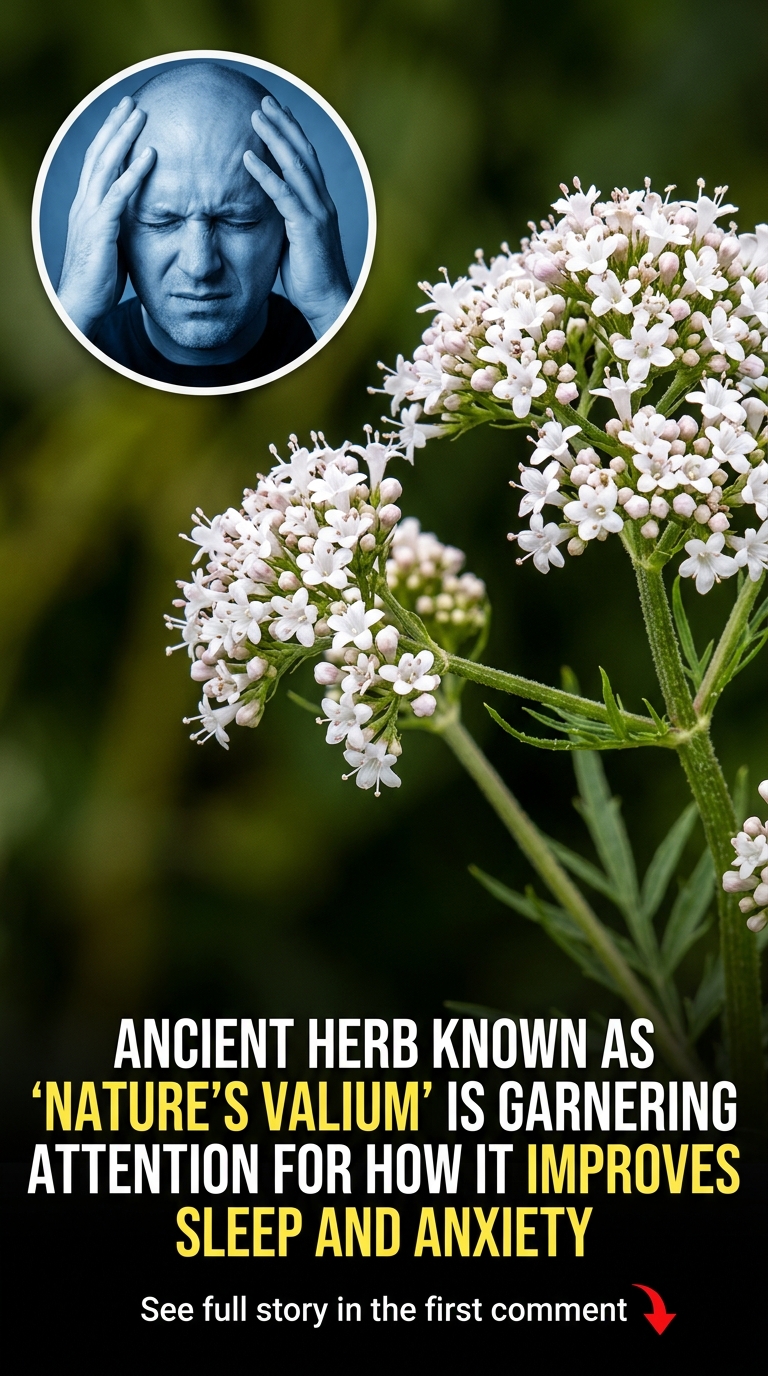
Valerian has become one of the most talked-about herbs for people struggling with stress and sleepless nights. Found in teas, gummies, tinctures, capsules, and countless “calming” products, it has earned the nickname “nature’s valium.” But despite the comparison, valerian and Valium are completely different. According to the National Institutes of Health (NIH), valerian is simply a plant-based supplement, while Valium is a prescription medication with an entirely different chemical structure and purpose.
Still, the comparison exists for a reason. For centuries, valerian has been used as a natural remedy for anxiety, nervousness, and insomnia. Its reputation has survived through generations and remains strong even in modern wellness culture. But long-standing popularity alone does not prove that something works perfectly. The real question is whether valerian can actually provide meaningful relief for stress and sleep problems.Herbs & Spices
Mainstream health organizations remain cautious when discussing valerian. The NIH Office of Dietary Supplements says the evidence supporting valerian as a sleep aid is still “inconclusive.” Likewise, the National Center for Complementary and Integrative Health (NCCIH) states that scientific findings remain inconsistent and there is not enough evidence to confirm valerian’s effectiveness for anxiety disorders. However, both organizations agree on one important point — valerian appears to be generally safe for healthy adults when used short-term. This places valerian somewhere between miracle cure and old folk remedy: a traditional herbal option that may provide some support, though its scientific backing remains uncertain.Vitamins & Supplements
Part of valerian’s appeal comes from its remarkably long history. According to the NIH, valerian has been used medicinally since ancient times. The Greek and Roman physician Galen reportedly recommended it for insomnia, and by the sixteenth century it had become a common remedy for anxiety attacks, headaches, tremors, and heart palpitations.
Its survival across centuries helped establish trust long before modern advertising existed. Remedies that remain popular for generations naturally gain credibility. But in valerian’s case, tradition alone is not the whole story — there may also be some real effects behind the long-lasting reputation.Drugs & Medications
The NCCIH explains that valerian’s active compounds are found in its roots and underground stems. Today, the herb is still widely promoted for insomnia, stress, and nervousness. However, researchers continue trying to separate its romantic history from what scientific evidence can actually confirm.Flora & Fauna
One major challenge is that scientists still do not fully understand how valerian works. According to the NIH, there is no clear agreement about which substances in the plant create its sedative effects. Researchers believe several components may work together, making it difficult to standardize products or fully support many marketing claims.
European regulators take a more practical approach. The European Medicines Agency (EMA) approves certain valerian root preparations for mild nervous tension and sleep disturbances. However, the agency clearly separates effects supported by clinical studies from uses considered traditional medicine only.Health
The EMA also notes that valerian works gradually rather than immediately. Unlike prescription sedatives, its effects may build slowly over time. In the United States, supplement products are also not regulated to the same standards as prescription medications, meaning formulations and quality can vary widely.
What the sleep research actually shows
Sleep is where valerian has the strongest scientific support, although the results remain mixed. According to the NIH, evidence for treating sleep disorders is still considered “inconclusive.” Some studies report improvements, while others find little benefit at all.Herbs & Spices
Positive Findings: One study cited by the NIH found that a 450-milligram dose helped individuals with mild insomnia fall asleep faster and improve sleep quality. Another study involving diagnosed insomnia patients over 28 days suggested valerian performed better than a placebo in reducing symptoms.
The Limitations: A 2006 study led by Dr. Susan Bent at the University of California, San Francisco, suggested valerian may improve sleep quality while causing few side effects.
The larger issue is the poor consistency among many valerian studies. The NIH points to differences in dosage, product preparation, study size, and patient groups. Some trials involved only small numbers of participants, while others lacked proper controls altogether.Flora & Fauna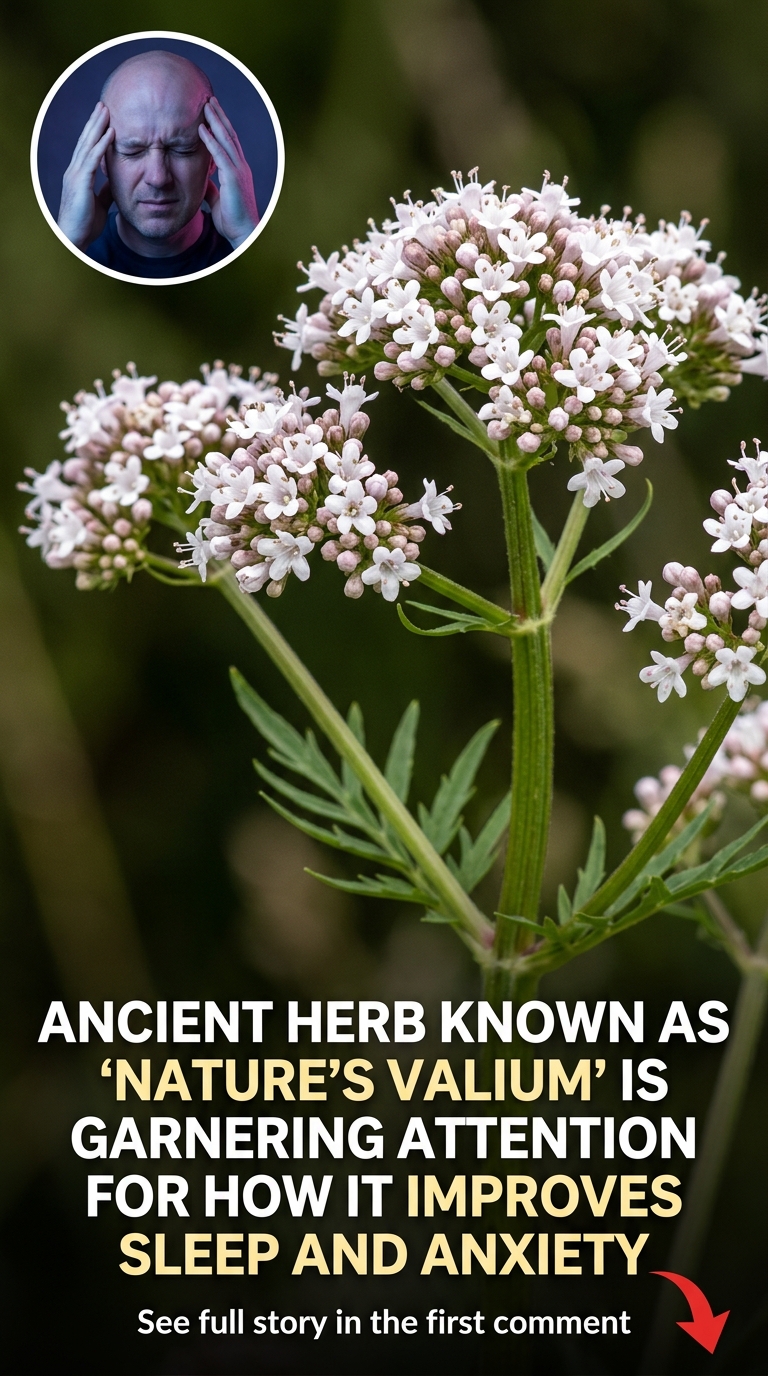
More recent research has not resolved the uncertainty. One newer NIH-cited study found that standardized valerian had no significant impact on insomnia patients’ sleep quality. Because of the weak and inconsistent evidence, the American Academy of Sleep Medicine advises against recommending valerian for chronic insomnia in adults.
What about anxiety relief?
If sleep research appears inconsistent, the evidence for anxiety relief is even weaker. Many websites continue promoting valerian as a powerful natural anxiety remedy, yet leading health organizations remain highly skeptical. According to the NCCIH, there are simply not enough quality studies to draw conclusions about valerian’s effects on anxiety disorders.Drugs & Medications
It is important to distinguish anxiety disorders from everyday stress or nervousness.
After reviewing the available research, the Cochrane Collaboration found only one small study that met scientific standards for evaluating valerian’s effectiveness against anxiety. As a result, researchers could not determine whether valerian worked better than placebo treatments or medications such as Diazepam.
Even the European Medicines Agency avoids labeling valerian as a treatment for anxiety disorders. Instead, it states that valerian root may help ease “mild nervous tension.” The National Institute of Mental Health continues to recommend psychotherapy, medication, or a combination of treatments for serious anxiety disorders.Vitamins & Supplements
One advantage of valerian is that it appears relatively gentle on the body when used properly for short periods. Research suggests it is generally safe for healthy adults at common doses ranging between 300 and 600 milligrams daily for several weeks.
Pexels
Safety notes
Long-Term Safety: Both the NIH and NCCIH emphasize that there is little reliable information about the safety of long-term valerian use.Flora & Fauna
Possible Side Effects: Reported reactions are usually mild and may include headaches, dizziness, nausea, vivid dreams, morning grogginess, and irritability.
Interactions: Valerian may dangerously increase the effects of anything that causes drowsiness. Extra caution is advised when combining it with alcohol, benzodiazepines, over-the-counter sleep aids, melatonin, kava, or similar supplements.
Pregnancy & Driving: The EMA advises against using valerian during pregnancy or breastfeeding and recommends avoiding driving after taking it.
Where valerian realistically fits
The most reasonable approach is to avoid both extremes. Valerian should neither be viewed as a miracle cure nor dismissed entirely. Instead, it may serve as a mild herbal option for temporary stress or occasional sleep difficulties.Health
It is also important not to expect instant results. According to the EMA, noticeable effects may take several weeks of consistent use, which directly challenges the idea of valerian acting like a fast-acting “natural valium.”
Anyone interested in trying valerian should start cautiously, avoid mixing it with other sedatives, and pay attention to how their body reacts. However, relying solely on valerian to treat severe chronic insomnia or serious anxiety disorders would be unwise.
Ultimately, valerian exists in a middle ground: an ancient herb with possible calming effects, inconsistent scientific evidence, and a fairly safe short-term profile for many healthy adults.Herbs & Spices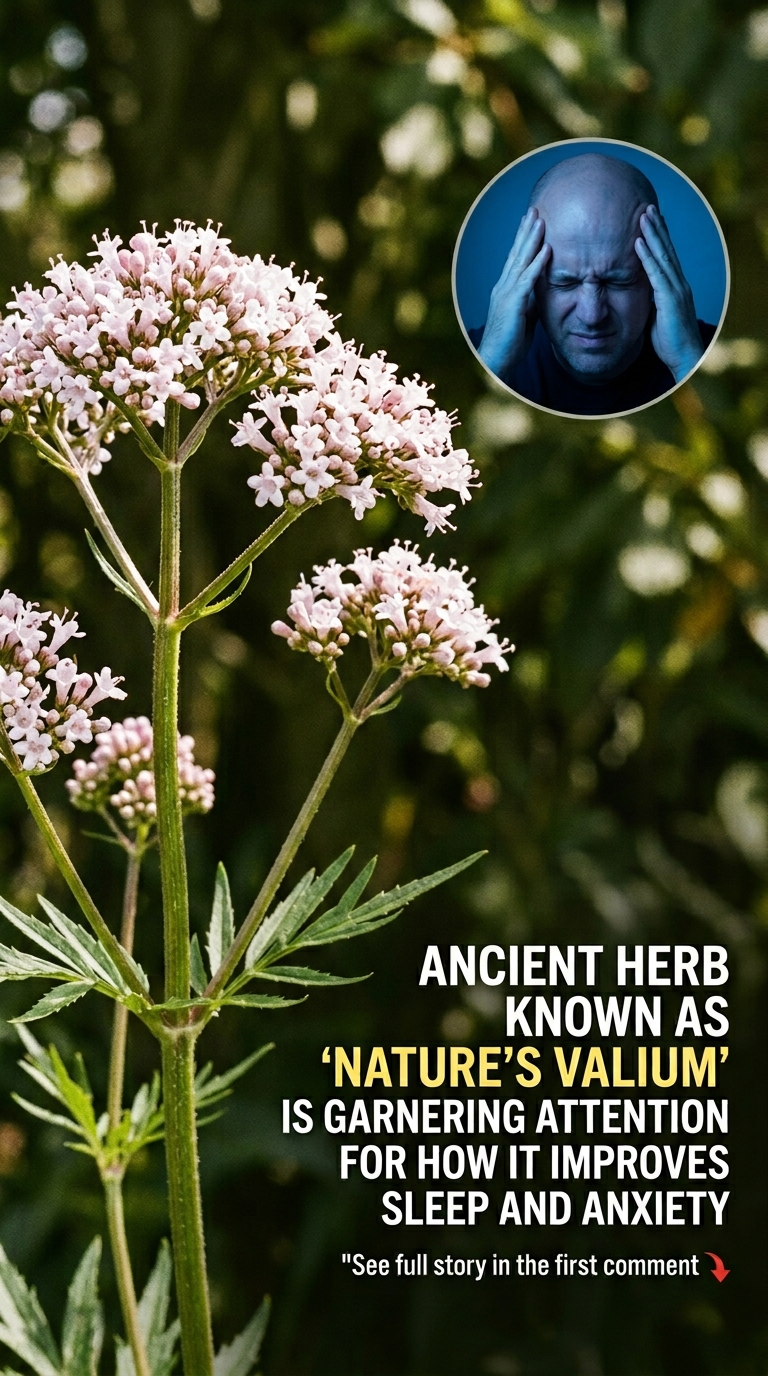
Medical disclaimer: This article is intended for informational and educational purposes only and should not be considered medical advice. It is not meant to diagnose, treat, cure, or prevent any medical condition. Always consult a qualified healthcare professional before starting any supplement, herbal remedy, or treatment, especially if you are pregnant, nursing, taking medication, or have an existing medical condition. Never ignore professional medical advice or delay seeking treatment based on information found in this article.
