

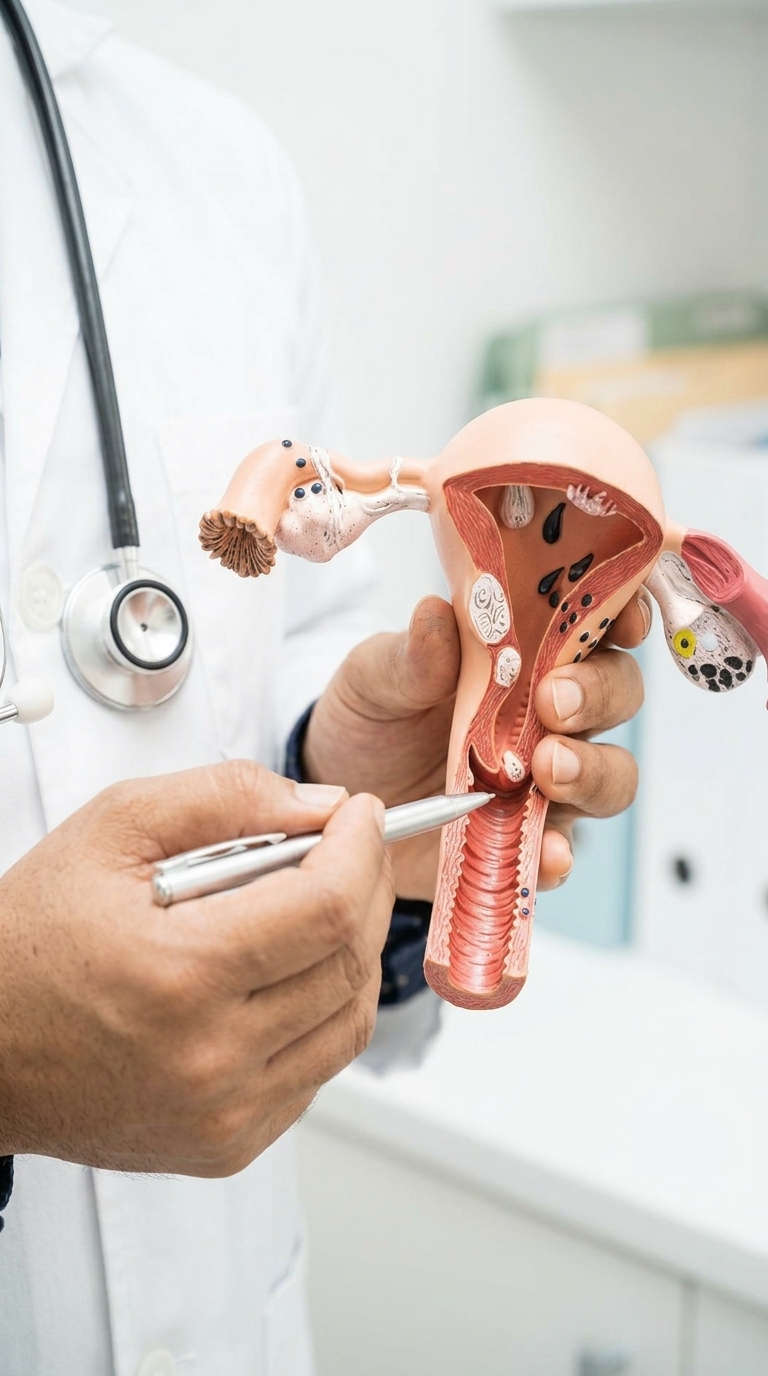
There are many myths surrounding menstruation, and despite how ridiculous some of them sound, many women still wonder whether they might be true. In addition, several of these claims are often accepted as fact. So today, I’m sharing the most common myths and truths about menstruation.
Myths and Truths
If I have my period, I can’t get pregnant.
This is false. Although it’s uncommon, there is still a small chance that a woman can become pregnant.
Menstruation can cause temporary anemia.
This is true. During menstruation, women typically lose about 30 milliliters of blood, but some can lose up to 80 milliliters. In those cases, temporary anemia can occur.
The duration of menstruation varies according to the climate.
This is correct. In countries with distinct seasons, studies have shown that women tend to experience more discomfort during winter. Experts note greater ovarian activity in summer, which often leads to shorter cycles.
When a group of women spend a lot of time together, their periods synchronize.
This sounds romantic, but it is not true. According to research, simply being around other women does not cause periods to synchronize.
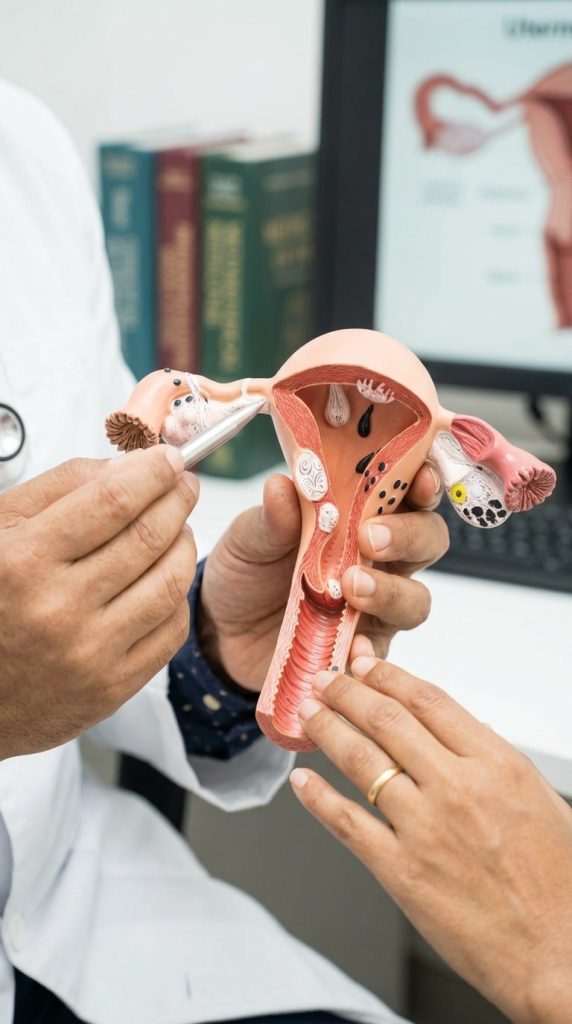
If I go in the water, my period will automatically stop.
I personally wouldn’t take the chance. When you enter water or take a bath, the menstrual flow may slow or stop temporarily due to the temperature change and pressure. However, some people mistakenly believe gravity alone halts the flow and prevents the blood from being expelled.
If my periods are irregular, it might be difficult for me to get pregnant.
No direct link has been established between menstrual regularity and fertility. Still, if you have concerns, it’s best to consult your doctor.
If I take birth control pills, I don’t have a “real” period.
This is partially true. Birth control pills prevent ovulation and fertilization. However, during the pill-free break, hormone levels drop in a way similar to what happens before a natural period, triggering the bleeding that occurs.
