

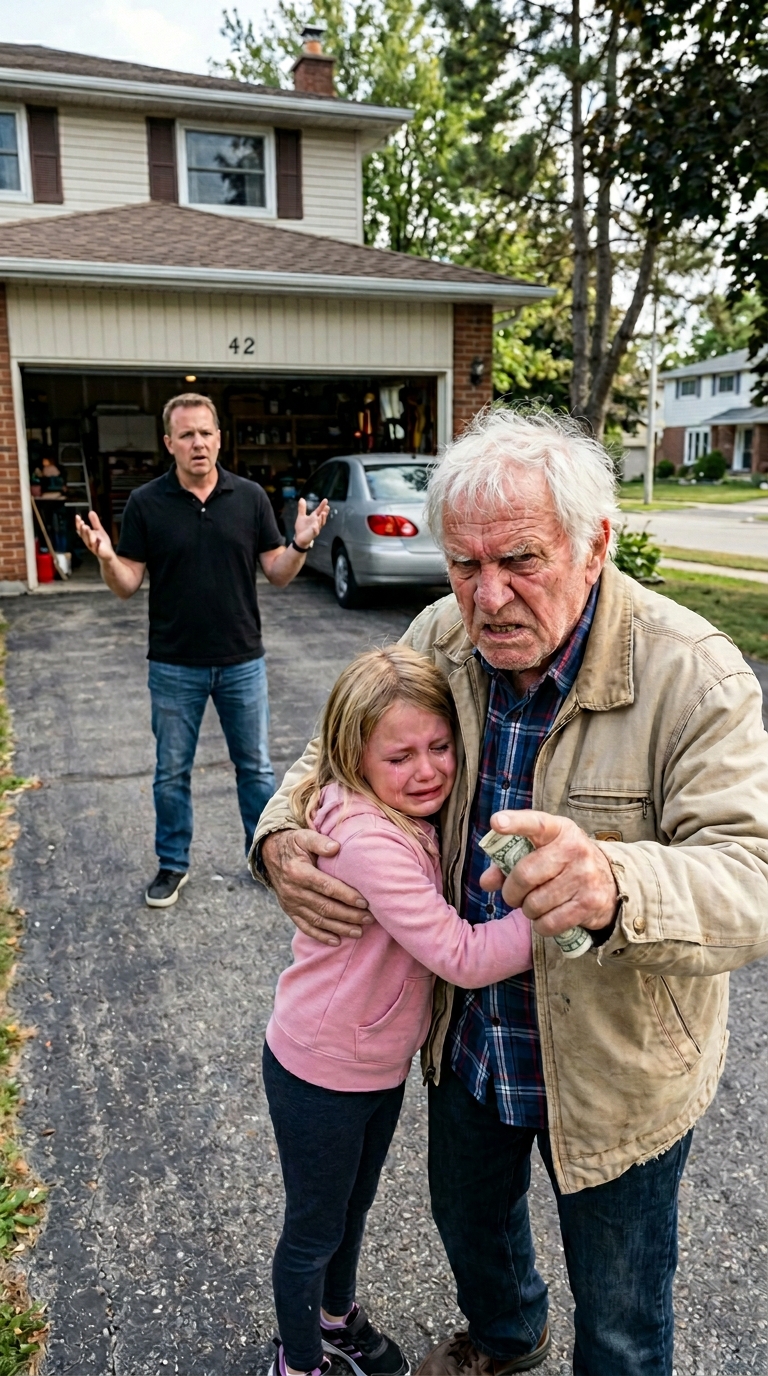
Every January, I transferred forty thousand dollars to my son-in-law.
I did not do it because he ever asked politely, and I certainly did not do it because I had money to spare. I did it because my daughter once laid her hand on my forearm the way she always did when she needed my full attention, and she said softly, “Dad, promise me something. Promise me that Ava will be safe and cared for no matter what happens.”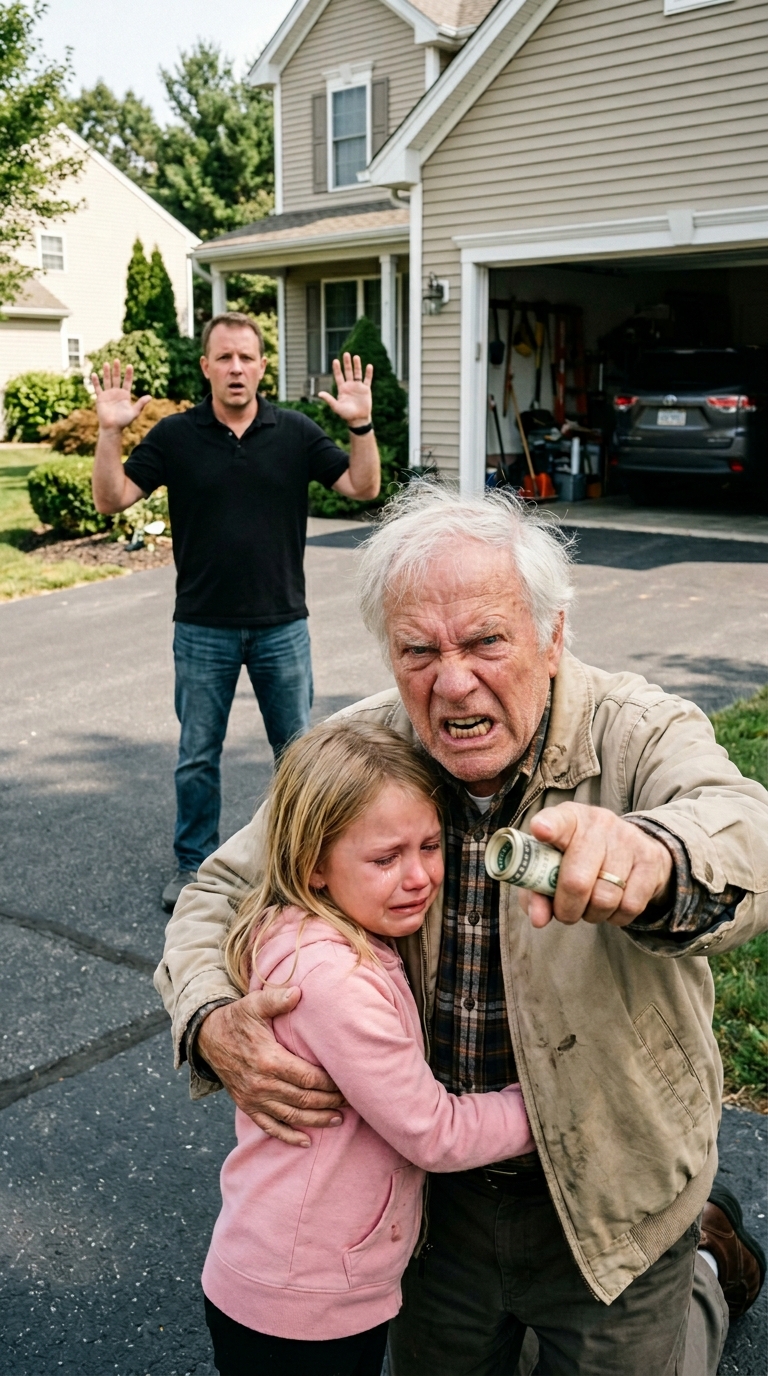
My daughter’s name was Melissa Grant.
She was my only child. Melissa had been the kind of little girl who apologized to the family dog if she accidentally stepped on its paw, and she grew into the kind of woman who baked extra pies during the holidays so the elderly couple across the street would not feel forgotten. If anyone deserved a long, peaceful life filled with scraped knees, gray hair, and grandchildren running through her backyard, it was Melissa.
Seven years ago, she died on Highway 24.
That sentence became the structure of my life. It was what the state trooper said on my porch at three in the morning while the porch light flickered above his hat. It was what the funeral director repeated when he gently explained why the casket could not be opened. It was also what my son-in-law, Calvin Brooks, confirmed while standing beside me and my wife Dorothy Grant, wearing the stiff expression men use when they believe they must look strong for everyone else.
They told us the fire from the crash had been so intense there was almost nothing left.
A week later, an urn was delivered to our home. Brass, heavy, and colder than anything I had ever held. It sat on the mantel like a permanent monument to grief.
Dorothy lasted only six months after that. The doctor wrote cardiac arrest, but I knew what I had seen. People imagine heartbreak looks sudden and dramatic, but it is quieter and crueler. They stop eating properly. They stop laughing. They stop caring whether morning light comes through the window. Eventually, one day, they simply do not wake up.
After Dorothy died, my world narrowed to three things: Grant Family Market, my granddaughter Ava, and the yearly ritual of sending money to the man raising her.
Grant Family Market sits on the corner of Baker Street and Hudson Avenue in Redbrook, Ohio. My father opened it when I was a teenager, and I took it over when he retired. The place always smells like bananas, deli meat, and floor cleaner. Customers still pay with folded bills and talk about their lives long after their groceries are bagged.
Running the store kept my hands busy when my mind wanted to replay funeral hymns.
Ava kept my heart beating when I sometimes wished it would not.
She was seven now, thin and bright, full of questions, and carrying Melissa’s smile. Every other Saturday I took her to Riverbend Park for ice cream. Chocolate chip for me, strawberry swirl for her. We sat on the same wooden bench under a large oak tree while she talked about spelling tests, playground arguments, and which child had been sent to the principal for doing something foolish.
That September afternoon began exactly the same.
Ava kicked her shoes lightly and proudly told me she had earned an A on her spelling test. I told her I was proud of her. Her smile lit up her whole face.
Then it disappeared.
She leaned closer, glancing toward the playground, and lowered her voice.
“Grandpa, please stop sending him money.”
I frowned. “What do you mean?”
“The money you send Dad,” she whispered, gripping my sleeve. “Please don’t send it anymore.”
A cold weight formed in my chest as I looked at her.
“Ava,” I said carefully, “that money is for you. For school, for clothes…”
Her eyes flicked toward the parking lot as if she expected someone to appear.
“Just follow him,” she whispered quickly. “Watch where he goes, and you’ll see.”
The fear in her face was not childish. It was quiet and controlled.
“Ava,” I said gently, “is your father hurting you?”
Her fingers tightened on my sleeve.
“I can’t say,” she whispered. “He gets angry if I talk. Just follow him.”
Then she suddenly hopped off the bench as if nothing had happened.
“We have to go. He gets mad if we’re late.” I walked her back to the parking lot where Calvin’s gray pickup truck was waiting near the curb. He leaned against the driver’s door, scrolling on his phone with an expression that looked bored rather than concerned.
When he saw us approaching, he forced a polite smile.
“Afternoon, Mr. Grant,” he said.
“Afternoon,” I replied.
Ava climbed into the passenger seat without another word. Calvin gave a single nod, started the engine, and drove off.
I stayed in the parking lot longer than I needed to, watching the truck disappear beyond the trees.
That evening I closed Grant Family Market later than usual because a delivery truck arrived after sunset. Once the last customer left and the registers were counted, I sat alone in the small office behind the produce section.
The steady hum of the refrigeration units filled the room. My thoughts kept circling back to Ava’s whisper.
Just follow him.
The following Tuesday, I closed the store early and parked across the street from Calvin’s house. The small two-story building sat on Maple Ridge Lane, a quiet neighborhood where porch lights began flickering on as dusk settled over the lawns.
At six fifteen, Calvin stepped out the front door wearing a clean button-down shirt and dark slacks.
Ava did not come with him. He got into his pickup truck and drove off. I waited a few seconds before starting my own car and following at a distance.
Calvin crossed town and eventually turned into the parking lot of The Lantern Club, a place I recognized immediately. The Lantern Club was a dim bar that also hosted late-night card games. I had known it for years because more than a few of my customers had lost entire paychecks inside those walls.
I parked farther down the street and watched through the windshield.
Calvin walked inside without hesitation. For the next three hours, I stayed in the car as people came and went beneath the flickering red sign.
At nine thirty, Calvin finally came out. His steps looked unsteady as he walked toward the truck. When he opened the door, the interior light briefly caught his face, and even from across the street I could see frustration tightening his jaw.
He slammed the door harder than necessary and drove away. That night I sat at my kitchen table staring at the bank receipt confirming my latest January transfer.
Forty thousand dollars. Every year. My hands rested on the table while Ava’s whisper echoed in my mind. Just follow him. And now I had.
After the warehouse and the recordings were handed to the police, everything moved faster than I expected. Detective Nolan called two days later and asked me to come to the station. When I arrived, he placed a folder on the table and said quietly, “You were right to follow him.”
Inside were photos of the warehouse room, the cameras, the fake urn that had once sat on my mantel, and bank records showing the money I had been wiring every January. My stomach turned when I realized how carefully Calvin had constructed the lie.
The arrest happened that same week.
I didn’t witness it, but Nolan told me Calvin tried to stay composed when the charges were read. Fraud. Kidnapping. Extortion. The list was long enough that even his lawyer stopped pretending it would disappear.
The trial ended months later.
Calvin was sentenced to prison, and the judge terminated his parental rights. When I heard the sentence, something loosened in my chest that had been tight for seven years.
That Saturday, I took Ava to Riverbend Park again.
She ate her strawberry ice cream slowly and looked up at me. “Is he gone now?”
“Yes,” I said gently. “He can’t hurt anyone anymore.”
Ava nodded and leaned against my shoulder.
For the first time since that whisper on the bench, the park felt peaceful again.
