

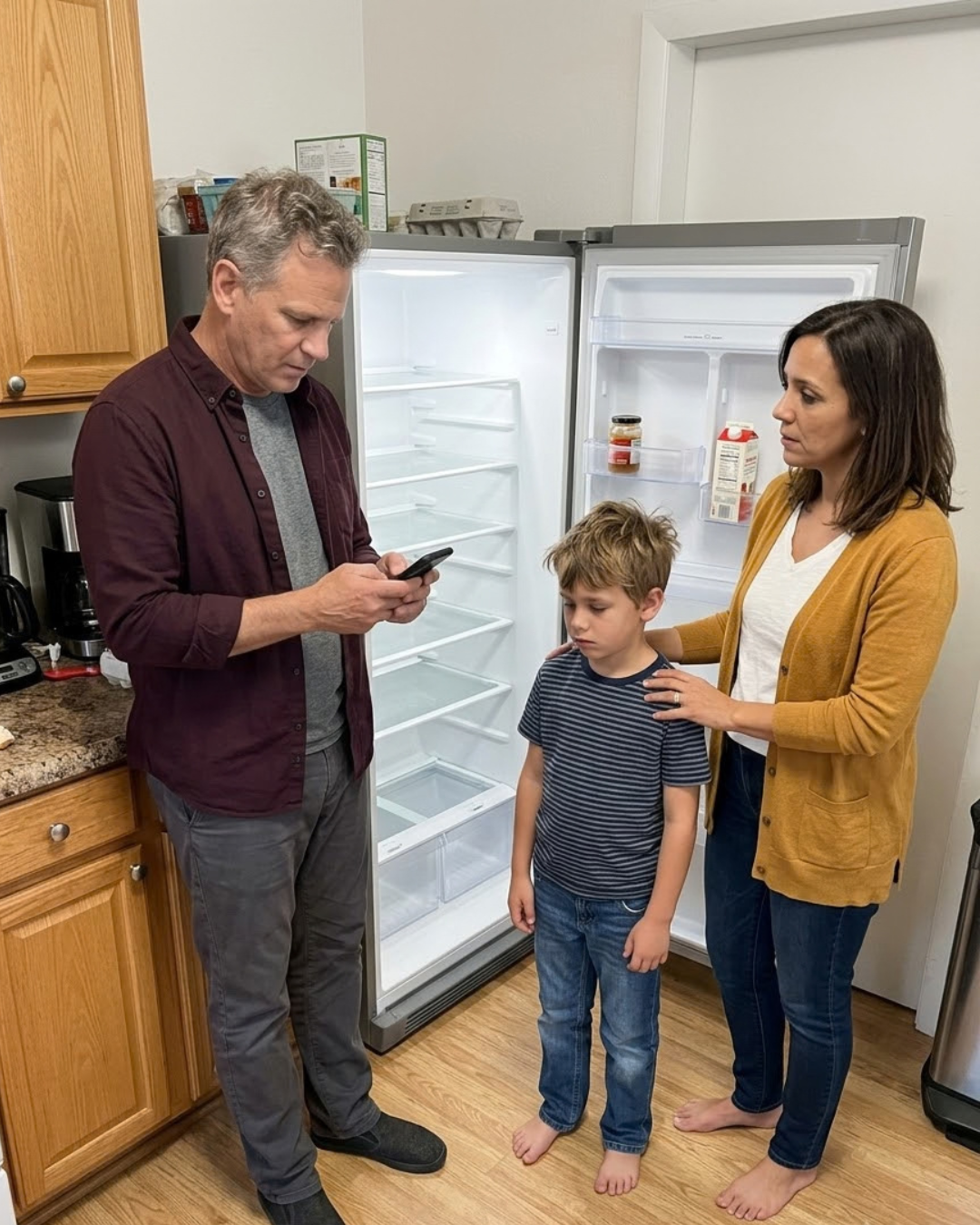
Part 3 — The Account With Only My Name
The next morning, Dad drove me to the bank.
Before we went inside, we sat silently in his car.
Then he said:
“You know this isn’t your failure.”
“It feels like it.”
“I should’ve stopped it the first time.”
Dad shook his head.
“People who control others survive by teaching them to blame themselves.”
He looked at me.
“Today that stops.”
Inside, I opened an individual account.
Only my name.
Only my password.
My salary would be deposited there.
For the first time in years, nobody else would decide where my paycheck went.
I changed my direct deposit.
Changed my passwords.
Removed access wherever I legally could.
Then I met with a family-law attorney.
I started documenting transfers.
Statements.
Dates.
Amounts.
Messages.
What had felt like a confusing marriage problem became much easier to understand when it was arranged chronologically on paper.
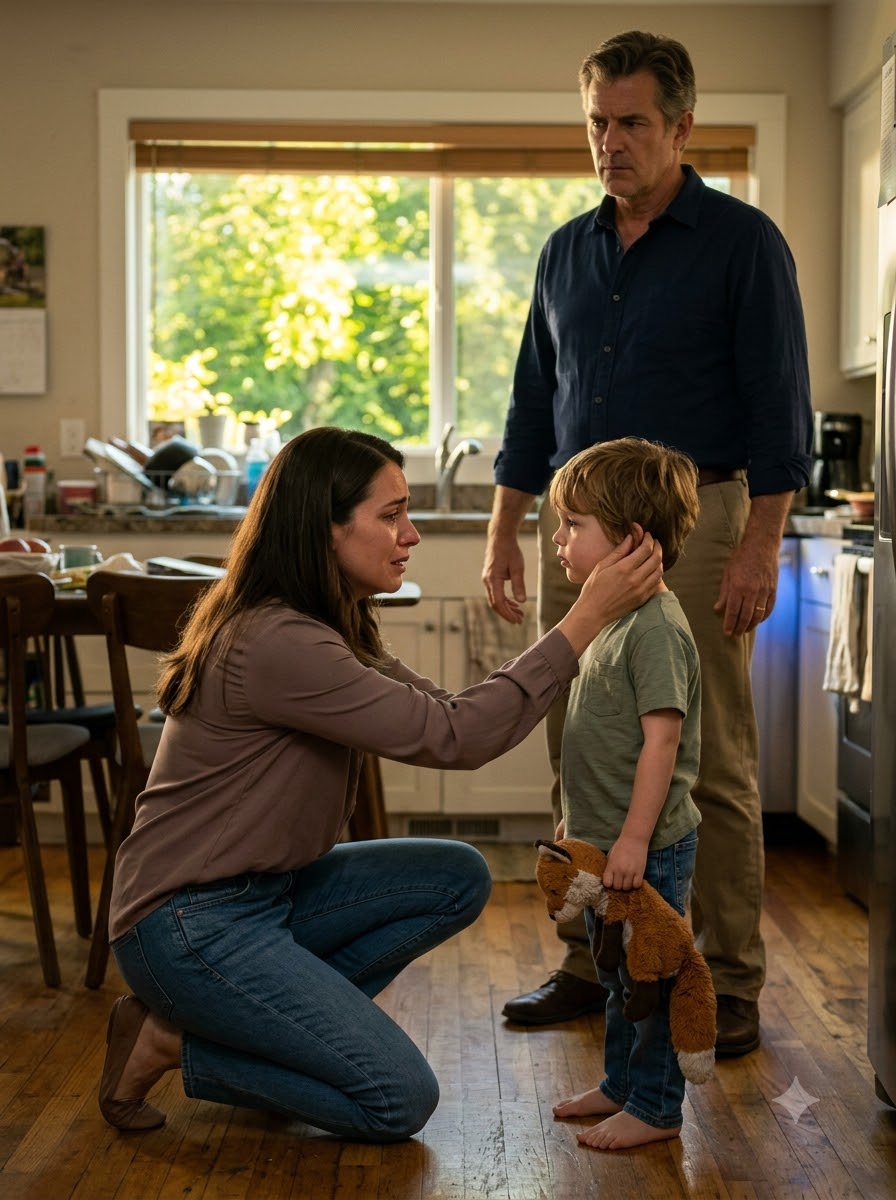
My husband had been using money I earned to finance obligations he decided mattered more than our own household.
And whenever I questioned him, he had made me feel selfish.
That evening, I left a note on the kitchen counter.
My money feeds my child, not your pride.
Then I made dinner.
A real dinner.
Ben asked for seconds.
I gave them to him.
Later, he asked for two bedtime stories.
I read both.
And for the first time in months, I didn’t check my bank balance between pages.
Three months later, I filed for separation.
There was no dramatic courtroom showdown.
Just forms.
Documentation.
Attorneys.
A judge.
Years of emotional and financial entanglement slowly being reduced into enforceable boundaries.
When we finally walked outside the courthouse, Dad asked:
“How do you feel?”
My old instinct was to say fine.
Instead, I told the truth.
“Free.”
I exhaled.
“And terrified.”
Dad smiled.
“Sounds about right.”
