

It was just an ordinary afternoon until my son suddenly ran through the front door, clutching his arm.
He looked upset, trying not to cry, and my stomach immediately sank. At first, I thought it was something minor—a scraped elbow, a mosquito bite, maybe a bee sting from playing outside. But when I took a closer look at his arm, it didn’t seem that simple anymore.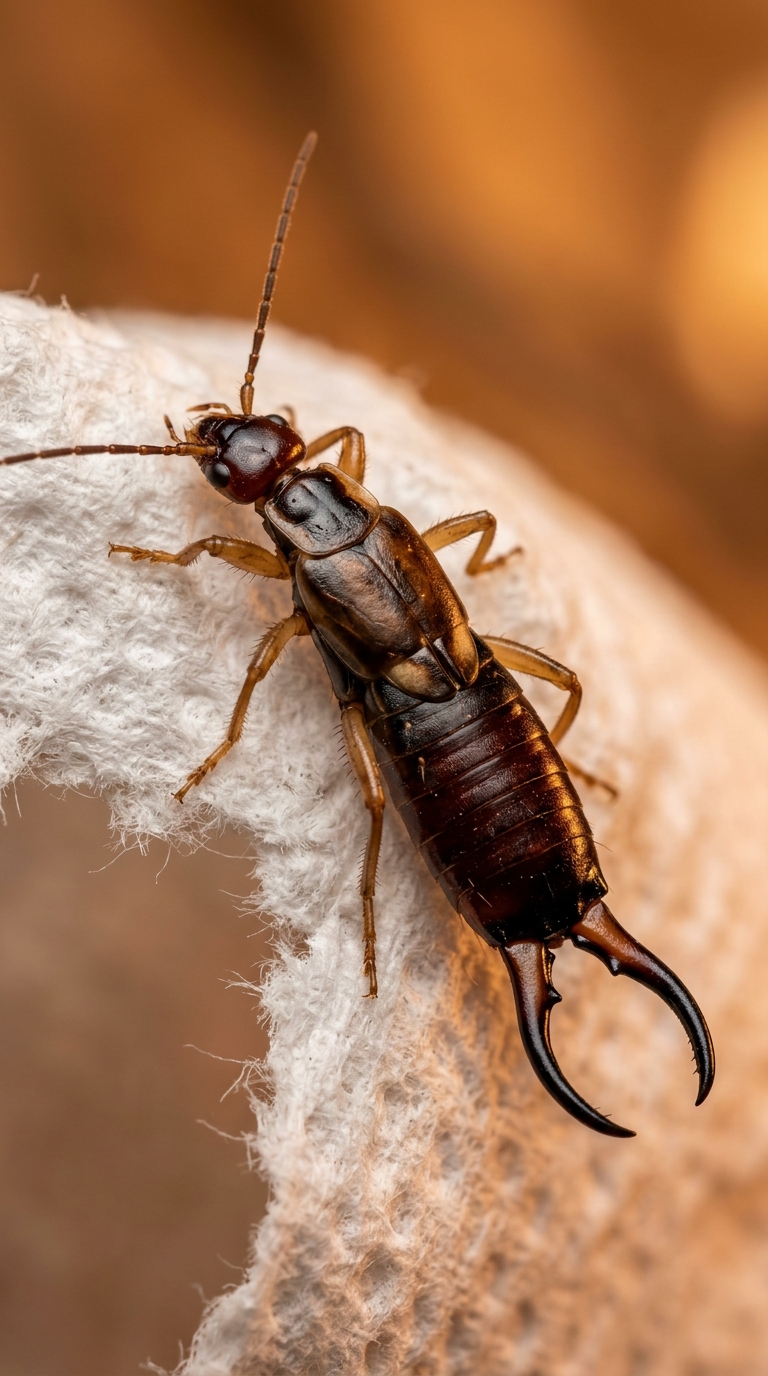
There was a red mark that looked like a bite, but nothing I could immediately identify. In that moment, my mind jumped straight into panic. What bit him? Was it venomous? Was something dangerous hiding in our yard?
Like many parents would, I grabbed my phone, took a photo, and started searching for answers.
I posted it online, hoping someone could recognize it.
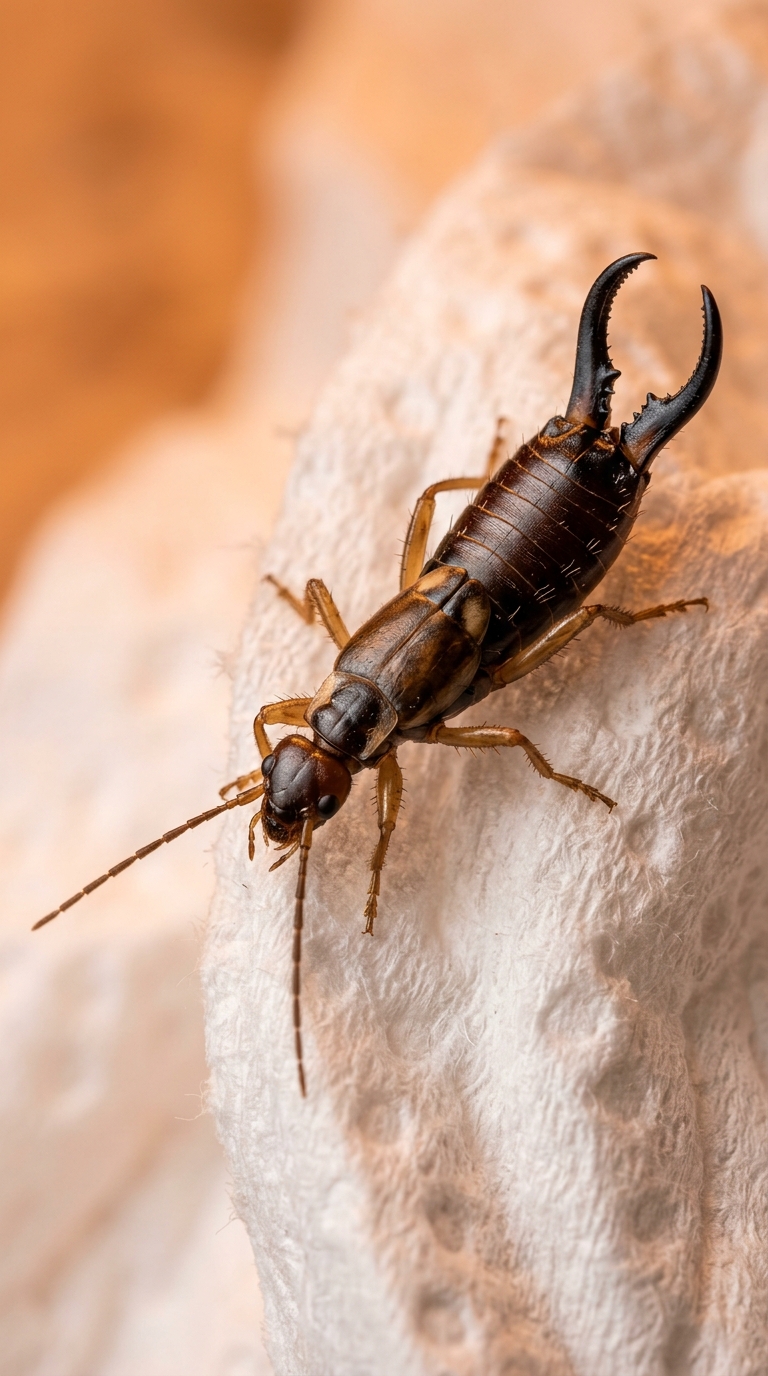
The replies came quickly—and one insect kept appearing again and again: earwigs.
That honestly surprised me.
Earwigs look unsettling with those small pincers at the back, and they’re definitely not something you want to imagine crawling around where your child plays. My sister-in-law even texted me saying she had started noticing more of them around her own place too.
Suddenly, it felt less like a random bite and more like we might have unexpected visitors in the neighborhood.
Once the initial panic eased, I began reading more from pest specialists and comparing advice from other parents.
What I learned helped calm me down.
Earwigs are generally not considered dangerous to humans. They usually avoid people and don’t actively bite. However, if one gets trapped against the skin or pressed accidentally, it can pinch and leave a small irritated mark.
They also tend to gather in damp areas—under mulch, piles of leaves, wood stacks, garden edges, or anywhere cool and moist.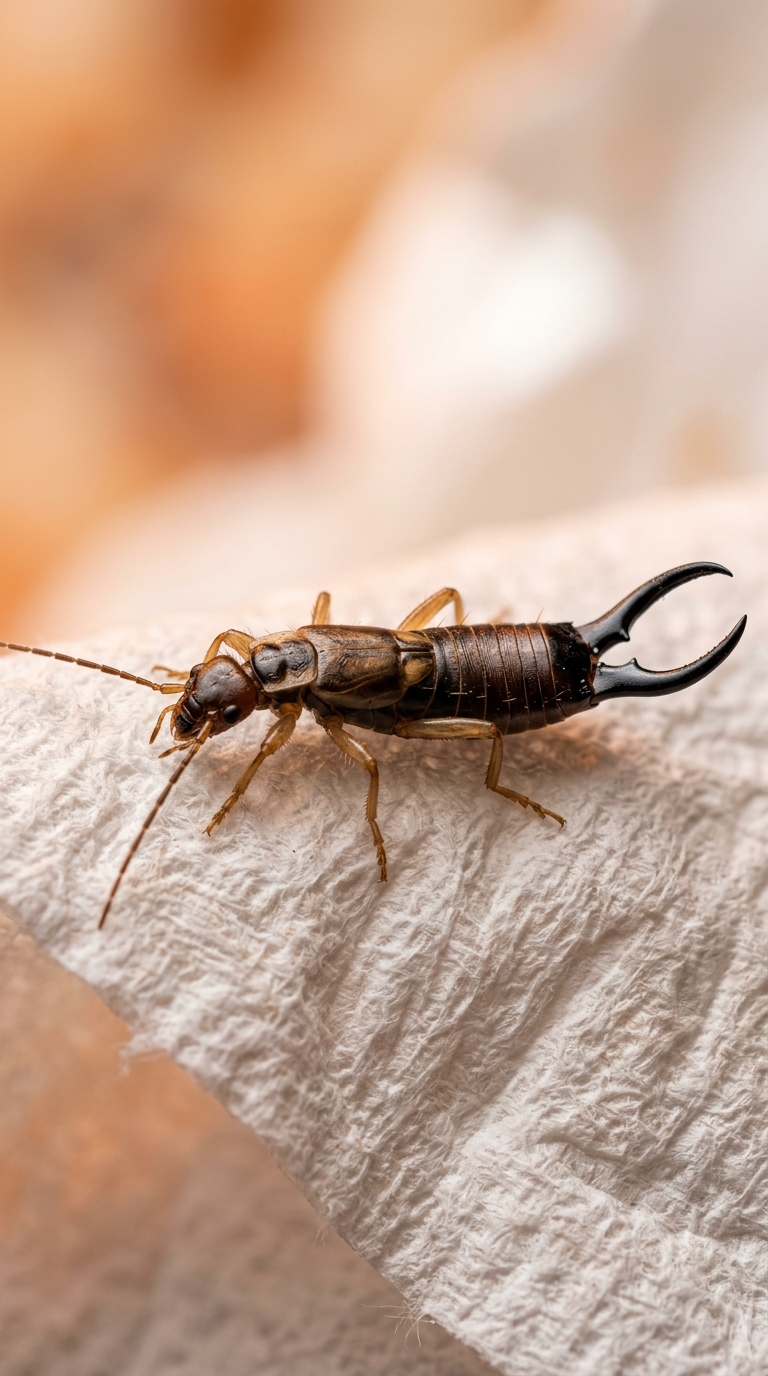
That made me start looking at our yard differently right away. I noticed things we usually ignore—wet mulch near the fence, a pile of leaves behind the shed, stacked boards along the side of the house. Perfect hiding spots.
We didn’t want to jump straight to sprays or harsh chemicals with kids around, so we started with simple changes.
We reduced watering in damp corners, cleared leaf piles, lifted items off the ground, checked gaps near doors, and cleaned up areas where moisture builds. I even tried a simple trap someone suggested using a shallow dish with oil outside in one spot.
Most importantly… my son was okay.
The redness faded after a few days, and he was back outside playing like nothing had happened.
But the whole experience stayed with me longer than the bite itself.
Because parenting can change in seconds.
One moment it’s just an ordinary afternoon in the yard.
The next, you’re in the kitchen staring at a red mark on your child’s arm while your mind runs through every worst-case scenario imaginable.
What helped most was replacing panic with information—and then taking a few practical steps from there.
The yard still feels like ours. I just pay a little more attention now to what might be hiding under the mulch.
