


Losing the person with whom you shared years of life, daily routines, and memories reshapes everything. The quiet in the home, the empty rooms, and the absence of small shared habits can feel heavier than words can describe. In that moment of grief, many people act on impulse and, without realizing it, make choices that turn the years ahead into ongoing struggle rather than a period of calm.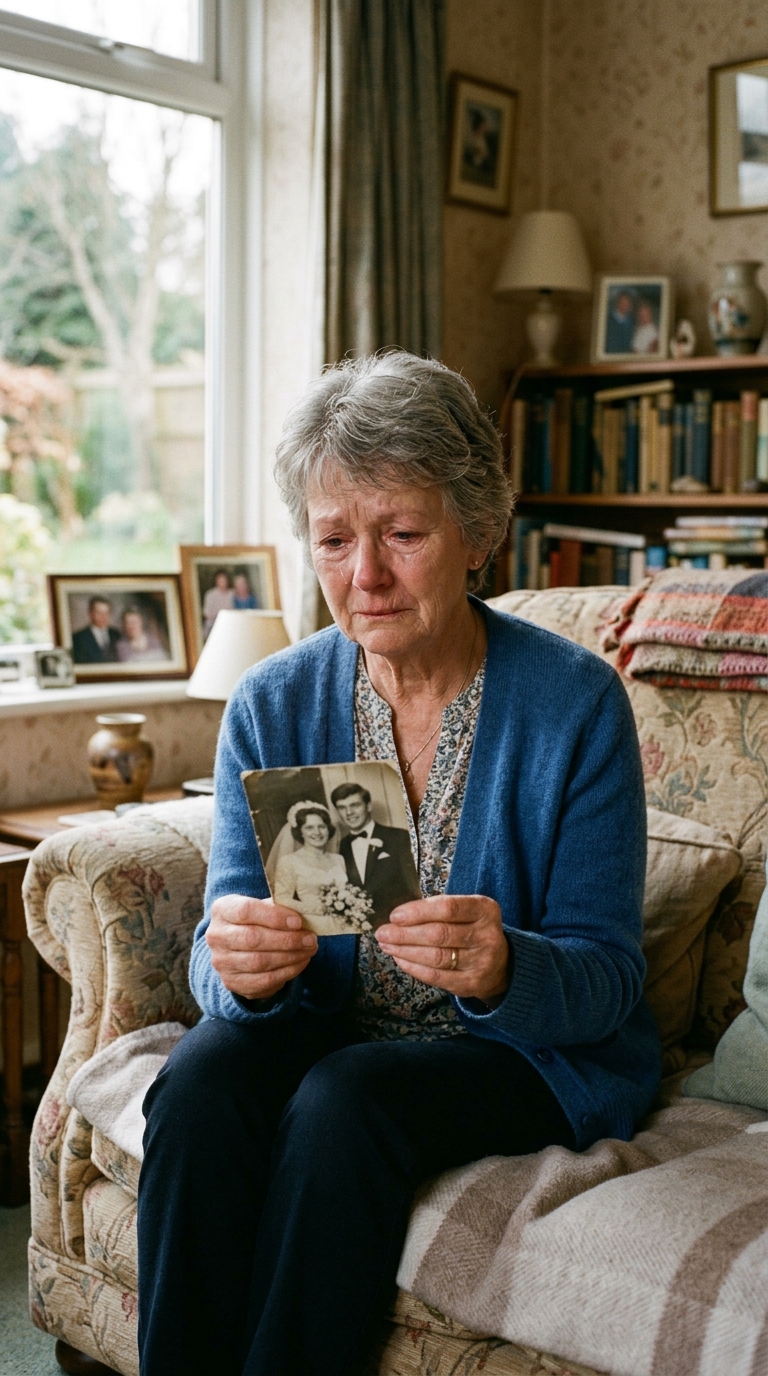
Grief is natural. Confusion is natural too. But real wisdom after loss is not only about what to do—it is also about what to avoid. Steering clear of certain mistakes can safeguard emotional well-being, financial stability, and personal dignity in this new stage of life.
Here are five decisions you should avoid.
1. Don’t make important decisions too quickly.
The first months after loss are driven by strong emotions. It is the worst time to sell a home, divide assets, relocate, or take on financial obligations.
Many people make drastic changes simply because grief makes their current environment feel unbearable. Yet what feels unbearable today may later become a place of comfort and memory.
Clarity takes time. Allowing yourself that time is not weakness—it is protection. Decisions that shape your future should come from calm, not sorrow.
2. Don’t isolate yourself or withdraw into grief.
After losing a partner, silence can feel heavy. Eating alone, long nights, and quiet mornings may create the urge to retreat completely from the world.
But prolonged isolation does not preserve love or honor memory. Instead, it deepens sadness and weakens emotional strength.
Life has not ended; it has changed form. Staying connected with others, talking, sharing coffee, and joining activities or groups helps keep emotional balance.
Honoring someone who has passed does not mean disappearing into grief, but continuing to live with intention.
3. Don’t give up control of your finances.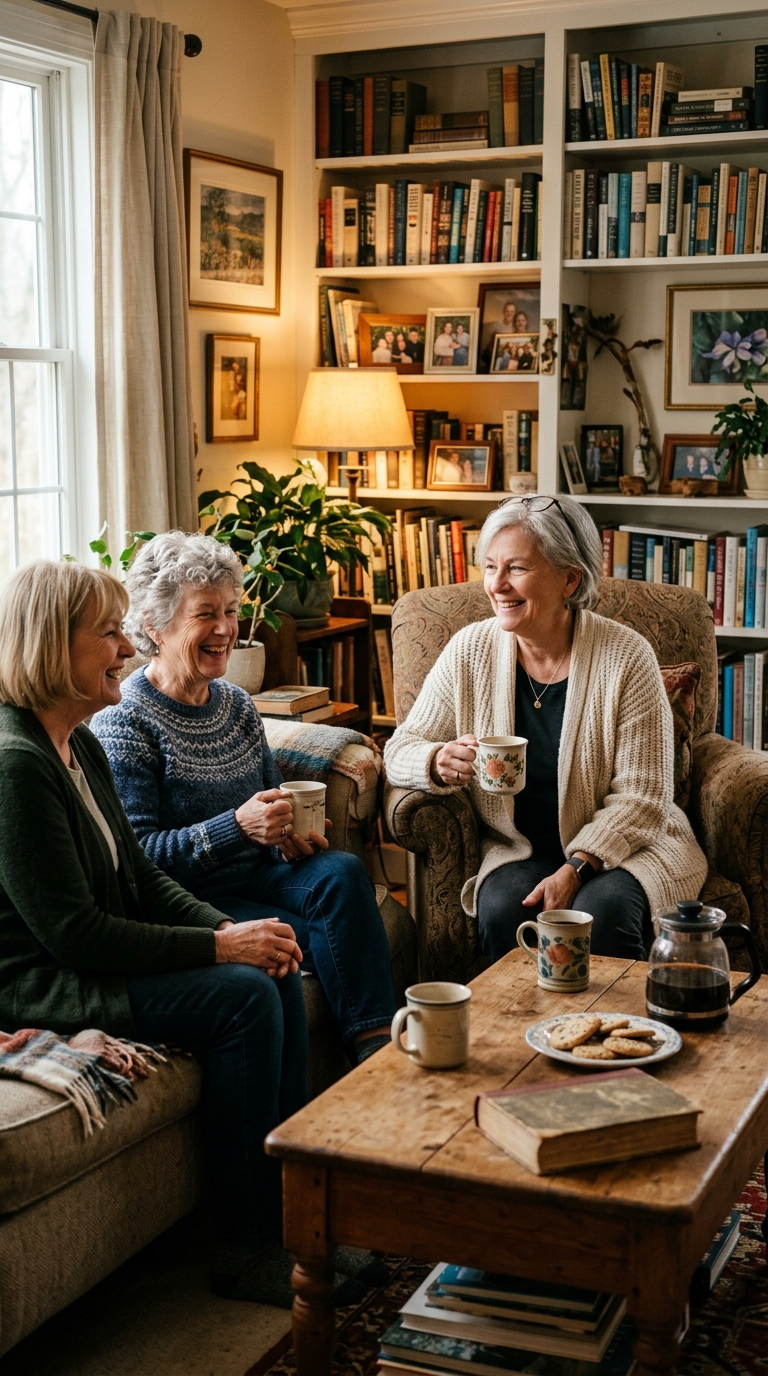
After a loss, some older adults begin relying financially on children or relatives. It may start with small gestures—someone paying bills, handling documents, or managing accounts.
But once financial independence is surrendered, personal decision-making power often follows.
Keeping control of pensions, savings, insurance, and accounts is an act of self-respect and a continuation of the life you built together.
Seeking professional guidance is wise. Surrendering full control out of fear or sadness can create complications that are difficult to reverse.
4. Don’t move too quickly into a relative’s home.
After a loss, it is common to hear, “You can’t live alone—come stay with us.” Even when well-intentioned, a quick move can mean losing privacy, independence, and personal rhythm.
At first it may feel comforting, but over time differences in habits, schedules, and space can surface. Gradually, one may begin to feel like a permanent guest rather than an equal member of the household.
Having your own space—even a small one—helps preserve autonomy, dignity, and emotional stability.
Family closeness is valuable, but so is independence.
5. Don’t neglect your health or daily routine.
Grief affects both mind and body. It can reduce appetite, disturb sleep, and drain energy. Many people begin skipping meals, moving less, or ignoring physical warning signs.
This quiet neglect can accelerate decline.
Caring for yourself is not selfish—it is a way of honoring the life and love you shared.
Maintaining simple routines, walking daily, eating balanced meals, sleeping adequately, and attending medical checkups all help restore stability.
Even small daily habits can bring structure and meaning back into life.
Tips and recommendations:
Avoid making major life decisions during the first year unless absolutely necessary.
Stay in regular contact with friends, neighbors, or close family members.
Review finances calmly and seek independent advice when needed.
Preserve personal space whenever possible.
Maintain a simple daily rhythm with set times for meals, rest, and activity.
Allow yourself to try new experiences without guilt.
Remember that seeking emotional or psychological support is a sign of strength, not weakness.
The loss of a partner transforms life, but it does not end it. Avoiding impulsive decisions, protecting independence, and caring for health are essential steps to move through grief with dignity. Living peacefully after 60 is not about forgetting—it is about learning to move forward while carrying love as inner strength.
