

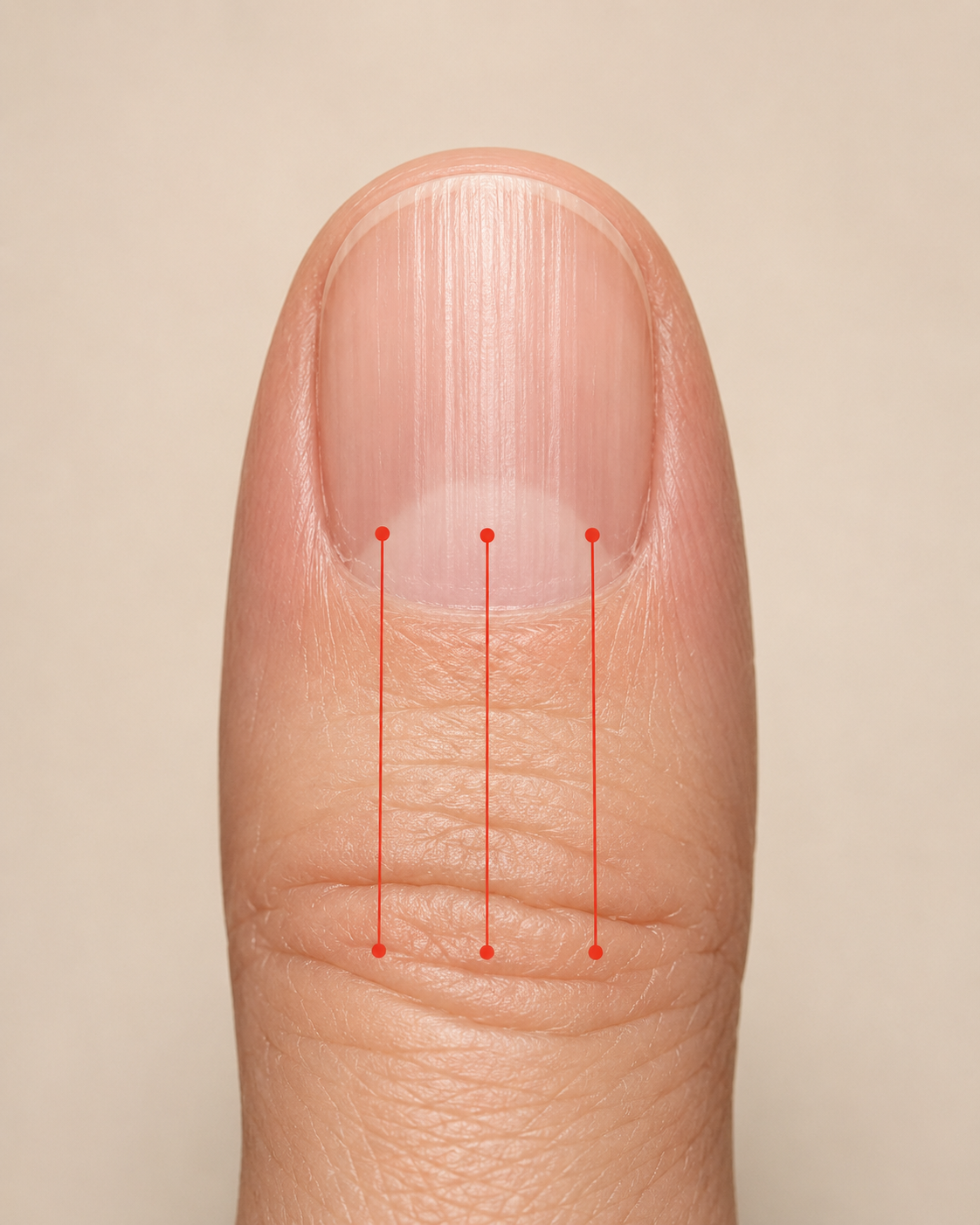
1. Why Your Nails Can Reflect Your Health
Your nails can reveal more about your health than most people realize. While ridges, brittleness, or slow nail growth are often harmless, they may sometimes point to internal health issues, including thyroid problems. The thyroid is a small gland in the neck that regulates metabolism, energy, body temperature, and many other essential functions.
2. How Thyroid Problems Affect the Body
When the thyroid produces too much or too little hormone, the body can respond in various ways. These shifts may affect your skin, hair, energy levels, weight, mood, and nails. Since nails grow from living tissue, changes in hormone balance can influence how strong, smooth, or fast-growing they become.
3. Nail Changes Linked to Hypothyroidism
Hypothyroidism, or an underactive thyroid, occurs when the thyroid does not produce enough hormone. This can slow down many body processes. People with hypothyroidism may experience dry skin, fatigue, weight gain, feeling cold, constipation, thinning hair, and muscle weakness.
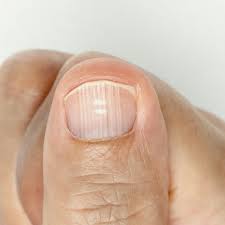
Nails may also become dry, brittle, slow-growing, or prone to splitting. Some people notice ridges forming on the nails or find that their nails break more easily than before.
4. Nail Changes Linked to Hyperthyroidism
Hyperthyroidism, or an overactive thyroid, occurs when the thyroid produces too much hormone. This can lead to symptoms such as a rapid heartbeat, anxiety, sweating, weight loss, sleep issues, and trembling hands.
In some cases, nails may become thinner, weaker, or slightly separate from the nail bed. This does not affect everyone, but nail changes can appear alongside other symptoms.
5. Do Nail Ridges Always Mean Thyroid Disease?
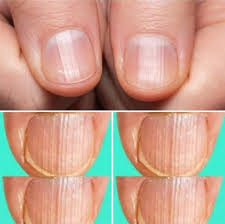
No. Nail ridges do not automatically mean you have a thyroid problem. Vertical ridges, which run from the base of the nail to the tip, often become more visible with age. They can also result from dehydration, frequent handwashing, nail trauma, harsh cleaning products, or normal daily wear.
Horizontal ridges may appear after illness, stress, injury, or any period when the body’s normal growth process was interrupted. Because there are many possible causes, nail changes should be viewed as a clue, not a diagnosis.
6. When Nail Changes May Be More Concerning
Nail changes are worth investigating if they occur along with other symptoms, such as ongoing fatigue, unexplained weight gain or loss, feeling unusually cold or hot, dry skin, hair thinning, constipation, anxiety, rapid heartbeat, or changes in menstrual cycles.
If nail problems appear suddenly, persist, or keep worsening, it is best to consult a healthcare professional.
7. How Doctors Check Thyroid Health
A doctor can usually evaluate thyroid function with a simple blood test. Common tests measure TSH and thyroid hormone levels. These results help determine whether the thyroid is underactive, overactive, or functioning normally.
You should not diagnose thyroid disease based solely on your nails. Nails can offer hints, but blood tests and proper medical evaluation are required for a clear answer.
8. Simple Ways to Support Nail Health
To protect weak or ridged nails, keep them trimmed, moisturize your hands and cuticles regularly, wear gloves when cleaning, avoid harsh nail products, and maintain a balanced diet rich in protein, iron, zinc, and vitamins.
Healthy nails often reflect overall health. If your nails change suddenly or appear with other symptoms, your body may be signaling that it’s time to pay closer attention.
