

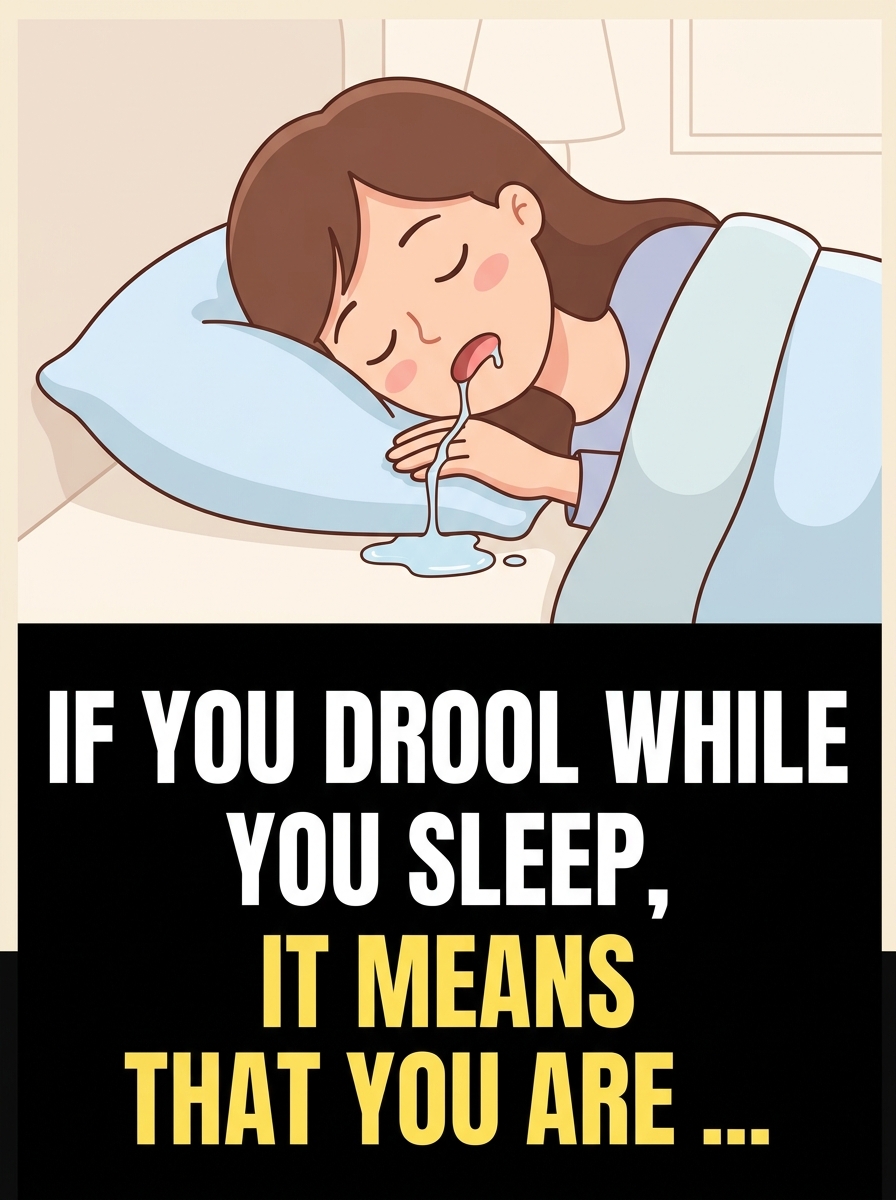
Some sleep behaviors reveal more about us than we realize. Little things we do while unconscious — like drooling, sleep-talking, stealing blankets, curling into a ball, grinding teeth, or tossing and turning — can offer glimpses into our emotional state, stress levels, and how we seek comfort.
While sleep habits aren’t a rigorous scientific personality test, psychologists have noted patterns linking how we sleep with how we process emotions and handle daily life.
Drooling While Sleeping: Deep Relaxation and Emotional Openness
Drooling during sleep typically signals that your body has reached a very deep, relaxed state (often slow-wave sleep). People who drool are frequently described as emotionally open and mentally sincere, even if they carry a lot during waking hours.
Common traits include:
- Trusting others relatively easily
- Feeling emotions intensely
- Prioritizing comfort and emotional security
- Being more affectionate than they outwardly show
- Holding onto stress quietly until they can fully unwind
Droolers often give a lot of themselves emotionally during the day. Sleep becomes the one time their body completely releases tension. Ironically, many are perfectionists or high-achievers when awake — making bedtime the only moment they truly let go of control.
Other Common Sleep Habits and What They May Reveal
Talking in Your Sleep: An Active Mind
Sleep talkers tend to have busy inner worlds that don’t fully switch off. They’re often creative, emotionally expressive, social, and prone to overthinking or mentally replaying conversations. This can increase during stressful periods as the brain processes unresolved feelings.
Sleeping Curled Up (Fetal Position): Sensitive but Protective
People who curl into a ball often appear tougher than they feel. This position is linked to emotional sensitivity, introversion, quiet anxiety, and a strong desire for comfort and safety. Once they trust someone, they tend to be deeply loyal and protective.
Blanket Hogs: Seeking Control and Security
Stealing blankets isn’t always selfishness — it can reflect a need for control, security, and physical comfort. Blanket hogs often have strong personalities, dislike feeling vulnerable, and naturally take charge in life.
Teeth Grinding (Bruxism): Hidden Tension
Grinding teeth at night is strongly tied to stress. Those who do it are frequently ambitious, self-critical, highly responsible, and emotionally restrained. Their bodies release built-up daytime pressure during sleep.
Sleeping Spread Out: Confidence and Independence
Sprawling across the bed is common among independent, optimistic, and energetic people who value freedom and are comfortable expressing themselves without worrying much about judgment.
Constantly Moving or Kicking: Restless Energy
Frequent tossing and turning often points to high ambition, anxiety, excitement, or a fast-paced lifestyle. These individuals can struggle to fully “turn off” their minds, even when exhausted.
One Foot Outside the Blanket: Balanced Independence
This quirky habit is sometimes associated with adaptable, curious people who value personal space and flexibility. They seek comfort but resist feeling trapped or overly restricted.
The Bigger Picture
Most sleep behaviors are influenced by factors like biology, room temperature, sleep quality, health conditions, and daily stress. However, they can subtly reflect emotional patterns — showing the parts of ourselves we don’t perform for the world.
Sleep is when the body drops its guard. Whether you drool, talk, curl up, or sprawl out, these habits may simply be your sleeping self expressing needs for safety, release, or freedom that you manage differently during the day.
If excessive drooling, grinding, or disruptive habits are affecting your (or your partner’s) sleep quality, it’s worth discussing with a doctor — they can sometimes signal issues like sleep apnea or high stress. Otherwise, embrace them as harmless signs that your mind and body are finally relaxing.
