

When people talk about maintaining good health, they usually focus on balanced diets, exercise routines, and stress control. Yet there is another factor that quietly shapes your wellbeing every night—your sleeping position.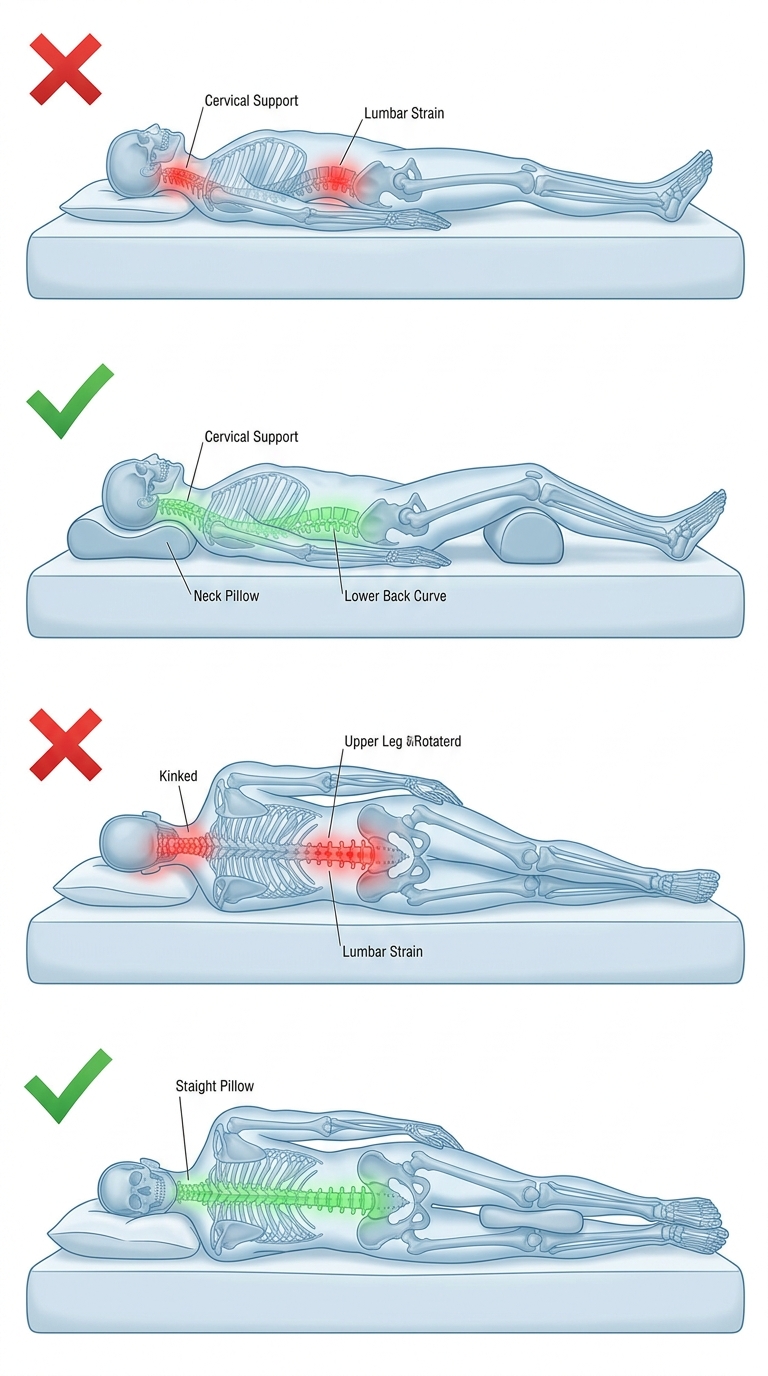
It may seem like a minor detail, but the way you position your body in bed can influence spinal alignment, digestion, breathing, and overall sleep quality.
Let’s take a closer look at why sleep posture matters and how small adjustments can noticeably improve your rest and overall health.
Why Your Sleep Position Is More Important Than You Realize
On average, humans spend almost one-third of their lives asleep. That amounts to thousands of hours with the body resting in a single posture.
Despite this, many people ignore how improper sleeping positions may contribute to long-term issues such as chronic pain, nerve compression, and poor circulation. When the body remains in an awkward position for hours, it can disrupt sleep cycles and leave you waking up stiff, tired, or sore—even after a full night in bed.
Sleeping Positions That Can Harm Your Body
Sleeping on Your Stomach
Although it may feel comfortable initially, stomach sleeping is widely considered one of the least beneficial positions.
Here’s why:
Your neck is forced to twist to one side to allow breathing
Your spine is placed in an unnatural curve
Extra pressure accumulates in the lower back
Over time, this position may contribute to neck strain, spinal misalignment, and frequent headaches. If you often wake up sore, this posture could be the cause.
Sleeping with Your Arms Raised Overhead
Some individuals sleep with their arms stretched above their head or tucked under a pillow.
This position can restrict blood flow and place pressure on nerves. If you’ve ever woken up with numbness or tingling in your arms or hands, your sleeping posture may be responsible.
Repeatedly adopting this position may also lead to shoulder discomfort or nerve irritation.
An Extremely Curled Fetal Position
Side sleeping is generally healthy, but over-tight curling can create problems.
When knees are pulled tightly toward the chest and the chin is tucked down, it may compress the spine and lungs.
Possible effects include:
Reduced ability to breathe deeply
Increased strain on the neck and lower back
Gradual loss of flexibility
A better alternative is a relaxed side position with slightly bent knees instead of tight curling.
The Healthiest Sleeping Position: Left Side
Many sleep experts consider sleeping on the left side one of the healthiest positions overall.
Reasons include:
Better digestion: Gravity supports stomach and pancreatic function
Improved circulation: Especially helpful during pregnancy or for people with high blood pressure
Reduced acid reflux: Helps prevent stomach acid from rising into the esophagus
Natural spinal alignment: Supports a healthier back posture
Easier breathing: Can improve airflow, particularly for those who snore or have sleep apnea
If this position feels unfamiliar, transition gradually and use a body pillow for support and stability.
Easy Ways to Improve Your Sleeping Posture
Even small changes can significantly improve sleep quality and how your body feels the next day.
Helpful tips include:
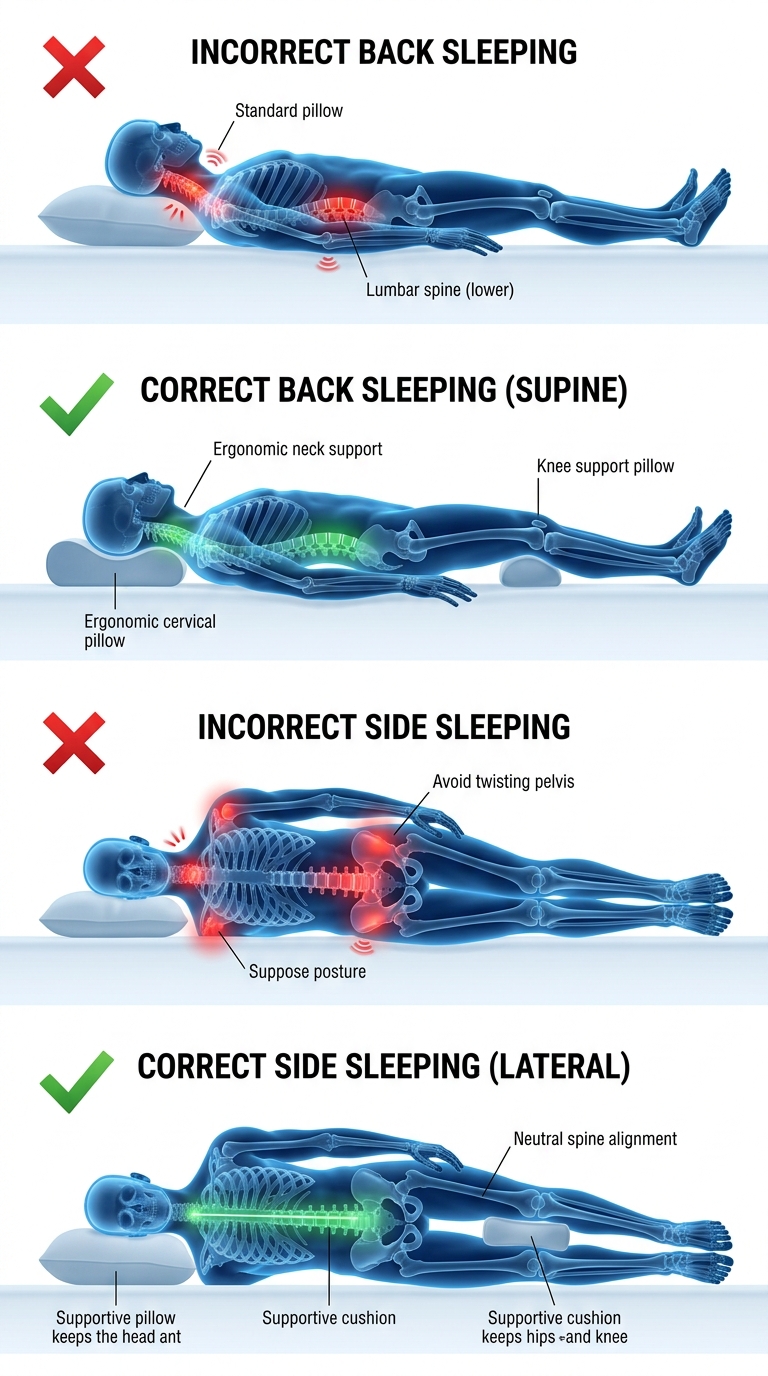
Choose a supportive pillow: Keep your head aligned with your spine, neither too high nor too low.
Support your hips: Place a pillow between your knees when side sleeping to reduce strain on hips and lower back.
Evaluate your mattress: Too soft or too firm surfaces can affect alignment; medium-firm is often best.
Limit screen use before bed: Blue light can interfere with melatonin and disrupt sleep cycles.
Create a sleep-friendly environment: A cool, dark, quiet room supports deeper rest.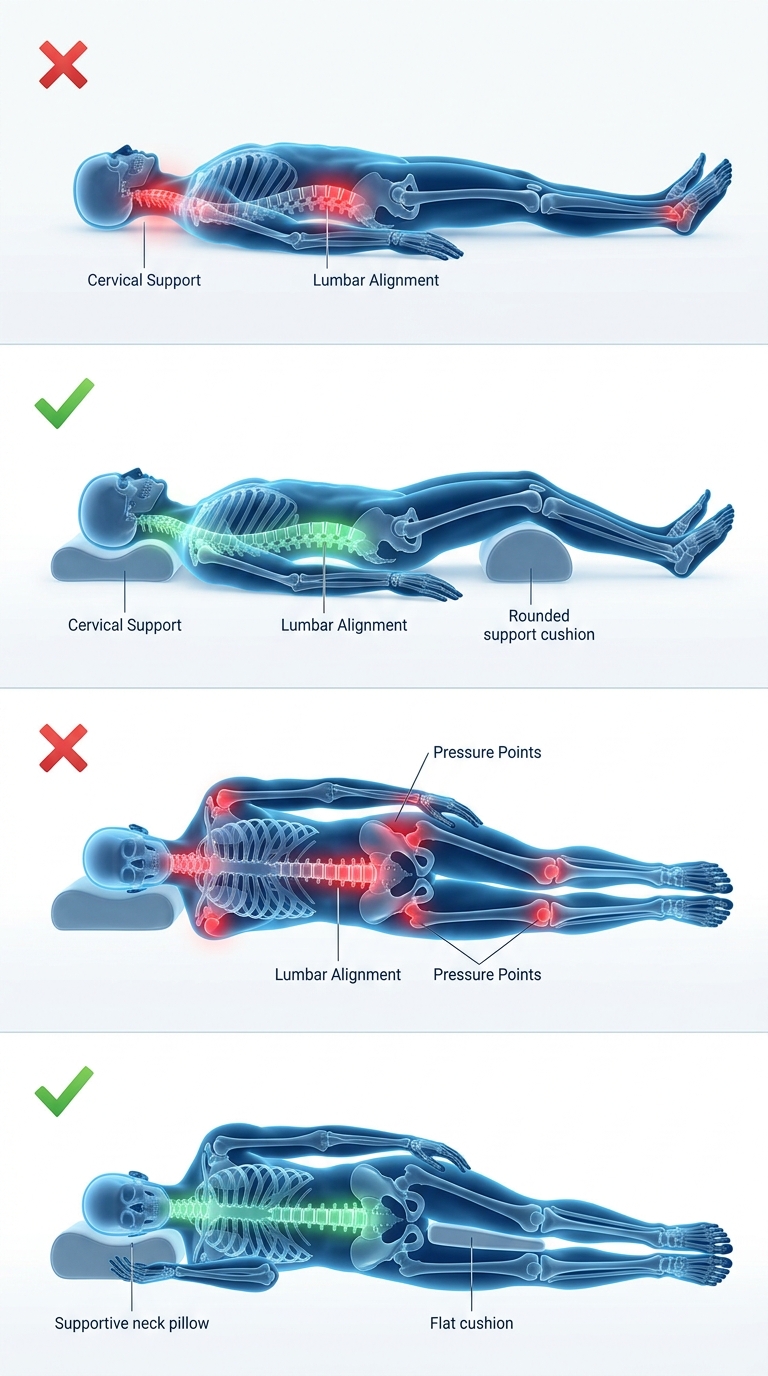
Final Thoughts: Small Changes Can Make a Big Difference
Your sleeping posture may feel like a simple habit, but it plays a meaningful role in your overall health.
Proper alignment during sleep can reduce pain, support digestion, improve breathing, and help you wake up feeling more refreshed.
So tonight, before you fall asleep, take a moment to check your posture.
Is your spine aligned? Are your joints supported?
A small adjustment in how you sleep could be the first step toward feeling better every morning.
