

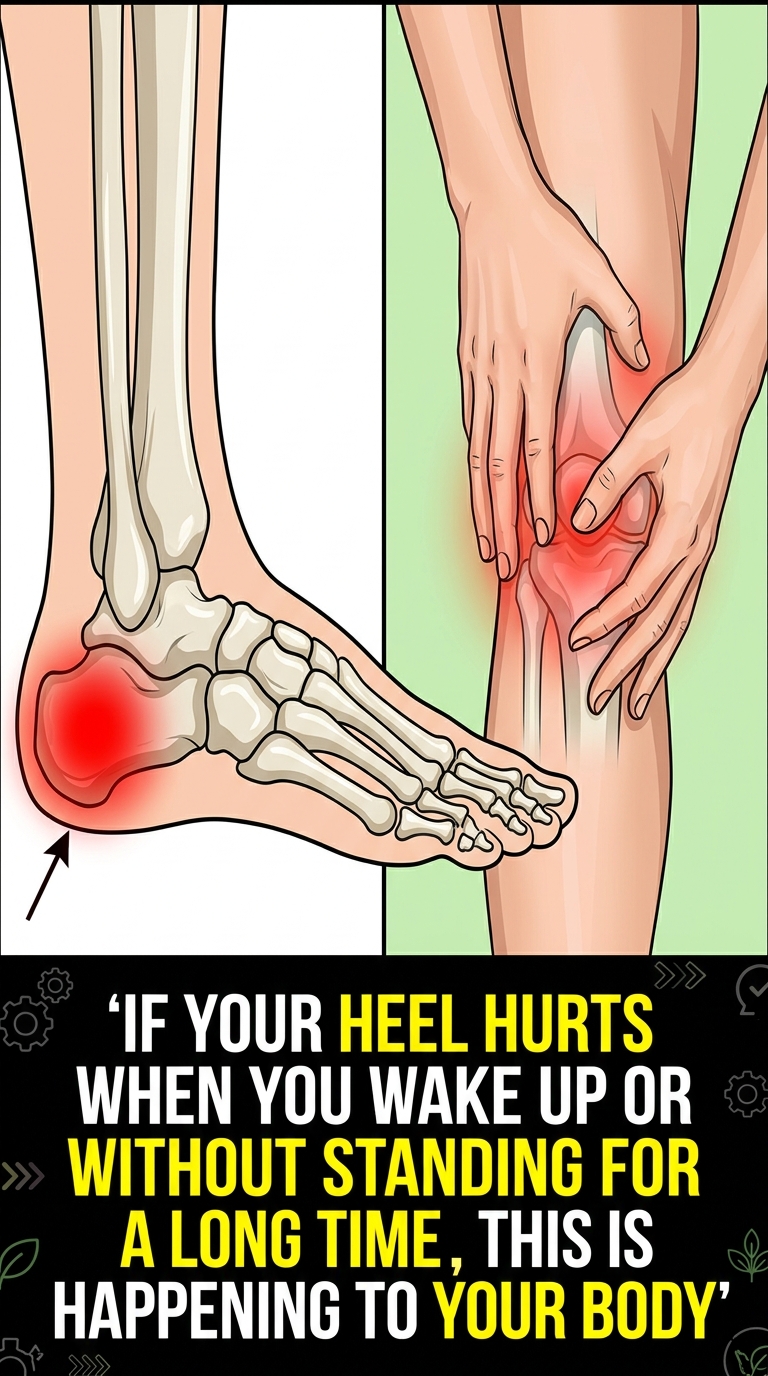
Many people know the sharp discomfort that strikes the moment they step out of bed in the morning. It’s the kind of pain that can turn a short walk across the room into an experience that feels like stepping on sharp nails. If that sounds familiar, you may be dealing with plantar fasciitis, a common condition caused by inflammation or tiny tears in the plantar fascia—the thick band of tissue that supports the arch of your foot.
The encouraging news is that you usually don’t need surgery or a cabinet full of medication to find relief. Research consistently shows that some of the most effective healing tools are literally at your feet. According to the Journal of Orthopedic & Sports Physical Therapy (JOSPT), targeted stretching and strengthening exercises play a crucial role in recovery.
Studies have even shown that a simple stretching routine can lead to significant improvement in more than half of sufferers within just a few weeks, according to findings published through ResearchGate. When stretching is combined with strengthening exercises, it creates a stronger support system for the foot, helping reduce tension and restore mobility.
If you’re tired of dealing with persistent discomfort, these seven research-backed exercises may help you start moving toward recovery.
THE SEATED PLANTAR FASCIA STRETCH (THE “GOLD STANDARD”)
If you only have time to perform a single stretch, this is the one to choose. Unlike more general stretching routines, it focuses directly on the area where plantar fasciitis pain typically begins. Clinical findings cited by the American Academy of Family Physicians suggest that this technique is often more beneficial for chronic plantar fasciitis than traditional calf stretches.
How to do it: Sit comfortably and cross the affected leg over the opposite knee. Grasp your toes and gently pull them back toward your shin.
Goal: Maintain the stretch for 20–30 seconds.
Quick tip: Performing this stretch before getting out of bed can help loosen the tissue and reduce discomfort during your first steps of the day.
THE WALL-SUPPORTED CALF STRETCH
The body functions as a connected system, and tight calf muscles are often a hidden contributor to heel pain. When the calves become stiff, they place additional tension on the Achilles tendon, which then increases stress on the heel.
How to do it: Stand facing a wall and place your hands against it at about eye level. Position one leg behind you while keeping that knee straight. Bend the front knee and lean your body forward until you feel a stretch along the back of the rear leg.
Goal: Hold the stretch for 30 seconds each time.
Why it works: Reducing tightness in the calf muscles decreases the mechanical load placed on the plantar fascia, as noted by the Foot & Ankle Centers.
TOWEL CURLS (THE ARCH STRENGTHENER)
This exercise may look simple, but it is highly effective for activating the intrinsic foot muscles—the small muscles inside the foot that help keep the arch from collapsing.
How to do it: Sit in a chair and place a thin towel on a smooth floor. Using only your toes, pull or “scrunch” the towel toward you. Once the towel is gathered, spread it back out and repeat the movement.
Why it matters: Strengthening these small muscles creates a natural support system for the foot and helps reduce the workload placed on the plantar fascia.
CONTROLLED HEEL RAISES
Building strength is one of the best ways to prevent future discomfort. Heel raises target both the calf muscles and the arch-supporting structures, helping distribute body weight more effectively.
How to do it: Stand with your feet about shoulder-width apart. Slowly rise onto your toes, pause for two seconds at the top, and then lower yourself back down in a controlled manner.
Goal: Complete 2–3 sets of 10–15 repetitions.
Scientific proof: Research published through PMC indicates that strengthening key muscle groups to improve load distribution plays an important role in reducing pain during walking.
MARBLE PICKUPS
Similar to towel curls, marble pickups help improve foot coordination and strength. The objective is to encourage active movement of the foot rather than allowing it to remain passive.
How to do it: Scatter several marbles—or other small objects such as pens—across the floor. Pick them up one at a time using your toes and place them into a container.
Effect: Many modern rehabilitation programs incorporate “foot core” exercises to address muscle imbalances that may contribute to inflammation and discomfort.
ROLLING MASSAGE (ACTIVE RELEASE)
Although this technique is not technically an exercise, it is an important part of many plantar fasciitis recovery programs. Think of it as a way of loosening and working out tension within the foundation of your foot.
How to do it: Sit comfortably and place a tennis ball, lacrosse ball, or frozen water bottle beneath your foot. Slowly roll it from the heel to the base of the toes.
The advantage: This technique promotes circulation in the area and can provide temporary neurological pain relief, making subsequent stretching exercises more comfortable and effective.
THE SHORT FOOT EXERCISE
This movement is often described as the foot’s version of a plank. While it appears simple, it is extremely effective at activating the muscles responsible for supporting the arch.
How to do it: Place your foot flat on the floor. Without curling your toes, gently draw the ball of your foot toward your heel. As you do this, the foot shortens slightly and the arch lifts.
Goal: Hold the lifted arch position for 5 seconds before relaxing.
Purpose: This exercise strengthens the structural support of the foot and helps prevent arch collapse, which is commonly associated with plantar fasciitis pain.
WHY THESE EXERCISES WORK
Although the ending “-itis” suggests inflammation, more recent sports medicine findings indicate that chronic heel pain is often better described as plantar fasciosis because it involves tissue degeneration and mechanical stress rather than inflammation alone.
Your foot functions like a remarkable piece of architecture, with the plantar fascia acting much like the tension cable of a bow. When supporting muscles are weak or surrounding tissues become excessively tight, that structure is exposed to increased strain.
A growing body of research suggests that treating symptoms alone without correcting the underlying mechanics is similar to removing water from a leaking boat without repairing the leak itself.
Stretching (the “release”): Tightness in both the calf muscles and plantar fascia increases tension throughout the foot. Stretching helps reduce this tension while also encouraging the nervous system to relax.
Strengthening (the “shield”): Exercises involving higher loads—such as heel raises performed with a towel beneath the toes—help the body tolerate greater stress. Over time, this stimulates tissue adaptation and strengthening through a process known as mechanotransduction.
Your Road to Recovery
Recovery rarely happens in a perfectly straight line, but research shows that it generally follows a predictable pattern. Most evidence-based rehabilitation programs indicate that meaningful structural improvements typically take between 4 and 8 weeks to develop. Think of it the same way you would prepare for a 5K race—you can’t force the body to adapt overnight.
Stretching (2–3 times daily): This primarily helps reduce the painful “first-step” sensation. Stretching your calves and toes before getting out of bed can lower the likelihood of tiny tears that occur when cold, stiff tissue is suddenly placed under load.
Strength Training (1–2 times daily): This approach relies on progressive overload. Begin slowly and increase intensity gradually. The objective is to activate and strengthen the muscles without causing a flare-up that lingers into the following day.
CONCLUSION
Heel pain affects more than just your feet—it can become mentally draining as well, making something as simple as a stroll through the park feel like a challenge. It’s understandable to feel frustrated when temporary solutions such as costly shoe inserts or ice treatments provide only short-lived relief.
By committing to a consistent routine of stretching and strengthening, you’re doing more than masking the discomfort—you’re addressing the underlying cause. Give your feet the patience they deserve; they’ve supported you through countless miles already. With a steady, research-informed approach, you’re not only working toward recovery, but also helping reduce the chances of the pain returning in the future.
