

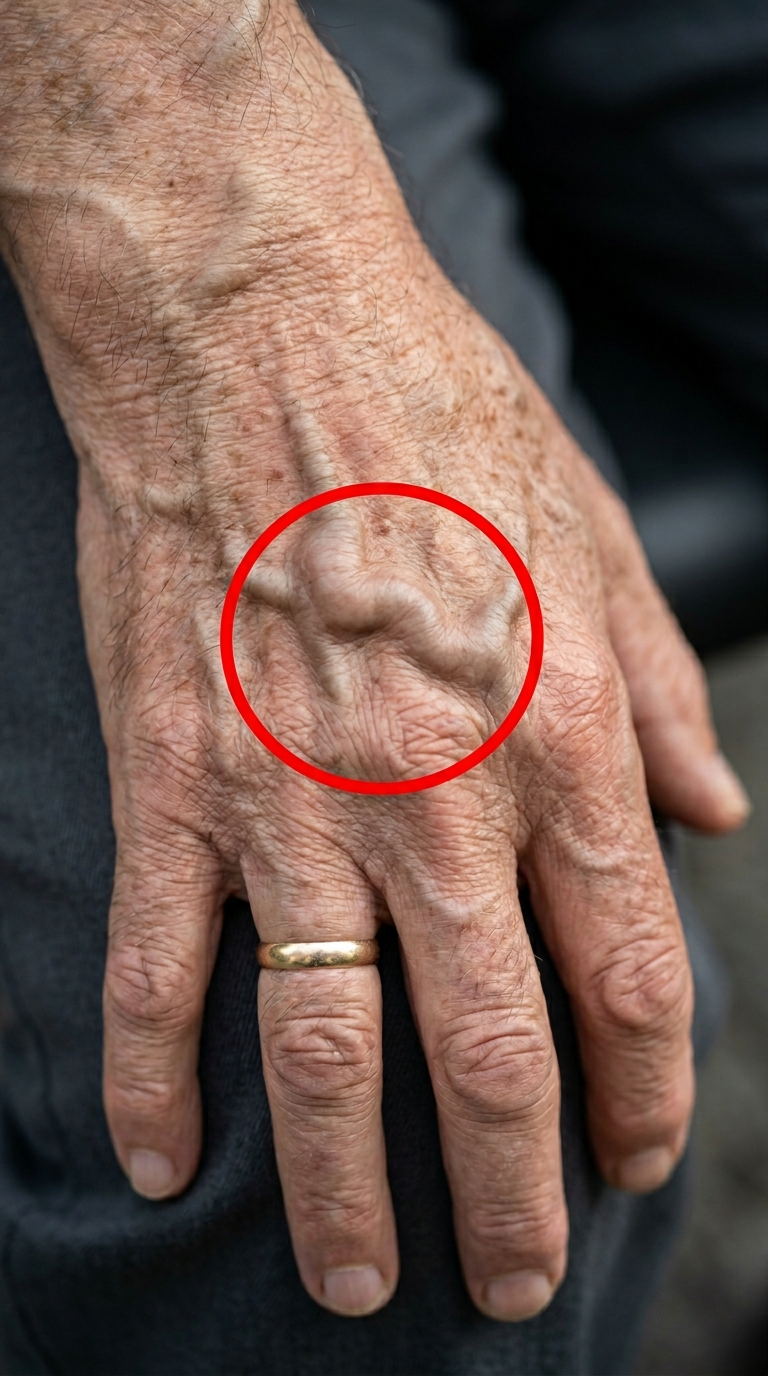
Veins that suddenly become more visible or swollen are not always a sign of a serious health problem. In many situations, they simply reflect normal body changes. Still, knowing the possible reasons behind prominent veins can help you recognize when it may be important to consult a medical professional.
Why Do Veins Become More Noticeable?
A variety of common factors can cause veins to appear more visible, such as:
• Intense exercise or physical activity that boosts blood circulation
• Aging, which causes the skin to thin and lose firmness
• Hot temperatures that expand blood vessels
• Tight clothing that affects healthy blood flow
• Genetics and naturally delicate or thin skin
• Extra body weight increasing pressure on veins
• Frequent sun exposure that damages skin elasticity
In many of these cases, visible veins are temporary and generally harmless.
When Veins May Signal a Health Issue
Veins carry blood back toward the heart. When vein walls weaken or the internal valves stop functioning properly, blood may pool instead of circulating effectively. This can result in enlarged, twisted veins known as varicose veins. They most commonly appear in the legs, though they may also develop in the arms or elsewhere.
More prominent veins may sometimes be associated with medical conditions, including:
• Phlebitis, which causes vein inflammation, pain, and swelling
• Chronic venous insufficiency, often linked to heaviness or aching in the legs
• Deep vein thrombosis, a potentially dangerous condition involving blood clots
• In uncommon cases, vascular changes connected to liver disease or other organ disorders
Other Symptoms That Should Not Be Ignored
Visible veins accompanied by additional symptoms may indicate an underlying issue. Warning signs can include:
• Ongoing or unexplained swelling
• Skin that feels warm, sore, or sensitive around the vein
• Redness or discoloration spreading near the area
• Newly visible vein patterns across the chest or abdomen
If several of these symptoms appear together, it is important to seek medical advice.
When to Speak With a Doctor
You may want to contact a healthcare provider if:
• Veins suddenly become prominent without a clear reason
• You experience repeated pain, throbbing, or cramping
• The surrounding skin changes color or texture
• You have a personal history of circulation issues or blood clots
• You simply want reassurance or a professional evaluation
A medical specialist can help determine whether the changes are harmless, related to lifestyle factors, or signs of a condition requiring treatment.
Final Thoughts
Visible veins are often a natural response to aging, exercise, heat, or inherited traits and do not automatically indicate disease. However, sudden changes, discomfort, or additional symptoms should not be overlooked. Paying close attention to your body can help protect your vascular health and identify potential problems before they become more serious.
