

CHOOSING FRUIT WITH A LITTLE MORE WISDOM AND A LITTLE LESS GUESSWORK
Few common grocery store frustrations are as familiar as getting home with a piece of fruit that looked flawless on the shelf, only to find it bland, dry, or missing the flavor you expected.
Fresh produce has always involved a certain level of uncertainty. Weather patterns, growing conditions, harvest timing, transportation, and storage all influence quality long before fruit reaches your cart. No method can guarantee perfection every time.Produce
Even so, learning to observe a few simple details can help you make more informed choices, cut down on waste, and better appreciate the quiet skill involved in selecting good produce. Watermelon requires patience because much of what matters is hidden beneath the rind.Fruits & Vegetables
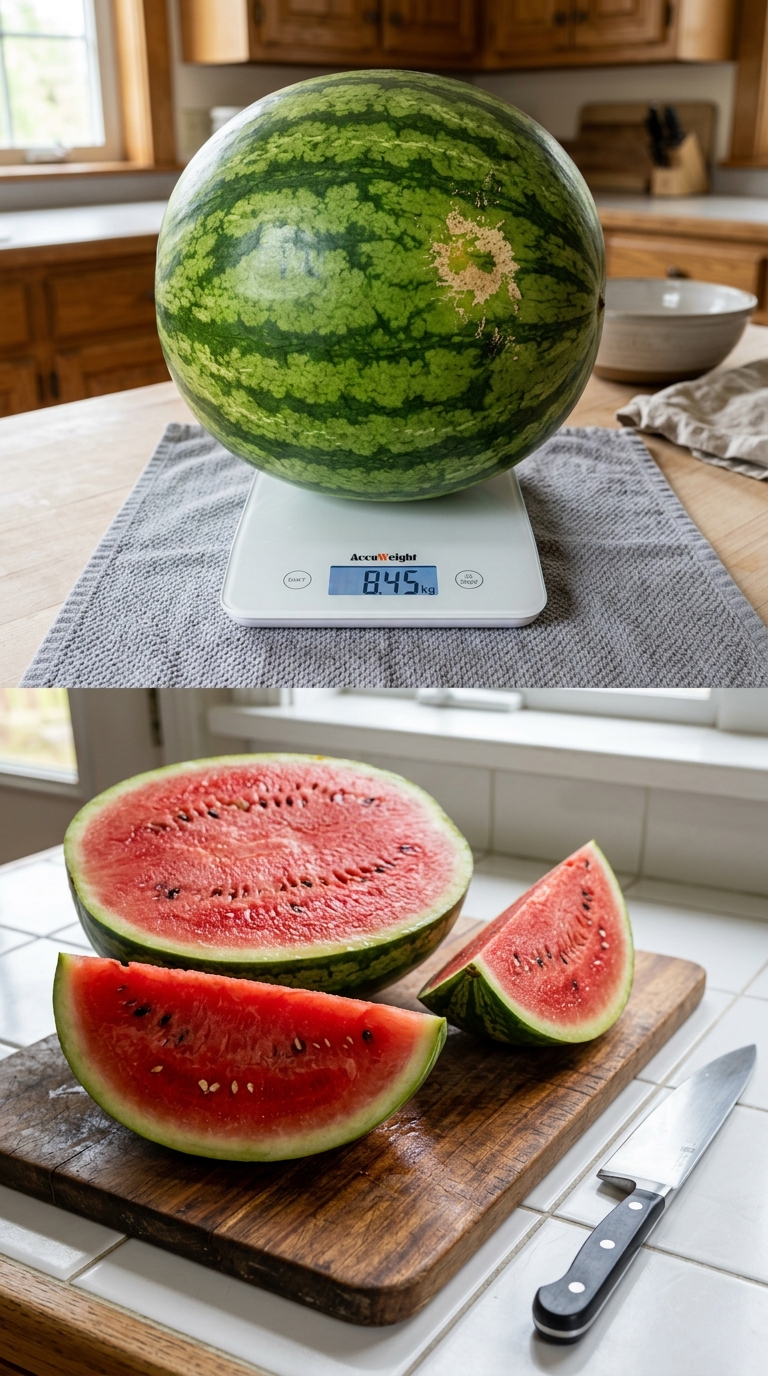
One detail experienced shoppers often look for is the field spot—the area where the melon rested on the ground while growing. A creamy yellow or golden field spot may indicate the fruit was allowed to ripen longer on the vine. A very pale or nearly white spot can sometimes suggest it was picked earlier.
Another feature people often notice is the rough, brown web-like markings. While not visually appealing, many growers and shoppers associate these marks with active pollination during the growing season. Although not a guaranteed indicator of sweetness, they are often considered a positive sign.
Shape is another clue some buyers take into account. Rounder melons are sometimes believed to be sweeter, while elongated ones are often thought to contain more water. Opinions vary, and nature rarely follows strict patterns, but shape can still be one part of the overall picture.
The stem may also provide a hint. A dry, brown stem can suggest the fruit stayed on the vine closer to full maturity, while a green stem may indicate earlier harvesting. Since watermelons change very little after being picked, signs of vine ripeness are especially worth noting.
CHOOSING PINEAPPLE WITH PATIENCE
Pineapple often demonstrates a simple truth: appearance can be misleading.
Color alone rarely reveals the full story. Some pineapples with green areas can still be sweet and enjoyable, while fully golden fruit is not always at its peak.
One common method is gently pulling a center leaf from the crown. If it comes out with slight resistance, many shoppers see that as a good sign. If it slips out too easily, the fruit may be overripe. If it does not move at all, it may need more time.
Firmness is also important. A good pineapple should feel solid and heavy for its size, with only slight give. Excess softness may indicate spoilage, while extreme hardness can suggest it is not yet ripe.
Perhaps the most reliable indicator is smell. The base of a ripe pineapple often gives off a mild, pleasant sweetness. Little or no aroma may suggest it is not ready, while a strong fermented smell can indicate it is past its best stage.
Sometimes the nose detects what the eyes cannot.
WHAT CANTALOUPE CAN TEACH ABOUT OBSERVATION
Cantaloupe provides several helpful clues for those willing to slow down and pay attention.Cantaloupe
Start by examining the rind. Deep bruising, cracks, mold, or soft spots may signal declining quality. A good melon should feel firm and intact. Color can also help: large green areas often suggest the fruit was harvested before full maturity. Many shoppers prefer a warmer tan or beige tone across most of the rind.Fruits & Vegetables
Weight is another simple indicator. When comparing melons of similar size, the heavier one often contains more juice and may deliver a juicier texture. Weight alone is not decisive, but it contributes to the overall evaluation.
The blossom end—the side opposite the stem—can also be gently pressed. Slight softness may indicate ripeness. A completely hard surface may suggest it needs more time. Excess softness, however, can point to overripeness. And once again, scent plays an important role. A ripe cantaloupe often carries a gentle, natural sweetness that can be noticed without much effort. No scent may suggest it is not yet ready. An overly strong smell can indicate the fruit is past its ideal stage.
THE VALUE OF PAYING ATTENTION
There is no hidden formula for selecting perfect fruit.
Nature consistently resists certainty. A watermelon showing all the “correct” signs may still fall short. A pineapple that appears unremarkable may surprise you with excellent quality.
Perfection is not the objective.
The aim is simply to become a more observant shopper—someone who pays attention to weight, texture, scent, color, and ripeness cues instead of relying on appearance alone. A few extra moments in the produce section may not guarantee the sweetest fruit every time. Still, they often improve your chances, help reduce waste, and deepen appreciation for the long journey food takes before reaching our tables.Produce
Sometimes, wisdom is built through small habits. Choosing fruit is one of them.
