


By sunrise, the house had fallen silent.
Not peaceful.
Silent.
Those are two very different things.
Peace is the scent of coffee drifting from the kitchen while morning light spills across the curtains. Peace is the familiar creak of old floorboards beneath your slippers after spending decades in the same home. Peace is remembering your wife humming softly while watering herbs on the porch.
This silence was something else.
It was the kind that settles in after people have taken too much from you and still believe they will never face consequences.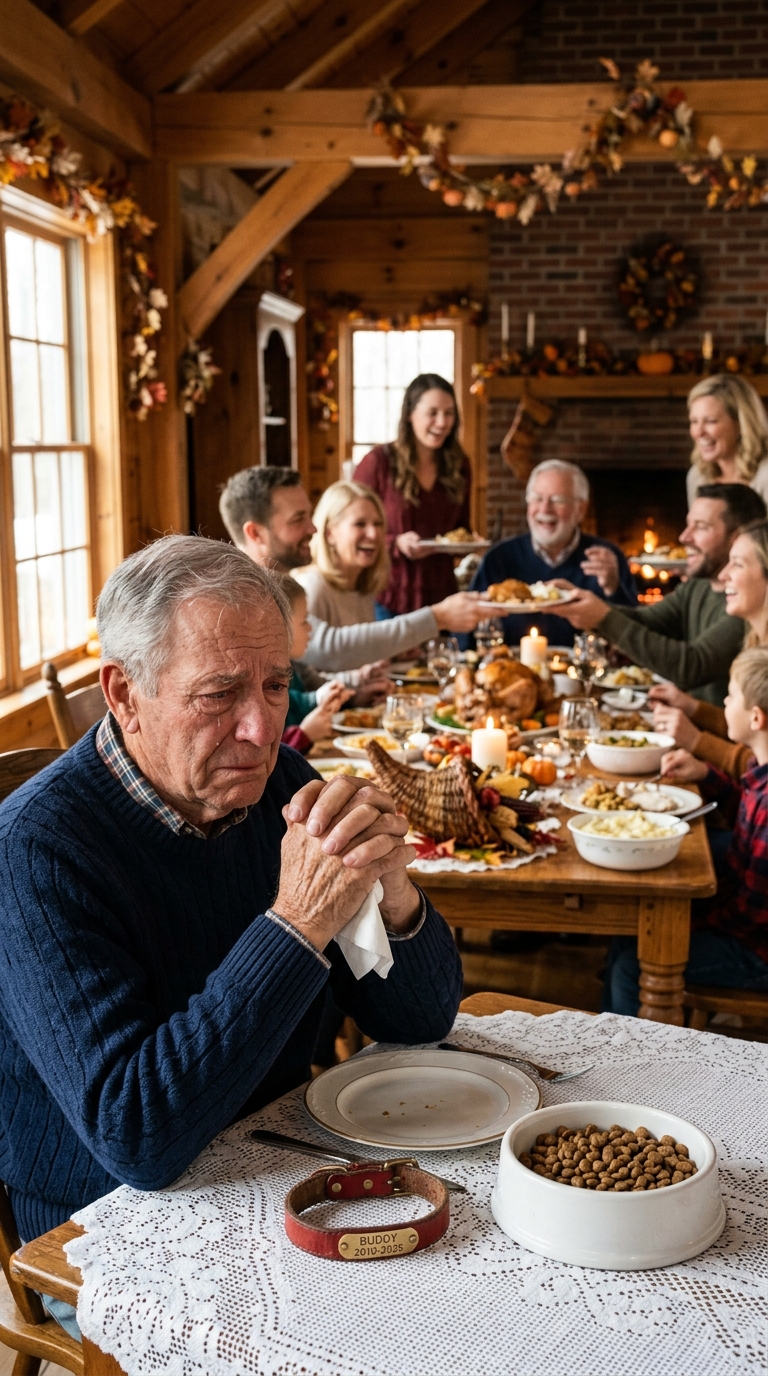
I remained at my desk until the sky outside my bedroom window faded into a pale gray-blue. My laptop sat open. My reading glasses rested low on my nose. Beside me was a yellow legal pad covered in calculations.
I totaled everything three times.
Then four.
Then five.
Not because the numbers were wrong.
Because I didn’t want them to be real.
Over four years, Brian and Melissa had drained $191,360 from me.
Groceries. Utility bills. Auto repairs. Insurance payments. Cash withdrawals. Clothing. “Emergency” medical expenses that somehow turned into salon visits and designer handbags. Streaming subscriptions. A gym membership Brian never attended. A Tampa vacation they proudly claimed they funded themselves.
But that wasn’t the number that froze my blood.
The figure that changed everything was $39,700.
A payment connected to Melissa.
A business filing.
A deposit.
A charge paid to a company named Silver Path Senior Transition Services.
At first, I assumed it was fraud. Then I looked deeper. I discovered an email receipt in an old account Brian had once logged into on my laptop and forgotten to sign out of.
Subject line:
Preliminary Intake Package — Walter Bennett
My name.
Not Brian’s.
Not Melissa’s.
Mine.
I opened the attachment.
The first page was a glossy brochure for a private assisted-living placement agency.
The second page was a contract.
The third page knocked the breath out of me.
Melissa had completed an intake form about me.
Medical needs: declining memory, confusion, increased dependency.
Behavioral concerns: stubbornness, paranoia, emotional instability.
Financial decision-maker: Brian Bennett, son.
Preferred transition date: within sixty days.
I read that final line again.
Within sixty days.
They were preparing to remove me from my own home.
Not someday.
Soon.
I clicked through the remaining files with the cold focus of a man who had spent forty years uncovering lies buried inside numbers. There were consultant notes. Copies of utility bills. A scan of my driver’s license.
And a draft power-of-attorney document.
It carried my signature.
Except it wasn’t my signature.
It looked traced from an old check.
For a long moment, I sat completely motionless.
Then I looked at Helen’s photograph sitting on my desk.
She stood in our backyard in 1989 holding a bowl of peaches, laughing at something beyond the frame. Her hair blew across her face. Behind her, the house was only half-painted because back then we could only afford to finish one side at a time.
“We did not survive all of that,” I whispered, “just so they could throw me away like broken furniture.”
Downstairs, a door opened.
Melissa laughed quietly.
Brian groaned.
Someone was awake.
I closed every file, copied everything onto two flash drives, and hid one inside the hollow base of Helen’s jewelry box. The second went into my jacket pocket.
Then I showered, shaved, and dressed in my best charcoal suit.
The same suit I wore to Helen’s funeral.
At seventy, a man understands that some clothes are not meant for celebration.
Some clothes are armor.
When I came downstairs, the dining room looked like the aftermath of a crime scene made of birthday cake, dirty dishes, and spilled wine.
Glasses sat abandoned across the sideboard. Chicken bones rested on stained napkins. Rice had been crushed into the rug Helen spent months saving to buy. Empty beer bottles lined the windowsill.
Near the front door, Max’s old dog bowl still rested on the floor.
The dry food inside had swollen overnight from spilled beer.
I picked it up, carried it to the trash, and washed my hands. Melissa wandered into the kitchen wearing one of Helen’s old robes.
I froze.
It was pale lavender cotton with tiny embroidered flowers stitched at the cuffs. Helen wore it every Sunday morning. After she passed, I folded it carefully and placed it inside the cedar chest at the foot of my bed.
Melissa leaned against the counter and yawned.
“Morning, Mr. Bennett. You’re dressed up. Going somewhere?”
I stared at the robe.
“Take that off.”
She blinked. “Excuse me?”
“That belonged to my wife.”
Melissa glanced down and smirked. “It was just sitting in that dusty old chest. I figured nobody was using it.”
Nobody.
The word sliced through me.
Before I could answer, Brian shuffled into the kitchen barefoot, hair disheveled, still wearing yesterday’s wrinkled shirt.
“What’s with the suit?” he asked.
“I have appointments.”
He opened the refrigerator. “Can you make coffee?”
I looked at my son.
He didn’t appear ashamed. He didn’t appear sorry. He didn’t even seem aware anything terrible had happened.
That told me more than the dog bowl ever could.
“No,” I said.
Brian turned slowly. “No?”
“No.”
Melissa laughed softly. “Wow. Still upset about the joke?”
I placed both palms flat against the counter.
“It was not a joke.”
Brian rolled his eyes. “Dad, don’t start. It was your birthday. Everybody was laughing.”
“At me.”
“You’re always so dramatic.”
“Am I?”
He sighed like I was exhausting him.
Then his phone buzzed.
Melissa’s buzzed seconds later.
Brian checked his screen first. His expression changed instantly.
“Why was my card declined?”
Melissa grabbed her phone. “Mine too.”
Both of them looked at me.
I said nothing.
Brian’s jaw tightened. “Dad.”
“Yes?”
“What did you do?”
“I canceled the cards.”
Melissa straightened. “You can’t do that.”
“They were my cards.”
“We had an arrangement.”
“No,” I said. “You had access. Access is not an arrangement.”
Brian stepped closer. “Turn them back on.”
“No.”
His voice dropped lower. “Don’t play games with me this morning.”
I nearly smiled.
Not because it was amusing.
Because for the first time in years, his anger no longer frightened me. It exposed him.
“I’m not playing games,” I said. “I’m ending them.”
Melissa’s eyes sharpened. She was always quicker than Brian. He reacted with rage. She reacted with strategy.
“Mr. Bennett,” she said gently, “last night got out of hand. Everyone had been drinking. Nobody meant to hurt you.”
“Take off my wife’s robe.”
The softness disappeared from her face.
Brian slammed his hand onto the counter. “Enough about the robe.”
“No,” I said quietly. “Enough about you.”
He stared at me.
“I want everyone out of my house by six tonight.”
Melissa laughed once. “That’s illegal.”
“No, it isn’t. You are not tenants. You’ve never paid rent. There’s no lease. You live here because I allowed it.”
Brian pointed at me. “You would not throw your own son out.”
“Last night, you placed dog food in front of your father at his birthday dinner.”
His mouth opened.
Nothing came out.
“So let’s stop pretending blood alone excuses cruelty.”
Melissa crossed her arms. “You’re confused. This is exactly what we were worried about.”
There it was.
The first move.
The trap beginning to close.
I turned toward her.
“What were you worried about, Melissa?”
She looked at Brian.
Brian looked away.
I pulled the folded intake form from my jacket pocket and placed it on the counter between us.
Neither touched it.
But both recognized it instantly.
I saw the flash of recognition cross Melissa’s face before she hid it.
“You went through my private documents?” she asked.
“They had my name on them.”
Brian went pale.
“Dad, listen—”
“No. You listen.”
I tapped the paper.
“Declining memory. Confusion. Emotional instability. Preferred transition date within sixty days.”
Melissa lifted her chin. “We were trying to help you.”
“By forging my signature on a power-of-attorney document?”
Brian whispered, “Melissa.”
She shot him a warning glance.
I turned to my son. “You knew.”
His eyes filled with panic. “It wasn’t like that.”
“Then explain what it was like.”
He rubbed both hands across his face. “You’re getting older. This house is too much for you.”
“I pay every bill.”
“You forget things.”
“I forgot nothing.”
“You left the stove on.”
“Once. Three years ago. The day Helen’s sister died while I was making soup after the funeral.”
Melissa stepped closer. “Mr. Bennett, denial is common at your age.”
I stared at her for a long moment.
Then I said, “Take off the robe.”
She didn’t move.
I walked past them, opened the front door, and stepped onto the porch.
Across the street, Mrs. Romero was watering her roses. She looked up and waved. I waved back.
Then I called my attorney.
His name was Samuel Whitaker. He handled Helen’s estate after she died. He was eighty-one, sharp as broken glass, and had known me long enough not to waste time pretending.
“Walter,” he said when he answered. “It’s early.”
“I need unauthorized occupants removed from my home. I also need to report attempted financial exploitation, identity theft, and forgery.”
There was silence.
When he spoke again, his voice had changed.
“Are you safe?”
I glanced back through the open doorway.
Brian stood in the kitchen staring at me like a child caught stealing.
Melissa was already on her phone.
“For now,” I said.
“I’ll be there in thirty minutes. Call the police non-emergency line. Don’t argue with them alone.”
“I have evidence.”
“I assumed you would.”
That almost made me smile.
After hanging up, I called the police.
Then my bank.
Then my niece Rachel Bennett.
Rachel was Helen’s brother’s daughter. She was forty-eight, a nurse, and one of the only people who still visited me without needing money, favors, or a place to stay. Brian hated her because she saw straight through him.
She answered on the second ring.
“Uncle Walter?”
“I need you.”
She heard something in my voice and asked no unnecessary questions.
“I’m on my way.”
Inside the house, shouting erupted.
Melissa was yelling at Brian.
“You said he never checked anything.”
“I didn’t think he would.”
“He was an accountant, you idiot.”
I stood on the porch listening.
For the first time, their masks slipped because they thought I couldn’t hear.
By ten o’clock, my home had more witnesses than my birthday dinner.
Two police officers stood in the foyer. Samuel sat at the dining room table with his leather briefcase open. Rachel stood beside me with one hand on my shoulder, furious in the calm, controlled way only nurses and mothers can be furious.
Melissa had finally removed Helen’s robe after Rachel looked at her and said, “Take it off before I take it off for you.”
Brian paced beside the fireplace.
“This is insane,” he said. “He’s my father. This is a family matter.”
Samuel never looked up from his paperwork.
“Forgery is not a family matter.”
Melissa sat on the sofa with her legs crossed, trying to appear calm.
“You’re making assumptions from documents you don’t understand.”
Samuel glanced over his glasses.
“Ms. Parker, I’ve practiced elder law for fifty years. I understand them perfectly.”
One officer asked me to explain everything that happened.
So I did.
Not emotionally.
Not dramatically.
Like a ledger.
I explained who lived in the home. Who paid the bills. What happened at dinner. Which cards I canceled. Which documents I found.
When I mentioned the dog food, one officer looked at Brian with visible disgust before catching himself.
Brian noticed.
His face turned red.
“It was a joke,” he snapped.
Rachel turned toward him.
“Would you have laughed if your mother were alive?”
That silenced him.
For one brief second, I saw the boy he once was. The child who cried when Max died. The boy Helen rocked through fevers. The kid who once handed me a crooked Father’s Day card that read, “Dad, you are my hero.”
Then he looked away, and the man he became returned.
Melissa tried again.
“Mr. Bennett gets confused. Last month he accused me of stealing from his wallet.”
“Because you did,” I said.
She smiled sadly at the officers. “See?”
Samuel slid a printed bank statement across the table.
“Actually, Ms. Parker, ATM footage confirms the card was used two blocks away while Mr. Bennett was at a cardiology appointment. You were not.”
Melissa’s smile vanished.
Brian stared at her.
“You said he gave you the card.”
She hissed, “Shut up.”
There it was again.
The crack widening.
Samuel opened another folder.
“This is the draft power-of-attorney document. Mr. Bennett states the signature is forged. We have his authentic signature from notarized estate records. The difference is obvious. Officer, I recommend this be documented as suspected financial exploitation of a senior citizen, attempted fraud, and identity theft.”
Melissa stood abruptly.
“I’m leaving.”
One officer shifted toward the doorway.
“You’re free to leave, ma’am, but we need your current address and contact information.”
“I live here.”
“No,” I said. “You don’t.”
She looked at me then.
Really looked at me.
Until that moment, I had only been an inconvenience. A wallet in slippers. A lonely old man she could flatter, mock, and eventually push aside.
Now she saw a witness.
And that frightened her.
Brian stepped toward me.
“Dad, please. Don’t do this.”
His voice cracked.
And God help me, it still hurt.
Because a father’s heart is not a light switch. You do not stop loving your child simply because he becomes cruel. You only learn that love without boundaries becomes permission.
“I didn’t want it to go this far,” he said.
I looked at him. “How far did you want it to go?”
He swallowed hard.
“Melissa said if we had power of attorney, we could manage things. Sell the house. Put you somewhere nice. You’d be taken care of.”
“By removing me from the home your mother and I built?”
“You can’t live here forever.”
“No,” I said. “But I can decide when I leave.”
His eyes filled with tears.
“I’m drowning, Dad.”
The room went silent.
“I owe money,” he whispered.
Melissa closed her eyes.
“How much?” I asked.
He didn’t answer.
Samuel did.
“Based on the records Mr. Bennett uncovered, at least seventy-five thousand.”
Rachel muttered, “Lord.”
Brian covered his face. “It got out of control.”
“What did?”
“Sports betting. Loans. Cash advances. Melissa said the house could fix it.”
Melissa snapped, “Do not put this on me.”
Brian turned toward her. “You pushed it.”
“I pushed it because you were useless.”
The words hit him harder than my anger ever had.
He stared at her like he was finally seeing the woman I had recognized years ago.
Melissa pointed at me. “He was sitting in a fully paid-off house worth half a million dollars while we were drowning. What was the plan, Brian? Wait for him to die?”
Rachel gasped.
The officer stopped writing.
Brian whispered, “Melissa.”
But she had already gone too far.
She looked at me with every ounce of contempt she had hidden beneath perfume and fake sweetness.
“You think you’re the victim because of one dog bowl? Old people do this constantly. You hoard houses, money, and memories, then expect everyone else to worship you just because you lived long enough to own things.”
I stood perfectly still.
“That house is not a thing,” I said.
She rolled her eyes. “It’s wood and drywall.”
“No,” I said. “It is thirty-eight years of my wife’s laughter. It is pencil marks on the pantry wall tracking my son’s height every birthday. It is the porch I rebuilt after the 2001 storm. It is the bedroom where Helen took her final breath while I held her hand. It is the garden where I still grow tomatoes because she asked me never to let the soil die.”
My voice never rose.
But Melissa looked away.
Not because she felt guilty.
Because she realized she had lost.
People like her hate when objects become sacred. Sacred things are harder to steal.
The officers collected statements. Samuel filed emergency motions. Rachel stuffed Melissa’s belongings into trash bags because, as she put it, “Suitcases are for guests, not parasites.”
Melissa screamed when she saw them.
Brian didn’t stop her.
By evening, they were gone.
Not permanently in the legal sense. That required notices, filings, proper lock changes, frozen accounts, and Samuel’s careful work.
But physically, they left.
Melissa stormed out first, dragging two designer suitcases I had unknowingly paid for. At the driveway, she stopped and glanced back.
“You’ll die alone in this museum,” she said.
“Maybe,” I replied. “But I’ll die in my own home.”
Brian stood near the porch steps holding a duffel bag.
He looked smaller than he had that morning.
“Dad,” he said.
I waited.
“I’m sorry.”
I wanted those words to fix something.
They didn’t.
An apology is not a broom. It cannot sweep away four years of disrespect. It cannot erase the dog bowl. It cannot unforge a signature. It cannot restore dignity on its own.
“I believe you’re sorry now,” I said.
He flinched.
“What does that mean?”
“It means you became sorry after losing access.”
He lowered his eyes.
“I don’t have anywhere to go.”
I looked at him, and the father inside me almost collapsed.
Then I looked past him into the dining room, where the rug was stained, the chairs were scratched, and Helen’s seat still leaned crooked from Melissa rocking back in it like she owned the place.
“You had a home,” I said. “You turned it into a hunting ground.”
He started crying.
Not loudly.
Just enough that I remembered holding him as an infant, his tiny fingers wrapped around mine.
“Dad, please.”
I stepped closer.
“I’ll pay for one week at a motel. I’ll give you the number of a debt counselor and a gambling recovery program. I’ll speak to you when you are sober, employed, and in treatment. But you will not sleep under my roof tonight.”
He stared at me.
“You’d choose the house over me?”
“No,” I said. “I’m choosing myself before there’s nothing left of me capable of loving you.”
He wiped his face.
“I hate you.”
“I know.”
“You’re cruel.”
“No,” I said. “I’m late.”
He looked at me for a long moment.
Then he picked up his bag and walked away.
That night, after Rachel left, after the locksmith finished, after Samuel promised to call in the morning, I sat alone at the dining room table.
The house felt enormous.
For four years, I had mistaken noise for companionship.
The television blasting from Brian’s room. Melissa laughing into her phone. Doors slamming. Delivery drivers ringing the bell. Strangers eating food I paid for.
I thought all that noise meant I wasn’t lonely.
But loneliness had been sitting beside me the entire time, quietly watching my son train me to accept less and less.
I took Helen’s photograph from the mantel and placed it across from me.
“I failed him,” I whispered.
The house gave no answer.
Maybe because Helen wouldn’t have agreed.
Maybe because truth doesn’t always comfort us.
The next morning, the first phone call came from my sister-in-law, Patricia.
“Walter, what on earth happened? Brian says you threw him out over a joke.”
I looked at the phone.
Then at the files beside me.
For the first time, I decided I was done protecting people from the consequences of their own behavior.
“I’ll send you something,” I said.
I sent her the photo Melissa had taken of the dog bowl.
Then the bank records.
Then the forged intake paperwork.
She called back ten minutes later crying.
By noon, the family group chat had gone silent.
That was when I posted one message.
Not angry.
Not dramatic.
Just truthful.
Last night, at my 70th birthday dinner, my son placed dog food in front of me and called me a freeloader inside the home I bought and paid for. This morning, I discovered documents suggesting he and Melissa attempted to gain control of my finances and move me into assisted living without my consent. I have contacted my attorney and law enforcement. I will not discuss rumors. I will provide documentation to anyone who believes I am confused.
Then I attached enough proof.
Not all of it.
Enough.
The same people who laughed at dinner began texting me.
Mr. Bennett, I didn’t know.
Uncle Walter, I’m so sorry.
That was horrible.
We thought Brian was joking.
I ignored most of them.
A man humiliated publicly does not owe private comfort to the crowd.
But one message mattered.
It came from my granddaughter.
Her name was Lily Bennett.
She was sixteen, Brian’s daughter from before Melissa. Her mother, Karen, moved two towns away after the divorce. For years, Lily visited every other weekend. Helen adored her. I adored her. Then Melissa entered our lives, and Lily slowly stopped visiting.
Brian claimed teenagers got busy.
Melissa claimed Lily was rude.
I believed them because it hurt less than admitting my son may have kept my granddaughter from me.
Her message read:
Grandpa, Mom showed me your post. Dad told me you didn’t want me around anymore because I reminded you of Grandma. Was that true?
I read it until my vision blurred.
Then I called her.
When she answered, neither of us spoke at first.
Finally, I said, “No, sweetheart. Never.”
She began crying.
So did I.
That afternoon, Karen drove Lily to my house.
My granddaughter stood on the porch, tall and nervous, carrying Helen’s eyes.
I opened the door and saw four stolen years standing in front of me.
She looked past me into the house.
“It smells the same,” she whispered.
I laughed and cried at once.
“That’s probably lemon cleaner.”
“No,” she said softly. “It smells like Grandma’s house.”
I stepped aside.
“It still is.”
Lily walked slowly through the hallway, touching the banister, the walls, the old piano no one played anymore.
Then she saw the pantry door.
The pencil marks were still there.
Brian at seven.
Brian at twelve.
Lily at five.
Lily at eight.
She touched her name gently.
“Dad said you painted over them.”
I shook my head.
“I would never.”
Her face crumpled.
I held her while she cried, and for the first time in years, the house felt less like a tomb and more like a place where something could still grow.
The investigation moved slowly.
Real life doesn’t resolve itself like a courtroom drama. Melissa hired a lawyer and claimed she was only trying to help an aging relative. Brian insisted he’d been manipulated. The bank froze several accounts while reviewing suspicious transactions. Adult Protective Services visited and asked careful questions. I answered every one.
I learned that defending your dignity attracts paperwork.
But I learned something else too.
I was not helpless.
Old does not mean weak.
Lonely does not mean available.
Kind does not mean foolish.
Two weeks after my birthday, a certified letter arrived for Brian and Melissa. Samuel handled the legal wording, but the message was simple: they were no longer welcome in my home, and any future attempt to access my finances would be pursued legally.
Three weeks after my birthday, Brian entered a gambling recovery program.
I did not pay for it.
That mattered.
Karen helped him find a state-funded option. Rachel drove him to his first meeting. I wished him well from a distance.
Love from a distance is still love.
It is simply love with a locked door.
One month after my birthday, I hosted dinner again.
This time, I did not cook for twenty people who forgot me upstairs.
I cooked for four.
Rachel. Karen.
Lily.
And myself.
Roast chicken, potatoes, rice, salad.
And a tres leches cake from Helen’s favorite bakery.
Before we ate, Lily placed one extra setting at the table.
I looked at it.
She said, “For Grandma.”
My throat tightened.
“That was her chair.”
“I know.”
We sat down.
No one took my seat.
No one laughed at me.
No one recorded anything.
Halfway through dinner, the doorbell rang.
Rachel stood immediately, protective as a guard dog.
Through the window, I saw Brian standing on the porch.
He looked thinner. Unshaven. Holding an envelope.
Lily froze.
Karen’s expression hardened.
I wiped my mouth with a napkin and walked to the door.
I opened it, but I did not invite him inside.
That boundary was small.
It was also everything.
Brian glanced past me toward the dining room.
His eyes landed on Lily.
Pain crossed his face.
“Hi, Lil.”
She didn’t answer.
He looked back at me.
“I’m not here to cause trouble.”
“What are you here for?”
He held out the envelope.
“I wrote something. My counselor said I shouldn’t ask for forgiveness yet. Just acknowledge what I did.”
I took the envelope.
His hand trembled.
“I lied about Lily,” he said.
Behind me, I heard my granddaughter inhale sharply.
“I know,” I said.
His eyes filled with tears. “I told myself it was because Melissa hated drama. But really, I hated that Lily loved this house. I hated that she looked happy here while I felt like a failure every time I walked through the door.”
I said nothing.
He swallowed hard.
“I let that become resentment. Toward her. Toward you. Toward Mom’s memory. Toward everything I never earned.”
It was the first truly honest thing my son had said in years.
It fixed nothing.
But it was honest.
“I’m not asking to come in,” he said.
“Good.”
He accepted that quietly.
“I’m staying in sober living. I’m looking for work. Melissa and I are over.”
I didn’t ask if it was true. Time would answer more honestly than he could.
“I hope you continue,” I said.
He looked at me.
“Do you hate me?”
The question lodged itself inside my chest.
“No,” I said. “But I do not trust you.”
He nodded slowly.
“That’s fair.”
Lily stepped beside me.
Her face was pale, but her chin stayed lifted.
“You told me Grandpa didn’t want me.”
Brian closed his eyes.
“I know.”
“That was cruel.”
“Yes.”
“You made me miss Grandma’s house.”
His face twisted in pain.
“I’m sorry.”
She stared at him for a long moment.
Then she said, “You don’t get to call it Grandma’s house until you stop trying to take it.”
Brian broke.
He covered his mouth and cried like a child.
Lily stepped back inside.
I remained at the doorway.
Brian wiped his face with his sleeve.
“She’s right,” he whispered.
“Yes,” I said. “She is.”
After he left, we finished dinner quietly.
Later that night, I opened the envelope.
His letter was three pages long.
Messy handwriting. Crossed-out sentences. No excuses. Not perfect. Not enough.
But real.
I placed it into a folder.
Not the folder holding evidence.
A different one.
I labeled it: If He Changes.
I didn’t know whether I would ever need it.
But I made it anyway.
Six months passed.
The house changed.
Not entirely. It still creaked. The porch still needed paint. Helen’s garden still fought me every spring. But Lily visited every Saturday. She helped me organize old photographs. Rachel forced me to buy a medical alert watch. Karen joined us for dinner twice a month.
I donated Max’s old bowl to an animal shelter.
Not to erase the memory.
Because some objects deserve better stories.
Melissa was eventually charged with forgery and attempted financial exploitation. She tried blaming Brian. Brian testified against her as part of his agreement. He wasn’t innocent. He admitted that. He accepted responsibility for the documents he ignored, the lies he told, and the money he spent.
He received probation, restitution, mandatory counseling, and the same public shame he once handed me.
I attended the hearing.
Not to celebrate.
To witness.
When the judge asked whether I wanted to speak, I stood slowly.
My son would not look at me.
Melissa appeared bored until I began.
“I am seventy years old,” I said. “I have made mistakes. I enabled my son. I ignored disrespect because I confused silence with patience. But financial abuse of older people does not always begin with stolen checks. Sometimes it begins with jokes. With eye rolls. With being called confused once you become inconvenient. With people treating your kindness like an unlocked door.”
The courtroom fell silent.
“My son served me dog food at my own birthday dinner. That act did not steal money from me. But it revealed the truth. It showed me he no longer saw me as his father. He saw me as an obstacle. And once someone becomes an obstacle, people begin justifying moving them.”
Brian lowered his head.
“I do not ask for revenge,” I continued. “I ask only that the record show I was not confused. I was not helpless. I was not a freeloader in my own home.”
The judge nodded.
“The record is clear, Mr. Bennett.”
For the first time in a long while, I breathed fully.
After the hearing, Brian approached me outside the courthouse.
He kept a respectful distance.
“I’m still attending meetings,” he said.
“I’m glad.”
“I got a job. Warehouse work. Night shift.”
“That’s honest work.”
“I started paying restitution.”
“I know.”
He looked surprised.
“I check records,” I said.
For the first time, he almost smiled.
“Yeah,” he said quietly. “I know.”
We stood beneath the courthouse steps while people moved around us.
Then he said, “I don’t expect to come home.”
I looked at him.
“That house was never supposed to become your hiding place.”
“I know.”
“But someday,” I said carefully, “if you keep becoming someone safe, you may come for dinner.”
His eyes filled.
“When?”
“When Lily is ready. When Karen agrees. When Rachel stops wanting to hit you with a casserole dish.”
He laughed through tears.
“That could take a while.”
“Yes,” I said. “It should.”
One year after the dog bowl dinner, I turned seventy-one.
I didn’t cook.
Lily ordered food from Helen’s favorite Italian restaurant. Rachel brought cake. Karen brought flowers from her garden. Samuel arrived with nonalcoholic cider and pretended it was champagne.
And Brian came too.
He arrived alone, clean-shaven, carrying no dirty laundry and asking for no money.
At the door, he handed me a small wrapped package.
I opened it in the living room.
Inside was a framed photograph.
Not of him.
Not of us.
Of the house.
He had taken it from the sidewalk at sunset. The porch light glowed warmly. The garden was blooming. Through the window, faintly, Lily and I could be seen laughing over a puzzle at the dining room table.
On the back, he had written:
I forgot this was your life before it became my shelter. I’m sorry. Thank you for making me leave before I destroyed what was left of us.
I read it twice.
Then I looked at my son.
He didn’t ask whether I forgave him.
That was how I knew he had changed more than I expected.
Dinner was awkward.
Of course it was.
Healing is never smooth. It bumps into chairs. It studies plates too long. It says please and thank you too carefully. It avoids old jokes because nobody knows which ones still hurt.
But no one took my seat.
No one touched Helen’s chair without permission.
No one laughed at cruelty.
When the cake arrived, Lily lit the candles.
Seventy-one candles would have burned the house down, so she used seven and one.
Everyone sang.
Brian’s voice cracked halfway through.
I closed my eyes and made a wish.
Not for everything to return to what it once was.
That is a young man’s wish.
An old man knows better.
I wished for truth to remain in the room, even when it became uncomfortable.
After cake, I stood and raised my glass.
Everyone grew quiet.
“A year ago,” I said, “I learned something I should have learned much sooner. A home is not protected first by locks. It is protected by standards. By what we allow. By what we refuse. By whether love is allowed to become disrespect.”
Brian lowered his eyes.
“I allowed too much because I feared being alone. But I was never lonelier than when this house was full of people who did not respect me.”
Lily reached for my hand.
“So this year, I’m grateful for a smaller table. For honest apologies. For locked doors. For second chances that must be earned. And for the woman who taught me that a house without dignity is only walls.”
I looked at Helen’s chair.
“To Helen.”
Everyone raised their glasses.
“To Helen.”
Later that night, after everyone left, Brian stayed behind to help wash dishes.
He washed.
I dried.
For several minutes, neither of us spoke.
Then he said, “Dad?”
“Yes?”
“I know I haven’t earned it yet, but someday… could you tell me stories about Mom again?”
I placed a plate into the cabinet.
“You don’t have to earn stories,” I said. “You only have to listen.”
So we sat together at the kitchen table.
The same table where he humiliated me.
The same table where I nearly lost myself.
And I told him about the first time I met his mother.
How she stood in a grocery store aisle arguing with a manager because peaches were priced wrong. How I thought she was the most terrifying woman alive. How I married her three years later after discovering terrifying and honest are sometimes the same thing.
Brian laughed softly.
Then he cried.
I didn’t reach for him immediately.
I let him feel it.
Then, after a while, I placed my hand over his.
He held on like a man finally learning what grace costs.
Outside, the porch light glowed over Helen’s roses. The old house settled around us, wood breathing softly in the dark. The refrigerator hummed. Somewhere inside the walls, the pipes clicked like quiet applause.
I was still seventy-one.
Still widowed.
Still the father of a son who had hurt me deeply.
Still a man who learned too late that being needed is not the same thing as being loved.
But I was no longer the ghost upstairs.
I was Walter Bennett.
This was my house.
My chair.
My name on the deed.
My life, still unfinished.
And at the center of that life was not revenge, bitterness, or even forgiveness.
It was one simple truth I should have claimed the moment my son placed that bowl in front of me.
Respect is not a gift children give their parents when they feel generous.
Respect is the rent everyone pays to remain in your heart.
And if they refuse to pay it, you may still love them.
But you do not have to leave the door unlocked.
