

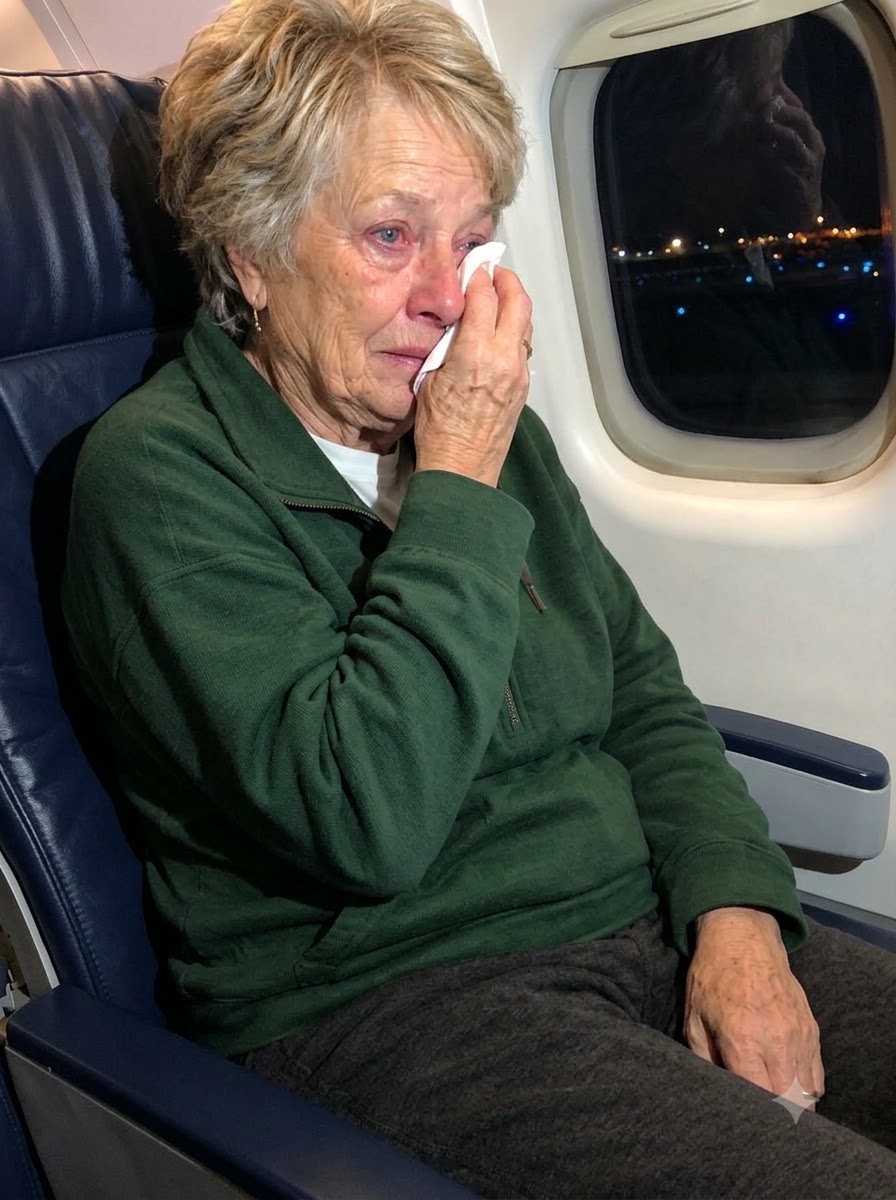
PART 2
“The attending resident on duty claimed I was just experiencing emotional shock from the crash,” Douglas continued, shaking his head. “He wanted to wait another hour before ordering specialized abdominal scans.”
My mother’s jaw tightened as her frustration from decades earlier resurfaced. “I absolutely despised that arrogant young resident that night.”
I suddenly burst out laughing at her sharp response, astonished to hear my usually quiet mother speak so openly about a doctor. Douglas joined in, laughing and nodding in complete agreement with her assessment.
“She argued with him loudly right in the middle of the hallway and demanded immediate imaging,” Douglas recalled fondly. “Because she refused to back down, they finally rushed me into emergency surgery.”
“What did the surgeons find?” I asked, my heart pounding.
“A completely ruptured spleen and massive internal bleeding,” Douglas answered quietly. “The chief surgeon later told my parents that another twenty minutes of delay would have been fatal.”
I gazed at my mother with profound admiration, finally understanding how much of her remarkable past she had kept from me over the years. “Why on earth did you never tell me this story, Mom?”
“Because I treated thousands of patients over my thirty years at St. Teresa,” my mother replied softly. “I simply did my job every single shift.”
Douglas looked at her, tears glistening in his eyes. “You might have treated thousands of people, Eileen, but to me, you were the one person who gave me a second chance at living.”
The gentle rumble of the jet engines filled the silence between us as my mother took in his heartfelt gratitude. I cleared my throat and turned toward the captain, still puzzled by one important detail.
“How did the airline even know she was on this specific flight today?” I asked, raising the printed passenger memo.
Brenda stepped away from the galley counter and explained how the system worked behind the scenes. “When a patient requests special medical travel clearance, an automatic tag is attached to their electronic reservation file.”
“My mother only requested basic wheelchair assistance for our connecting gate,” I pointed out, glancing at the printed document.
“That wheelchair request did not trigger this special notification,” Douglas explained, taking the paper from my hands. “This specific memo was personally generated by my wife.”
My mother blinked in astonishment, her forehead creasing with confusion. “Your wife? I do not think I have ever met your wife, Douglas.”
Douglas gave a quiet laugh and smiled broadly. “Her name is Dr. Veronica Hayes.”
The instant he spoke that full name, my mother froze completely in her seat, her eyes widening with absolute shock. “Veronica? The very same resident from the trauma bay?”
“Yes, the exact same arrogant resident you yelled at thirty-two years ago,” Douglas confirmed with a grin.
My jaw dropped as I looked from my mother to the pilot and back again. “Wait, you actually married the doctor who almost made a fatal mistake?”
“We have been happily married for twenty-seven years now,” Douglas revealed cheerfully.
My mother let out a raspy, heartfelt laugh that filled me with relief. “I cannot believe you married that stubborn girl!”
“She admits to this day that you taught her the single most valuable lesson of her entire medical career,” Douglas explained warmly. “All I did was yell at her in front of the entire nursing staff,” my mother remembered, shaking her head.
“You grabbed her arm and told her never to defend her ego harder than she defends her patient’s life,” Douglas quoted accurately. “Veronica has repeated that exact phrase to every single medical resident she has trained for the last two decades.”
My mother fell silent, deeply touched to discover that her passionate words had influenced generations of medical professionals. Douglas gently explained how Veronica had become a prominent oncologist at St. Teresa, eventually reviewing my mother’s travel clearance file just a few days earlier.
“Veronica recognized your full name and birthday immediately,” Douglas said. “She checked my flight schedule, realized I was commanding Flight 817, and placed a discreet note in the system so we could take good care of you.”
Just as Douglas finished describing their extraordinary connection, Donald Bradley cautiously approached the forward galley. Brenda immediately stepped into the aisle, blocking his way with her hands firmly on her hips.
“Sir, you need to return to your designated seat immediately,” Brenda instructed sternly.
Donald raised his hands in an apologetic gesture. “I just want to say a few quick words to the lady, please.”
Douglas rose from the jumpseat, his tall figure obstructing the aisle. “Now is really not the right time, Mr. Bradley.”
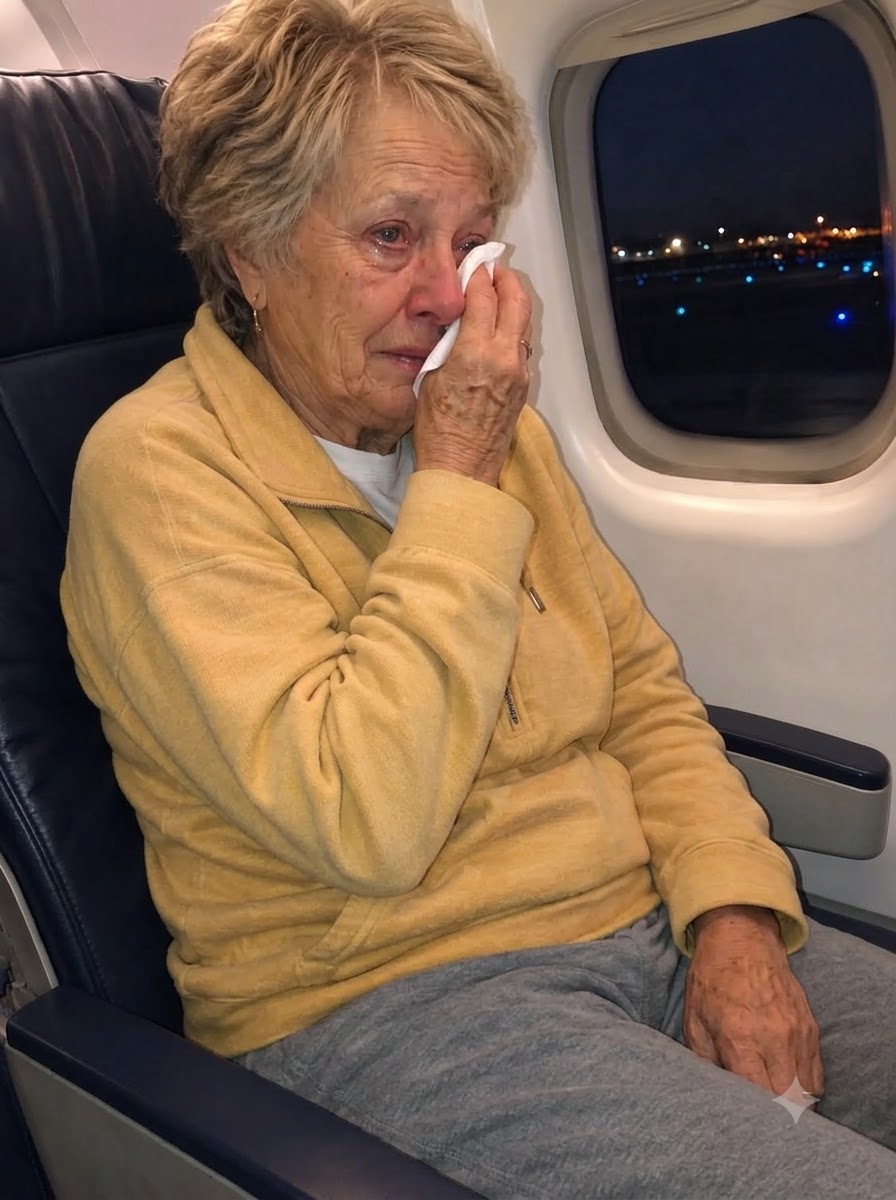
Donald peered past the captain’s shoulder, his gaze settling on my mother’s frail figure. “I am truly sorry for how I spoke to you earlier. I had no idea you were dealing with cancer.”
My mother met his eyes directly, her expression composed but remarkably serious. “That is not why you were in the wrong, sir.”
Donald stopped abruptly, taken aback by her calm, unwavering tone. “What do you mean?”
“You should not need to know a person is fighting cancer before deciding to treat them with basic human dignity,” my mother stated softly.
The entire forward cabin fell silent as her words struck home, leaving Donald staring down at the carpet in profound shame. “You are completely right, ma’am,” he whispered softly. “I sincerely apologize.”
“Thank you,” my mother replied simply, accepting his apology without attempting to ease his discomfort over his own rude behavior.
Donald nodded quietly and returned to his seat, appearing much smaller than he had an hour earlier. Douglas settled back onto the jumpseat, shaking his head admiringly. “That was classic Eileen right there.” My mother rested her head against the headrest, looking visibly drained by the emotional upheaval. “Everyone seems to remember my past far better than I do.”
I reached into her bag for her water bottle and noticed that her hands were shaking violently. Douglas spotted the tremor immediately and leaned toward her.
“Eileen, are you feeling okay right now?” he asked, his captain’s composure instantly giving way to medical concern.
My mother tried to dismiss the concern with a wave of her hand. “I am completely fine, just a little tired from all the excitement.”
“You are doing that lying thing again,” Douglas said sternly, taking her wrist to check her pulse.
My mother attempted a smile, but her eyelids fluttered closed as the last bit of color drained from her face. “Mom!” I cried, gripping her cold fingers tightly in mine.
Brenda hurried to retrieve the emergency medical kit from the overhead locker while Douglas picked up the intercom receiver. “If there is a qualified medical professional on board, please report to the forward galley immediately,” he announced over the cabin speakers.
A compassionate physician named Dr. Miller rushed forward from row fifteen and immediately began checking my mother’s vital signs with Brenda’s assistance. Her oxygen levels were dangerously low, and her blood pressure had fallen considerably because of severe dehydration.
Dr. Miller looked up at Douglas, his expression grave. “Given her recent intensive chemotherapy history, she needs immediate intravenous fluids and hospital evaluation.”
Douglas responded without the slightest hesitation. “We are currently thirty minutes away from our planned destination, but Lincoln Field airport is just twelve minutes out.”
He hurried into the cockpit, and moments later, his voice sounded through the speakers, announcing an immediate emergency diversion to Lincoln Field. Several passengers toward the back audibly groaned about the unexpected delay, causing tears of guilt to well up in my mother’s eyes.
“I am ruining everyone’s travel plans,” she whispered, her voice cracking.
I leaned closer to her cheek, holding her hand as tightly as I could. “Mom, you spent six straight months fighting for your life. You are allowed to divert an airplane if you need help.”
When the plane landed safely in Lincoln, emergency paramedics rushed aboard and placed my mother on a transport stretcher. As they wheeled her down the aisle, several passengers began applauding softly, filling the cabin with a heartfelt wave of support.
Douglas accompanied the stretcher to the exit, bending down to kiss my mother’s forehead. “You saved my life thirty-two years ago, Eileen. Taking care of you today was the greatest honor of my career.”
My mother offered him a faint smile as the paramedics wheeled her toward the waiting ambulance. “Tell Veronica she still owes me a warm cup of coffee.”
At the local hospital in Lincoln, medical tests showed that my mother was experiencing severe dehydration and an electrolyte imbalance rather than an acute cardiac event. Doctors started continuous IV fluids and kept her overnight for observation in a peaceful recovery room.
Lying in her hospital bed, she looked at me sadly. “I really wanted us to have one totally normal vacation together.”
“Mom, you do not need to apologize for getting sick,” I replied gently, pulling my chair closer to her bedside.
Suddenly, her phone rang on the nightstand, displaying an unfamiliar local number. I pressed the speakerphone button and answered on her behalf.
“Hello, is this Eileen Gentry?” a warm female voice asked through the phone.
“Yes, this is Eileen,” my mother answered weakly.
“This is Dr. Veronica Hayes,” the caller introduced herself, followed by a soft, emotional laugh. “I heard about the diversion from Douglas.”
My mother smiled widely, her eyes brightening at the sound of her former colleague’s voice. “Veronica! I hear you became a very distinguished oncologist.”
“Only because a brilliant ER nurse yelled at me thirty-two years ago and forced me to drop my arrogant attitude,” Veronica replied affectionately. “I have told hundreds of medical students your exact words over the last twenty years.”
Tears rolled down my mother’s cheeks as Veronica explained how that long-ago encounter had transformed her entire approach to medicine, ultimately helping save countless lives through the physicians she trained. Learning that her quiet dedication had left such a remarkable legacy of compassion finally broke through my mother’s modest defenses.
The following morning, my mother’s blood test results had returned to normal, and the doctors officially approved her discharge. When we entered the hotel lobby down the street, Douglas and Veronica were waiting for us, each holding a warm cup of coffee.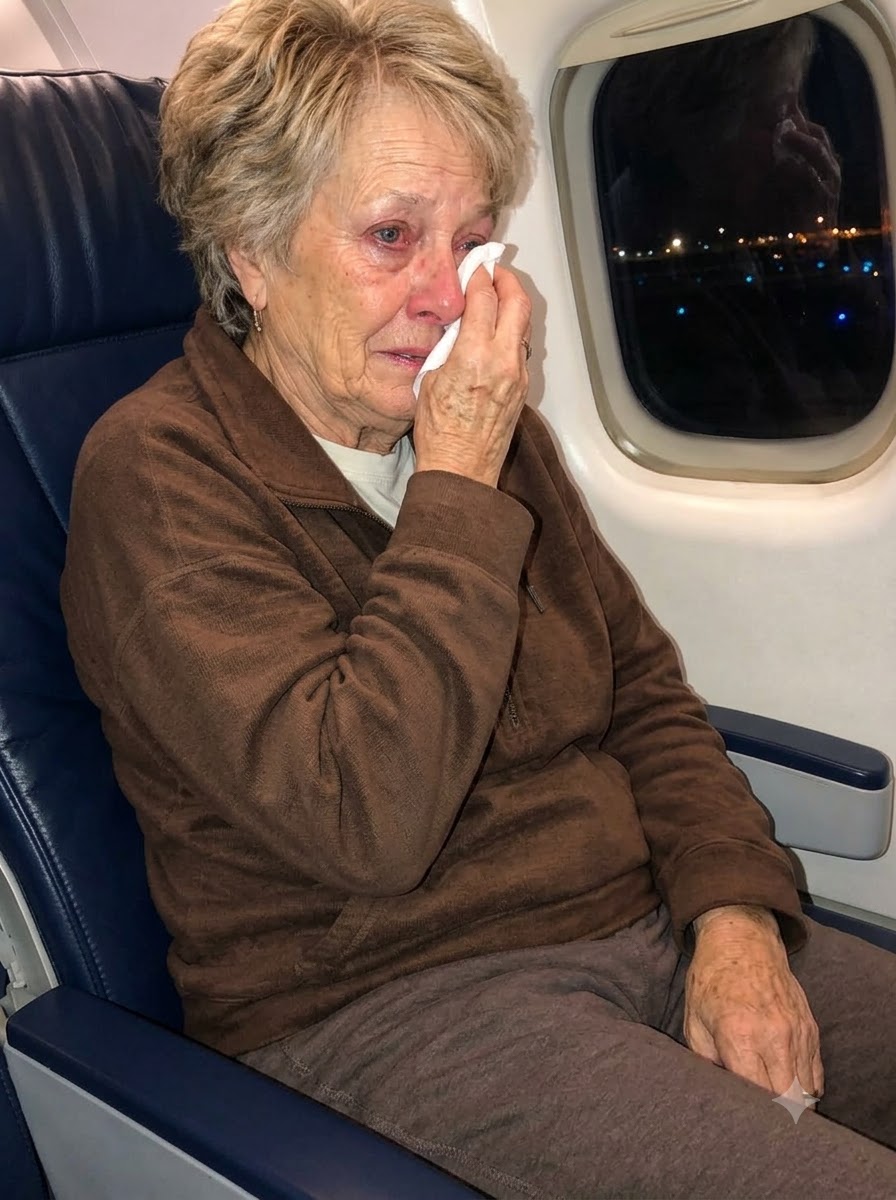
We enjoyed a wonderful evening together, exchanging stories, laughing about the past, and sharing a delicious dinner that had nothing to do with hospitals or cancer treatments. Before saying goodbye, Douglas gave me a sealed envelope containing upgraded first-class tickets for our return flight home, accompanied by a heartfelt note encouraging my mother to talk as much as she pleased on her next flight.
One year later, my mother remained completely cancer-free, with her energy fully restored as we attended a special ceremony at St. Teresa Hospital. Douglas and Veronica had created an annual nursing scholarship in her honor, dedicated to supporting ER nurses who fiercely advocate for their patients.
During the reception, Donald Bradley unexpectedly approached us with a generous donation check for the scholarship fund. He offered another humble apology, acknowledging that my mother’s words aboard the plane had compelled him to reconsider how he treated the people around him every day.
As we drove home after the ceremony, I glanced at my mother, who was happily watching the sunny afternoon sky through the window. I finally understood that her extraordinary strength had never been about raising her voice or seeking recognition. It came from having the courage to speak up when it mattered most, creating ripples of kindness that would continue for generations.
THE END.
