

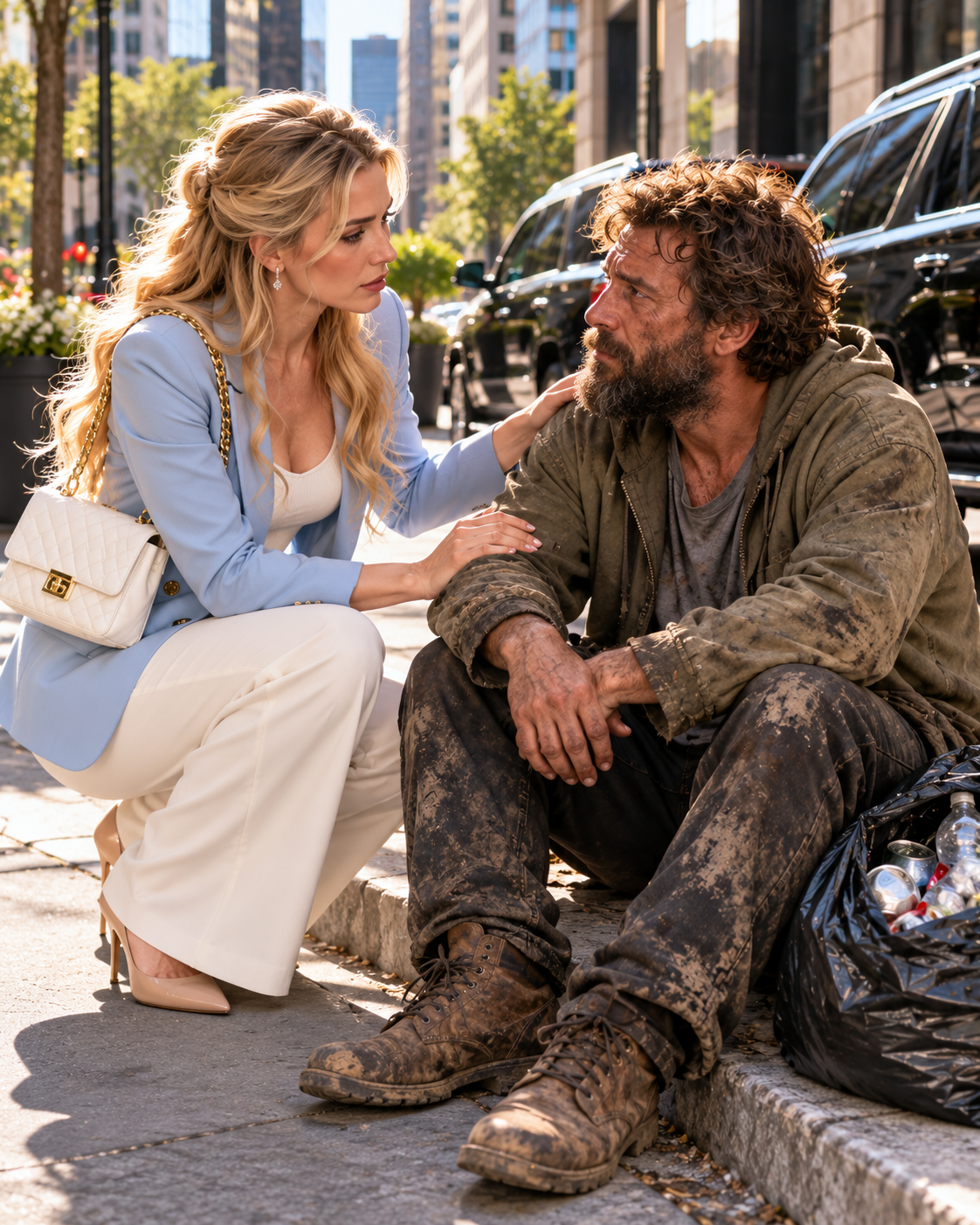
PART 3
That afternoon, I contacted an attorney named Helen Brooks, whom I knew through a former colleague. I explained that I needed independent legal advice concerning suspected financial fraud, forged signatures, and potential intimidation.
Helen listened without interrupting.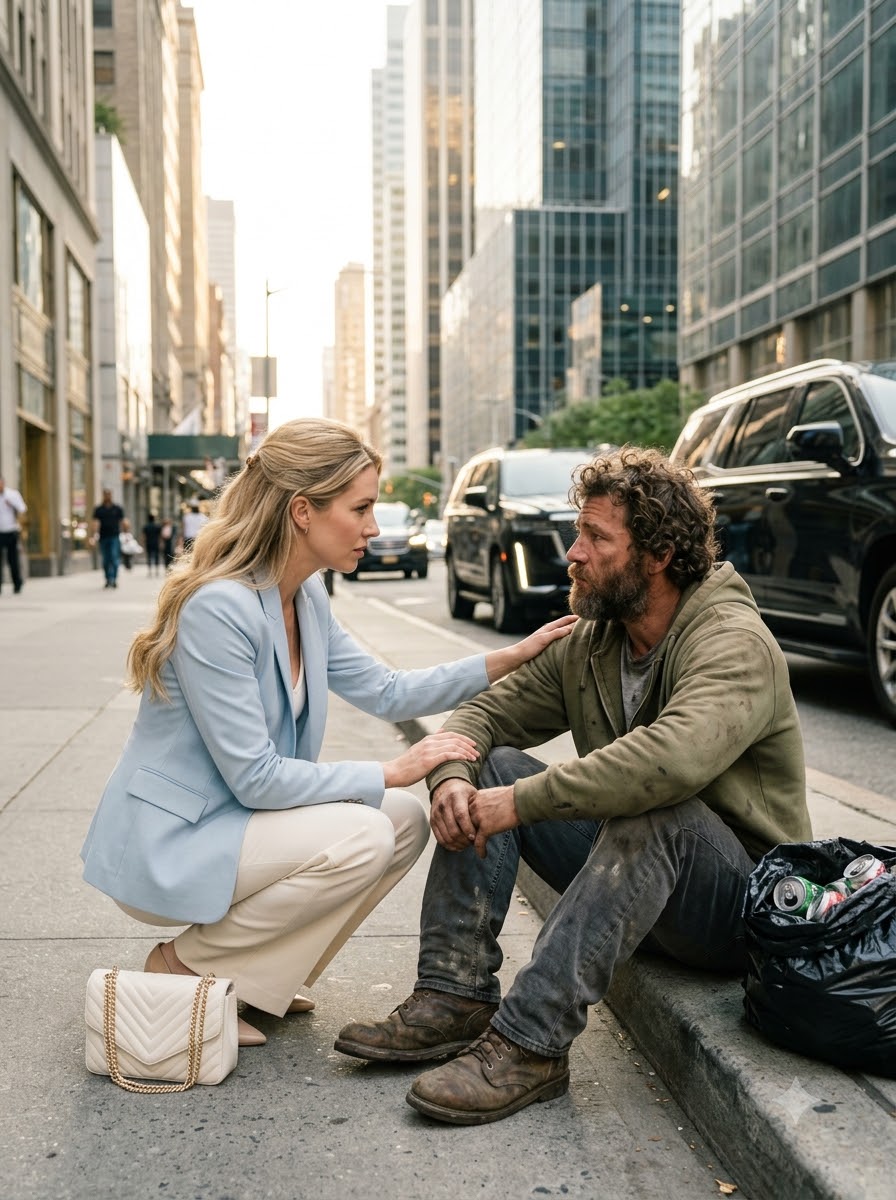
When I finished, she asked me to bring every document I had.
“Do not confront your father again until we’ve reviewed the evidence,” she warned. “And don’t attempt to access any accounts or records without proper authorization. We need to preserve what you have and establish where it came from.”
The following morning, I met Helen at her office.
She spent several hours examining the documents.
By late afternoon, her expression had become grave.
“These records are concerning,” she said. “They don’t prove every allegation by themselves, but they provide a reasonable basis for an independent investigation.”
“What about David?”
“If the evidence supports his account, we may be able to help correct the record regarding the allegations against him. But we need corroboration.”
I told her about the safety deposit box.
Helen arranged for us to visit the bank together, with Rachel accompanying us. We followed the bank’s procedures and confirmed that Rachel had the authority necessary to access the box.
Inside, we found a flash drive, additional financial statements, copies of internal emails, and a handwritten timeline.
The evidence was far more extensive than what David had left in the envelope.
One email, sent by Andrew to my father, was particularly disturbing.
If David releases the files, we need a way to make him look responsible for the transfers. Madison’s signature gives us the connection we need. Once the school hears about the investigation, nobody will believe him.
My hands began to shake.
Another email contained a reply from my father.
Make sure he understands what happens if he brings Madison into this. She cannot afford to be involved. He knows what we can do.
Helen took the document from me gently.
“We need to preserve the original data and verify these messages. Don’t contact either of them about this.”
I nodded, unable to speak.
For years, my father had told me that family meant loyalty.
Now I understood what he really meant.
He expected loyalty from everyone else while reserving the right to betray them whenever it suited him.
The investigation began quietly.
Helen contacted the appropriate authorities and arranged for the records to be reviewed. An independent forensic accountant examined the transfers, while investigators sought corroborating documents from the foundation and the companies named in the files.
I gave a formal statement about the forged signature and explained that I had never authorized the transfer.
For the first time in my life, I stopped trying to protect my family’s image.
But I still had one thing left to do.
I needed to find David.
I returned to the downtown shelter where he had told me he was staying.
The building stood between a small church and a community clinic. Inside, volunteers distributed meals while people sat at long tables beneath fluorescent lights.
A staff member listened patiently as I described David.
“I’m sorry,” she said. “He hasn’t checked in for a couple of nights.”
My heart sank.
“Do you know where he went?”
“He mentioned looking for temporary work. Sometimes people leave for a few days and come back.”
I thanked her and left my number.
For the next two days, I visited places where he might have gone.
I checked the café where we had spoken.
I walked along the street where I had first seen him.
I even searched the neighborhood around the shelter, asking local business owners whether they had seen a man matching his description.
Most people shook their heads.
One elderly shopkeeper remembered him.
“He comes by sometimes,” she said. “Never asks for anything. Once, he helped me carry a delivery inside when my back was hurting.”
I swallowed hard.
Even after losing nearly everything, David was still helping strangers.
On the third afternoon, my phone rang.
It was Rachel.
“Madison, I found him.”
I nearly dropped the phone.
“Where?”
“He’s at a community center near Oak Cliff. He went there looking for work repairing donated furniture.”
I was in my car before she finished speaking.
When I arrived, I found David in a small workshop behind the center.
He was sanding the wooden leg of an old table, his sleeves rolled up and sawdust clinging to his shirt.
For several seconds, I simply watched him.
He looked tired.
But he was standing upright, concentrating on his work with the same patience I remembered from our marriage.
Then he sensed someone behind him.
He turned.
The moment he saw me, his face went pale.
“Madison.”
I walked toward him slowly.
“I found the documents.”
His hand tightened around the sandpaper.
“Then you know.”
“I know enough to understand what happened. I also know that I was wrong.”
He looked away.
“You didn’t know.”
“I should have trusted you.”
He shook his head.
“I tried to explain, but I couldn’t tell you everything. Your father had already made it clear that you would become a target if I spoke.”
“You should have let me decide what risks I was willing to take.”
His eyes filled with pain.
“You’re right.”
The simple admission made me cry.
I had expected anger.
I had expected him to remind me of every cruel thing I had said during our divorce.
Instead, he stood there looking at me with the same sadness I had seen in the café.
“I believed them,” I whispered. “I believed my father over you.”
David lowered his eyes.
“I know.”
“How can you even look at me?”
He set down the sandpaper.
“Because I loved you, Madison. And because I knew how much your family meant to you.”
I covered my mouth, struggling to contain my sobs.
“I thought you had abandoned me.”
“I thought I was saving you.”
“Why didn’t you tell me the truth when we were getting divorced?”
He took a long breath.
“Because I was afraid that if you knew what I had discovered, you’d confront them before I could protect you. I thought I could collect enough evidence to expose everything without involving you.”
He looked at his hands.
“Then they froze my accounts, the school dismissed me, and the legal bills started piling up. I kept thinking I’d find another job and get back on my feet. Every time I got close, someone would contact the employer with the allegations. Eventually, I couldn’t afford the apartment anymore.”
My chest ached.
“David, I’m so sorry.”
He looked at me for a long moment.
“I don’t want your pity.”
“It’s not pity.”
“Then what is it?”
I struggled to find words that could carry the weight of everything I felt.
“It’s grief. It’s guilt. It’s the realization that the person who loved me most was suffering while I was living comfortably, believing the worst about him.”
His expression softened, but only slightly.
“I never wanted you to suffer.”
“But you suffered enough for both of us.”
For a moment, neither of us spoke.
Then I told him about the investigation.
I explained that Helen had preserved the evidence and that the authorities were reviewing the financial records. I told him about the emails and the forged signature.
David listened quietly.
When I finished, he closed his eyes.
“I hoped someone would eventually find the truth.”
“Why didn’t you tell me you had the original evidence?”
“I was afraid it would disappear if it stayed with me. Rachel was the one person I trusted to keep it safe.”
I nodded.
“You did the right thing.”
He looked at me with an expression I couldn’t read.
“Maybe. But it cost me everything.”
I reached into my bag and took out a folded piece of paper.
It was a list of local organizations that helped people return to work, along with the contact information for a legal aid service and a transitional housing program. Helen had helped me locate them.
“I don’t expect you to come back to me,” I said. “And I know I can’t undo what happened. But I’d like to help you find stable housing and get your teaching credentials reviewed. If you’re willing, Helen can also make sure your side of the story is formally documented.”
David stared at the paper.
“I don’t want to owe your family anything.”
“You won’t.”
He raised his eyes.
“I mean it. This isn’t my father’s money. It’s my own money, and the decision is yours. If you’d rather work with Rachel or an independent organization, I’ll respect that.”
For a long time, he said nothing.
Finally, he accepted the paper.
“I’ll think about it.”
It wasn’t forgiveness.
But it was the first door he had allowed me to open.
Over the following weeks, the investigation expanded.
The forensic accountant traced payments through multiple companies and identified discrepancies between the foundation’s reported expenditures and the money it had actually distributed. Investigators found evidence suggesting that charitable funds had been diverted for private use.
Some of the records bore my father’s signature.
Others carried Andrew’s authorization.
The forged document bearing my name became a separate focus of the inquiry.
My father hired expensive lawyers and issued a statement insisting that the company’s finances had been handled in good faith. Andrew claimed the transactions were legitimate business arrangements that had been misunderstood.
My mother called me repeatedly.
At first, she pleaded.
“Madison, please. You have no idea what you’re doing to this family.”
Then she became angry.
“Your father is under enormous pressure. The least you could do is stop spreading these accusations.”
Finally, she tried to bargain.
“We can arrange for David to receive money. We can help him find a job. Whatever he needs, we can provide it. But you must stop cooperating with the investigators.”
I sat at my kitchen table, listening to her speak.
“Mom, if David was innocent, why does helping him require me to stay silent?”
She began crying.
“You don’t understand. Everything your father built is at stake.”
I looked through the window at the quiet street outside.
“What about everything David lost?”
She didn’t answer.
“What about the money meant for children who needed scholarships? What about my name on a document I never signed?”
“Madison, please.”
For years, I had interpreted my mother’s tears as proof of her goodness.
Now I understood that tears could express fear of consequences just as easily as remorse.
“I love you,” I told her. “But I won’t lie for you.”
I ended the call.
It was one of the hardest decisions I had ever made.
It was also the first time I had chosen the truth without asking my family for permission.
Meanwhile, David began rebuilding his life.
He accepted help from a housing organization, eventually moving into a small furnished apartment. Rachel helped him replace his identification documents and arrange medical appointments after years of neglecting his health.
Helen’s office connected him with an attorney who could review the allegations that had cost him his teaching position.
He took temporary work at the community center while the investigation continued.
Sometimes I visited.
At first, our conversations were brief and awkward.
We talked about ordinary things: the weather, the center’s broken air conditioner, the students who came there for tutoring.
I didn’t ask him to forgive me.
I didn’t tell him I wanted him back.
I simply showed up when I said I would.
One afternoon, I found him helping a teenage boy with a history assignment.
David was explaining the causes of the American Civil War, drawing a timeline on a scrap of cardboard.
The boy listened intently.
When David noticed me in the doorway, he smiled faintly.
For a moment, I saw the man I had married.
Not the exhausted stranger searching through trash.
Not the man who had lost his career and home.
The teacher.
The person who had always believed that understanding the past could help people make better choices in the future.
After the student left, David gathered the papers.
“He’s a good kid,” he said.
“You always had a way with students.”
He gave a small shrug.
“Teaching is the one thing I never stopped knowing how to do.”
I looked at him.
“Then perhaps it’s time the world remembered that.”
He smiled sadly.
“One step at a time, Madison.”
One step at a time.
Those words became the foundation of the fragile peace we were building.
Months passed.
The authorities continued their work, and the evidence grew stronger. Several former employees of Parker Development Group agreed to provide information about the company’s financial practices. The foundation commissioned an independent review of its accounts.
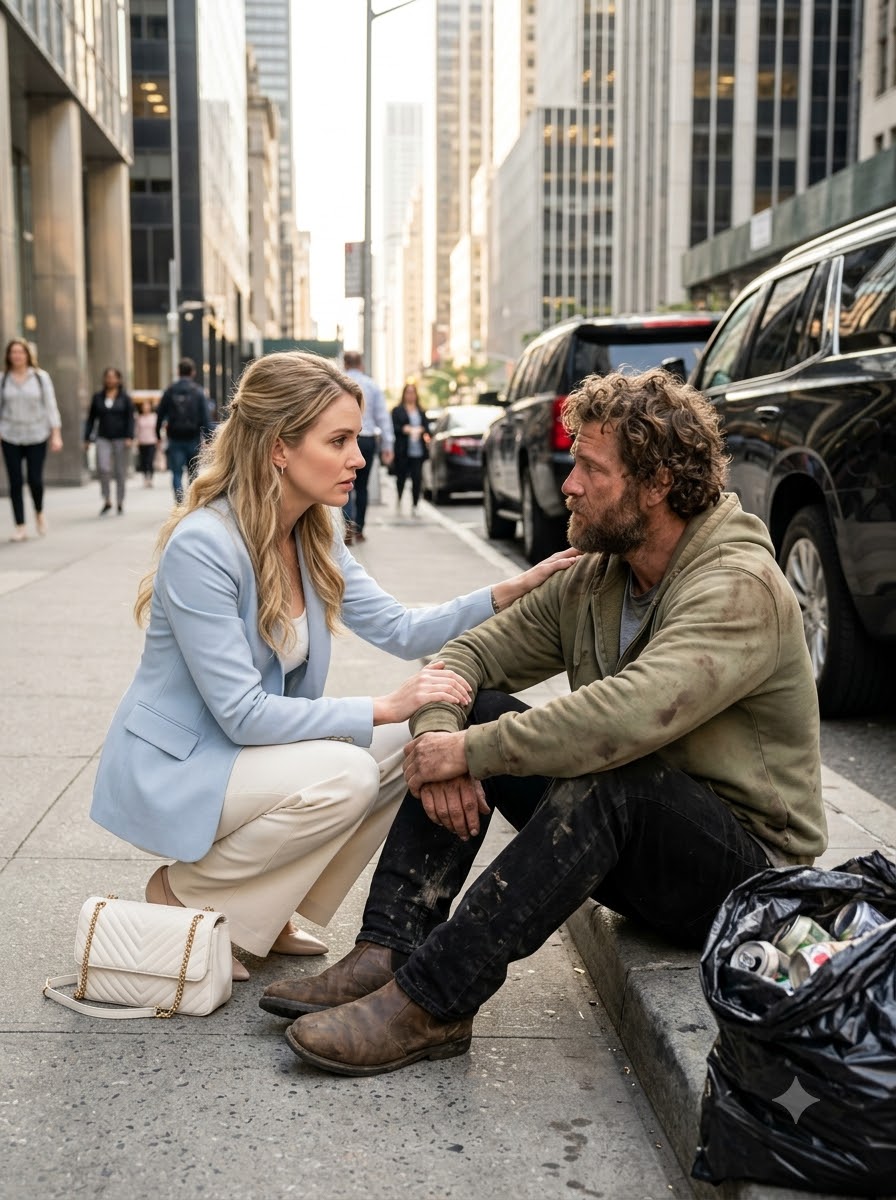
Eventually, my father and Andrew were formally notified that investigators had found grounds to pursue allegations involving the diversion of charitable funds, falsified documents, and attempts to obstruct the inquiry.
Their lawyers continued to dispute the allegations.
The case was not resolved overnight, and I learned that justice rarely arrived in the dramatic, immediate way people imagined.
There were interviews.
There were hearings.
There were long stretches when nothing seemed to move.
But the truth was no longer buried.
