

PART 1 — The Arrest They Wanted Everyone to See
“Film the cuffs. That’s the leverage.” Dad had never expected that instruction to be repeated in a courtroom. Seven weeks earlier, he had smiled while officers arrested me and Madison recorded it. Now my attorney was revealing their messages. “If we get her arrested, she’ll sign anything to make it stop.” Dad looked toward his attorney before Mom’s reply appeared.
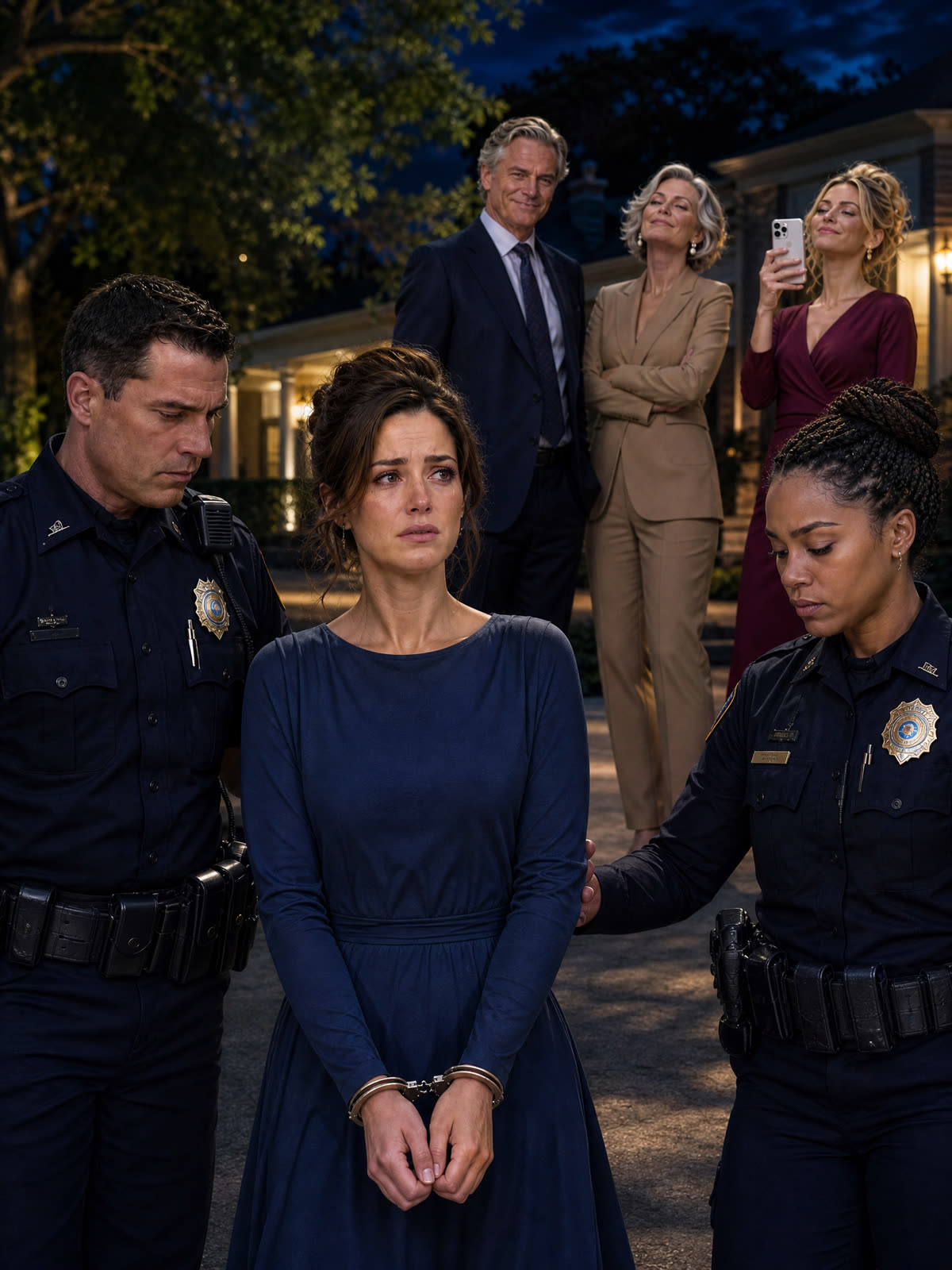
At 1:46 a.m., two officers took me into custody at my house over allegations that I had stolen a $96 million inheritance. My parents stood smiling as Madison filmed for an audience of a million. “Watch what happens when greed finally gets punished.”
I held out my wrists. Mom looked annoyed that I wasn’t screaming. She had expected the kind of spectacle Madison could package alongside her skincare advertisements. “Claire,” she whispered as the handcuffs closed, “you could have made this easy.”
Three weeks before, making things easy had meant surrendering Grandpa’s estate. He had left me authority over his manufacturing business, his investments, and the home where I had looked after him for six years. My parents had received substantial cash bequests, and Madison had inherited a trust. They wanted all of it.
“You’re a bookkeeper,” my father had said from across my grandfather’s dining table. “You don’t understand money at this level.”
“I understand his instructions.”
Madison had laughed. “Grandpa couldn’t remember what day it was.”
“He remembered who visited.” That had ended dinner abruptly.
Now Madison walked backward along my driveway, keeping my handcuffed wrists in the shot. “She manipulated a dying man,” she declared. “Our family is finally fighting back.”
Dad stood close by, wearing the expression he used in negotiations. Then I saw him slip Grandpa’s silver pen into his pocket. It had been missing since the funeral. My breath caught, drawing an officer’s attention.
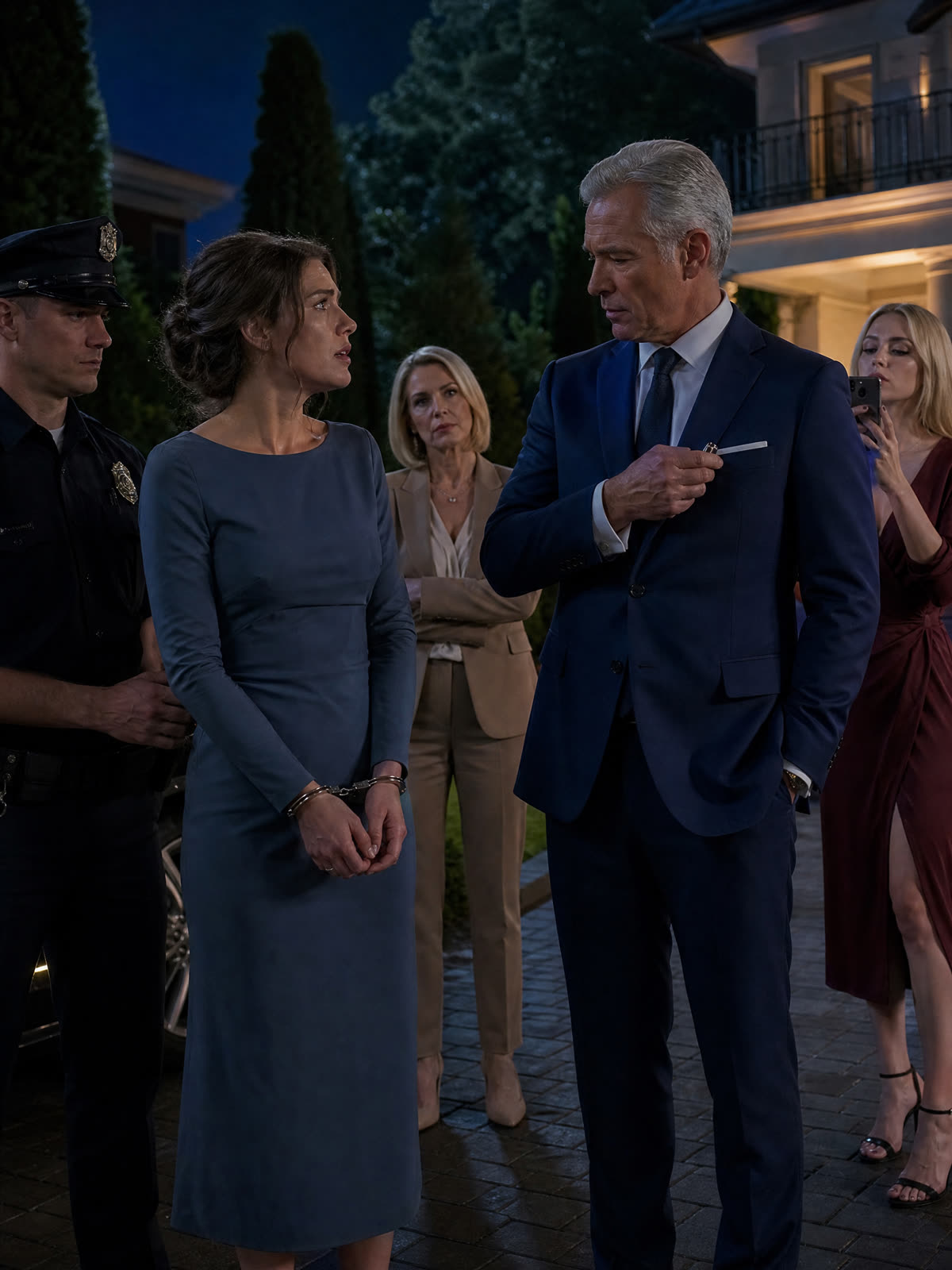
“Anything you want to tell us?”
“I want an attorney.” Dad gave a small nod, seemingly pleased.
At the station, a younger officer entered my name, address, and date of birth. Something in the linked records made him stop. He read several pages, looked at my handcuffs, and stepped out. “Wait here.”
He placed a call from the hallway. “Lieutenant? You need to come down. There’s a linked investigation.”
Through the glass, I watched my family arrive as casually as if they were meeting for dinner. Madison studied her reflection in her dark phone screen while Mom straightened Dad’s collar.
The lieutenant came in carrying a folder and shut the door. “Ms. Mercer,” she said, “are you the witness who provided the forensic accounting report?”
“Yes.”
“And the original recordings?”
“Yes.”
She looked toward the lobby. “Do they know?”
I studied the marks beneath my restraints. “They never asked what kind of bookkeeping I did.”
Outside, Madison started filming again while Dad smiled into her camera. The lieutenant reached for the handcuff key. “Let’s get your lawyer here first.”
PART 2 — The Detail They Forgot to Hide
My attorney arrived before dawn, her fury carefully contained. “Not one question without me.” The lieutenant agreed. Although the warrant itself was valid, the signatures supporting the accusation had been forged.
Dad had produced a purported agreement assigning the inheritance to him. He claimed I had destroyed the authentic will and moved property using fraudulent authority. He had also employed a consultant to dispute Grandpa’s mental capacity. Investigators who knew nothing about the separate inquiry had accepted his account.
Six months before Grandpa’s death, I had uncovered questionable payments from his manufacturing business to suppliers that never delivered anything. Following three shell companies had brought me back to Dad.
For eleven years, I had investigated financial fraud on behalf of lawyers and insurance companies. My family made my profession sound insignificant because that helped them feel secure.
Grandpa had personally authorized the referral. His recorded interview was devastating. “My son thinks loving him means letting him rob me,” he said. “I’m finished confusing the two.”
The investigation moved slowly, and Grandpa was dying. I had honored the investigators’ request to keep it confidential. Dad had mistaken my silence for ignorance.
By noon, the prosecutor handling my arrest had spoken to the prosecutor investigating Dad. My attorney provided documentation tracing the will’s custody, along with independent medical evaluations from the time Grandpa signed it. A judge ordered my release while the allegations were reviewed.
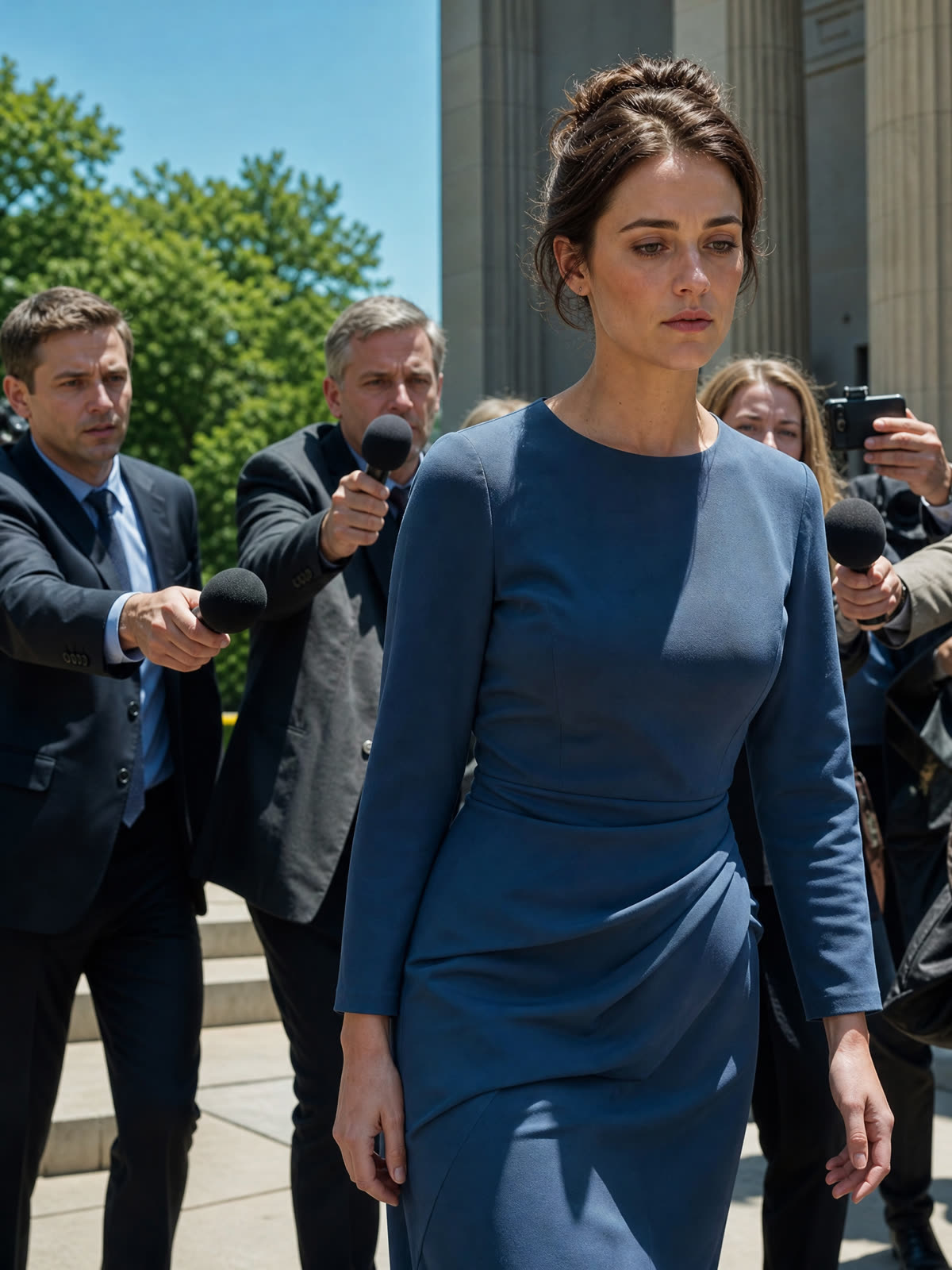
Outside, reporters crowded around me. “Did you steal the inheritance?”
“No.”
“Are your parents lying?” “My grandfather deserved better than this.” I walked away without giving Madison the tears she had promised her audience.
That evening, Madison posted another video from my parents’ kitchen. “Getting released doesn’t mean innocent,” she said.
Dad’s voice came from outside the frame. “Tell them she’ll settle. She can’t survive the pressure.”
My attorney saved the video. Then, trying to strengthen their story, Madison uploaded a photograph of the supposed inheritance agreement. At the photograph’s edge sat Grandpa’s silver pen. Dad had given it to him for his eighty-fifth birthday, but the agreement was dated two years before that present.
The detail did not establish anything by itself, but it deserved investigation. When investigators reviewed the document specialist’s working materials, they discovered that he had inspected only a scan, not the original. He acknowledged that Dad had supplied every comparison signature.
A later search found an editable version of the agreement on Madison’s laptop. The file had been created nine days after Grandpa’s funeral.
My lawyer called while I was replacing the damaged lock on my front door. “They’ve frozen the disputed accounts,” she said. “And the hearing stays on.”
Across the street, a photographer lowered his camera. For weeks, strangers had watched my home as though it were a notorious crime scene.
“When do they find out?” I asked.
“They’ve received notice.”
Dad’s name lit up my phone. Then Mom’s. Then Madison’s. Before I considered answering any of them, I finished securing the lock.
PART 3 — What the Court Finally Heard
The probate hearing took place seven weeks after my arrest. My parents arrived together. Madison showed up without her phone.
Dad intercepted me outside the courtroom. “We can still resolve this privately.”
“You filed a criminal complaint.”
“Your sister got carried away.” For thirty-three years, he had shifted blame onto whichever woman stood nearby. I walked past him.
Inside, my lawyer presented Grandpa’s original will and questioned the attorney who had witnessed its signing. His doctor testified afterward, followed by a specialist in digital documents.
The fabricated agreement had been assembled from authentic material: Grandpa’s signature lifted from a birthday letter and wording taken from a business proposal that had never proceeded.
Madison’s messages made their intentions clear. My attorney read one to the court. “If we get her arrested, she’ll sign anything to make it stop.”
Madison stared at the table. Next came a message Dad had written. “Film the cuffs. That’s the leverage.”
Mom had answered with a thumbs-up emoji. Somehow, that small response hurt more than anything else.
The judge asked whether Dad still maintained that the agreement was authentic. His attorney requested and received a ten-minute recess.
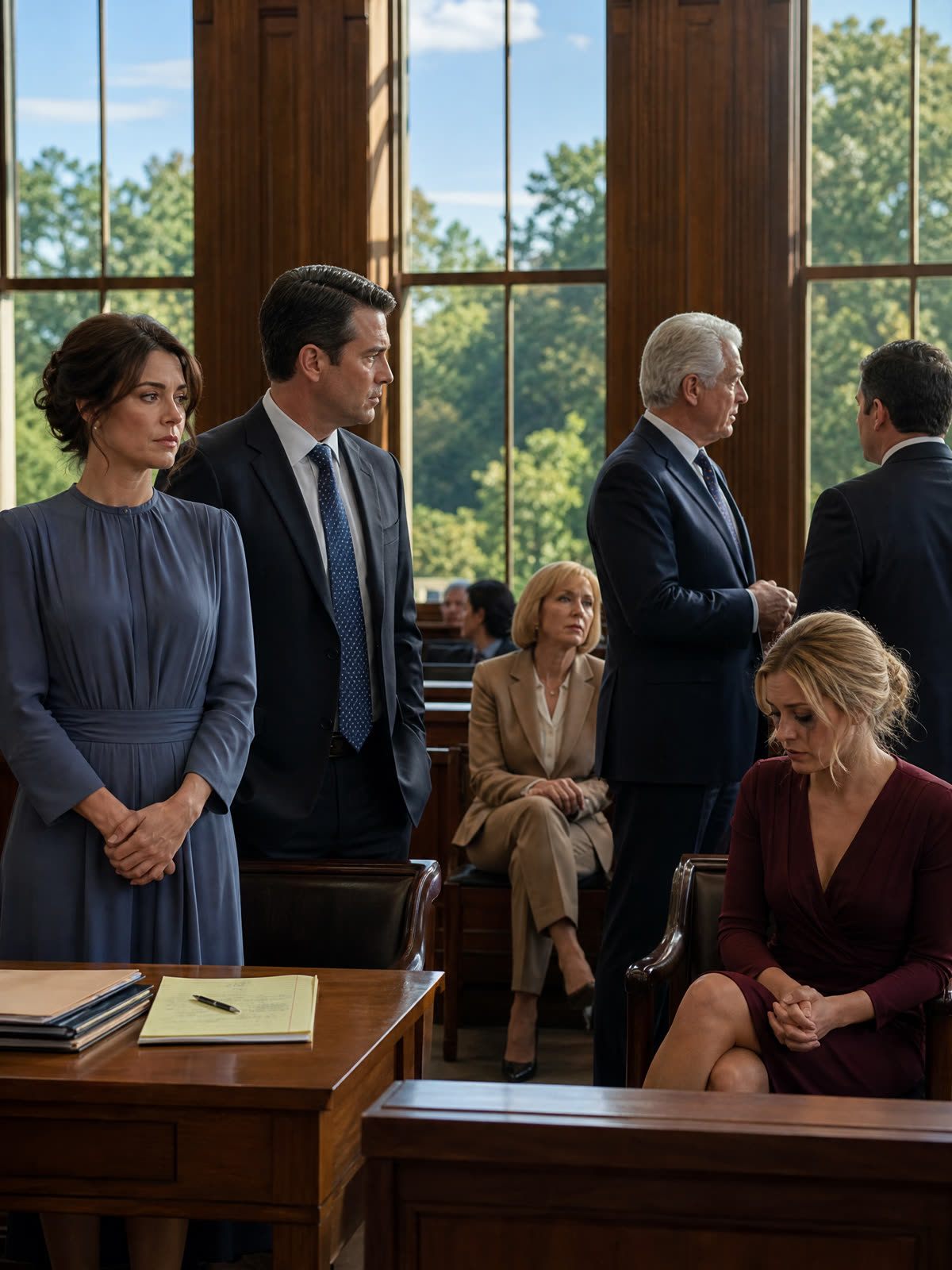
In the hallway, Mom reached toward me. “We were scared.”
“Of what?”
“Losing your grandfather’s money.”
Finally, she had named her motive without dressing it up as love.
“You didn’t lose his money,” I said. “He chose where it went.”
Madison stood behind her, mascara gathering beneath her eyes. “People are calling my sponsors.”
“You gave them a story.”
“You could tell them we’re family.”
I remembered the way she had aimed her camera at my handcuffs. “I already did. That’s why they’re angry.”
When court resumed, their challenge was rejected. The judge affirmed Grandpa’s will and set a separate proceeding to address penalties and legal fees. The criminal matters took longer.
The charge against me was dismissed. My attorney forwarded the public dismissal to every outlet that had broadcast Madison’s recording.
Eight months later, Dad pleaded guilty to stealing from Grandpa’s company and committing fraud. He was sentenced to prison and ordered to pay restitution. Madison admitted her involvement in manufacturing evidence. She received probation, community service, and a criminal record that would outlast her sponsorship deals.
Mom faced no charges, but she had to sell the family’s vacation property to help pay the restitution judgment. I did not attend the sale.
A year later, I restarted Grandpa’s factory apprenticeship program. Twenty young trainees stood beneath windows that had been scrubbed clear of soot. His recovered silver pen rested on my desk. I signed their scholarship checks with it.
That evening, I brewed tea at home and left my phone charging in another room. For months, I had jolted awake at 1:46, imagining the sound of officers approaching. This time, I slept through it.
The morning arrived quietly. Sunlight crossed the floor where my parents had once watched me bend down to put on my shoes in handcuffs.
I pulled back the curtains. Then I opened my front door.
Disclaimer: This story is a work of fiction inspired by real-life themes. Names, characters, places and events are fictionalized, and any resemblance to real persons is purely coincidental. Images are for illustration purposes only.
