

PART 1: THE DAUGHTER HE THOUGHT HE COULD DESTROY
My father stood in probate court, pointed his finger at me, and accused me of being a drug addict while attempting to seize everything my grandfather had left behind.
What Reed Marlowe didn’t realize was that Judge Eleanor Whitcomb already recognized me.
She had seen me testify under oath in that very courthouse.
And before my father understood why she remembered my face, he had already made statements that threatened to unravel eleven years of lies.
“She’s an addict, Your Honor,” Reed Marlowe roared. “She has been since she was nineteen.”
His attorney, Patrick Drummond, allowed him to continue.
It was a costly mistake.
I sat twelve feet away, wearing the gray wool cardigan Grandpa Walter had given me for Christmas. One of its wooden buttons was slightly darker than the others, and a small snag remained on the left cuff where his cat had caught it years earlier.
I gently rubbed the loose thread, keeping silent.
Beside me, my attorney, Dorothea Kessler, didn’t even turn her head.
I understood the signal.
She wanted my father to continue speaking.
And he eagerly obliged.
“She manipulated my father-in-law,” Dad said. “She isolated him. She took advantage of an elderly man who was declining. He couldn’t possibly have understood that will.”
Judge Whitcomb listened without interrupting.
Grandpa Walter Avery had left me his West Hartford home, savings, bonds, mechanical watches, engineering drawings, tools, and the kitchen table where he’d taught me to balance a checkbook.
Dad wanted the will invalidated.
But he wasn’t satisfied with challenging its legitimacy. He wanted to destroy my credibility.
Throughout the morning, Patrick had characterized me as unstable, greedy, secretive, and impaired. He suggested I’d moved into Grandpa’s home after high school, waited until he became vulnerable, and influenced him into signing documents he supposedly couldn’t comprehend.
My father agreed with every accusation.
Then he decided to add more.
“She was using back then,” he told the judge. “Everybody knew it.”
Dorothea finally looked up.
“Everybody?” Judge Whitcomb asked.
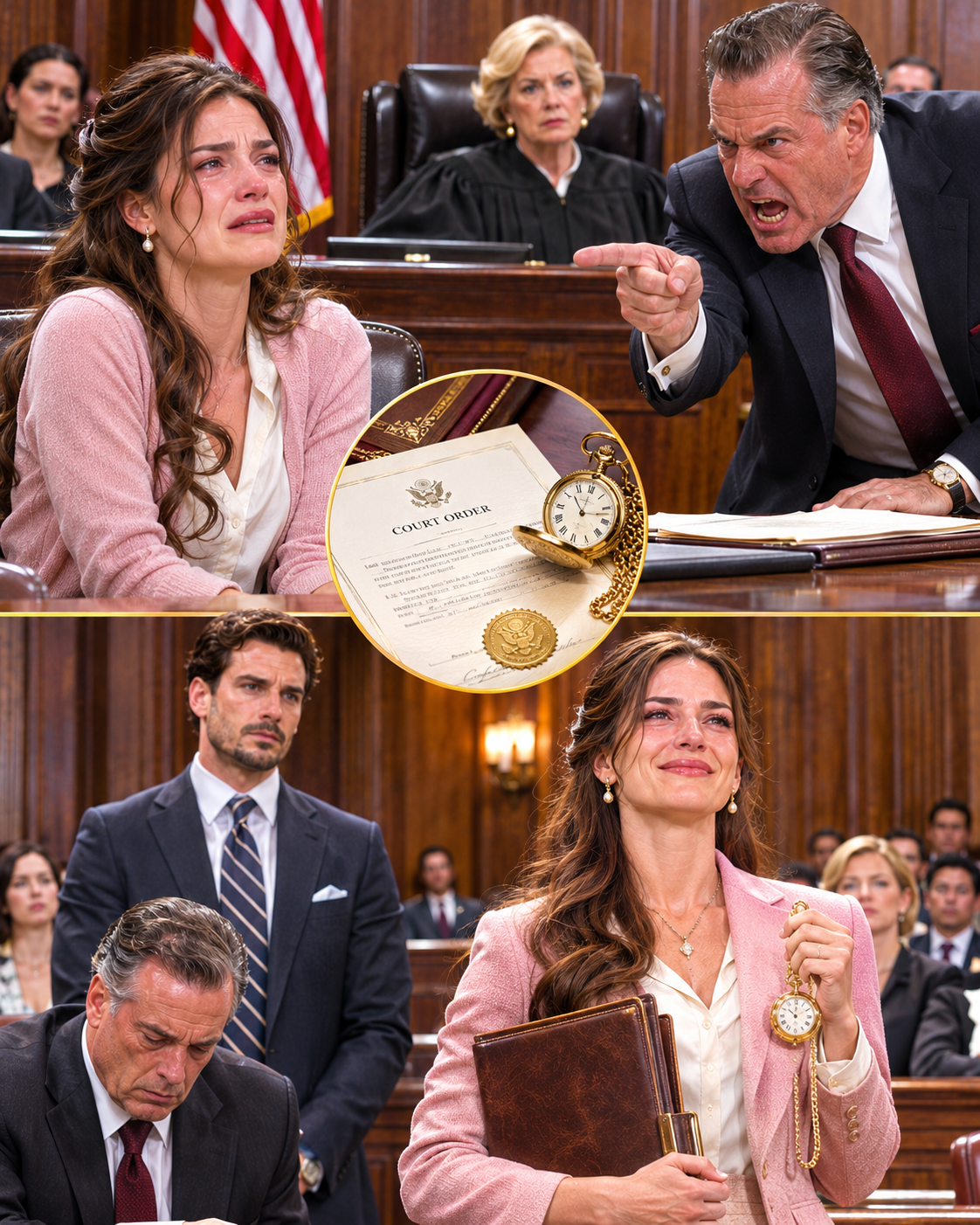
Dad paused.
“Our family.”
“Which family members are prepared to testify to personally observing drug use?”
Patrick shifted uneasily.
Dad lowered his hand.
“Well, people knew.”
“That wasn’t my question.”
My father looked annoyed. The proceedings were no longer unfolding as he’d expected.
He turned toward me.
“You can sit there pretending to be respectable,” he said. “I remember what you were.”
He was deliberately trying to humiliate me.
He wanted an emotional reaction, something he could portray as proof of instability.
I refused to give him one.
My hands remained folded over the closed folder containing my employment history, professional qualifications, sworn transcripts, and financial records.
Dad had never once asked what I’d accomplished after leaving home.
For eleven years, he’d clung to a false image of me because it justified everything he’d done.
Patrick leaned toward him and whispered.
Dad dismissed him.
“No,” he said loudly. “The court needs to know exactly who she is.”
Dorothea stopped writing.
Judge Whitcomb studied my father, then his attorney, before looking at me.
Her eyes lingered.
I recognized that expression.
I’d seen it before while testifying under oath.
The judge removed her glasses.
“Mr. Drummond,” she said, “before your client makes another allegation, I want an answer to something.”
Patrick swallowed.
“Yes, Your Honor?”
“Are you certain you understand what your client’s daughter does for a living?”
Patrick examined me more closely.
His gaze dropped toward my folder.
Dad frowned.
“What does that have to do with anything?”
The judge raised one finger, silencing him.
Patrick leaned toward my father again, whispering urgently.
Dad looked between us.
His face slowly lost its color.
“Wait,” he said. “No.”
Dorothea pushed the folder toward me.
I opened it.
The first document was a certified transcript from a hearing conducted in the same courthouse fourteen months earlier.
At the top appeared my name.
CLAIRE MARLOWE.
COURT-APPOINTED FORENSIC ACCOUNTING EXPERT.
Beneath it was the presiding judge’s name.
ELEANOR WHITCOMB.
Dad stared at the page, speechless.
And as I watched him struggle to understand what he was seeing, I remembered the November night eleven years earlier when he had thrown me out of his house.
I was nineteen.
My mother, Anne Avery Marlowe, had died seven months before.
She’d been a compassionate woman who remembered birthdays, rescued injured birds, and never allowed visitors to leave her kitchen hungry.
She’d also been the only person capable of calming my father’s temper.
After her death, our home became unbearable.
Dad drank more frequently, grew increasingly controlling about money, and became furious whenever I visited Grandpa Walter, my mother’s father.
Grandpa had worked forty-two years as a structural engineer, designing and inspecting bridges across New England.
His home smelled of coffee, old paper, machine oil, and furniture polish.
He kept mechanical watches in a glass cabinet and engineering instruments in his study.
His cat, Franklin, treated expensive furniture as scratching posts.
Grandpa taught me to understand numbers.
At eleven, I learned to balance a checkbook. At thirteen, I could read bank statements. By fifteen, I knew how to identify discrepancies in financial records.
“People get nervous around numbers,” he used to say. “That’s why numbers are useful. They don’t change just because somebody gets loud.”
I would remember those words for the rest of my life.
The evening Dad expelled me, he’d discovered a college acceptance letter offering me a partial scholarship.
Combined with my weekend-job savings, I believed I could afford tuition.
Dad disagreed.
“You think you’re going to move away and leave me with all these bills?” he demanded.
“I wasn’t asking you for money.”
“That’s what you always say. Until you need something.”
He held my acceptance letter and a statement from the savings account Mom had helped me open.
He’d searched my desk without permission.
“You’ve been hiding money from me?”
“It’s money I earned.”
“Under my roof.”
I couldn’t understand why he considered my education a betrayal.
Then he said something unforgivable.
“You’re just like your mother. Always making me look like the bad guy.”
I told him not to speak about her that way.
He stepped closer.
I backed away.
He noticed and smiled.
“Maybe you need to learn what the real world is like.”
That night, he accused me of dishonesty, theft, and humiliating him before our relatives.
When I refused to apologize for things I hadn’t done, he ordered me out.
I packed two bags and called Grandpa.
“Claire?”
I tried to answer, but couldn’t speak.
“Are you safe?”
“Yes.”
“Stay where you are. I’m coming.”
Forty minutes later, his blue Volvo appeared.
He stepped out wearing slippers and a coat over his pajamas.
Dad confronted him at the entrance.
“She’s out of control, Walter.”
Grandpa looked past him toward me.
My face was swollen from crying, and my bags stood beside the staircase.
“Claire,” he said quietly, “come on.”
Dad blocked the doorway.
“You’re making a mistake.”
Grandpa remained calm.
“Then I’ll make it.”
Dad laughed bitterly.
“She’s going to bleed you dry.”
Grandpa picked up my suitcase.
“No,” he said. “She’s going to finish school.”
I never lived in my father’s house again.
Afterward, Dad began telling relatives I’d left because of my unacceptable behavior.
By twenty-one, he’d changed the story to excessive partying.
By twenty-three, he claimed I abused substances.
By twenty-five, he was telling people I’d been addicted since nineteen.
His accusations grew because nobody demanded proof.
And because I avoided the family gatherings where he repeated them, my silence gave him room to invent more.
Grandpa never believed those stories.
He gave me a bedroom with faded blue wallpaper overlooking a maple tree.
Then he explained his expectations.
“You can stay here as long as you need,” he said. “But I’m not going to live your life for you.”
I listened.
“Finish your education. Pay attention to your finances. Clean up after yourself. And never lie to me because you think the truth will disappoint me.”
I agreed.
Then he added, “Also, Franklin likes the spare room. You’ll have to negotiate with him.”
I laughed for the first time in weeks.
I went to college and studied accounting.
I graduated at twenty-two, became a certified public accountant at twenty-four, and specialized in forensic accounting at twenty-six.
Eventually, I became a senior forensic accountant at a respected consulting firm.
My work involved examining financial records, tracing transactions, evaluating discrepancies, and explaining complex accounting evidence in legal proceedings.
Grandpa celebrated every milestone.
Dad attended none of them.
He returned my graduation announcement unopened.
When I passed my CPA examinations, I sent him a message.
Three days later, he replied.
“Tell Walter congratulations on buying you another accomplishment.”
I stopped sharing my achievements with him.
He never learned where I worked, how much I earned, or that I’d become a recognized financial expert.
Yet he continued telling everyone I couldn’t support myself.
Eleven years later, he carried that same story into probate court.
And now, with my professional transcript lying open before him, the judge looked directly at my father.
“Mr. Marlowe,” she said, “I believe you have made a very serious mistake.”
But the documents proving my career were only the beginning.
The records my attorney had prepared would soon reveal something far more damaging: my father had been making accusations about a life he hadn’t bothered to investigate—and a will he had desperately wanted changed.
PART 2: THE TRUTH MY GRANDFATHER HAD PROTECTED
Judge Whitcomb requested that both attorneys approach the bench.
Dorothea stood calmly, while Patrick rose so abruptly that his chair scraped across the floor.
Dad remained seated, staring at the transcript.
For years, he’d told everyone I was unemployed, dependent on Grandpa, and incapable of managing my own life.
Now he was looking at a court document identifying me as a professional expert witness.
I couldn’t hear everything the attorneys discussed, but one statement reached me clearly.
“My prior encounter with Ms. Marlowe is not evidence in this proceeding.”
Judge Whitcomb was right.
Her recognition of me didn’t establish that Grandpa’s will was valid. The court still needed to evaluate the evidence.
And that evidence was precisely what Dorothea had spent weeks preparing.
As the attorneys conferred, I remembered how Grandpa had supported my education without ever making me feel dependent.
He had encouraged me to finish college, manage my finances responsibly, and build a career I could be proud of.
When I began earning money, I paid rent and contributed toward groceries, utilities, and household expenses.
Later, when I offered to move out, he seemed genuinely offended.
“Why?”
“Because I’m almost thirty.”
“So?”
“Because people might think I’m taking advantage of you.”
He laughed.
“Which people?”
I didn’t answer.
He understood.
“Claire, I am seventy-eight years old. I have a perfectly comfortable house, a cat who hates me, and a granddaughter who makes coffee worth drinking. Why would I want to change that?”
So I stayed.
Not because I couldn’t afford another home.
Because we were happy together.
Grandpa remained active for years, repairing watches, gardening, reviewing engineering drawings, and meeting old friends for breakfast.
Every Sunday, we ate dinner together.
But shortly after his eightieth birthday, he began reconsidering his estate arrangements.
His previous will had been written while Mom was alive and contained provisions that could have given Dad a substantial inheritance.
One afternoon, Grandpa asked me to join him at the kitchen table.
“There’s something I want to discuss.”
I noticed several papers.
“Estate planning?”
“Yes.”
“Grandpa, you should talk to an attorney.”
“I already have.”
Then he told me Dad had been calling.
“About what?”
“Money.”
Grandpa explained that Reed believed he deserved something because he’d been married to Anne.
“What did he ask for?”
“He wanted to know whether I’d kept the old will.”
“Did you answer?”
“I told him my estate was my business.”
Dad had also questioned whether I was managing Grandpa’s accounts.
I felt uneasy.
“Why?”
“Because he believes you can’t manage your own life.”
I looked away.
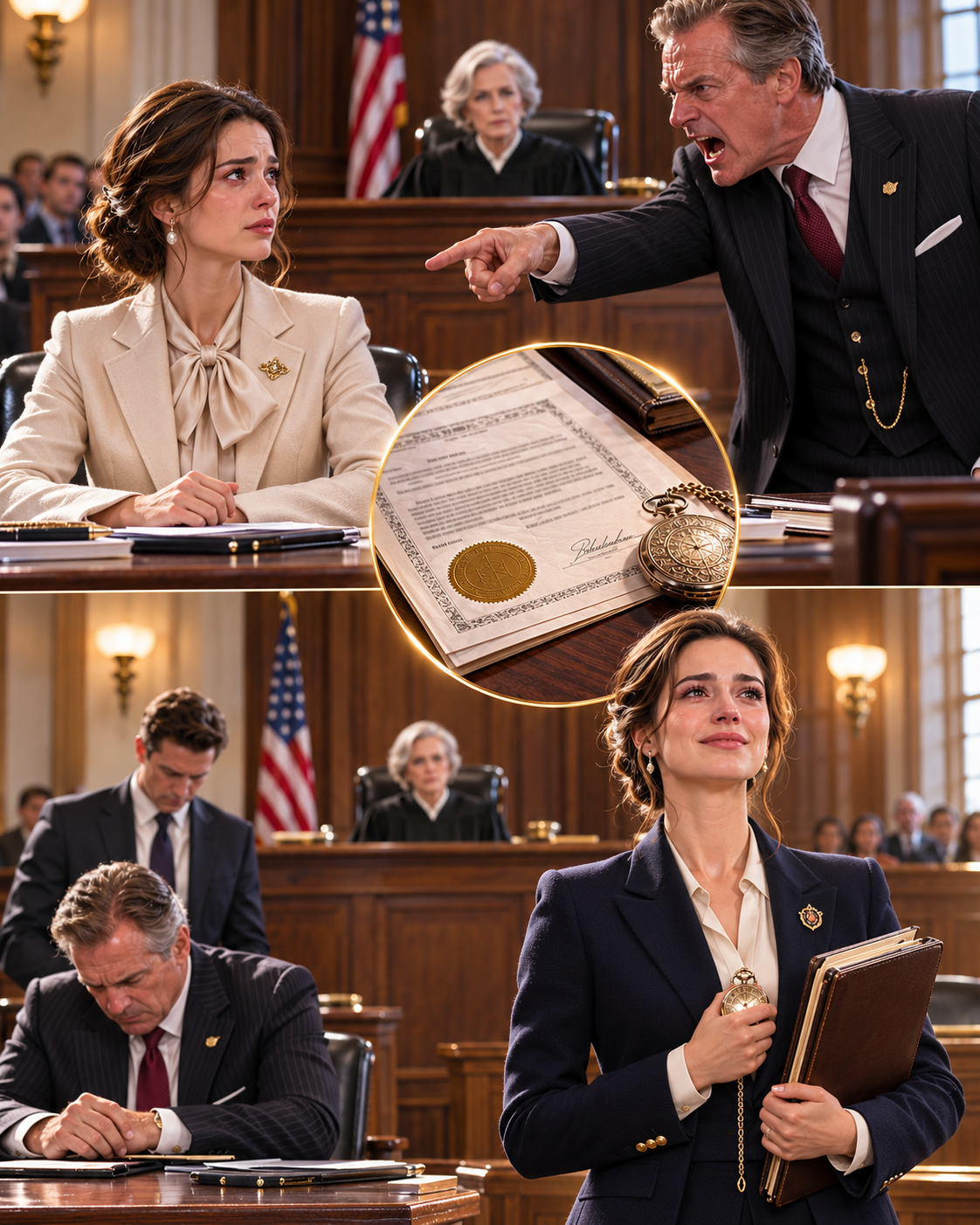
Grandpa continued.
“I haven’t forgotten who showed up when your mother died,” he said. “And I haven’t forgotten who showed up afterward.”
“Please don’t make decisions because you’re angry at him.”
He paused.
“I’m not making a decision because I’m angry at Reed. I’m making it because I know who my family is.”
The following week, he met privately with an estate-planning attorney.
I drove him to the office and waited at a nearby coffee shop.
I wasn’t present during their discussion and never asked what the will contained.
When Grandpa returned, he looked relieved.
“All settled,” he said.
“Good.”
“Now take me somewhere for lunch. Important legal decisions make me hungry.”
Approximately eighteen months later, his heart began failing.
His strength gradually declined, and our routines changed.
I drove him to medical appointments, organized medications, prepared meals, and continued working.
Sometimes I worked late after spending hours beside him in the hospital.
Dad later called this isolation.
In reality, Grandpa made his own decisions about whether to speak with him.
During his final year, he spent more time organizing watches, tools, and engineering drawings.
Once, I found drawings scattered across his study.
“Are you throwing these away?” I asked.
He looked horrified.
“Absolutely not.”
“Then why are they all over the floor?”
“Because I’m deciding which ones you’ll appreciate.”
I laughed.
“I don’t know anything about bridge design.”
“You know how to ask good questions.”
He showed me a drawing of a steel truss bridge.
“See this?”
I nodded.
“Every load needs a path. If the force has nowhere to go, something eventually breaks.”
Then he added:
“People are a little like structures. You can’t keep putting weight on the same connection forever.”
I didn’t fully understand how much those words applied to me until later.
Grandpa died on a rainy Tuesday morning in March.
I was beside his bed, holding his hand.
There was no elaborate farewell.
He squeezed my fingers once.
Then he was gone.
Three weeks after the funeral, Dorothea contacted me about his estate.
Grandpa had named me the sole beneficiary of his remaining property after expenses and obligations.
The house, savings, bonds, watches, tools, drawings, and even our kitchen table were mine.
I cried as Dorothea explained the provisions.
Not because of the money, but because Grandpa had prepared for a future in which I would have to live without him.
Then she told me Dad had contacted her office.
“He says your grandfather was no longer competent when he signed the will.”
I closed my eyes.
“And he intends to contest it.”
When the petition arrived, I found the allegation that made my hands go cold.
“The respondent has a longstanding history of substance abuse and financial dependency.”
I immediately called Dorothea.
“He’s lying.”
“I know what he’s alleging.”
“No. You don’t understand. He’s been saying this for years.”
She asked whether I had documents establishing my professional and financial history.
“Yes.”
“Good,” she said. “Then we’re going to make sure the court sees what matters.”
Now, in the courtroom, the attorneys returned from their conference.
Patrick looked visibly unsettled.
Dad leaned toward him.
“What did she say?”
Patrick remained silent.
“What did she say?” Dad repeated.
“Please stop talking.”
Judge Whitcomb addressed everyone.
“For the record, I recognize Ms. Marlowe as an expert witness who testified in a separate matter previously heard before this court.”
She continued.
“My familiarity with that proceeding will not be treated as evidence in this case,” she continued. “The parties’ positions will be decided on the admissible evidence presented here.”
Patrick requested additional time to examine my records.
Dorothea stood.
“Those materials were included in our disclosures, Your Honor.”
Patrick attempted to explain.
“They were provided six weeks ago,” Dorothea said.
The judge checked the file.
“I see the disclosure confirmation.”
Dad turned toward Patrick.
“You had these?”
Patrick didn’t respond.
He had prepared to challenge the woman my father described, not the woman I actually was.
Earlier, Grandpa’s estate-planning attorney had testified that she’d met him privately, confirmed he understood his assets and intended beneficiaries, and documented his reasons for changing his will.
A witness to the signing had confirmed Grandpa appeared alert, spoke coherently, and signed voluntarily.
There was no evidence that I directed his answers.
But Dad had continued accusing me.
Now Dorothea began cross-examining him.
“Mr. Marlowe, you testified that your daughter has been addicted to drugs since she was nineteen.”
“That’s correct.”
“Have you ever personally seen her use an illegal drug?”
Dad shifted.
“I’ve seen the effects.”
“That wasn’t my question.”
“No, not directly.”
“Have you ever seen her purchase one?”
“No.”
“Have you ever seen her in possession of one?”
“Not that I can remember.”
“Have you ever taken her to a rehabilitation facility?”
“No.”
“Have you ever seen documentation that she was admitted to one?”
“No.”
“Have you ever received a medical diagnosis identifying her as having a substance use disorder?”
He glanced toward Patrick.
“No.”
Dorothea paused.
“So the claim you made under oath is not based on any drug use you personally witnessed, any medical documentation you possess, or any treatment history known to you. Correct?”
Dad reddened.
“You’re twisting my words.”
“I’m asking where your information comes from.”
“I know my daughter.”
Dorothea nodded.
“Let’s discuss that.”
She asked when he’d last visited my workplace.
He couldn’t answer.
“Have you ever visited it?”
“No.”
“When was the last time you asked her what she does professionally?”
“I know what she does.”
“What does she do?”
Silence.
Finally, he said:
“She works with numbers or something.”
Dorothea pressed him about my qualifications.
Dad admitted he didn’t know I’d become a CPA or senior forensic accountant.
He didn’t know about my court testimony, my professional reviews, or my financial independence.
Then Dorothea presented the bank records showing years of rent payments and household contributions.
Dad examined them reluctantly.
“Do you see the payments?”
“Yes.”
“Do you dispute that these transfers came from your daughter’s accounts?”
“I don’t know.”
“Do you have evidence that they came from anyone else?”
“No.”
She continued questioning him about my education, employment, and our estrangement.
Each answer exposed another gap in his knowledge.
Finally, she asked:
“Is it fair to say that much of what you’ve told this court about her adult life was based on assumptions you never verified?”
“No.”
“Then what was it based on?”
Dad looked directly at me.
“She knows what she was,” he snapped.
Dorothea remained calm.
“That isn’t evidence, Mr. Marlowe.”
Dad struck the witness stand.
“You weren’t there!”
Judge Whitcomb intervened.
“Mr. Marlowe.”
He froze.
“Control yourself.”
But Dorothea wasn’t finished.
She turned to Grandpa’s will and asked whether Dad had ever obtained medical evidence of incompetence, requested a conservator, or reported concerns to his attorney.
He admitted he hadn’t.
Then she asked whether Grandpa had promised him an inheritance.
“No.”
“Did he ever tell you that you were entitled to control his estate?”
“No.”
“Did he ever appoint you to manage his finances?”
“No.”
Dorothea turned another page.
“Then let’s talk about the last time you visited him.”
I knew exactly which afternoon she meant.
Five months before Grandpa died, Dad had appeared at our house demanding information about the estate.
Grandpa had been perfectly clear about his wishes.
And the confrontation that followed would reveal the real reason my father was fighting the will.
PART 3: THE INHERITANCE HE COULD NEVER TAKE
That October afternoon, Dad had arrived at Grandpa’s house without warning.
Grandpa was resting, and I asked Dad to call before visiting next time.
He became angry.
“Are you seriously going to keep me from seeing my own father-in-law?”
“That’s not what I said.”
“Then move.”
Before the argument escalated, Grandpa appeared.
“Reed?”
Dad immediately changed his expression.
“Walter. Good to see you.”
They discussed ordinary matters for several minutes before Dad brought up money.
He mentioned retirement expenses, his marriage to Mom, and the importance of protecting the family’s future.
Then he asked whether Grandpa’s estate documents were current.
“They are.”
Dad leaned forward.
“I just want to make sure Anne’s share is protected.”
“Anne has been gone a long time, Reed.”
“I know that.”
“Then what are you asking?”
Dad smiled.
“I think it’s fair that the family should remain provided for.”
Grandpa answered calmly.
“Claire is family.”
Dad laughed without amusement.
“Claire’s thirty years old and still living in your house.”
“That’s correct.”
“Doesn’t that concern you?”
“Why would it?”
“Because she’s taking advantage of you.”
Grandpa’s expression hardened.
“Reed, I’ve made my arrangements.”
Dad leaned closer.
“Walter, she’s not what you think she is.”
“Be careful.”
“She’s been lying to you for years.”
“About what?”
“About her life. About what happened after she left home.”
Grandpa folded his hands.
“I know what happened after she left home.”
Dad shook his head.
“No, you know what she tells you.”
Grandpa spoke quietly.
“I watched her finish college. I watched her build a career. I’ve watched her work through problems that would have overwhelmed people twice her age.”
Then he continued.
“I also watched her spend years trying to convince herself you might eventually be proud of her.”
Dad looked away.
“You didn’t come here to ask about me, Reed.”
“That’s not fair.”
“You came here to ask about my money.”
Dad flushed.
“I’m entitled to be concerned.”
“You’re entitled to feel whatever you feel. You’re not entitled to decide what I do with my property.”
Dad stood.
“She’s turned you against me.”
Grandpa answered firmly.
“No.”
Then he added:
“No one turned me against you,” Grandpa said. “You did that yourself.”
Dad stared at him.
“You’re making a terrible mistake.”
Grandpa nodded.
“Possibly. I’m eighty-two years old. I’ve made plenty.”
He looked toward me.
“But this isn’t one of them.”
Finally, Grandpa asked Dad to leave.
Afterward, I apologized for the confrontation and suggested moving out so nobody could accuse me of influencing him.
Grandpa refused.
“My money isn’t a prize I’m awarding to whoever pleases me most. And it isn’t a debt I owe Reed because he married your mother.”
He explained that he’d built his own life and had the right to decide what happened to his property.
“But he’ll blame me.”
“Yes,” Grandpa said.
Then he squeezed my hand.
“That’s why you mustn’t let his opinion become the measure of whether you’re doing something wrong.”
Back in court, Dorothea questioned Dad about that visit.
He claimed Grandpa had been confused and that I’d controlled the conversation.
But his answers revealed otherwise.
“Did Mr. Avery tell you his estate arrangements were his own decision?”
“He said things like that.”
“Did he tell you he knew what he was doing?”
“He was confused.”
“Did he ask you to leave?”
“Yes.”
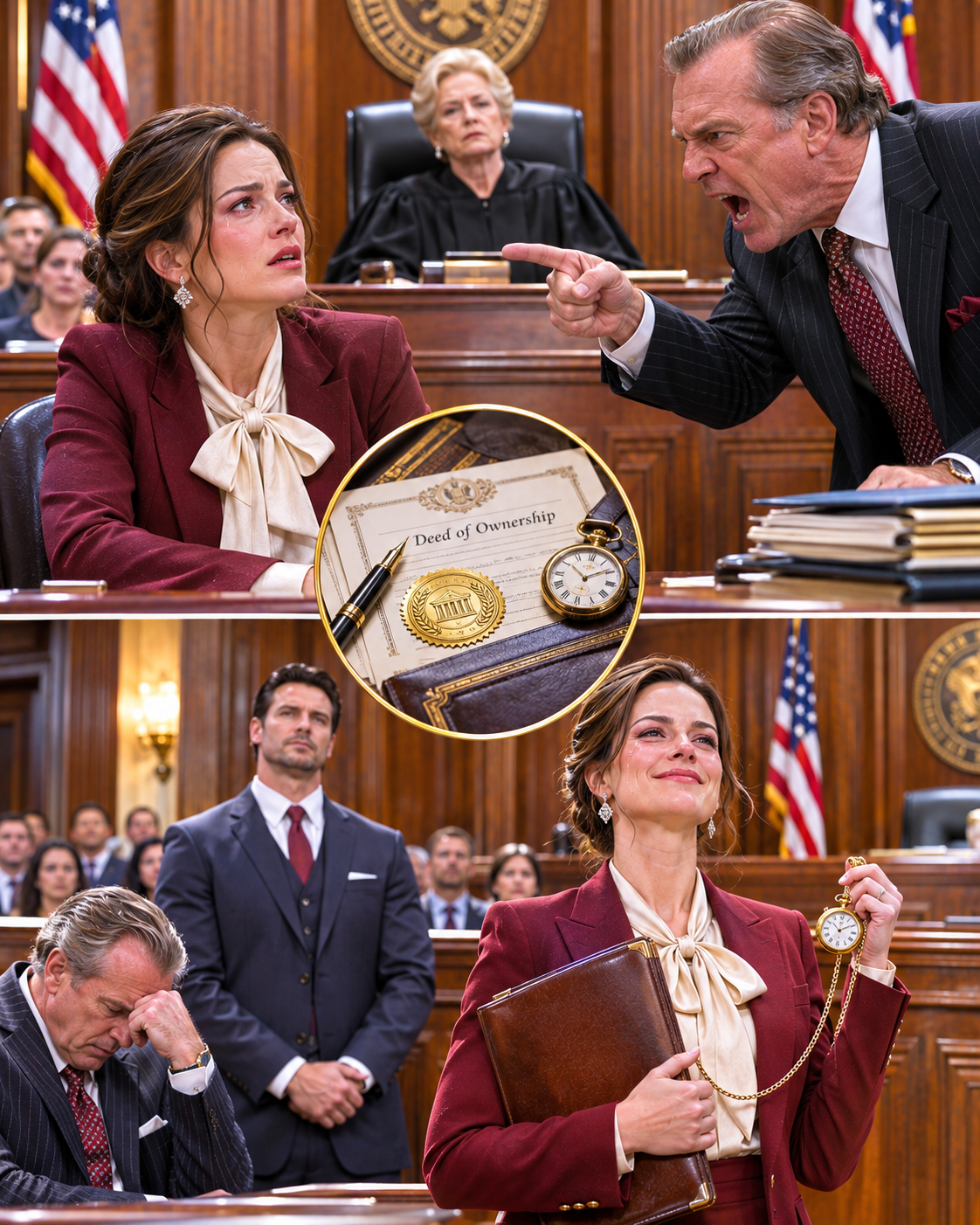
“Did Ms. Marlowe ask you to leave?”
“She was there.”
“That wasn’t my question.”
“No.”
“Who told you to leave?”
Dad lowered his eyes.
“Walter.”
Dorothea continued.
“Did you tell Mr. Avery he was making a mistake?”
“Yes.”
“Did he change his decision?”
“No.”
“Did he agree to leave you any additional money?”
“No.”
The evidence became increasingly difficult for Dad to explain.
Grandpa’s estate-planning attorney confirmed that he’d signed his will before his final medical decline, had understood his assets, and had independently explained his decisions.
She also revealed that Grandpa had deliberately excluded me from their private discussions.
“He told me he didn’t want anyone to question whether the decision was his.”
Then Dorothea asked what Grandpa had said about leaving me the house.
The attorney checked her notes.
“He told me he wanted her to have the house because it was already her home.”
My eyes filled with tears.
Grandpa hadn’t simply left me property.
He had protected the place where I’d finally felt safe.
When Dorothea called me to testify, I answered questions about my education, career, household contributions, and Grandpa’s care.
“Did you ever ask him to leave you his estate?”
“No.”
“Did you ever threaten to withdraw your help if he didn’t?”
“No.”
“Did you know the precise terms of his final will before his death?”
“No.”
“Did you attend the meetings where he discussed that will with his attorney?”
“No.”
“Did you tell him whom to include or exclude?”
“No.”
Dorothea eventually asked:
“Did you love your grandfather?”
I looked down.
“Yes.”
My voice trembled.
“He was the person I called when I didn’t know where to go. He never made me feel like I had to earn the right to be loved.”
I swallowed.
“He taught me how to take care of myself. And when he needed help, I wanted to be there for him.”
Then I said the truth I’d carried throughout the hearing.
“I would have taken care of him if he’d left me nothing.”
Patrick attempted to challenge my credibility, suggesting my financial expertise could have enabled manipulation.
But the documents established my contributions, while Grandpa’s attorney confirmed he’d made his decisions privately.
I answered calmly.
“Mr. Drummond, you can call it whatever you like. The bank records show what I paid. My employment records show what I earned. And the attorney’s records show that Grandpa made his estate decisions privately.”
I continued.
“I didn’t decide his will. He did.”
Patrick eventually sat down.
But before closing arguments ended, Dad stood unexpectedly.
“Your Honor, I need to say something.”
Patrick tried to stop him.
Dad continued, insisting he’d been married to Grandpa’s daughter for twenty-four years and deserved recognition.
“My wife died,” he continued. “I lost her, too. Doesn’t that count for anything?”
He pointed toward me.
“She gets the house. The investments. Everything. And what do I get?”
Nobody answered.
“Nothing.”
That one word revealed more than his earlier accusations.
He wasn’t thinking about Grandpa’s wishes.
He was thinking about the inheritance he believed he’d lost.
Judge Whitcomb made clear that his outburst wasn’t additional testimony.
After the closing arguments, she reviewed the evidence and explained her decision.
“The record does not establish that Mr. Avery lacked testamentary capacity when the will was executed.”
My fingers tightened around the chair.
“Nor does the evidence establish that Ms. Marlowe procured the will through undue influence.”
The judge explained that Grandpa’s age, medical needs, and close relationship with me did not invalidate his properly executed will.
His reasons had been independently documented and consistently expressed.
“The contest is denied. The final will remains valid.”
For several seconds, I couldn’t move.
Then Dorothea touched my arm.
“Claire.”
I looked at her.
“It’s over.”
Tears filled my eyes.
Not because I’d won money.
Because I no longer had to defend Grandpa’s final loving decision.
After the hearing, Dad approached me in the hallway.
“Claire.”
I turned.
“What?”
He looked uncomfortable.
“I didn’t know.”
I waited.
“About your job.”
He cleared his throat.
“Nobody told me.”
I felt a familiar ache.
“You never asked,” I said.
He frowned.
“Well, how was I supposed to know?”
“By calling me. By asking. By reading the graduation announcement I sent you.”
I reminded him of the messages he’d ignored and the milestones he’d dismissed.
He looked away.
“I didn’t know you were doing all that.”
“No. You didn’t.”
For a moment, I thought he might apologize.
Instead, he said:
“You still should’ve told me about the will.”
I stared at him.
“I’m your father. You should’ve talked to me before letting Walter do this.”
Even after everything, he still couldn’t accept that Grandpa had made his own decisions.
“Grandpa made his own decisions,” I said.
Dad laughed bitterly.
“That’s what everybody keeps saying.”
“Because it’s true.”
Then he asked:
“Do you have any idea what that estate is worth?”
I looked at him.
“Yes,” I said quietly.
His face tightened.
“Then you understand why I had to fight.”
“No.”
“You don’t?”
“No.”
I took a breath.
“I understand why you wanted the money. I don’t understand why you were willing to destroy my reputation to try to get it.”
Dad dismissed my feelings.
“Don’t be dramatic.”
I looked straight at him.
“You stood in a courtroom and called me a drug addict.”
He avoided my eyes.
“I was trying to explain the situation.”
“You lied.”
“That’s your opinion.”
“No,” I said. “It’s what happened.”
Then he offered to resolve matters privately.
“Claire, we can still settle this privately.”
“Settle what?”
“The family situation.”
He lowered his voice.
“I’m not asking for everything.”
I understood immediately.
He still wanted part of Grandpa’s estate.
“Are you asking me to give you part of Grandpa’s estate?”
“I’m asking you to remember that I’m your father.”
Tears rose in my eyes.
For eleven years, I’d wanted him to remember that very thing.
“I did remember.”
He frowned.
“What?”
“That you’re my father.”
I reminded him how often I’d tried to maintain our relationship.
Then I told him what I’d finally understood.
“But you didn’t remember that you had a daughter until you thought she was standing between you and an inheritance.”
Dad stared at me.
I stepped away.
“You could’ve had a relationship with me. You could’ve known who I was.”
He said nothing.
“But you wanted the money more.”
I turned toward Dorothea.
“Can we go?”
“Of course.”
As we walked away, Dad called after me.
“Claire, you’re going to regret turning your back on your family.”
I stopped.
For a moment, I considered explaining everything again.
But I knew he would only argue.
So I answered:
“I didn’t turn my back on my family.”
I touched Grandpa’s pocket watch in my pocket.
“I went home to it.”
Then I left.
That night, I sat at Grandpa’s kitchen table long after midnight.
Franklin slept in his favorite armchair.
Grandpa’s glasses, coat, and engineering drawings remained where he’d left them.
I opened a drawer and discovered an ordinary shopping list in his handwriting.
Coffee.
Cat food.
Lightbulbs.
Apples.
At the bottom, he’d written:
Ask Claire about presentation Thursday.
I stared at those words.
A work presentation I’d mentioned casually.
Something so ordinary I couldn’t even remember which one it was.
But Grandpa had written it down because he wanted to ask about my life.
Because my achievements mattered to him.
Because he’d always been proud of me without requiring proof.
I pressed the paper against my chest and cried.
For Grandpa.
For Mom.
For the nineteen-year-old girl who’d been forced out of her home.
And for the father whose approval I’d spent so many years trying to earn.
Over the following months, the estate administration continued.
I kept working and remained in Grandpa’s house.
I repaired the porch, maintained his watches, donated some engineering books, and framed one of his bridge drawings.
I kept our kitchen table exactly where it had always stood.
Dad never apologized.
Eventually, a relative told me he was still claiming the court had treated him unfairly.
I didn’t argue.
The documents existed.
The testimony existed.
The will remained valid.
And I knew the truth.
One October morning, I sat at the kitchen table wearing Grandpa’s gray cardigan.
Franklin rested beside me, and the maple tree outside glowed orange.
I thought about my father pointing at me in court, certain he could convince everyone I was the person he’d invented.
I thought about Judge Whitcomb recognizing me.
And I realized something important.
The judge hadn’t created the truth by remembering my face.
The court transcript hadn’t created it either.
The truth had existed for eleven years.
In my education.
In my work.
In the bills I’d paid.
In the care I’d given Grandpa.
In our Sunday dinners, his watches, and his handwritten reminder to ask about my presentation.
My father had spent eleven years spreading a story about someone I wasn’t.
And he’d believed it so completely that he entered court without bothering to discover who I’d become.
He thought my greatest inheritance was Grandpa’s house and money.
He was wrong.
The most valuable thing Grandpa left me was the understanding that I didn’t need to spend my life proving my worth to someone determined not to see it.
The judge examined the evidence.
My father confronted the life he’d refused to acknowledge.
And I finally learned to see myself without looking through his eyes.
That was the inheritance he could never steal.
And this time, I intended to keep it.
THE END.
