

PART 1
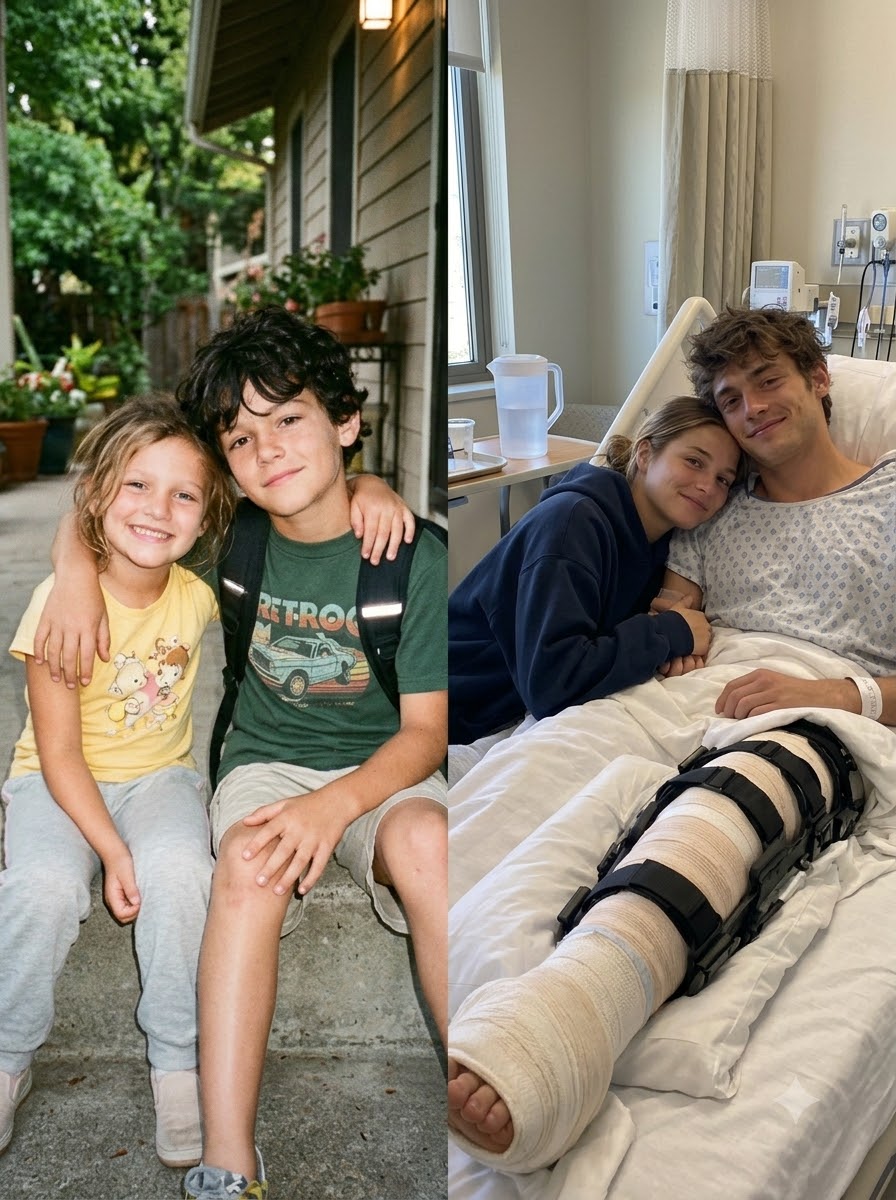
My son, Nolan, and Ainsley had been a couple since they were both sixteen.
By the time they were in their twenties, neither family bothered introducing them as boyfriend and girlfriend. Their relationship had become such a permanent part of our lives that we simply assumed they belonged together.
Ainsley had her own Christmas stocking hanging in our house. She knew exactly where I stored the expensive coffee, and every Thanksgiving, she helped my husband, Duncan, prepare dinner because neither of them trusted me anywhere near the turkey.
Her parents regularly attended our summer cookouts. We celebrated birthdays together, exchanged holiday gifts, and shared the ordinary moments that slowly turn two separate families into one.
When my mother passed away, Ainsley sat beside Nolan throughout the funeral. After everyone else had gone, she stayed behind to help me pack away the food our friends and neighbors had brought.
I never had to ask her.
She simply saw what needed doing and helped.
Somewhere along the way, I stopped thinking of her as my son’s girlfriend.
She felt like my daughter.
I was certain that one day Nolan and Ainsley would get married.
Looking back, I think everyone around us believed the same thing.
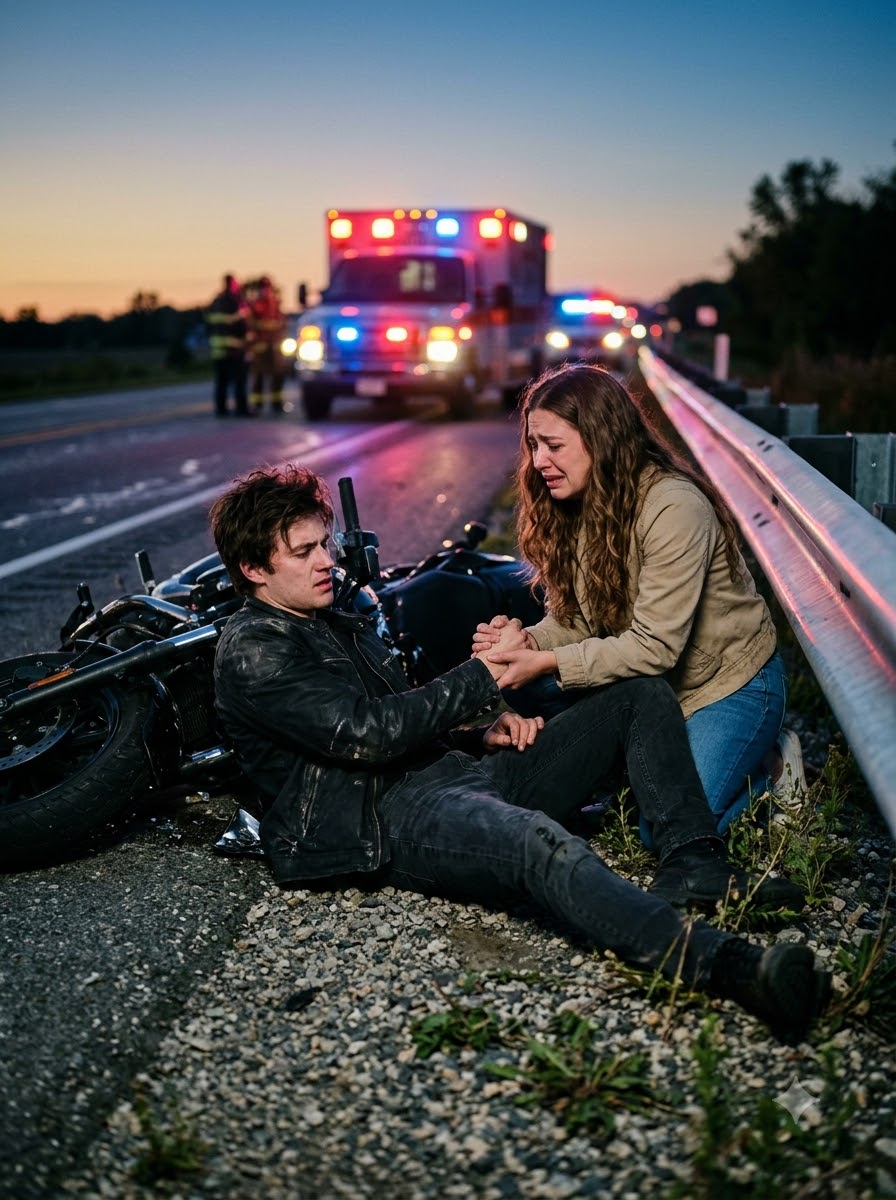
Then Nolan had his motorcycle accident.
I’d despised that motorcycle from the moment he purchased it.
The first time he rode into our driveway, smiling beneath his helmet, I told him he’d spent thousands of dollars on a machine whose sole purpose was to give his mother a heart attack.
He laughed at my reaction.
Ainsley didn’t.
She hated the motorcycle just as much as I did.
The accident happened on a Tuesday evening, along a quiet road outside town.
No other vehicle was involved.
Nolan lost control, crashed through a roadside barrier, and struck the ground with enough force to fracture his left leg in multiple places.
His knee suffered extensive damage.
One wrist was broken.
He also sustained a concussion.
The doctors repeatedly told Duncan and me how fortunate our son had been.
But I remember standing beside his hospital bed, staring at the metal supports surrounding his injured leg, wondering how anyone could use the word fortunate.
My child lay pale beneath the harsh fluorescent lights, asking whether he would ever be able to walk normally again.
Nothing about that felt fortunate to me.
Nolan underwent two surgeries during his first week in the hospital.
Another procedure followed later.
Eventually, the medical team began expressing cautious optimism.
They believed he would walk again, although they couldn’t predict exactly how long his recovery would take.
He might have a permanent limp.
Or he might recover without one.
Either way, rehabilitation would be exhausting, painful, and slow.
But there was one warning the doctors delivered without hesitation.
No more motorcycles.
Another serious injury to that same leg could leave him permanently disabled.
Nolan heard the hopeful prediction that he would eventually walk again.
What stayed with him was the certainty that he would never ride his motorcycle again.
He’d dreamed of owning that bike since he was a teenager.
I never fully understood his attachment to it.
But I knew what it meant to lose something around which you’d imagined an entire future.
So when Nolan withdrew into himself, I tried to give him space.
When he snapped at the nurses, I told myself he was suffering.
When he refused physical therapy one morning, I assumed fear was getting the better of him.
And through every difficult moment, Ainsley remained beside him.
Every single day.
She arrived directly from university, usually in leggings with her dance bag hanging from one shoulder.
Sometimes her hair was still pinned up from class.
Other times, she hadn’t even changed out of her rehearsal clothes.
She sat beside Nolan while he slept.
She helped him eat when his medication made him feel sick.
She argued with him until he agreed to complete his prescribed exercises.
At night, she curled up in the uncomfortable vinyl chair next to his hospital bed.
More than once, I arrived early in the morning to discover her asleep with her neck bent at such an unnatural angle that my own neck ached just looking at her.
One morning, I gently shook her shoulder.
“Ainsley, go home,” I told her once.
She opened one eye.
“I’m fine.”
“You’re sleeping sitting up.”
“I’m young.”
“You’re twenty-two, not made of rubber.”
She gave me a tired smile.
But she stayed.
At first, I thought her devotion was beautiful.
I told myself this was what real love looked like.
Then I began noticing how many dance classes she was missing.
Dancing wasn’t a casual hobby Ainsley enjoyed on weekends.
She’d trained since she was four years old.
She was completing her degree and intended to teach professionally before eventually opening a studio of her own.
Her final year was important.
Attendance mattered.
Rehearsals mattered.
Every assessment mattered.
One afternoon, while she peeled an orange for Nolan, I asked her a question.
“How many classes have you missed?”
“I’m catching up.”
“Your instructors are okay with that?”
She glanced toward Nolan, who was sleeping.
Then she answered softly.
“Not really.”
Something in her voice unsettled me.
I should have asked more questions.
I should have wondered why a young woman who had devoted nearly her entire life to dance was suddenly allowing her future to slip away.
Instead, I embraced her.
“You’re so good to him.”
For the briefest moment, her body stiffened.
Then she returned my hug.
“He’s having a hard time.”
I interpreted those words as devotion.
Now I understand there was something else beneath them.
Two months after the accident, Nolan was transferred to an inpatient rehabilitation center.
That’s where everything finally came apart.
Duncan and I had gone downstairs to get coffee.
As we returned, we heard raised voices before reaching Nolan’s room.
Ainsley was shouting.
In all the years I’d known her, I could barely remember hearing her raise her voice.
“Stop saying that!”
Then Nolan shouted back.
“Then go! Nobody’s making you stay!”
Ainsley responded instantly.
“You know that’s not true!”
“What do you want from me?”
“I want you to stop pretending you don’t know what you’re doing!”
Something struck the floor.
A moment later, Ainsley emerged from the room.
Her cheeks were flushed, and tears covered her face.
She nearly collided with me.
“Ainsley?”
She pressed a hand over her mouth and shook her head.
Then she hurried toward the elevators.
I entered Nolan’s room first.
He sat staring at the wall.
A plastic water cup lay on the floor beside his bed.
“What happened?”
“Nothing.”
“That didn’t sound like nothing.”
“We broke up.”
I waited for him to explain.
Instead, he pulled the blanket higher.
“I don’t want to see anybody.”
“That would be easier if your mother weren’t already standing here.”
“Mom.”
“What happened?”
“Please just leave.”
I studied his expression.
Something was terribly wrong.
I could feel it.
But I couldn’t understand what it was.
So I went after Ainsley.
The elevator had just arrived when I caught up with her.
“Ainsley, wait.”
She turned toward me.
Her face seemed to crumple completely.
“I’m sorry,” she whispered. “I can’t keep pretending anymore.”
“Pretending what?”
She shook her head.
“Let him tell you.”
“Tell me what?”
“He has to tell you, Helene. It can’t come from me.”
Then the elevator doors slid shut between us.
I returned directly to Nolan’s room.
He saw my expression and immediately looked away.
“What does she mean?”
“Nothing.”
“Nolan.”
“Mom, don’t.”
“Did you cheat on her?”
His head jerked toward me.
“No.”
“Did she cheat on you?”
“No.”
“Then what am I supposed to know?”
He remained silent for a long time.
Finally, in a voice so quiet I almost missed it, he said:
“The accident wasn’t exactly an accident.”
A cold sensation swept through my entire body.
“What does that mean?”
“There wasn’t another car.”
“I know that.”
“I mean… I didn’t just lose control.”
I pulled the chair closer to his bed.
“Nolan.”
He covered his face with both hands.
Then he told me something that made the previous two months look completely different.
“Ainsley had broken up with me.”
I stared at him.
“What?”
“That night.”
“That makes no sense. She’s been here every day since.”
“I know.”
“You’ve been together.”
“No.”
The room suddenly seemed to close in around me.
For two months, I’d believed I was watching two young people face a terrible accident together.
Now my son was telling me their relationship had already ended before he ever climbed onto that motorcycle.
And I was about to discover why Ainsley had been too frightened to walk away.
PART 2
Nolan began explaining what had happened before the crash.
His relationship with Ainsley had been deteriorating for months.
As graduation approached, her university schedule had become increasingly demanding.
She spent long hours attending classes, rehearsing, and training.
Nolan was under pressure at work and resented how little time they were spending together.
At first, the problems sounded ordinary.
The kind of disagreements many young couples experience while trying to balance careers, ambitions, and relationships.
But as he continued, the picture changed.
Nolan complained whenever Ainsley stayed late at rehearsals.
He questioned her about the men she danced with.
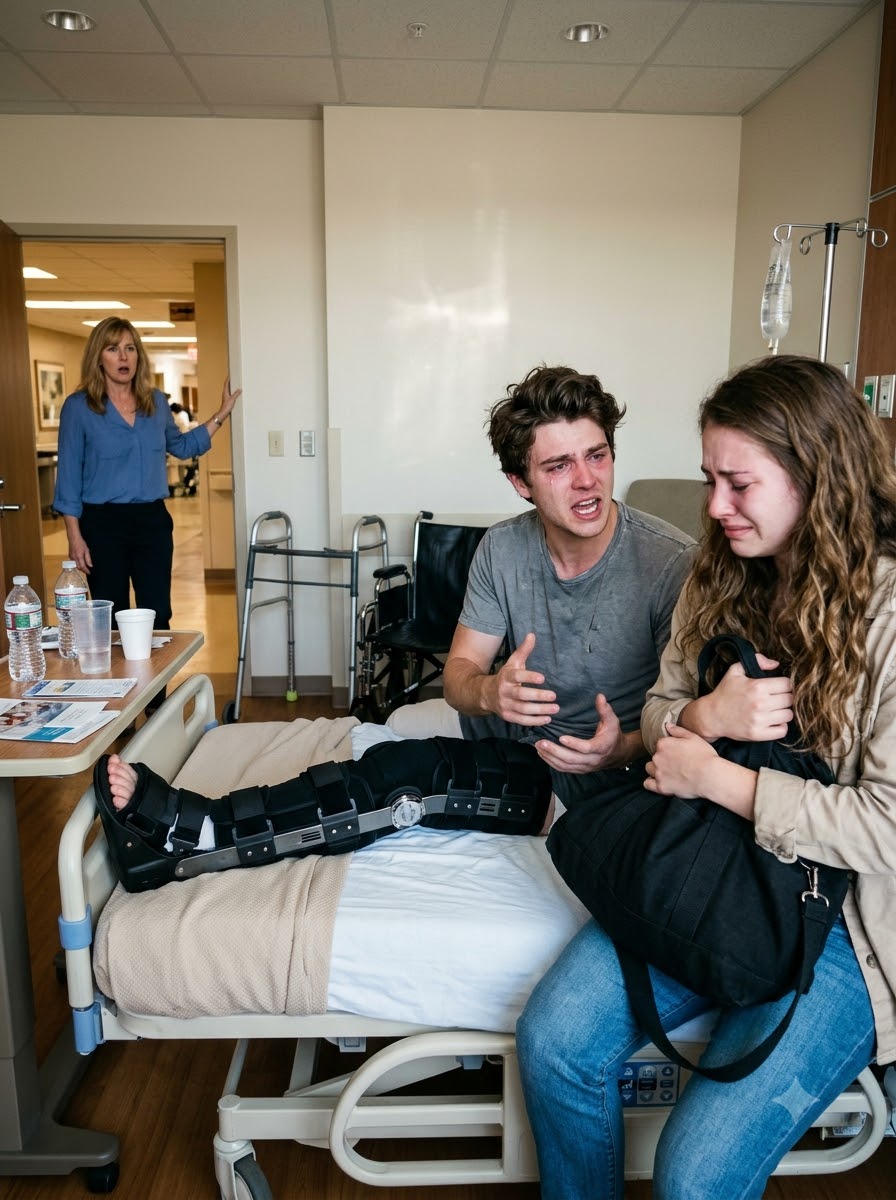
If she failed to answer his messages during class, he kept sending more.
Where are you?
Why aren’t you answering?
Who’s there?
Eventually, Ainsley began switching off her phone during lessons.
That only made Nolan angrier.
I stared at him, struggling to reconcile his confession with the son I thought I knew.
“But you always supported her dancing,” I said.
He lowered his eyes.
“In front of you.”
Those four words hurt more than I expected.
I’d believed I’d watched him encourage her ambitions for years.
Apparently, I’d only seen the version of their relationship he wanted me to see.
On the night of the accident, Ainsley finally told Nolan she couldn’t remain in the relationship.
“She said she was tired of proving she loved me every time she did something without me.”
I swallowed.
“And then?”
“She left.”
“What did you do?”
“I called her.”
“Did she answer?”
“No.”
After ending the relationship, Ainsley went to her friend Kara’s apartment.
She didn’t want to be alone.
Nolan knew where Kara lived.
He got onto his motorcycle and rode there.
Ainsley saw him waiting outside and sent him a message saying she didn’t want to speak with him.
He refused to leave.
She blocked his number.
He found another way to contact her.
I felt as though I couldn’t draw a full breath.
“What did you say to her?”
Tears filled Nolan’s eyes.
“I said if she really wanted me gone, then eventually she wouldn’t have to worry about me anymore.”
My stomach dropped.
“Nolan.”
“I wasn’t planning to die.”
“Then why would you say something like that?”
“I was angry.”
“You wanted her scared.”
He turned his face away.
Then he left Kara’s apartment on his motorcycle.
He rode fast.
Much too fast.
Ten minutes later, he crashed.
The hospital contacted Ainsley because Nolan had never removed her name from his emergency contact information.
She came immediately.
“She thought it was her fault,” he whispered.
And suddenly I understood what I’d been unable to recognize for two months.
Ainsley hadn’t stayed beside Nolan solely because she loved him.
She believed her decision to end their relationship had caused the accident.
“At first, I told her it wasn’t her fault,” Nolan said.
I looked directly at him.
“At first?”
He didn’t answer.
He didn’t need to.
During the painful days after surgery, Nolan had become terrified.
He couldn’t move without assistance.
He didn’t know whether he would ever walk properly again.
He was frightened of losing his independence.
And he was frightened of losing Ainsley.
One night, she mentioned going home.
Nolan responded:
“You already left once when I needed you.”
So she stayed.
Later, when she spoke about returning to her dance classes, he would withdraw into silence.
Sometimes he said:
“Do whatever you want.”
Other times:
“I guess we know what’s more important.”
He never explicitly threatened to hurt himself if she left.
He didn’t have to.
She’d already seen what remained of his motorcycle after the crash.
I stared at him.
“You let her believe leaving might make you do something reckless again.”
“I didn’t say that.”
“You knew she believed it.”
Nolan began to cry.
“I was scared.”
“So was she.”
“I needed her.”
“And she stopped being allowed to decide whether she wanted to stay.”
My words seemed to strike him harder than anything else I’d said.
I thought back over the previous two months.
Ainsley sleeping in that terrible chair.
Ainsley missing university classes.
Ainsley looking increasingly exhausted.
And me, wrapping my arms around her and praising her for being such a wonderful girlfriend.
Without realizing it, I’d helped convince her that caring for Nolan was her responsibility.
“Why did she finally leave today?”
Nolan wiped his cheeks.
“She has an assessment.”
Ainsley’s university was selecting student teachers for placements.
She’d already missed too many rehearsals.
If she failed to attend this assessment, her graduation could be delayed.
She told Nolan she had to go.
He answered:
“Fine.”
But when she began packing her dance bag, he told her not to bother returning.
Ainsley reminded him that their relationship had already ended.
Nolan accused her of abandoning him because he couldn’t walk.
That was when she finally lost her temper.
I remained seated beside my son for a long time.
Then I said:
“You need help.”
“I know. I’m in rehab.”
“Not for your leg.”
His expression changed.
“I mean somebody you can talk to about this. About jealousy. About fear. About why love became something you tried to control.”
He looked down.
“And Ainsley is done.”
“Mom.”
“No.”
“I love her.”
“Then let her leave.”
He cried.
So did I.
Because he was still my son.
Knowing what he’d done didn’t erase the little boy I remembered climbing into my bed during thunderstorms when he was five.
I still loved him.
I still wanted him to recover.
I still wished I could take away his pain.
But none of that meant I could pretend his behavior had been acceptable.
The following morning, I sent Ainsley a message.
Daniel told me everything. You don’t owe me a response. I just needed to say I’m sorry.
Twenty minutes later, my phone rang.
It was Ainsley.
“You didn’t know,” she said.
“I should’ve seen something.”
“You were worried about Nolan.”
“So were you.”
She began crying.
“I wanted to stay.”
“I believe you.”
“At first,” she added.
Those two words hurt.
She explained that immediately after the accident, she genuinely wanted to help Nolan.
Even though she’d ended their relationship, she still loved him.
She couldn’t bear the thought of him suffering alone.
But gradually, something changed.
She realized she was no longer staying because she’d freely chosen to.
Every time she considered leaving the hospital, she remembered the road where Nolan had crashed.
Every time she packed her dance bag, she wondered what he might do if he believed she was abandoning him again.
“I started thinking that if I left and something happened, everyone would know it was because of me.”
My heart broke hearing her say it.
“It would never have been your fault.”
“I know that now.”
Ainsley returned to university.
Her instructor allowed her to reschedule the assessment she’d missed.
She didn’t return to Nolan.
During the first few weeks, I think he kept expecting her to change her mind.
She didn’t.
Nolan remained in inpatient rehabilitation for another month and a half.
He began seeing a psychologist there.
At first, Duncan and I had to insist.
Eventually, he understood that he needed the sessions for himself.
His recovery now involved more than repairing the damage to his leg.
He had to examine behaviors he’d spent years describing as love.
Jealousy.
Fear of abandonment.
Control disguised as concern.
Using guilt when expressing his fears honestly felt too difficult.
The motorcycle accident hadn’t created those behaviors.
It had exposed what was already there.
Months passed.
Nolan progressed from needing extensive assistance to walking with a cane.
One day, he told me he’d written Ainsley a letter.
I asked whether he was hoping she’d take him back.
“No,” he said.
And for the first time, I believed he truly meant it.
In his letter, Nolan apologized without requesting another chance.
He acknowledged that he’d made Ainsley responsible for managing his emotions.
He admitted that he’d used his injuries and her guilt to keep her close.
He didn’t ask her to forgive him.
He didn’t ask her to visit.
He didn’t suggest they could start again.
Ainsley eventually replied.
Her response was only a few lines.
She was glad he was recovering.
She hoped he continued making progress.
That was all.
Nolan cried after reading her message.
Then he went to his therapy appointment.
And for the first time, I began to believe that my son might finally be learning the difference between loving someone and refusing to let them go.
PART 3
Today, Nolan can walk.
His recovery wasn’t perfect.
Cold mornings still cause him pain, and he’ll probably carry scars along his leg and knee for the rest of his life.
Some days are easier than others.
There are movements he has to approach carefully, and reminders of the accident that will never entirely disappear.
But he can walk.
The motorcycle was sold for parts.
The machine that once represented freedom and adventure to him is no longer part of his life.
And although losing it was painful, I’ve come to understand that the motorcycle wasn’t the most important thing he had to let go of.
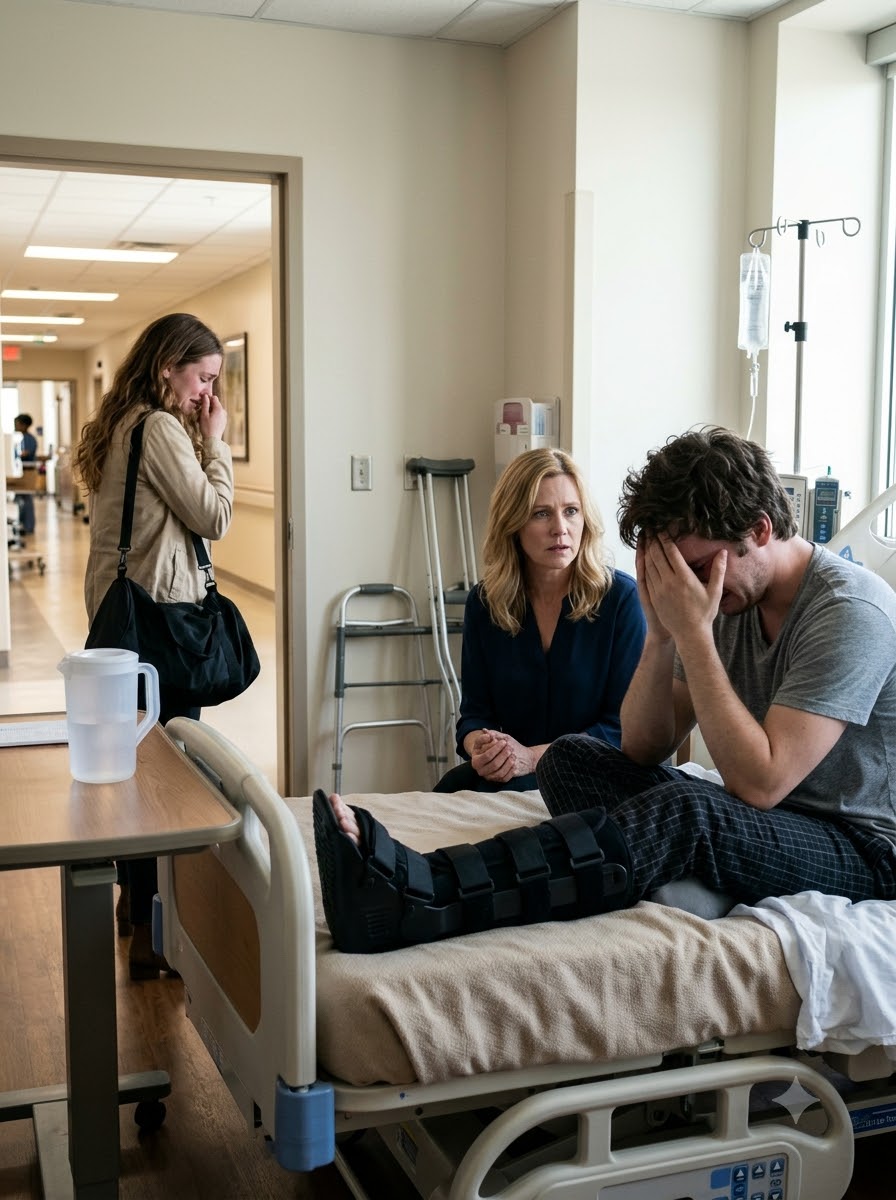
He also had to surrender the belief that loving someone gave him the right to control their choices.
That lesson was much harder.
Ainsley graduated.
She teaches dance now.
I know because every Christmas, she still sends Duncan and me a card.
Last year’s card included a photograph of her standing inside a bright dance studio, surrounded by children wearing matching dance clothes.
She looked happy.
Confident.
At home in the world she’d worked toward since she was four years old.
On the back, she’d written that she was happy and busy and hoped we were doing well.
I cried after reading it.
Not because I wanted her to reunite with Nolan.
I don’t.
She owes neither my son nor our family another chance.
I cried because for years, I’d considered Ainsley almost like a daughter.
She’d been present at our holidays.
She’d shared our family celebrations.
She’d comforted us through grief.
She’d helped prepare our Thanksgiving dinners and stayed after my mother’s funeral when everyone else had gone home.
She’d become part of the ordinary rhythm of our lives.
Yet when Nolan was injured, I’d quietly accepted that she should be responsible for keeping him emotionally together.
I’d praised her for sacrificing her sleep.
I’d admired her for missing classes.
I’d thanked her for staying beside him when she was clearly exhausted.
I had mistaken her fear for devotion.
I had seen her commitment to Nolan without asking what that commitment was costing her.
I never intended to place that burden on her.
But good intentions didn’t make it any lighter.
For a long time, I thought the hardest lesson of Nolan’s accident would be accepting that my son might never walk normally again.
I thought it would be learning how to support him through surgeries, physical therapy, pain, and disappointment.
I thought the greatest challenge would be helping him build a future that no longer included the motorcycle he’d loved so much.
I was wrong.
The most difficult lesson had nothing to do with the accident itself.
It was realizing that I could love my son with every part of my heart and still acknowledge that he hadn’t only been the person who was hurt.
He had hurt someone else.
Someone I’d loved like my own child.
Someone who had given him years of affection, patience, and support.
Someone who had tried to end their relationship honestly, only to find herself trapped by guilt after his reckless actions.
When Ainsley rushed out of that rehabilitation room crying, I thought she was abandoning Nolan at the moment he needed her most.
I thought she was walking away from a young man who was frightened, injured, and uncertain about his future.
I saw my son’s pain.
I didn’t see hers.
Not until Nolan told me what had happened before the crash.
Not until I understood the messages he’d sent, the fear he’d created, and the responsibility he’d allowed her to carry.
The truth was far more painful than the story I’d initially believed.
Ainsley had already stayed much longer than she should have.
She’d spent two months sacrificing pieces of her own future because she was terrified that choosing herself might lead to another tragedy.
She’d sat in that hospital chair night after night, wondering whether leaving would make her responsible for something she couldn’t prevent.
She’d missed rehearsals, endangered her graduation, and pushed aside the career she’d worked toward since childhood.
And through it all, she’d been praised for being loyal.
Including by me.
I still remember the way her body briefly stiffened when I hugged her and told her how good she was to Nolan.
At the time, I didn’t understand.
Now I do.
She wasn’t asking to be admired for staying.
She needed someone to recognize that she was allowed to leave.
And I hadn’t been that person.
I can’t change what happened.
I can’t give Ainsley those lost weeks back.
I can’t erase the fear she carried or the guilt Nolan placed on her.
But I can refuse to repeat the mistake of confusing sacrifice with love.
I can support my son’s recovery without defending the choices that hurt her.
I can be proud of the work he’s doing in therapy while understanding that improvement doesn’t entitle him to another chance with Ainsley.
And I can be happy for her without wishing she’d returned to our family in the way I’d once imagined.
I hope Nolan continues growing.
I hope he learns to love without controlling.
I hope he eventually understands that another person’s independence isn’t a rejection of him.
And I hope Ainsley keeps dancing.
I hope she opens the studio she’s dreamed of owning.
I hope the life she builds belongs entirely to her.
Because the day she walked out of Nolan’s hospital room wasn’t the day she stopped caring about him.
It was the first time in two months that she made a decision without allowing fear or guilt to make it for her.
And although it broke my heart to watch her leave, I finally understand that walking away wasn’t an act of cruelty.
It was an act of courage.
The kind of courage I should have recognized much sooner.
