

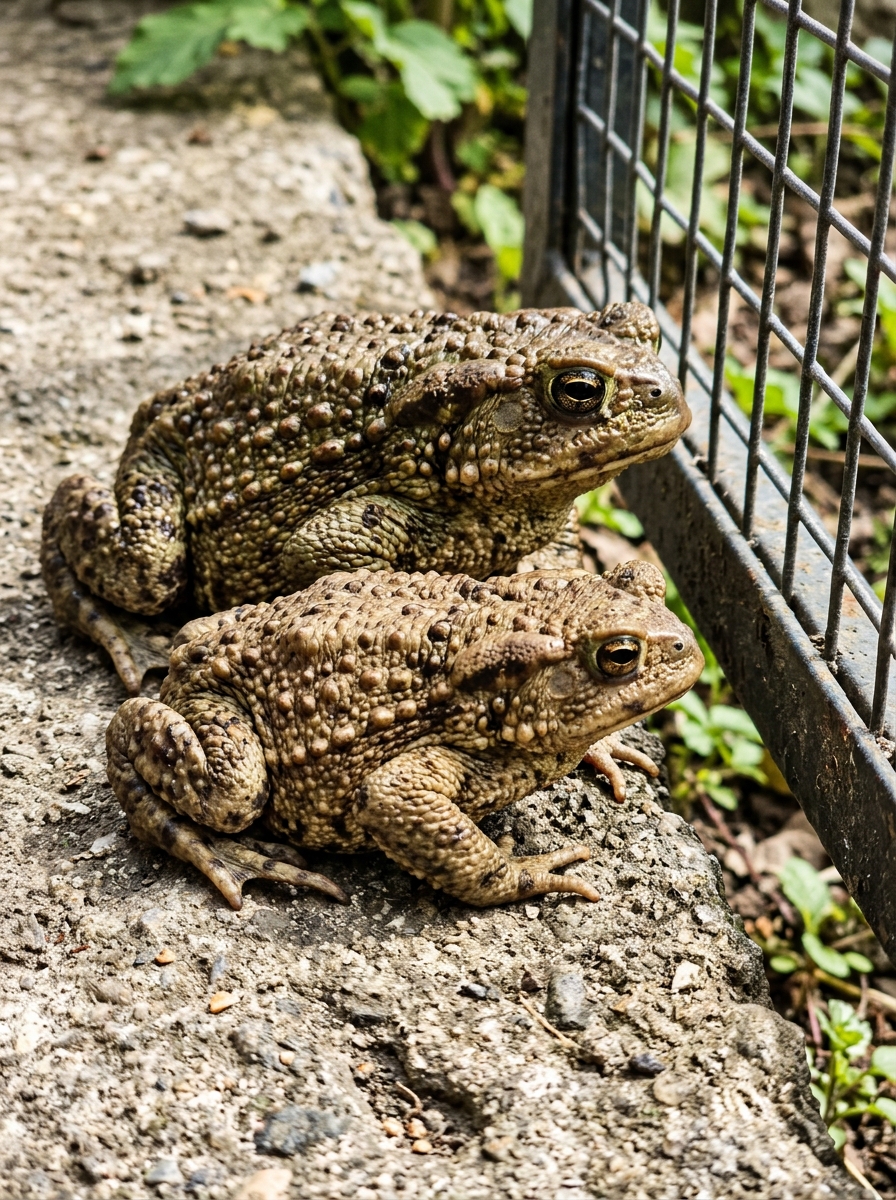
Occasionally, people are surprised to find a toad in their garden, near their doorstep, or even inside their home.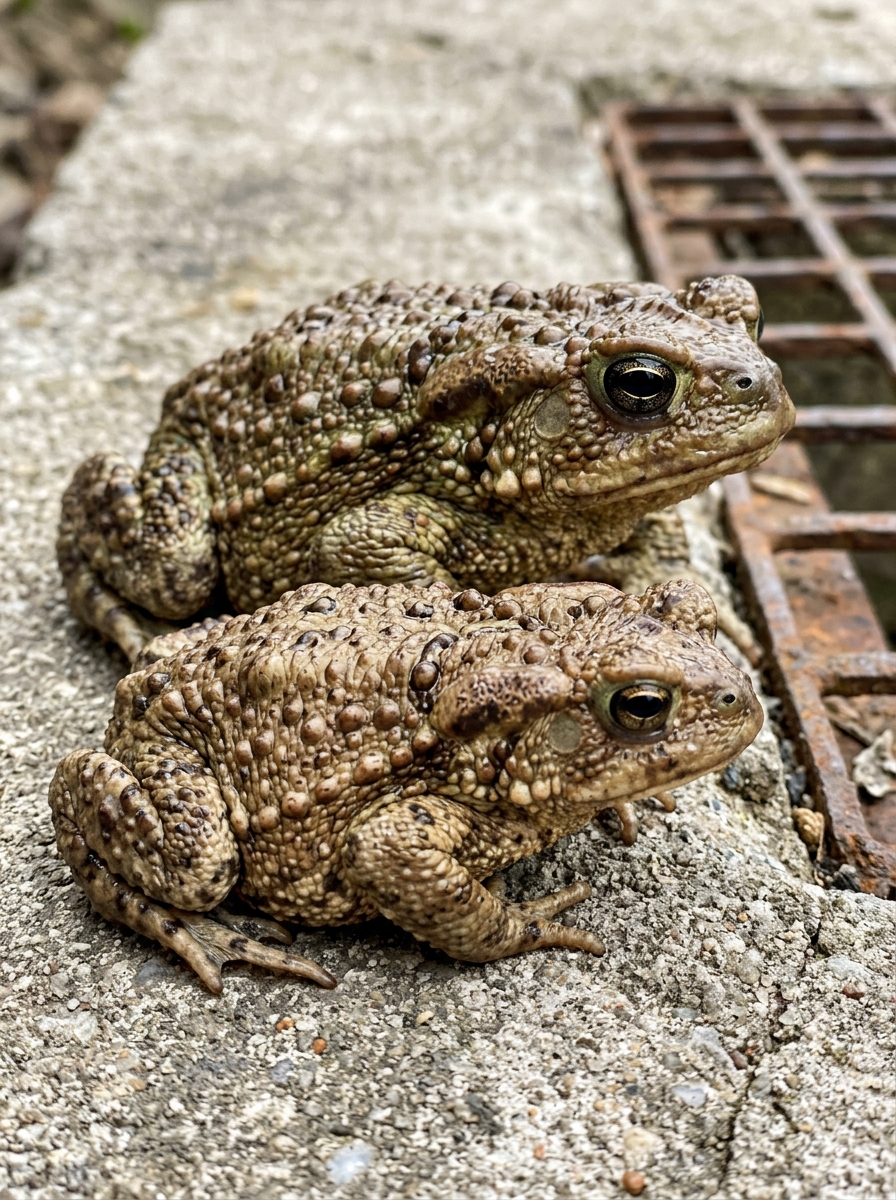
The immediate reaction is usually confusion. Some assume it simply wandered off course, while others feel instinctively that its presence could carry a deeper meaning.
In reality, a toad appearing in a home can be interpreted through two perspectives that have coexisted for centuries: a scientific explanation and a symbolic one.
Across history, toads have been surrounded by myths, folklore, and superstition. In different cultures, they have been feared, respected, or believed to carry hidden messages.
Beyond these mystical ideas, however, there are very practical reasons why they are drawn to human environments.
Toads are amphibians that depend heavily on moisture to survive.
They prefer cool, shaded spaces where food is abundant.
Their diet consists mainly of insects such as mosquitoes, crickets, and other small invertebrates.
Because of this, homes with gardens, potted plants, standing water, damp areas, or outdoor lighting that attracts insects can unintentionally become ideal shelters.
Their presence becomes more common during rainy periods or high humidity.
During such conditions, toads leave their usual hiding places in search of food or safer refuge.
They may enter homes through small gaps, cracks, or poorly sealed doors—driven entirely by instinct rather than intention.
They are not harmful and are not aggressive animals.
Beyond these natural explanations, many cultures interpret the arrival of a toad as symbolically meaningful.
In Eastern traditions, especially Feng Shui, the toad represents wealth and abundance.
The well-known “money toad,” often depicted holding a coin in its mouth, symbolizes prosperity and financial luck.
From this viewpoint, a toad near the home can be seen as a positive sign linked to material improvement.
In several Latin American traditions, the meaning shifts toward transformation and life transitions.
Because toads undergo a dramatic metamorphosis from tadpole to adult, they are viewed as symbols of change, renewal, and personal growth.
Their appearance may coincide with emotional shifts, the closing of life chapters, or internal transformation.
Some beliefs also suggest that toads act as energetic cleansers.
In these interpretations, they absorb or neutralize heavy or stagnant energy within a space.
Their presence may indicate a need to restore balance, clean the environment, or address unresolved emotional concerns.
Historically, toads were sometimes linked to misfortune or dark practices, largely due to misunderstanding and fear.
In truth, they are not negative omens. Ancient civilizations, including Egyptian and Celtic cultures, regarded them as symbols of fertility, protection, rebirth, and even quiet guardians of the home.
If toads appear frequently, it is useful to examine the surroundings.
Standing water, overgrown vegetation, and high humidity often explain their attraction.
Those who wish to discourage them can seal entry points, reduce moisture, and keep outdoor areas dry.
Otherwise, toads can serve as helpful natural allies by controlling insect populations.
From an ecological standpoint, toads play an important role in maintaining environmental balance.
Their presence often indicates a healthy ecosystem with strong biodiversity.
In contrast, their absence can sometimes suggest environmental degradation or pollution.
Ultimately, finding a toad in your home is not something to fear.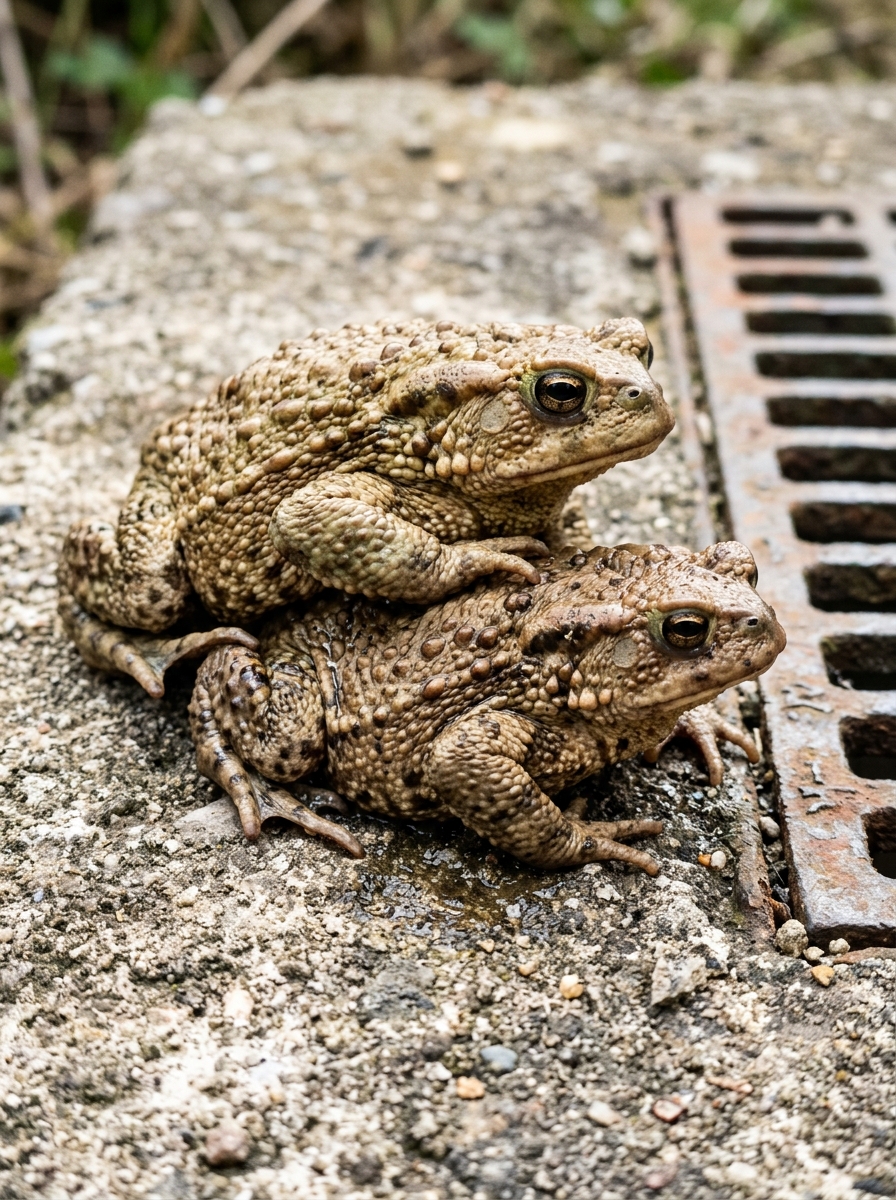
It may simply be an animal following its natural instincts—or, for those who favor symbolism, a quiet reminder that change is taking place.
Whether viewed scientifically or spiritually, the toad stands as a subtle messenger of balance, adaptation, and transformation, encouraging us to observe our surroundings and respect the natural rhythms of life.
