

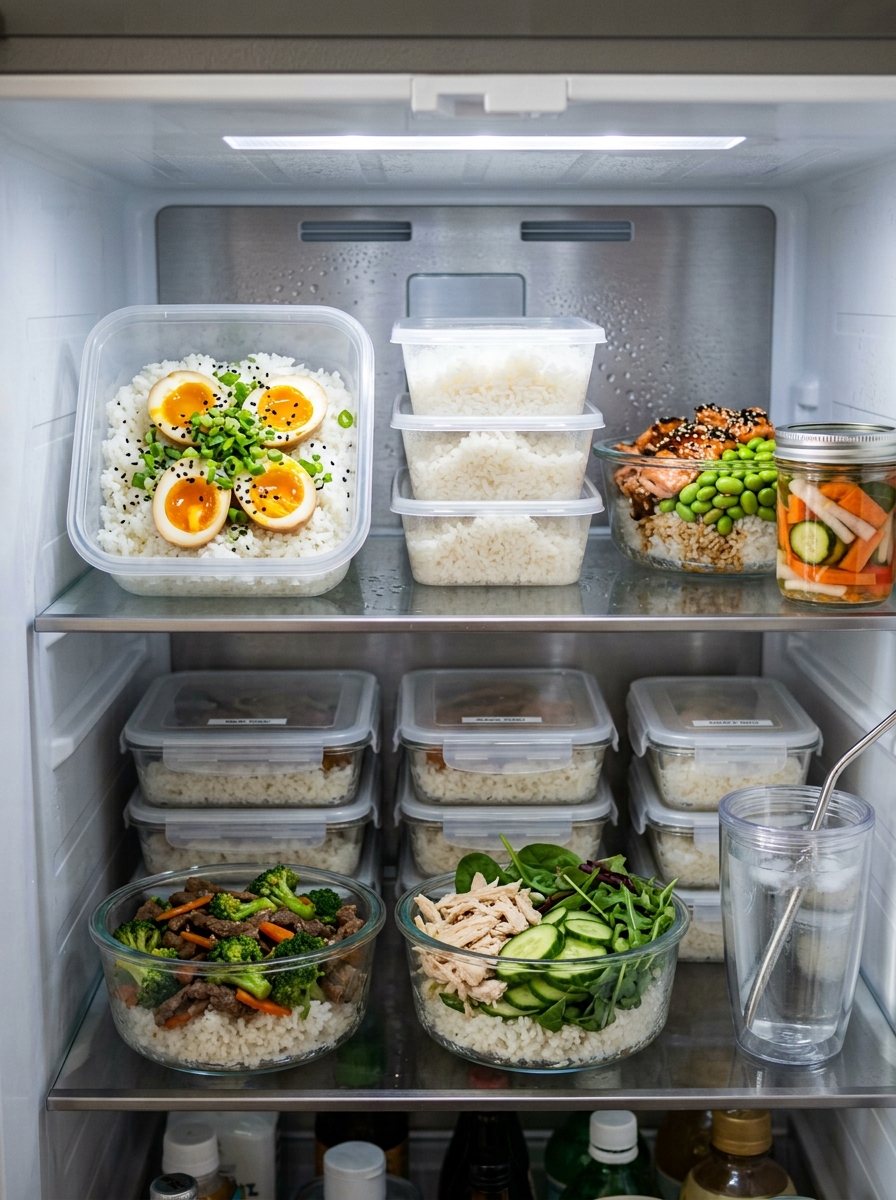
Rice is one of the most commonly eaten staple foods worldwide. Many households prepare rice in larger batches and keep the leftovers for later meals. However, when it comes to storing cooked rice, a frequent question comes up: should it be kept in the refrigerator and eaten over time, or is it safe to leave it at room temperature?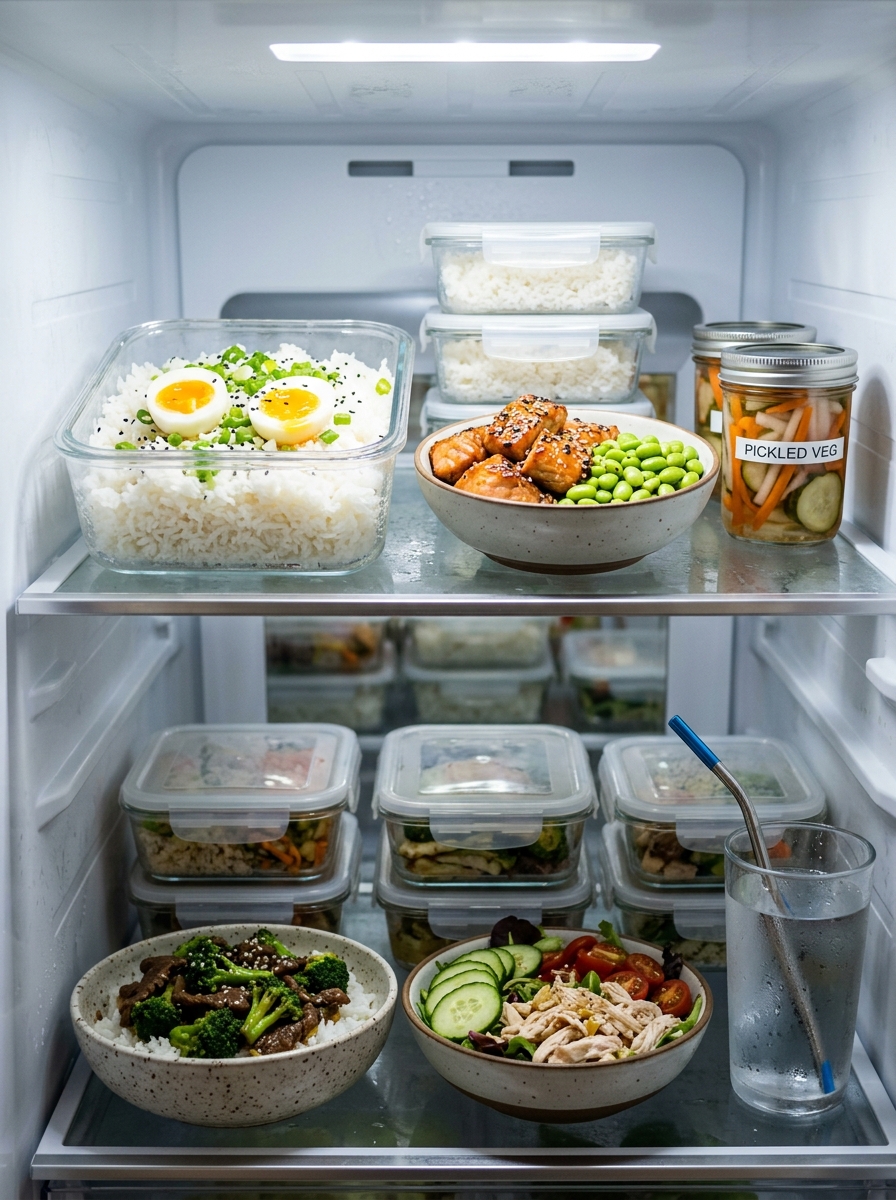
The answer might surprise you. Food safety experts say that refrigerating cooked rice is not just recommended—it is often necessary to help prevent foodborne illness.
Why Cooked Rice Can Become Dangerous
Many people assume rice is safe because it starts as a dry grain. However, once cooked, it can become a suitable environment for harmful bacteria if not stored correctly.
A major concern is a bacterium known as Bacillus cereus. This organism is naturally found in soil and can survive cooking by forming heat-resistant spores. When cooked rice is left out at room temperature, these spores can develop into bacteria and produce toxins.
What makes this especially concerning is that some of these toxins cannot be destroyed by reheating. Even if the rice is warmed later, the toxins may still remain.
Because of this, eating improperly stored rice can cause symptoms such as:
Nausea
Vomiting
Diarrhea
Stomach cramps
In most cases, symptoms are mild and go away within a day, but they can be more severe for young children, older adults, and people with weaker immune systems.
How Long Can Cooked Rice Stay at Room Temperature?
Food safety guidelines generally advise that cooked rice should not be left out for more than two hours at room temperature.
In hotter conditions, especially above 90°F (32°C), that safe time drops to about one hour.
The longer rice stays in the “danger zone” between 40°F and 140°F (4°C and 60°C), the faster bacteria can multiply.
For this reason, if you want to keep leftover rice, it should be refrigerated as soon as it has cooled slightly.
Is Refrigerating Rice Safe?
Yes. Refrigeration is the safest and most reliable method for short-term storage of cooked rice.
When properly stored in an airtight container, cooked rice can usually remain safe in the refrigerator for three to four days.
To ensure safety and quality:
Let rice cool briefly after cooking.
Place it into shallow containers.
Refrigerate within two hours.
Keep the fridge at or below 40°F (4°C).
Avoid repeatedly removing and returning rice to the refrigerator.
Dividing rice into smaller portions also helps it cool faster and reduces the risk of bacterial growth.
Can You Eat Refrigerated Rice Gradually?
Yes. In fact, this is a very common and practical habit in many households.
People often cook rice for multiple meals and store it in the refrigerator to use throughout the week. As long as it is cooled properly and kept within the safe storage window, it can be eaten gradually without risk.
When serving, only take out the portion you plan to eat. Repeatedly leaving the container out at room temperature can increase contamination risk.
What’s the Best Way to Reheat Rice?
Properly reheated rice can taste just as good as freshly cooked rice.
For best results:
Heat until the rice is steaming hot throughout.
Add a small amount of water before microwaving to restore moisture.
Stir halfway through reheating for even heating.
Eat immediately after reheating.
One key rule: avoid reheating rice more than once.
Repeated cooling and reheating cycles increase bacterial risk and reduce quality.
Can Rice Be Frozen?
Yes. Freezing is an excellent option if you do not plan to consume the rice within a few days.
Cooked rice can be stored in airtight containers or freezer bags for up to six months while maintaining good quality.
It can be reheated directly from frozen or thawed overnight in the refrigerator when needed.
This method is especially useful for meal preparation and reducing food waste.
Final Verdict
So, should you store rice in the refrigerator and eat it gradually?
Yes. Refrigeration is the safest way to store cooked rice for later use. Leaving rice at room temperature for too long can allow harmful bacteria to grow and produce toxins that may lead to food poisoning.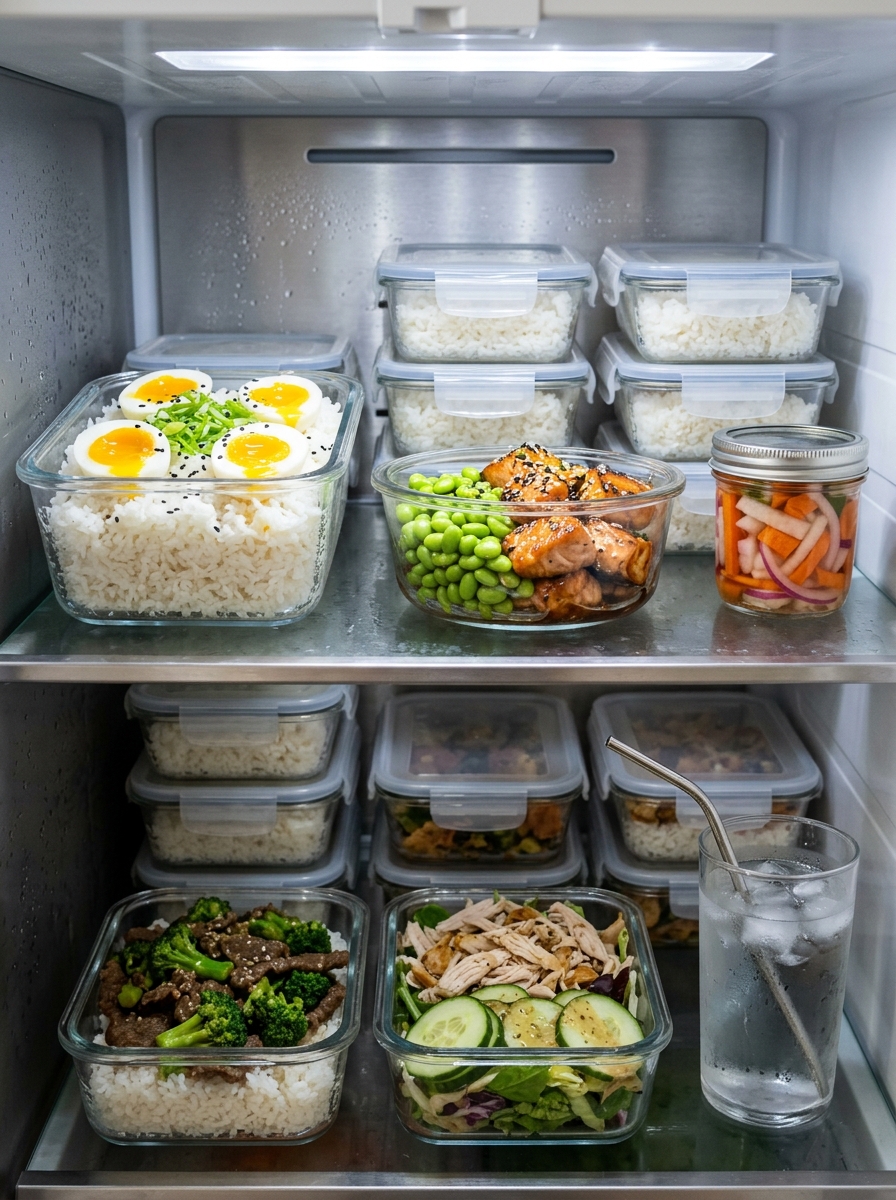
To stay safe, refrigerate rice within two hours of cooking, store it in airtight containers, consume it within three to four days, and reheat it thoroughly before eating. If longer storage is needed, freezing is the best alternative.
By following these simple food safety practices, you can enjoy leftover rice conveniently while protecting yourself and your family from avoidable health risks.
