

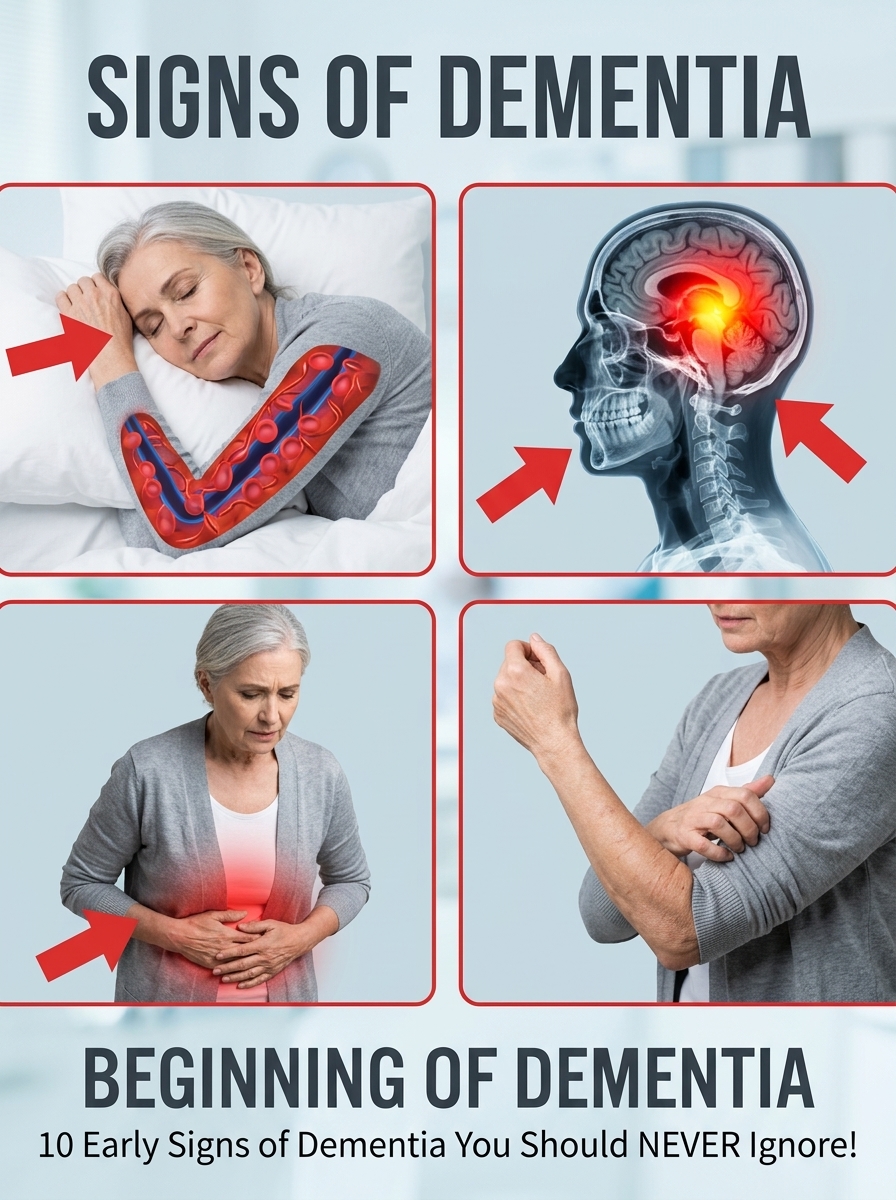
Dementia is not a single disease but a general term describing several disorders marked by a progressive decline in memory, cognitive abilities, and the ability to perform everyday tasks. While dementia is common among older adults, it is not a normal part of aging.
According to the World Health Organization, dementia ranks among the leading causes of disability and dependency in the global senior population. Millions of people are affected each year.
The gradual progression of the disease makes early detection difficult. In the beginning, changes in cognitive function are often mild and easily dismissed as fatigue, stress, or typical age-related forgetfulness. However, spotting early symptoms can greatly improve a patient’s quality of life.
Based on the latest clinical findings and expert recommendations, here are the 10 earliest warning signs of dementia.
Memory loss impairing daily activities
One of the most noticeable early signs is memory loss severe enough to disrupt daily life. This goes beyond forgetting where you parked your car and includes issues such as:
- Failing to remember recent conversations or important events
- Repeating the same questions
- Relying heavily on notes or family members to track small details
As noted by The Alzheimer’s Association, difficulty recalling short-term information is often one of the first signs of Alzheimer’s disease, the most common form of dementia.

Difficulty planning and problem solving
In its early stages, dementia can impair the brain’s executive functions responsible for organizing activities. Symptoms include trouble following a familiar recipe or instructions, managing monthly bills or finances, and staying focused on routine tasks.
This inability to plan and solve problems points to changes in the frontal and temporal areas of the brain.
Confusion about time or place It is common for people in the early stages to become disoriented about time or location. This may involve:
- Forgetting what day it is
- Losing track of seasons or time periods
- Feeling lost even in familiar surroundings, including at home
Confusion with time and place is a classic indicator used in dementia diagnosis.
Difficulty comprehending visual and spatial information
Dementia can affect how the brain processes visual and spatial information. Affected individuals may struggle with:
- Judging distances (raising risks while driving)
- Reading or following lines of text
- Recognizing familiar faces, objects, or locations
Studies from the National Institute on Aging show that visual and spatial problems often appear early in certain types of dementia.
Difficulty communicating
Naming everyday objects becomes increasingly challenging—for example, referring to a watch as a “hand-clock.” People with dementia may also experience:
- Repeating certain phrases
- Struggling to finish thoughts or sentences
These issues often start mild but grow more noticeable over time.
Misplacing things and losing the ability to retrace steps
Everyone occasionally loses their keys, but dementia-related forgetfulness is different. It often involves:
- Putting items in unusual places (such as placing a phone in the freezer)
- Accusing others of stealing when objects cannot be found
- Being unable to retrace steps to locate misplaced items
This situation can become extremely frustrating for both the person affected and their family members.
Bad judgement and poor decision-making
Dementia can impair rational thinking and sound judgment. Examples include:
- Engaging in risky financial behavior (such as giving money to telemarketers)
- Suddenly neglecting personal hygiene or appearance
- Failing to recognize dangers (like walking into traffic or leaving an appliance on the stove)
These changes in decision-making usually result from alterations in the brain’s frontal lobe.

Withdrawal from work and social events
Many people in the initial stages begin pulling away from usual activities. This can include:
- Losing interest in former hobbies
- Skipping social gatherings or family events
- Avoiding games or group conversations
While this may resemble depression, it can also stem from growing frustration due to cognitive changes.
Mood or personality changes
Early dementia can sometimes cause noticeable shifts in behavior. These may include:
- Increased fearfulness, suspicion, or paranoia
- Rapid mood swings or easy irritability
- Uncharacteristic anxiety or agitation
According to the Mayo Clinic, dementia can alter the brain’s ability to regulate emotions and personality.
Difficulty in following conversation or thought process
Keeping up with conversations or processing new information can become mentally exhausting. Signs include:
- Struggling to follow the flow of a discussion
- Difficulty tracking talks with multiple people
- Taking unusually long to answer simple questions
These issues often start mild but grow more obvious over time.

Why early detection matters
Identifying dementia early can be transformative. It allows families to:
- Begin treatments that may slow symptom progression
- Plan for the future while the person can still participate
- Adopt lifestyle changes such as better diet and exercise to support brain health
- Explore clinical trials and supportive communities
Although a complete cure for most forms of dementia does not yet exist, early action can significantly improve daily life.
Living with Alzheimer’s or dementia is challenging not only for the person affected but also for their loved ones. Watching someone struggle to remember things clearly is heartbreaking.
The encouraging news is that medical science continues to advance, and breakthroughs may come at any time. Above all, we should never lose hope.
Researchers and scientists suggest these 9 habits can help protect the brain from Alzheimer’s and dementia.
1. Quit smoking
Many smokers know the dangers of this habit. Smoking harms not only the skin but the brain as well. Studies indicate that smokers face a 45 percent higher risk of developing Alzheimer’s compared to non-smokers.
2. Increase your vitamin B12 intake
Research from a medical institution in Finland links B12 deficiency to higher risks of Alzheimer’s and dementia. Include more B12-rich foods such as eggs, seafood, fish, and meat in your diet.

3. Be more active
Exercising for at least 30 minutes a day brings many benefits. You’ll feel more energetic and youthful while lowering your risk of dementia. Physical activity keeps both body and brain in better shape.
4. Increase your Vitamin D intake
Vitamin D has gained increasing attention over the years. A 2014 U.S. study found that deficiency in this vitamin can raise the risk of Alzheimer’s by 125 percent.
Spend more time in sunlight when possible, or consider supplements if needed.
5. Drink coffee
If you start your day with a cup of coffee, you may be reducing your risk of Alzheimer’s by up to 50 percent. Coffee acts as a powerful antioxidant.

6. Protect your head
Research indicates that serious head injuries can increase the risk of developing Alzheimer’s or dementia later in life. That is why it is important to safeguard your head at all times—especially when riding a bike or motorcycle. Always wear a helmet.
7. Minimize alcohol intake
If you drink alcohol occasionally, remember that excessive consumption can impair normal brain function and raise the risk of dementia or Alzheimer’s. Moderate intake, such as an occasional glass of wine, is often considered acceptable and may even offer some health benefits.
8. Brain exercises are great
The brain needs regular stimulation. Simple ways to achieve this include reading frequently, solving crosswords, or playing Sudoku. Learning new skills forces the brain to work harder to remember information, which helps strengthen memory.

9. Make sure to relax and rest!
Chronic stress can contribute to dementia. While it’s hard to avoid all stress, prioritize rest and ensure both your brain and body get enough sleep.
Medical Disclaimer: This article is for informational purposes only and is not intended as medical advice, diagnosis, or treatment. If you notice symptoms of dementia or have concerns about cognitive health, consult a qualified healthcare professional.
If you found this useful, please share this article with your family and friends.
Bored Daddy
Love and Peace
