

Let me tell you about the year I truly believed my body was breaking down.
I felt exhausted constantly—not the kind of tiredness solved by a short nap, but the kind where I could barely keep my eyes open by mid-afternoon. My hands and feet would suddenly tingle for no reason. Every time I stood up quickly, the room spun around me. My memory became cloudy; I would walk into a room and instantly forget why I went there.
I went to my doctor terrified that something serious was happening, convinced I might have multiple sclerosis or even a brain tumor. She listened carefully, asked me several questions, and ordered a routine blood test.
“Your B12 levels are extremely low,” she explained.
I was completely stunned. I was not vegan. I still ate eggs, dairy products, and sometimes meat. How could I possibly have a deficiency?
She explained that low B12 does not only affect vegans. It can also happen because of pernicious anemia (an autoimmune disorder that blocks absorption), stomach surgeries, long-term acid-reducing medications, Crohn’s disease, celiac disease, and even normal aging. As we grow older, the stomach naturally produces less acid, making it harder to absorb B12 from food sources.
She started me on B12 supplements. Within a few weeks, the symptoms slowly began fading. A few months later, I finally felt like myself again.
Vitamin B12 plays a vital role in nerve health, red blood cell production, and DNA formation—but your body cannot produce it on its own. You must get it from food sources (mainly animal products) or supplements. Because the symptoms often appear gradually and subtly, many people do not realize anything is wrong until the deficiency becomes severe. Here are 8 strange—but very real—warning signs your body may desperately need more B12. If you notice several of these symptoms together, speak with your doctor about getting tested.
First: Who Is Most at Risk for B12 Deficiency?
Before we discuss the symptoms, here are the major risk factors. You may be more vulnerable if you:
Are over age 60 (reduced stomach acid limits absorption)
Follow a vegan or vegetarian diet (B12 naturally exists only in animal products)
Have undergone weight-loss surgery (gastric bypass or sleeve gastrectomy)
Use acid-reducing medications (PPIs like omeprazole or H2 blockers such as famotidine)
Have Crohn’s disease, celiac disease, or ulcerative colitis
Have pernicious anemia
Consume large amounts of alcohol
Have diabetes and take metformin
If any of these apply to you, pay close attention to the signs below.
8 Strange Signs You Could Be Deficient in Vitamin B12
Let’s go through the most overlooked—and often misunderstood—symptoms.
1. Tingling, Numbness, or “Pins and Needles” in Your Hands and Feet
This is one of the most frequent neurological symptoms of B12 deficiency.
What it feels like: Random tingling, numbness, or the sensation that your hands or feet have “fallen asleep.” At first it may happen occasionally, but it can eventually become constant.
Why it happens: Vitamin B12 is necessary to maintain the myelin sheath, the protective layer surrounding your nerves. Without enough B12, the sheath can deteriorate, causing nerve damage and unusual sensations.
Don’t ignore it because: These symptoms can also appear in multiple sclerosis, diabetic neuropathy, and other serious neurological conditions. A doctor can determine the true cause.
2. Extreme Fatigue or Weakness
This is the most common symptom, but many people dismiss it.
What it feels like: Deep, overwhelming exhaustion that does not improve with sleep. Even your arms and legs may feel unusually heavy.
Why it happens: B12 is crucial for producing healthy red blood cells. Without enough B12, your body makes fewer red blood cells, and many become abnormally large and ineffective at carrying oxygen (megaloblastic anemia). Less oxygen means less energy throughout the body.
Don’t ignore it because: Untreated anemia can eventually lead to shortness of breath, heart palpitations, and long-term heart complications.
3. Pale or Slightly Yellow Skin
This symptom surprises many people.
What it looks like: Skin may appear unusually pale, waxy, or slightly yellow. The whites of the eyes can also develop a faint yellow tint.
Why it happens: In megaloblastic anemia, fragile red blood cells break down too early. This releases bilirubin, a yellow pigment that can create mild jaundice-like discoloration.
Don’t ignore it because: Yellowing skin may also point to liver disease or gallbladder issues, which require medical evaluation.
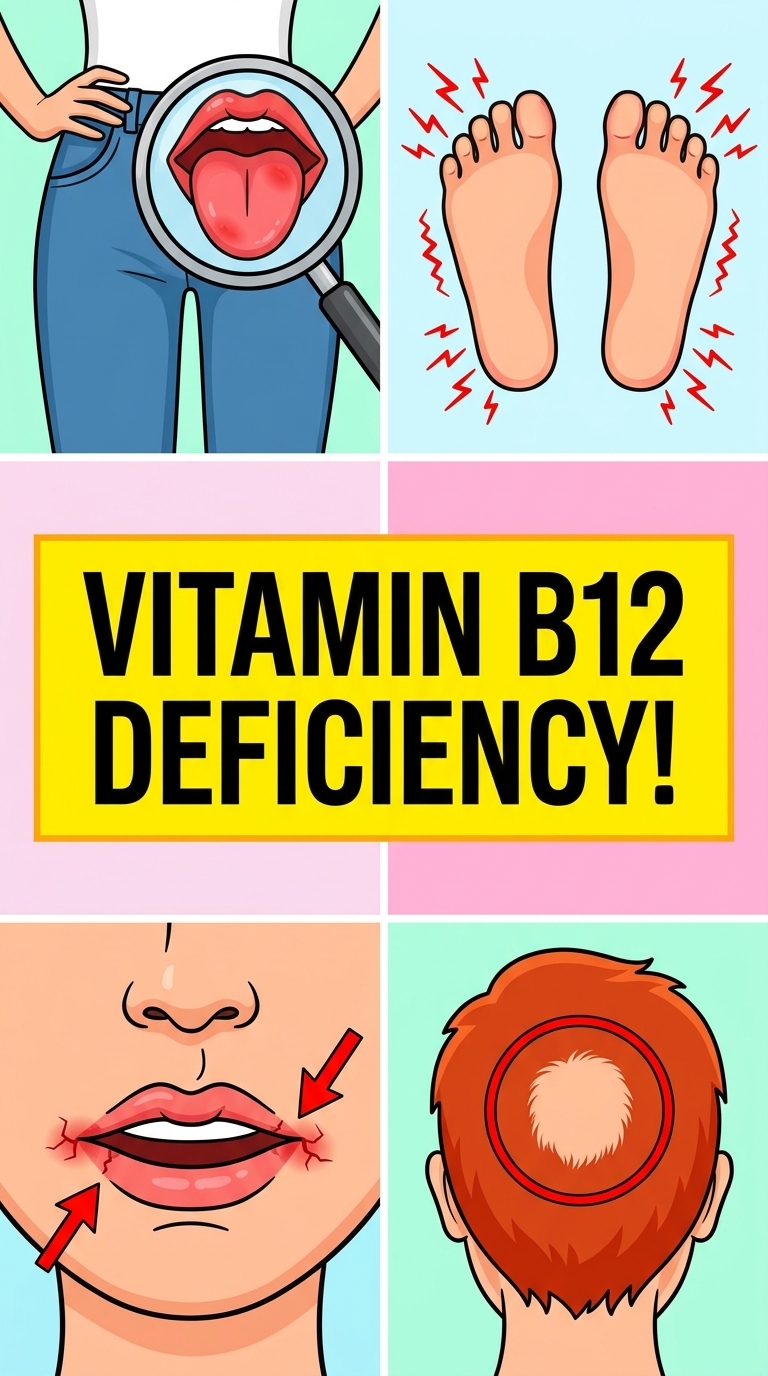
4. A Red, Smooth, Swollen Tongue (Glossitis)
Your tongue can reveal a lot about your B12 status.
What it looks like: The tongue may become bright red, swollen, smooth, and sore. The small bumps on the tongue may disappear.
Why it happens: B12 supports healthy cell turnover, including cells covering the tongue. Without enough B12, the surface changes dramatically.
Don’t ignore it because: Glossitis can also result from deficiencies in iron, folate, or zinc, as well as infections.
5. Mouth Ulcers or Canker Sores
Frequent mouth sores may be linked to low B12 levels.
What it feels like: Painful ulcers on the tongue, lips, or inside the cheeks that repeatedly come and go.
Why it happens: B12 is important for maintaining healthy mucous membranes. Deficiency can lead to recurring irritation and ulceration.
Don’t ignore it because: Persistent mouth sores should always be evaluated to rule out other medical conditions.
6. Vision Problems
This is less common, but potentially serious.
What it feels like: Blurry vision, double vision, dim vision, or difficulty focusing clearly.
Why it happens: The optic nerves rely on healthy myelin sheaths to transmit signals between the eyes and brain. B12 deficiency can damage these protective layers and interfere with vision.
Don’t ignore it because: Any sudden change in vision should be evaluated promptly by a medical professional.
7. Brain Fog, Memory Problems, or Trouble Concentrating
This symptom frightened me the most.
What it feels like: Feeling mentally disconnected, forgetful, slow, or unable to focus. You may struggle to find words or remember simple conversations.
Why it happens: The brain is highly sensitive to B12 levels. Deficiency affects neurotransmitters and nerve function, contributing to cognitive impairment.
Don’t ignore it because: Brain fog can also result from depression, thyroid disorders, anxiety, dementia, and many other conditions. Importantly, B12 deficiency is one of the reversible causes of cognitive decline.
8. Trouble With Balance or Walking
Long-term deficiency can affect coordination and balance.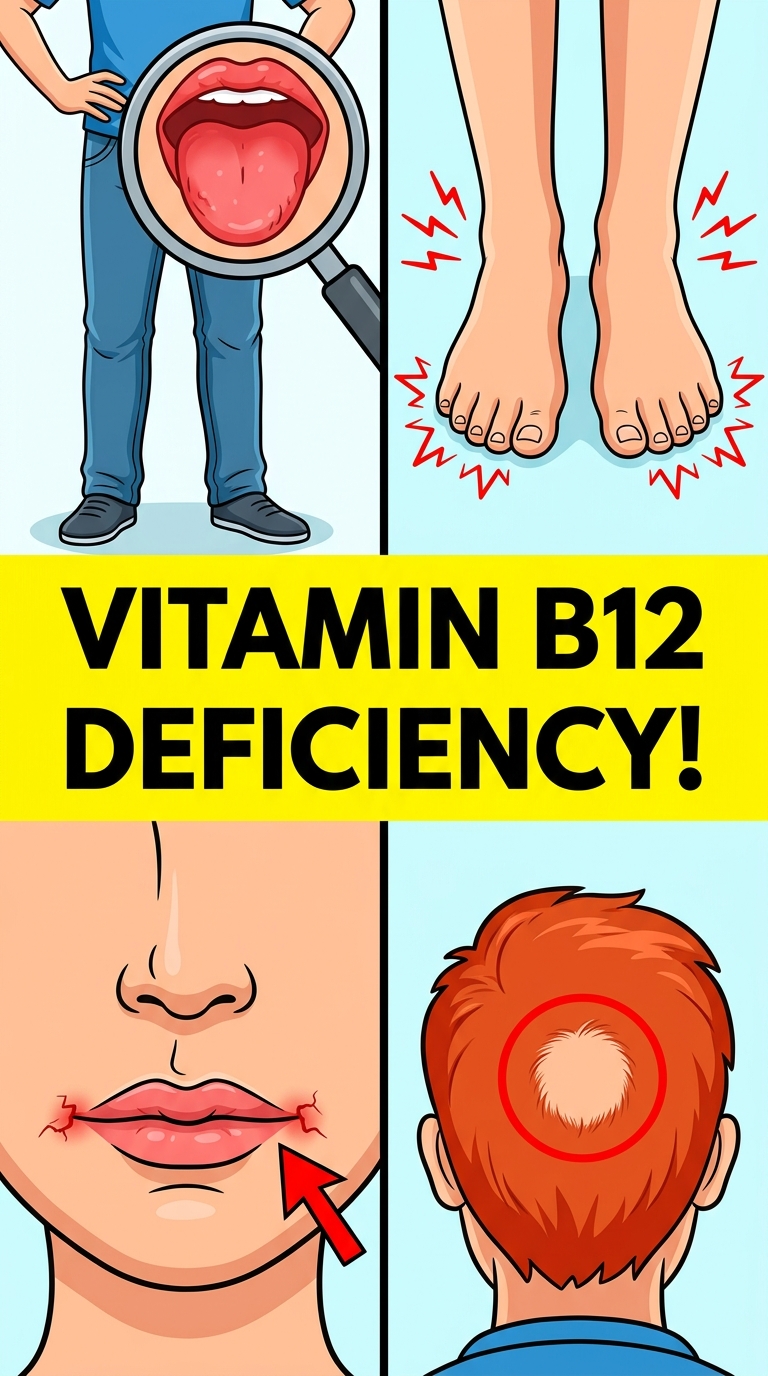
What it feels like: Feeling unsteady, stumbling more often, walking awkwardly, or feeling like you might fall.
Why it happens: B12-related nerve damage can affect the nerves responsible for balance and coordination.
Don’t ignore it because: Balance problems may also signal stroke, Parkinson’s disease, multiple sclerosis, or inner ear disorders.
Other Symptoms That Still Matter
Some additional symptoms include:
Shortness of breath
Heart palpitations
Depression or mood changes
Irritability
Loss of appetite
Weight loss
Constipation or diarrhea
How Doctors Diagnose B12 Deficiency
Diagnosis is usually simple and begins with blood work.
Tests commonly ordered include:
Serum B12 level
Methylmalonic acid (MMA)
Homocysteine
Complete blood count (CBC)
Your doctor may also investigate the underlying cause, such as absorption problems, medication side effects, diet, or autoimmune disease.
Treatment Options
Treatment depends on the severity and cause.
Mild Deficiency
Increase B12-rich foods
Oral B12 supplements (commonly 500–2000 mcg daily)
Moderate or Severe Deficiency
High-dose oral supplements
B12 injections, especially for pernicious anemia or absorption disorders
Typical injections may begin daily or weekly before shifting to monthly maintenance.
How Quickly Will You Improve?
Fatigue and mood symptoms may improve within days or weeks. Nerve-related symptoms can take months, and severe long-term damage may not fully reverse.
Foods Rich in Vitamin B12
If your deficiency is diet-related, good sources include:
Clams and mussels
Beef liver
Sardines, salmon, tuna, trout
Beef and lamb
Chicken and turkey
Eggs
Milk, yogurt, and cheese
For vegans and vegetarians:
Fortified nutritional yeast
Fortified plant milks
Fortified breakfast cereals
B12 supplements
Even if you eat animal products, absorption problems may still prevent adequate B12 levels.
Why So Many Cases Are Missed
B12 deficiency often hides in plain sight because symptoms develop very slowly. People blame stress, poor sleep, aging, or overwork instead of considering a vitamin deficiency.
Borderline levels are another issue. In many places, anything under 200 pg/mL is considered deficient, but experts now believe people with levels between 200–400 pg/mL can still develop serious symptoms, especially neurological ones.
B12 deficiency can mimic:
Multiple sclerosis
Depression
Dementia
Chronic fatigue syndrome
Diabetic neuropathy
A simple blood test can prevent years of misdiagnosis.
Frequently Asked Questions
Can you have B12 deficiency even if you eat meat?
Yes. Absorption problems are actually more common than dietary causes in people who eat meat.
Can B12 deficiency cause anxiety or depression?
Yes. B12 affects neurotransmitters like serotonin and dopamine, which influence mood.
Is B12 deficiency reversible?
Most symptoms improve with treatment, although long-standing nerve damage may not fully heal.
Can you take too much B12?
B12 is water-soluble, meaning excess amounts are usually excreted in urine. It is generally considered very safe.
How long does recovery take?
Some people improve within days, while nerve symptoms may require months.
Do vegans need supplements?
Yes. Plant foods do not naturally provide enough B12 unless fortified.
What if my levels are “low normal”?
If you have symptoms and borderline levels, ask your doctor about further testing like MMA.
A Final Encouraging Message
If you constantly feel exhausted, foggy, dizzy, numb, or mentally “off,” do not automatically dismiss it as stress or aging.
Request a blood test.
Vitamin B12 deficiency is extremely common, highly treatable, and frequently overlooked. The symptoms can seem strange, subtle, and unrelated—but recognizing them early can completely change your health.
I truly believed I was falling apart.
I wasn’t.
I simply needed more Vitamin B12.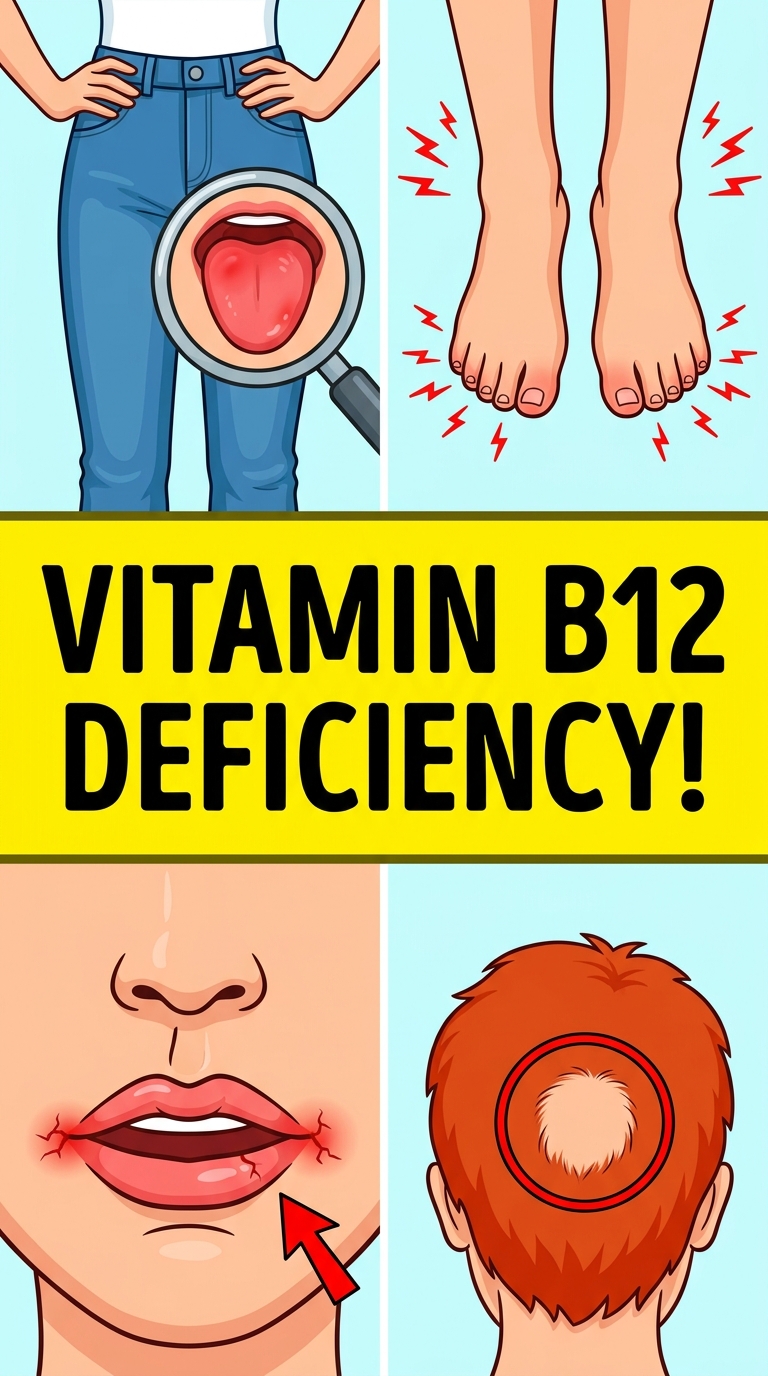
You might too.
Have you ever dealt with B12 deficiency yourself? What symptoms did you notice first? How long did recovery take? Share your experience below—your story could encourage someone else to finally get tested.
And if this article might help someone you care about, please pass it along. Sometimes the right information can change a life.
