

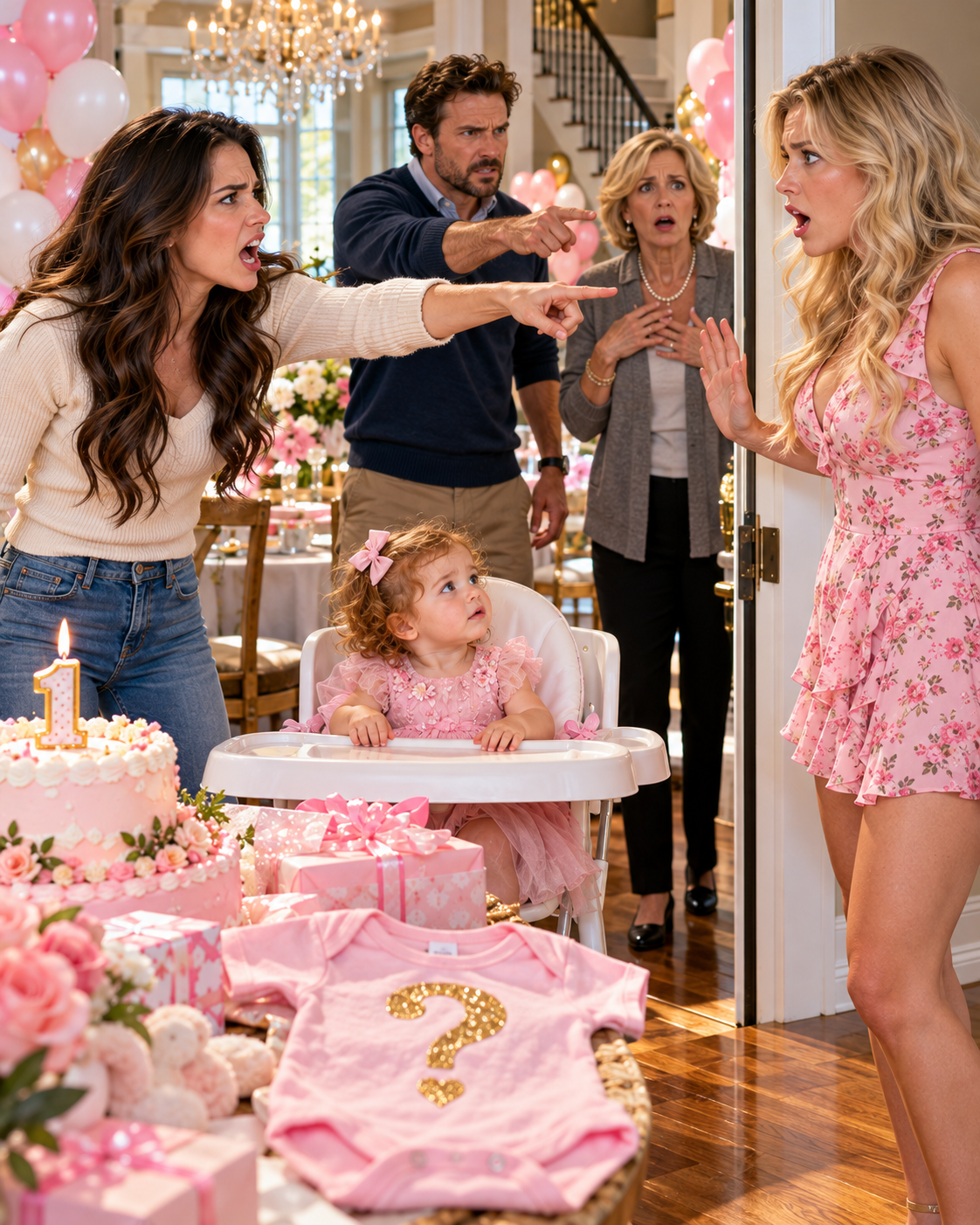
PART 3 — BLOOD DOESN’T MAKE A FAMILY
The following week, Mom hired an attorney.
The deed was challenged.
Because the property had already been placed in the trust, Marlo’s recorded transfer had no legal effect.
The bank launched a fraud investigation into the withdrawals.
A handwriting expert compared the signature on the deed with Dad’s medical paperwork.
It was forged.
Marlo called me twelve times after receiving the attorney’s letter.
I didn’t answer.
Then she came to my house.
I saw her through the doorbell camera.
She looked different.
No perfect hair.
No smug smile.
No expensive sunglasses.
Just my sister.
Or cousin.
Or whatever word fit now.
I opened the door but left the chain locked.
“You know,” she said.
“Yes.”
“Mom told you.”
“Dad told me.”
“The recordings?”
“Yes.”
She looked toward the street.
“You have no idea what it was like.”
“Probably not.”
“My whole life was a lie.”
“No.”
Her head snapped toward me.
“I found adoption papers in Dad’s desk while he was dying.”
Her eyes filled.
“Do you understand what that does to somebody?”
“Yes.”
“No, you don’t.”
“I understand it hurts.”
She laughed bitterly.
“Hurts?”
“But stealing from him wasn’t pain, Marlo.”
Her face tightened.
“Threatening him wasn’t pain.”
“You think you’re so perfect.”
“No.”
“You were always the real daughter.”
“There it is.”
She stopped.
“The real daughter.”
I looked directly at her.
“You spent a year telling my husband that biology determines whether he’s Ren’s father because you discovered biology didn’t connect you to Dad.”
“You don’t know what you’re talking about.”
“I think I do.”
“You got everything.”
“What did I get?”
“His blood.”
I could barely believe that answer.
“That’s what you think Dad gave me that he didn’t give you?”
She looked away.
I unlocked the chain and stepped onto the porch.
“Dad recorded a message.”
She froze.
“What message?”
“He said he changed your diapers. Paid your tuition. Sat with you through both divorces. Walked you down the aisle twice.”
Her chin trembled.
“He said blood isn’t the same thing as family.”
“Stop.”
“He loved you.”
“Stop.”
“He loved you even after he knew you were stealing.”
“STOP!”
She screamed so loudly a neighbor looked toward us.
Then Marlo began crying.
Her entire face crumpled.
“I wanted him to choose me.”
For one second, my anger disappeared.
“He already had.”
She shook her head.
“You don’t understand.”
“He chose you every day for forty-one years.”
For a moment, I saw the frightened child inside her.
But then I remembered the shirt.
The DNA test.
The landscaper costume.
My husband crying in the car.
Dad afraid inside his own home.
Compassion did not require access.
Understanding did not require forgiveness.
“You need help, Marlo.”
“I need my family.”
“You had one.”
“That’s cruel.”
“No. What happened to you was cruel.”
I swallowed.
“What you did afterward was your choice.”
Then I repeated Dad’s words.
“Pain can explain cruelty. It cannot excuse it.”
Marlo went still.
She knew immediately whose words they were.
I closed the door.
The legal case lasted almost a year.
The bank recovered most of the money.
Marlo eventually surrendered any claim against Dad’s estate or trust in exchange for Mom not pursuing additional civil damages.
The district attorney handled the forged deed separately.
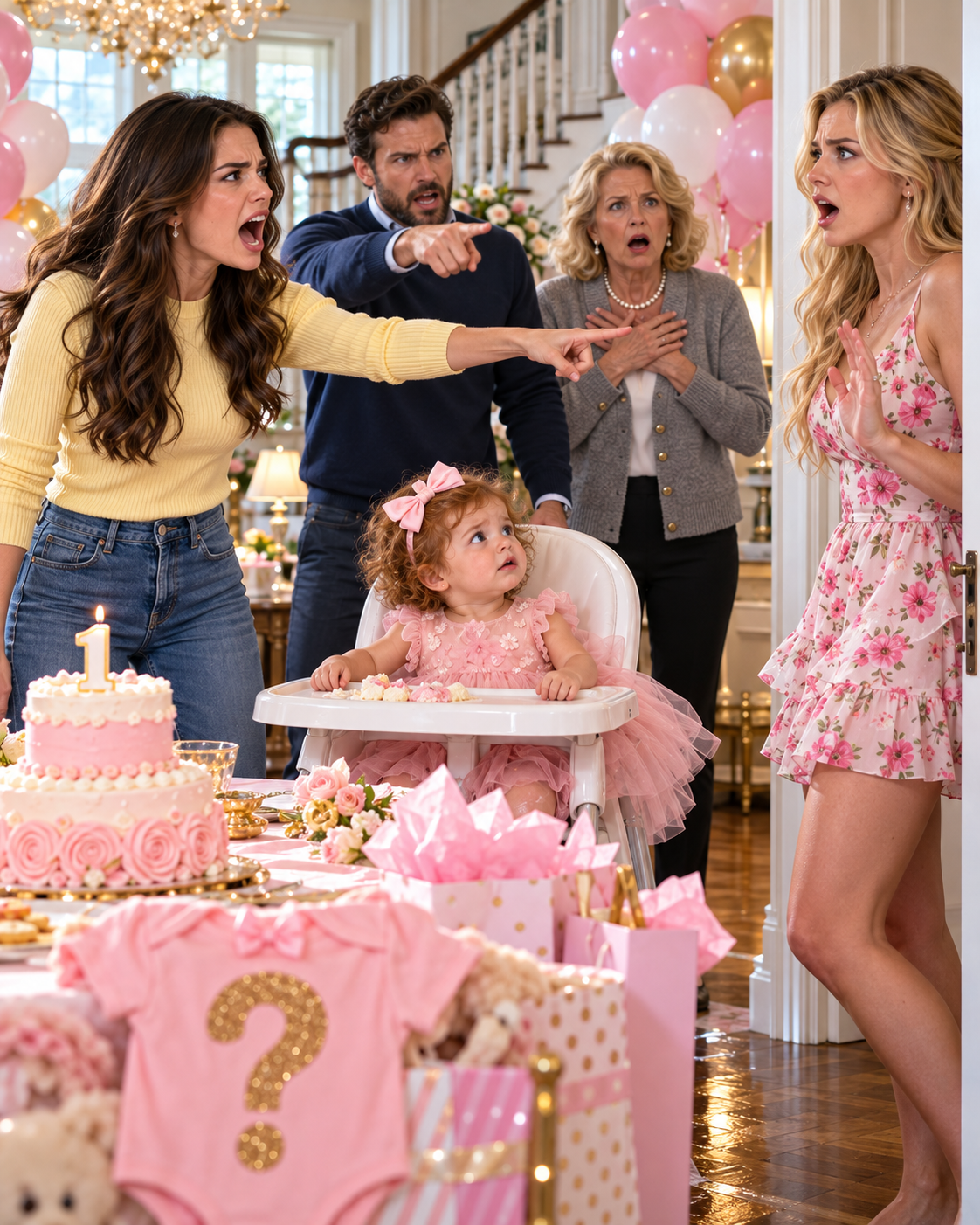
She avoided prison, largely because she had no criminal history and agreed to restitution, probation, and counseling.
Some relatives thought Mom had been too lenient.
Others believed we had destroyed Marlo over money.
They were welcome to their opinions.
I stopped attending family gatherings where cruelty was treated as entertainment.
Elias did too.
Loretta apologized.
“I helped hurt you,” she said.
“I let somebody else’s suspicion matter more than the woman my son chose.”
Beckett apologized too.
I accepted both apologies.
But trust returned slowly.
Six months later, Ren was running through our living room with wild red curls bouncing around her face.
Elias chased her while she shrieked.
Every time she turned, I could see pieces of him.
His smile.
His left eyebrow.
The tiny dimple near his mouth.
Things that had always been there.
Things fear had temporarily made invisible.
That evening, Mom arrived carrying a box.
“I found one more thing.”
I laughed nervously.
“I don’t know if I can survive one more Dad secret.”
“This one is good.”
Inside was an old black-and-white photograph.
A little girl stood beside a farmhouse fence.
On the back, someone had written:
Margaret, summer 1948.
Brightest red hair in the county.
Dad’s mother.
My grandmother.
Ren’s great-grandmother.
There was also an envelope addressed to me.
Inside was a short letter.
If your baby gets the family hair, don’t let anyone convince her it makes her strange.
Mom looked at the photograph.
“Your father was hoping for a redheaded grandbaby.”
That sentence broke me.
After all those accusations, Dad would have looked at Ren’s hair and immediately known where it came from.
Then Mom touched my shoulder.
“There’s something else.”
I groaned.
She smiled.
“Good something.”
There had been an amendment to the trust.
Dad had given Ren’s education trust a nickname.
THE SUNRISE FUND.
My hands began shaking.
Elias had called Ren sunrise the first morning she was born.
Then I remembered.
The night Ren was born, I sent Dad a photograph.
Elias had typed the message beneath it while I slept.
Meet your granddaughter.
She looks like sunrise.
I sat down and cried.
Not because of Marlo.
Not because of the DNA test.
Not because of the money.
Because beneath all the ugliness was proof that love had quietly been moving in the opposite direction the entire time.
Dad had protected Ren before he ever held her.
Elias had loved her before fear frightened him.
Mom had finally stopped protecting secrets and started protecting people.
And I learned that sometimes the family you save is smaller than the family you started with.
Three years passed.
Ren’s hair darkened slightly but remained unmistakably red.
Marlo stayed away.
Occasionally, Mom mentioned that she was in therapy.
That she had found steady work.
That she had started repaying the remaining money.
I never asked for more information.
Then, one December afternoon, a package appeared on our porch.
No return address.
Inside was the tiny pink birthday shirt.
The one with the question mark.
For several seconds, rage rushed through me.
Then I noticed something.
The offensive words had been covered.
A fresh piece of fabric had been carefully stitched across the front.
It read:
I AM MY DADDY’S GIRL.
There was no letter.
Only a small card.
I’m sorry.
I showed Elias.
He stared at it for a long time.
“What do you want to do?”
I looked toward the living room.
Ren was building a tower on the rug.
She knocked it down.
Laughed.
Started again.
I folded the shirt.
“I’m not ready.”
Elias nodded.
“You don’t have to be.”
I placed it inside a drawer.
Forgiveness, I had learned, wasn’t the same as reconciliation.
Sometimes forgiveness meant releasing the poison without reopening the door.
Years later, Ren would eventually ask why Aunt Marlo wasn’t around.
I promised myself that when that day came, I would tell her the truth in a way our parents had failed to do with Marlo.
No hidden origins.
No carefully constructed lies.
No secrets disguised as protection.
Because Dad had been right
