

PART 1: THE BANK CARD I NEVER TOUCHED
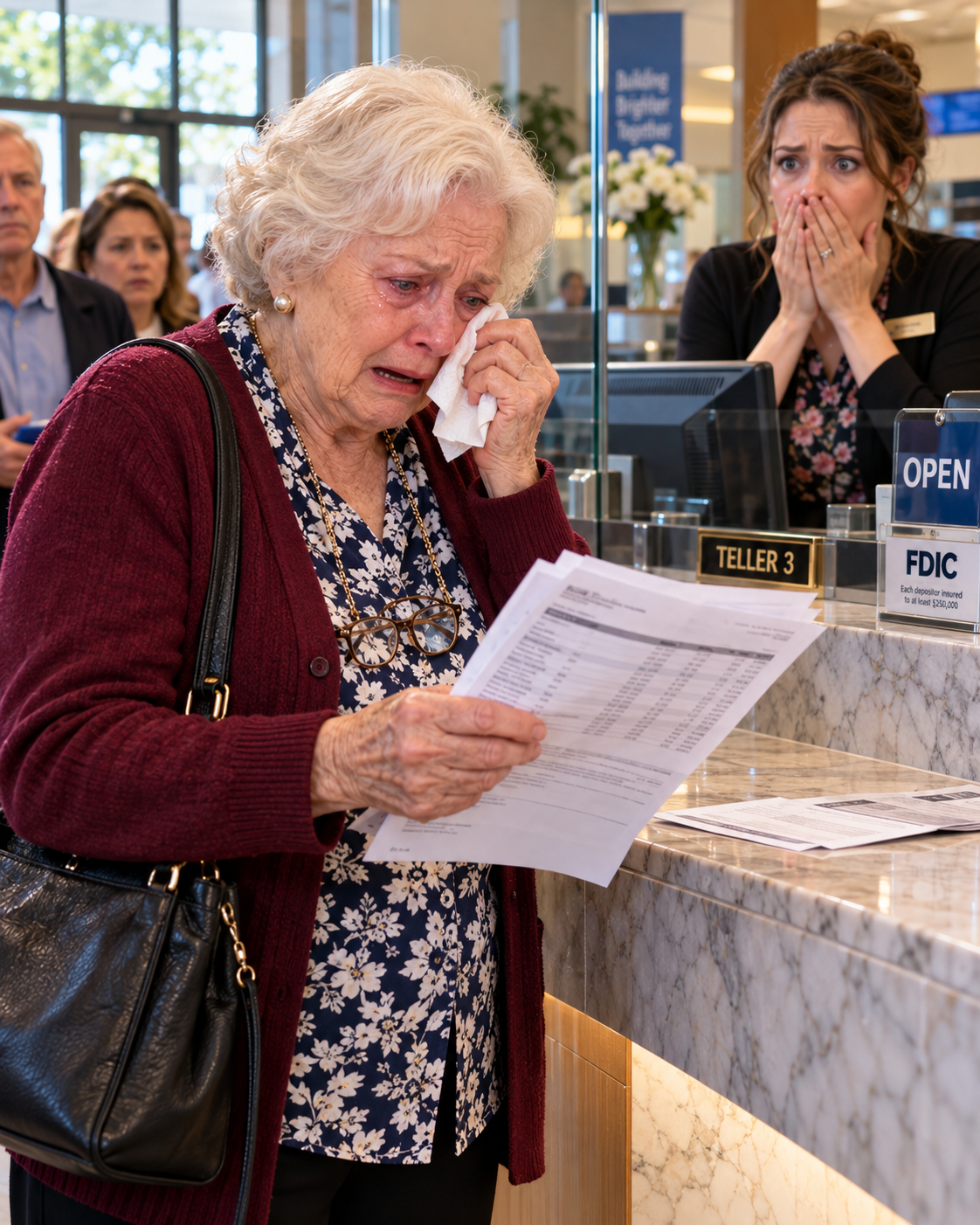
I am sixty-five years old. My husband left me five years ago, leaving behind a bank card loaded with three thousand dollars that I swore I would never touch. When I finally walked into the bank five years later to withdraw that money, my entire body went numb.
After thirty-seven years of marriage, Gregory walked away from me like a man discarding an old coat he no longer needed. The day our divorce became official at a courthouse in Minneapolis, he pressed a slick plastic bank card into my hand.
“Take it. That should be enough to keep you going for a little while,” he whispered with a voice so calm that it somehow made everything hurt even more.
I stared at his calm face and refused to let a single tear drop in front of him. I would rather have swallowed glass than show him my broken spirit right there in the hallway.
I slipped the card into my handbag and watched Gregory disappear down the corridor without looking back. It was as if I were something he had already buried long ago.
Afterward, I rented a tiny studio apartment in Baltimore with dark water stains across the ceiling and a rattling window frame that let in every icy winter draft. I cleaned strangers’ kitchens until my knees throbbed. I watched cars outside a local pharmacy for cash on freezing nights. I collected glass bottles and aluminum cans whenever there was barely anything left in the cupboard except salt and tea bags.
“Are you eating enough tonight, Mom?” my eldest daughter would ask over the phone, her voice laced with worry.
“I am doing just fine, sweetheart. I have plenty of soup in the kitchen,” I would reply, mastering the quiet art of lying to protect my family.
Some nights, I went to sleep hungry because I desperately needed what little food I had to last another day. Yet, despite the cold and the empty stomach, I never touched Gregory’s card. Part of it was pride, but mostly it was pure anger.
Those three thousand dollars felt like a deeply insulting price tag on nearly four decades of my life. Using that money felt like admitting that everything I had poured into our marriage could be reduced to one final, humiliating favor.
The next five years were not gentle on my aging body. My children helped whenever they could, but they had their own heavy burdens, mortgage payments, and growing families to support. Whenever they asked how I was doing, I simply smiled and said, “I am managing quite well on my own.”
Then, a few days ago, my world spun out of control when I fainted outside my front door. At the neighborhood clinic, the doctor studied my test results with a solemn expression before looking directly into my tired eyes.
“You cannot keep delaying your medical treatment, Mrs. Gable. If you ignore this any longer, your condition will become far more serious,” he warned me sternly.
That night, I opened the dusty shoebox where I had hidden Gregory’s card under layers of old letters. I held the card beneath the harsh fluorescent kitchen light, noticing its worn edges that had aged right alongside me.
“It is only three thousand dollars, but maybe it will cover the hospital deposit and a few prescriptions,” I whispered to the empty room.
The following morning, I walked three blocks to the local bank branch. The air inside smelled of cold air conditioning and fresh floor cleaner, and everyone around me appeared polished, confident, and completely secure.
I stood at the teller counter in my carefully repaired shoes, clutching my stitched handbag, and slid the card across the granite counter.
“I would like to withdraw everything in this account, please,” I said quietly.
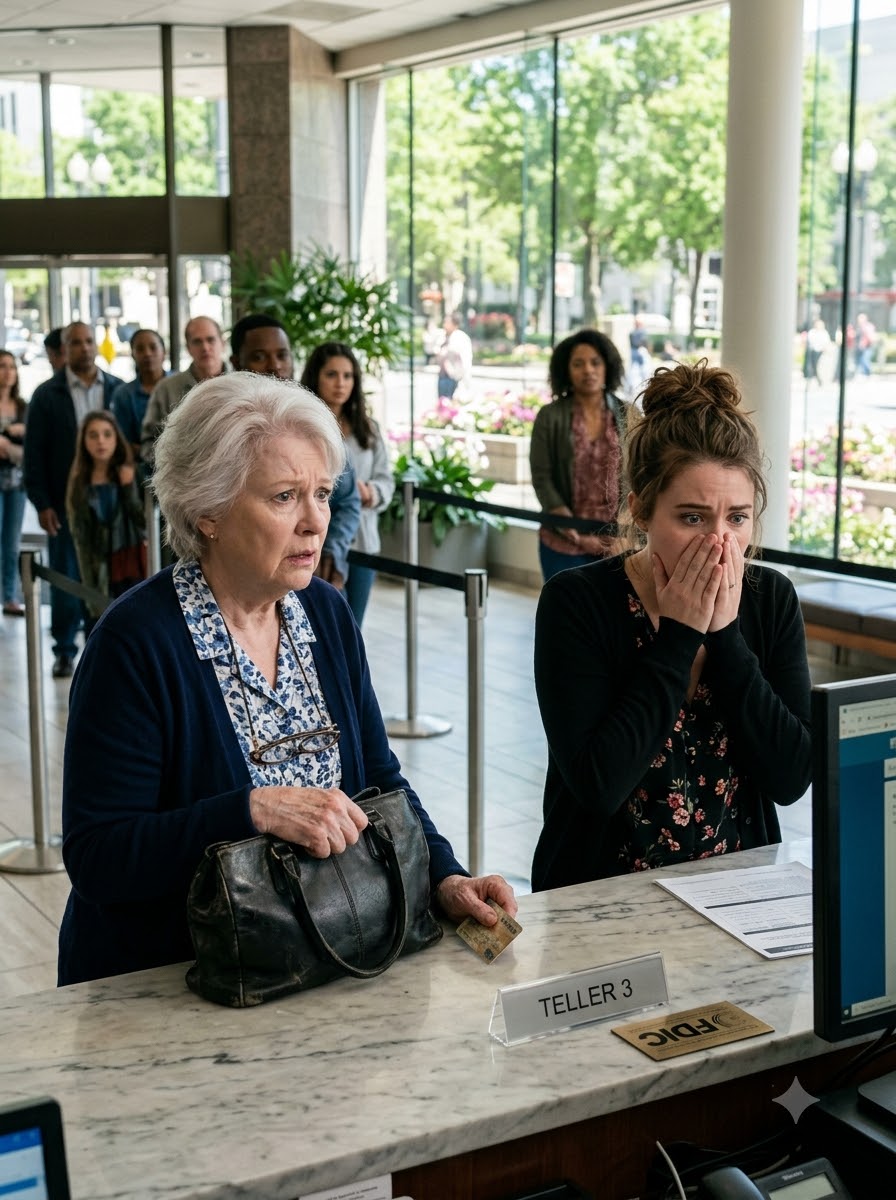
The young teller smiled politely and entered the card details into her computer. Suddenly, her fingers stopped moving over the keyboard. She typed the sequence again, and her cheerful expression slowly faded into utter confusion.
“Is there something wrong with the card?” I asked, feeling my heart begin to hammer against my ribs.
“Ma’am, there isn’t three thousand dollars in this account,” she replied, looking up at me with wide eyes.
For one horrible second, I thought Gregory had lied and left me with absolute zero. My chest tightened so hard that I could barely catch my breath.
“Then how much money is left in there?” I managed to ask, my voice trembling with fear.
Instead of answering my question, the teller picked up her desk phone and spoke in hushed, urgent tones. A minute later, a tall woman in a navy suit walked briskly out of a back office. She was the branch manager, and in her hand was a thick, sealed white envelope with my full name written across the front.
“Mrs. Gable? Would you please step into my office with me?” the manager asked, her tone surprisingly gentle and careful.
That was the exact moment I realized Gregory had not simply lied to me on the day our marriage ended. Whatever he had put into motion had been waiting inside that bank for five long years. When the manager placed that heavy envelope directly into my hands, my knees nearly gave out beneath me.
