

PART 1: Thirty-One Calls I Chose to Ignore
My name is Harrison Cole. At forty-eight years old, I had accumulated nearly everything a man could purchase.
There was only one thing I could no longer afford to lose.
And I had already thrown it away.
My wife, Amelia, had loved me before anyone knew my name. Long before the private aircraft, luxury properties, and magazine interviews, she believed in me when my technology company consisted of six employees working above a deteriorating storefront in Manhattan.
Back then, she stayed awake until three in the morning helping me examine contracts. When money was tight enough that we could afford only one sandwich for dinner, she always pushed the larger portion toward me.
“You need it, Harrison. You’re building our family.”
I remembered those words.
What I failed to remember was the woman who had spoken them.
A decade later, Amelia was thirty-two weeks pregnant with our twins, and I was preparing to fly to California with Madison Lane, my twenty-seven-year-old mistress.
Three days before I left, Amelia came into my office, one hand pressed against her aching lower back.
“The doctor thinks the babies might come early,” she said nervously. “Please don’t go.”
I hardly lifted my eyes from the computer.
“You have the best doctors in New York. What could I possibly do that they can’t?”
Tears gathered in her eyes.
“You could be my husband.”
I went anyway.

For fourteen days, Madison and I moved between Napa Valley, Beverly Hills, and Santa Barbara. We stayed in expensive hotels, drank champagne, and shopped for jewelry that cost more than Amelia and I once earned in a year.
Madison never asked why I had stopped treating my wife like someone I loved.
I was grateful for that silence.
During those two weeks, Amelia called thirty-one times.
On the twelfth call, she told me her doctor wanted her admitted to the hospital.
By the twentieth, contractions had begun. She was crying and begging me to remain on the phone until someone arrived to help her.
Madison was waiting beside the swimming pool.
“I’m busy, Amelia,” I snapped.
Then came the thirty-first call.
“Harrison, they can’t stop the labor,” she whispered, struggling to breathe. “Please, can you say something to the babies? I want them to hear their daddy before they’re born.”
I had one final opportunity to tell my children that I loved them.
Instead, I looked across the restaurant at Madison.
“Another time, Amelia.”
Seventeen minutes later, Amelia was taken into emergency surgery.
Our son, Caleb, weighed barely three and a half pounds. His sister, Grace, was even smaller.
Both were immediately transferred to neonatal intensive care.
Amelia suffered a severe hemorrhage that nearly ended her life.
The next morning, she sent me a photograph.
“The twins are here. They’re in the NICU. I was scared, but they’re fighting.”
I opened the image.
Two impossibly small babies lay surrounded by medical equipment, tubes, and monitors.
Then Madison emerged from the bathroom.
“Baby, where are we going today?”
I turned off my phone.
“San Diego.”
I never replied to Amelia.
Fourteen days after leaving New York, I returned to our mansion with designer shopping bags and the foolish expectation that my life would resume exactly where I had left it.
But the house was silent.
The nursery contained two empty cribs.
Amelia was gone.
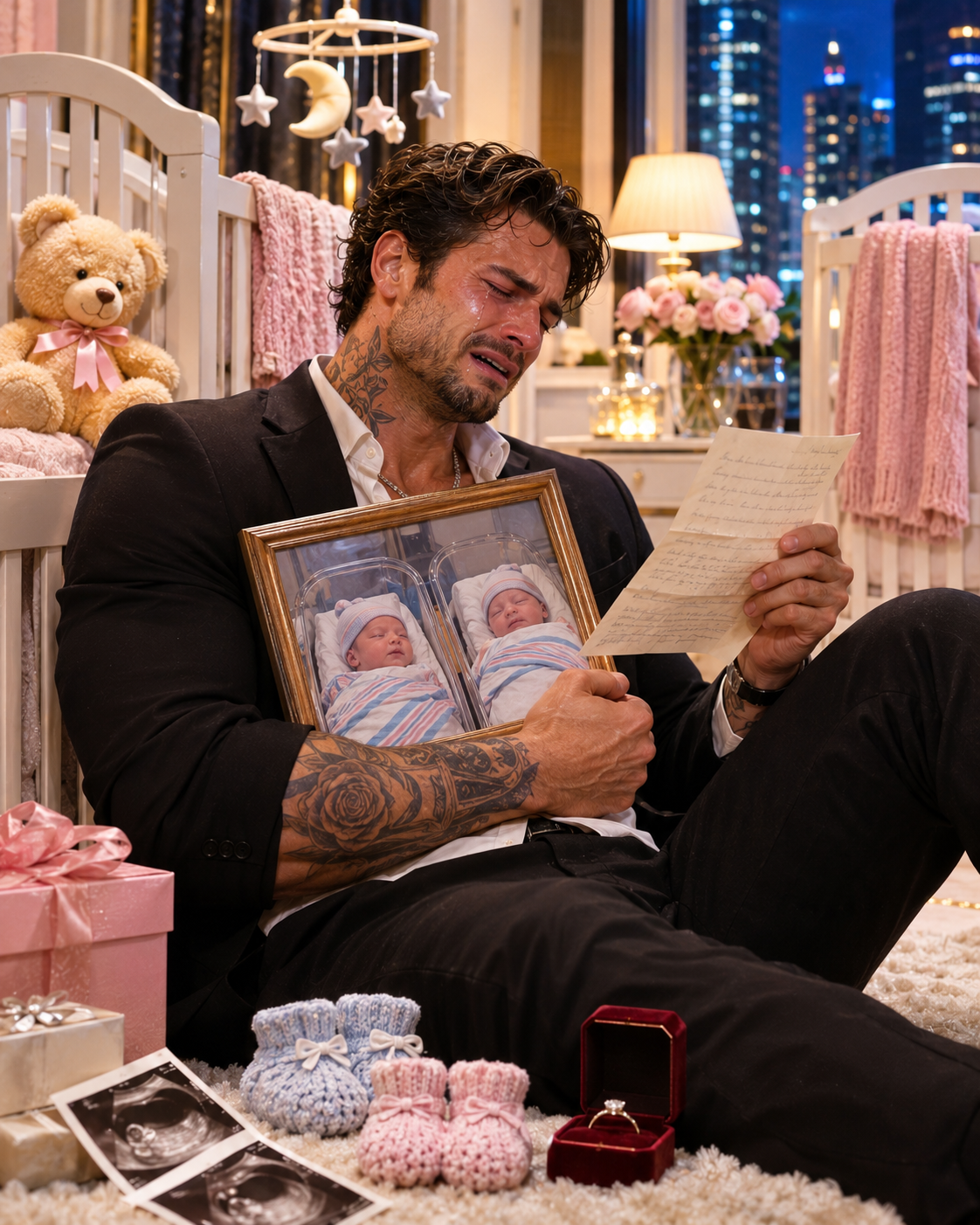
On our bedroom dresser, I found her wedding ring, two tiny socks, and a letter.
I read about the breathing machines and blood transfusions. I learned about the nights she had spent alone beside the incubators, watching our children struggle to survive.
She wrote that whenever nurses asked where I was, she forced herself to smile.
“He’s probably busy.”
Then I reached the final paragraph.
“I waited for you during my pregnancy. I waited in the hospital. I waited beside two incubators for one phone call asking whether we were okay. But I won’t teach Caleb and Grace to spend their lives waiting for a father who keeps choosing someone else.”
My knees struck the floor.
I reached for my phone.
Thirty-one missed calls.
Every message marked Read.
Amelia’s number was disconnected.
The hospital would not tell me where she had gone.
I was standing between the empty cribs when my phone rang.
The caller was the neonatal specialist who had treated our children.
“Mr. Cole,” she said urgently, “there’s something about your twins that you need to know.”
My heart seemed to stop.
“Are Caleb and Grace okay?”
She hesitated.
“Sir, before I explain, I need to ask you something. Did your wife tell you what happened after the second surgery?”
The question left me dizzy.
“Mr. Cole,” the neonatal specialist said, her voice careful but not unkind, “before I explain, I need to ask you something.”
I tightened my grip on the phone.
“Did your wife tell you what happened after the second surgery?”
“No,” I managed.
A pause followed.
“Then I’ll tell you what I can,” she replied. “But first, I need you to understand that both babies survived.”
I sank onto the bed.
For one fleeting moment, relief overwhelmed everything else.
My children were alive.
Then I remembered where I had been while their lives hung in the balance.
“Are they still in the hospital?” I asked.
“No,” she said. “They were discharged several weeks ago.”
Several weeks.
I had missed their birth, their first days, and even the moment they were finally strong enough to leave the hospital.
“Where are they now?”
“I’m sorry, Mr. Cole, but I can’t give you their current location.”
“They’re my children.”
“They are also patients, and your wife’s privacy matters,” the doctor said gently. “I’m not trying to punish you. I’m trying to protect information Amelia did not authorize me to share.”
I pressed my fingers against my forehead.
“I didn’t ask you to punish me.”
“No,” she said. “But you are asking me to cross a line she set.”
I had spent years believing my position entitled me to answers.
Now I could not even learn where my children slept.
“Tell me what happened,” I said. “Please.”
The specialist explained that Amelia had suffered a life-threatening hemorrhage after delivery.
“She lost a dangerous amount of blood,” the doctor continued. “We took her back into surgery. The procedure was successful, but her recovery was difficult.”
I imagined Amelia beneath the operating-room lights, frightened and exhausted, wondering whether she would ever hold our babies.
“How close was it?” I asked.
The doctor paused.
“Close enough that she had to make decisions about who would care for the babies if she didn’t survive.”
My mouth went dry.
“What decisions?”
“She signed temporary guardianship papers naming her sister, Claire, as the twins’ caregiver in the event of Amelia’s death.”
Amelia had prepared for the possibility of dying.
And she had chosen someone other than me to protect our children.
I wanted to object.
I wanted to explain that I was their father.
But fatherhood was exactly the responsibility I had abandoned.
“Claire,” I repeated.
“Yes,” the doctor said. “The paperwork should have been placed with Amelia’s emergency documents. I can’t give you Claire’s address, but if you have access to the family records, that may be the appropriate way to contact her.”
I rose and searched the dresser.
Amelia’s letter shifted beneath the draft from the heating vent.
Only then did I notice another folded page beneath it.
“Is there anything else?” I asked.
“There is one more thing about Grace.”
My hand stopped.
“What about her?”
“She has a heart condition that was discovered while the twins were in the NICU.”
I felt another wave of terror.
“Is she—”
“She is stable,” the doctor said quickly. “The condition is treatable, and she is receiving the care she needs. It will require follow-up appointments and monitoring, but Grace has responded well so far.”
I sat down.
My daughter had a heart condition.
My wife had faced that diagnosis without me.
“She has a heart condition.”
“Yes.”
“And Amelia never told me.”
“She coordinated her care with our team after the diagnosis.”
I looked at the call history.
Thirty-one calls.
Every message marked read.
“She was trying to reach me,” I said.
“Yes.”
“And I didn’t answer.”
“No.”
I could no longer hide behind the belief that Amelia had kept me uninformed.
She had tried.
Repeatedly.
I had made myself unreachable.
“Why are you telling me about Grace now?” I asked.
“Because you asked whether your children were okay, and because she will need ongoing care,” the doctor said. “But I want to be clear: knowing about her condition does not entitle you to private information or immediate access. If you want to be part of their lives, you will have to approach Amelia’s family with patience.”
“I will.”
The promise came too easily.
“Mr. Cole, I hope you mean that,” she said.
I stared toward the empty nursery.
“I don’t know what I mean yet,” I admitted. “I know I want to see them.”
“That’s a beginning,” she said. “It isn’t the same as being ready.”
I asked about Amelia.
“Can you tell me anything about how Amelia is?”
“She is recovering,” the doctor answered. “She was discharged before the twins. She has support.”
“From Claire?”
“I can’t confirm where she is staying.”
I nearly pressed her for more information.
Instead, I stopped.
“Thank you for telling me about the babies.”
“I’m sorry I can’t tell you more.”
“Don’t be.”
After the call ended, I walked into the nursery.
Amelia had chosen pale clouds for the walls months earlier.
I remembered her excitedly describing the colors while I answered an email.
I had promised we would finish decorating later.
There had always been another meeting, another trip, another reason to postpone being present.
I opened the changing table.
Inside were neatly folded blankets, unopened newborn clothes, and a small envelope bearing my name.
I unfolded the card inside.
“Harrison, I wanted you to know them.”
Below it was another sentence.
“But not at the cost of their safety.”
I leaned against the changing table.
I had spent years imagining myself as a provider.
But when my family needed a husband and father rather than a bank account, I had disappeared.
I searched the study for the hospital documents.
Most drawers contained company filings, travel receipts, and financial statements.
Finally, at the bottom of a cabinet, I found a blue hospital folder.
Inside were Amelia’s discharge records, medication lists, and identification forms for Caleb and Grace.
A clear envelope held two tiny hospital bracelets.
Their names were printed in letters so small I could barely read them.
I lifted the bracelets.
My hands looked enormous beside them.
I had never held either baby.
Beneath the bracelets lay the temporary guardianship paperwork.
Claire’s name appeared where mine might have been.
Amelia had signed it the morning after her second operation.
There was also a folded letter addressed to me.
“Harrison,” it began.
“If you are reading this, then someone has told you the babies survived, and you have found the papers I signed when I was afraid I might not.”
I stopped to steady my breathing.
“I did not make that choice to hurt you,” she had written. “I made it because I needed to know Caleb and Grace would be safe if I couldn’t protect them.”
The next words were worse.
“Claire has always shown up,” the letter continued. “I needed someone who would stay without being asked twice.”
Amelia had not chosen Claire to punish me.
She had chosen her because Claire was dependable.
“She knows how much you wanted a family once,” Amelia had written. “I hope someday you remember what that means.”
That was where the letter ended.
No invitation.
No promise.
No assurance that forgiveness would ever be possible.
I folded it carefully.
For the first time, I understood that Amelia had not simply left our house.
She had found somewhere she felt safe.
I called our attorney, then ended the call before he answered.
My instinct was to hire someone, locate her, and negotiate my way back into her life.
But I had already spent years using other people to manage the consequences of my decisions.
This time, I needed to act differently.
I contacted the hospital and asked about the emergency contact information in the paperwork I possessed.
The employee would not disclose anything new, but explained where the family contact number appeared on the sealed copy of the form.
I found Claire’s number on the second page.
My hand trembled as I dialed.
The first call went unanswered.
On the second attempt, a woman picked up.
“Hello?”
“Is this Claire?”
“Who’s asking?”
“My name is Harrison Cole.”
Silence.
“Why are you calling me?”
I explained that I had spoken with the neonatal specialist and found Amelia’s emergency documents.
“That was months ago.”
“I know.”
“You have a talent for being late, Harrison.”
Her calmness hurt more than shouting would have.
“I’m not calling to ask you to make excuses for me,” I said. “I want to know whether Amelia and the twins are safe.”
“They are.”
“Thank you.”
“Don’t thank me for telling you something you should have known already.”
“I’m sorry.”
“Are you sorry you left, or sorry you came home and found out she’s not waiting in the same place?”
I had no answer that would make me look better.
“I don’t know how to answer that without making it sound like I’m trying to save myself.”
“Then don’t try to save yourself,” Claire said. “Tell the truth.”
I looked at the bracelets.
“The truth is that I chose Madison over my wife and children,” I said. “I saw the calls. I heard Amelia asking me to be there, and I kept choosing not to answer.”
Claire was silent for several seconds.
“Amelia nearly died,” she said at last. “She was still in recovery when she signed those papers.”
“I read them.”
“She didn’t know if she would get to meet her children properly. She was frightened, exhausted, and in pain.”
“I understand.”
“No, you know the words,” Claire replied. “You don’t understand what it was like to be there.”
She was right.
I had not been there.
“I don’t expect you to trust me,” I said.
“Good.”
“I’d like to speak with Amelia, if she’s willing.”
“She isn’t.”
The answer was immediate.
I asked whether Amelia would share her location.
“No.”
“I understand.”
“Do you?”
“I’m trying to.”
“That isn’t the same thing.”
“No,” I said. “It isn’t.”
Claire confirmed that Amelia and both babies were safe and that Grace was receiving treatment.
I tried to ask about the medical arrangements.
“Does she have to travel for treatment?”
“Not right now.”
“Is she—”
“Stop,” Claire said, not sharply, but with the clear firmness of someone protecting the boundary she had been asked to hold. “You don’t get to gather details about Amelia through me because she won’t speak to you.”
“I’m sorry.”
“You keep saying that.”
“I don’t know what else I can say.”
“Then maybe don’t say anything for a while.”
I fell silent.
Then I heard a faint noise behind her voice.
A tiny, breathy sound.
Another followed.
My heart began pounding.
“Claire,” I whispered.
“What?”
“Was that one of the twins?”
Her voice tightened.
“They’re asleep.”
I stared at the bracelets.
“Could I—”
“No,” she said. “Not like this.”
I waited, hoping she might offer a photograph, another sound, or even a description.
But she owed me none of those things.
“Goodbye, Harrison.”
“Goodbye.”
The connection ended.
I stood beside my desk for a long time.
My wife would not speak to me.
My children were somewhere I was not permitted to go.
And the person they depended on was the woman who had answered when Amelia needed help.
I looked again at Claire’s name on the guardianship papers.
For the first time, I understood that getting back into my children’s lives could not begin with a demand.
It would have to begin with learning to wait without making someone else suffer for my impatience.
The following morning, Madison called four times.
I ignored the calls.
Then I opened the old messages from our California trip.
“She’s calling again.”
“Do you want me to tell her you’re busy?”
Madison had seen Amelia trying to reach me.
But I had been the one who taught everyone that my wife’s calls were inconvenient.
My assistant, Peter, called shortly afterward.
“Mr. Cole, Madison is downstairs,” he said. “She says she needs to speak with you.”
“Tell her I’ll come down.”
Madison stood in the lobby wearing a cream coat and dark sunglasses.
“You look like you haven’t slept.”
“I haven’t.”
“Is Amelia back?”
“No.”
“Then what happened?”
I told her about the hemorrhage, the premature delivery, the NICU, and Grace’s heart condition.
“Oh, Harrison.”
“She had a hemorrhage and needed another operation. The babies were in the NICU. Grace has a heart condition.”
Madison covered her mouth.
“I didn’t know.”
“You knew she was calling.”
“I knew she wanted to talk to you.”
“She was in labor.”
“I thought you’d call her back when we got to the hotel.”
“I didn’t.”
“I know that now.”
“You knew then, too.”
She flinched.
“I didn’t know she was giving birth,” she said. “You told me the doctors had everything under control.”
“The doctors did have everything under control. They saved her life. That doesn’t change the fact that I left her alone.”
“I wasn’t the one who made you leave.”
“No,” I said. “You weren’t.”
I asked whether she had seen the calls before our departure.
“I saw your phone lighting up.”
“How many times?”
“I don’t remember.”
“Did you tell me to answer?”
She hesitated.
“I told you she was probably anxious.”
“That wasn’t what I asked.”
“No,” she said quietly. “I didn’t tell you to answer.”
I could have blamed Madison.
It would have been easy to tell myself that she had distracted me from my family.
But she had not forced me to leave.
She had not prevented me from answering the phone.
Those decisions belonged to me.
“I can’t keep seeing you,” I said.
“Because Amelia came back?”
“She didn’t.”
“Because the babies are yours?”
“Because my choices were wrong before I knew what happened to them.”
Madison looked wounded.
“I didn’t ask you to abandon her.”
“You didn’t have to.”
“I’m sorry,” I said.
She laughed bitterly.
“You’re sorry now.”
“Yes.”
“Do you love her?”
“I don’t know what love is supposed to mean after what I did.”
“That sounds like a careful answer.”
“It’s the only honest one I have.”
Madison put her sunglasses back on.
“I hope you figure out what kind of man you want to be,” she said.
“So do I.”
She walked out.
There was no triumph in ending the affair.
Only the first consequence I had accepted without trying to escape it.
I called Claire.
“I told you not to say anything for a while,” she said.
“You did.”
“And yet here you are.”
“I’m not asking for Amelia’s address.”
“What are you asking for?”
“If Amelia is willing, I’d like to meet the twins in a supervised setting. At the hospital, or wherever you think is appropriate.”
“You think one visit fixes anything?”
“No.”
“You think seeing them will make you feel better?”
“I don’t know.”
“That’s honest, at least.”
“I want to know them,” I said. “But I know wanting that doesn’t give me the right to insist.”
After a pause, Claire replied.
“I’ll ask Amelia.”
“Thank you.”
“Don’t thank me yet.”
She hung up.
At noon, a message arrived.
“Tomorrow, two o’clock. A family room at the children’s clinic. I will be there. Keep the visit short. Amelia will not be coming.”
I typed a simple response.
“I understand.”
The next afternoon, I arrived twenty minutes early.
The clinic waiting room smelled of disinfectant and crayons.
A little boy was arranging wooden blocks on the floor while his father read beside him.
I watched them and wondered what my own children liked.
Would Caleb enjoy music?
Would Grace laugh easily?
Would either recognize my voice?
Claire arrived carrying two infant seats.
She looked exhausted, but her movements were steady and practiced.
“Thank you for coming,” I said.
“I told Amelia I would be here,” she replied. “That’s why I came.”
She placed the carriers on the table.
Then she pulled back the first blanket.
“This is Caleb.”
My son looked up with wide eyes.
His tiny fists rested beside his face.
He had grown since the hospital photograph, but he was still smaller than I had imagined.
“Can I hold him?” I asked.
“If he’s comfortable with you.”
Claire carefully transferred him into my arms.
I struggled to position my hands correctly.
She adjusted my elbow and showed me how to support his head.
“Like that,” she said.
I looked down.
“Hello,” I whispered.
Caleb stiffened.
Then he cried.
I froze.
Claire took him back and began rocking him.
“He hasn’t heard your voice before,” she said.
“I know.”
“He’ll need time.”
“I understand.”
“Do you?”
“I’m trying to.”
Then she moved the second carrier closer.
“And this is Grace.”
My daughter was asleep.
A small monitor rested near her blanket.
“Is that for her heart?”
“It helps us keep track when we travel,” Claire said. “She’s stable.”
“Can I sit beside her?”
Claire nodded.
I sat and studied Grace’s face.
She had a tiny crease between her eyebrows, as though she were thinking about something serious.
“I’m sorry,” I whispered.
Claire looked at me.
“Don’t make the visit about what you need to say.”
“I’m not.”
“You are looking at her as if she can answer you.”
“I don’t expect her to.”
“Good.”
For several minutes, we remained quiet.
Caleb settled against Claire’s shoulder.
Grace continued sleeping.
I asked about their feeding routines and what helped calm them.
“Being held,” Claire said. “And a slow walk. He likes looking at the ceiling fan.”
“Grace?”
“Sometimes music. Sometimes nothing. She’s good at sleeping through the world.”
A faint smile crossed Claire’s face.
Twenty minutes later, the visit ended.
“I’d like to come again, if Amelia agrees.”
“You can ask through me.”
“I will.”
“Do not call her directly.”
“I won’t.”
I watched Claire carry the twins away.
For the first time, I had held my son.
He had cried because I was a stranger.
And I had no one to blame for that except myself.
Outside, I called Peter.
“Did you ever forward Amelia’s calls while I was in California?” I asked.
“Not directly,” he said. “You had given me standing instructions to screen personal calls during the trip.”
“What did that mean?”
“It meant I handled your calendar and kept nonessential calls from interrupting meetings.”
“Were Amelia’s calls marked nonessential?”
“I can’t recall exactly how each one was categorized.”
“Did she call the office?”
“I believe she did.”
“How many times?”
“Mr. Cole, I’d need to review the logs.”
“Review them.”
“I can do that.”
“And Peter?”
“Yes?”
“Don’t filter anything from me again.”
“I understand.”
That evening, he sent the records.
Amelia had called the office twice.
The first call came when her doctor recommended hospitalization.
The second arrived shortly before the twins were born.
Both had been classified identically.
“Personal. Hold for return.”
The notation made me sick.
I had created a system that treated my family as less important than a business meeting.
The following morning, Claire called.
“Amelia is willing to let you visit again,” she said. “Next week. Same rules.”
“I’ll be there.”
“And she asked me to tell you something.”
“What?”
“She doesn’t want the clinic staff contacted unless it’s about the twins’ care.”
“I understand.”
“She also doesn’t want gifts.”
“I wasn’t planning to send any.”
“Good.”
Then Claire mentioned Amelia’s journal.
She said Amelia had written about our marriage before the emergency delivery but did not want the journal shared with me.
“Then you shouldn’t.”
“I’m telling you because she’s afraid you’ll hear pieces of what she wrote and assume you understand her.”
“I won’t.”
“You can’t promise that.”
“No,” I said. “I can promise I’ll try not to.”
Claire hesitated.
“She wrote that she worried you loved the idea of a family more than the daily work of being part of one.”
The words struck me.
“What did she mean by that?” I asked.
“That’s not my story to explain.”
“I know.”
“Then let it be hers.”
After the call, I sat looking at the hospital bracelets.
I had always believed love was demonstrated through the future I intended to provide.
Amelia had been asking for something much simpler.
She wanted me to show up today.
Then Peter sent another message.
The hospital had called my office the morning after Amelia’s second surgery.
A nurse had left a voicemail specifically asking me to contact my wife.
And that message had never reached me.
PART 2: The Promise I Made—and Never Kept
I stared at Peter’s message.
A nurse had called after Amelia’s second operation.
She had left a voicemail.
And it had been held.
I called Peter immediately.
“Mr. Cole.”
“Do you still have the voicemail?”
“I’m looking into it now.”
“Don’t summarize it,” I said. “Find the recording.”
“I will.”
“And the call log.”
“I’m already pulling it.”
Something in his hesitation told me he remembered more than he wanted to say.
“Peter, tell me what you know.”
“I remember the call,” he said. “The nurse identified herself and said it was personal.”
“What did you do?”
“I followed your instructions.”
“What instructions?”
“You had told me that while you were traveling, personal calls were to be screened unless they involved a company matter or an immediate scheduling issue.”
“That doesn’t answer me.”
“No,” he said. “It doesn’t.”
I looked out over Manhattan.
“Did you listen to the message?”
“I did.”
“Did you know it was from the hospital?”
“Yes.”
“Did you know Amelia had just had surgery?”
“I knew she’d delivered the twins. I didn’t know the details.”
“Did you know she was asking for me?”
Peter paused.
“I knew the nurse said Amelia wanted to speak with you.”
“And you didn’t tell me.”
“No.”
“Why?”
“You had said not to interrupt you during the trip unless something involved the company.”
“I didn’t say ignore my wife.”
“You didn’t say that,” Peter replied. “But I understood that your personal calls were not to be put through.”
I remembered the restaurant in California.
Amelia’s frightened voice.
Madison sitting across from me.
The call I had ended because I wanted to continue enjoying dinner.
Peter had acted according to a pattern I established.
“I need you to send me everything connected to that call,” I said.
“I’ll forward the records and the recording.”
“Thank you.”
“Mr. Cole, I’m sorry.”
I almost reassured him.
But I could not pretend his decision had been harmless.
Nor could I make him responsible for the choices I had made.
“I gave you the instruction,” I said. “I trained everyone around me to treat my family as an interruption.”
Peter remained quiet.
“I’m not saying you made the right call,” I continued. “I’m saying I understand how I made it seem like the right one.”
“I should have called you anyway.”
“Maybe.”
“Would you have answered?”
I looked at the bracelets.
“I don’t know.”
That admission frightened me more than any accusation.
I genuinely did not know whether I would have answered.
Peter sent the recording.
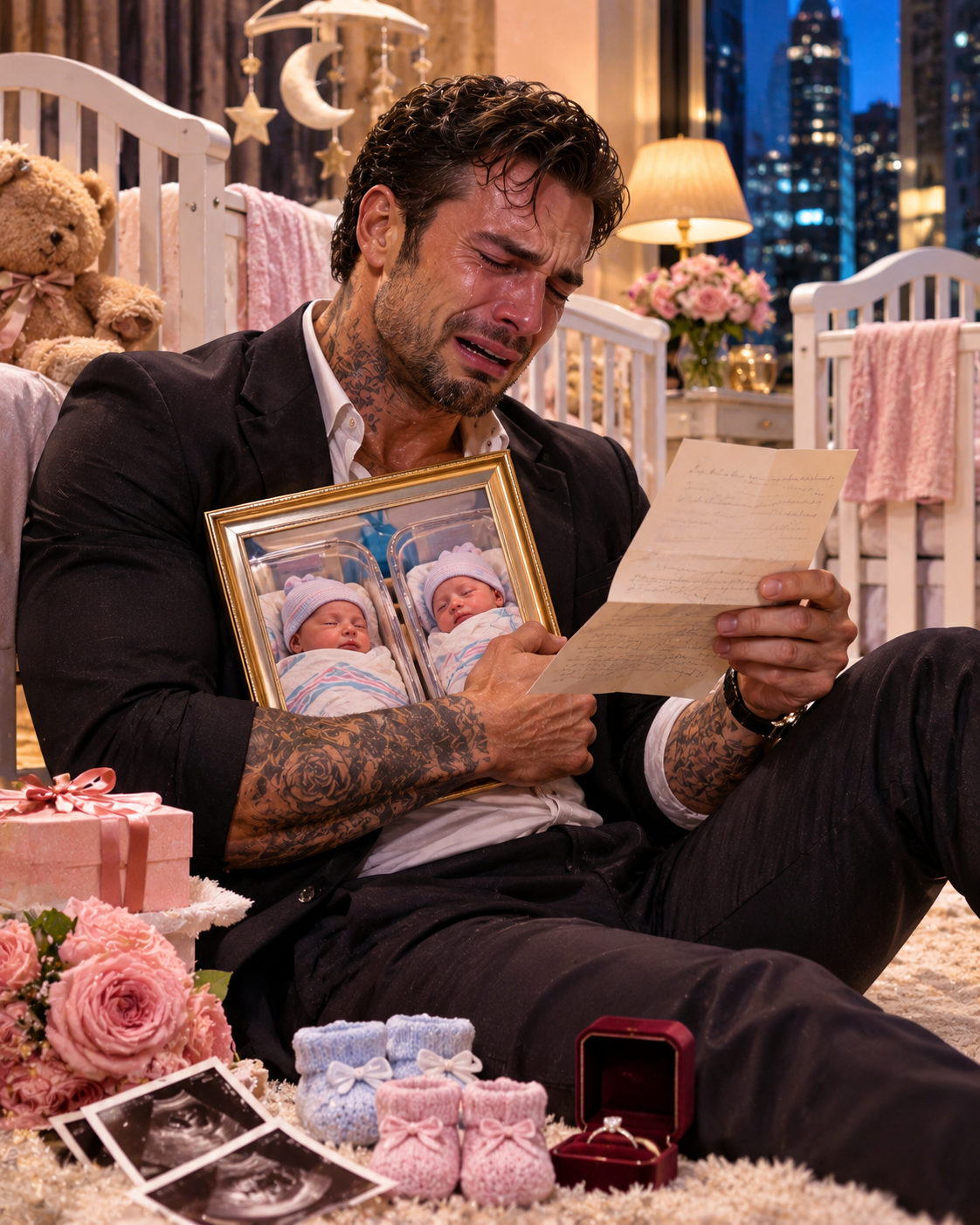
I sat before pressing play.
A woman’s calm voice emerged from the speaker.
“Mr. Cole, this is Nurse Elena Ruiz calling from the maternity recovery floor.”
I leaned closer.
“Amelia asked me to try you. She is awake after surgery and would like to speak with you if you’re available.”
A faint rustling sound followed.
“She’s stable right now, and the babies are receiving care in the neonatal unit.”
Then the nurse added:
“Your wife asked me to say that she thought you might want to know they’re here.”
Another pause.
“If you’re able, please call the hospital and ask for her nurse. We’ll try to connect you.”
The recording ended.
I played it again.
Amelia had almost died.
She had awakened after surgery.
And even then, she had asked someone to try reaching me.
I covered my face.
She had given me another chance to be present.
I had built a life in which that chance could be filed away as an inconvenience.
Claire called later.
“Amelia asked me to check whether you’re still planning to come tomorrow,” she said.
“I am.”
“Your voice sounds different.”
“I heard the voicemail.”
“What voicemail?”
“The nurse called my office the morning after Amelia’s second surgery. She left a message for me.”
Claire went silent.
“Amelia didn’t know about that.”
“I don’t think she did.”
“What did it say?”
“She asked the nurse to try me. She wanted to talk.”
“And you never got it?”
“My assistant held it under my standing instructions.”
“Your instructions?”
“I told him to screen personal calls while I was traveling.”
“You were in California with Madison.”
“Yes.”
Claire took a breath.
“She tried one more time.”
“Yes.”
“After the calls. After the delivery. After the hemorrhage.”
“Yes.”
“And you still didn’t know.”
“I didn’t.”
Then she asked the question I dreaded.
“Would it have changed anything?”
I wanted to say I would have flown home immediately.
But I had already ignored thirty-one calls.
“I can’t answer that honestly,” I said. “I don’t know whether I would have come back that day.”
“Thank you for not pretending.”
“I’m not telling you so you’ll blame Peter instead.”
“Good.”
“I know the decision was mine.”
“Then what do you want from me?”
“Nothing. I thought Amelia should know what happened.”
“She may not want to know.”
“I understand.”
“No,” Claire said, her voice tightening. “You know it’s possible she won’t want to know. That’s not the same as understanding what it might do to her.”
“I won’t contact her directly.”
“I’ll ask if she wants to hear it.”
“Thank you.”
“Don’t make me carry messages that are really meant to reach her.”
“I won’t.”
Afterward, I wandered into the storage room beside my study.
Boxes filled the shelves.
Old business papers, photographs, calendars, and belongings from our first apartment had been pushed aside as my life became wealthier.
At the back, I found a cardboard box labeled in Amelia’s handwriting.
“First apartment.”
I sat on the floor and opened it.
Inside were a chipped blue mug, the receipt from our secondhand couch, and a menu from the restaurant where we celebrated our first profitable month.
There was also one of Amelia’s old journals.
I did not open it.
Claire had told me Amelia did not want her private writing shared.
Instead, I lifted a bundle of loose papers tied with faded ribbon.
The first page read:
“For the days when we forget.”
They were old notes we had exchanged.
A message on the back of a grocery list.
A postcard Amelia had sent from our apartment even though my office was only four blocks away.
Words written before money had made our lives complicated.
“Remember, we are building a life, not just a company.”
“You make the longest days feel less lonely.”
“When we have children, I want them to know you the way I do now.”
At the bottom was a note in my own handwriting.
“I promise I won’t let the work become the reason I miss the life we’re working for.”
I stared at it.
I could barely remember writing those words.
But I remembered our narrow kitchen and the noisy radiator.
I remembered how Amelia used to sit across from me at our little table, convinced that our future would be beautiful because we would build it together.
Beneath the bundle was another folded sheet.
It was dated shortly before the twins’ birth.
Amelia had written:
“Harrison,” the note began, “I found the things we wrote when we had nothing but time and each other.”
I swallowed.
“I keep thinking about the promise you made not to let work take the place of our life. I know you still love the idea of what we planned. I’m not sure you remember that a family is made of ordinary days.”
Claire’s words returned to me.
Amelia had feared this long before the hospital.
“I don’t need you to be perfect,” she wrote. “I need you to be there when something is frightening and inconvenient, not only when there is a photograph to look at afterward.”
My eyes filled.
“I’m asking you to come home before the babies arrive. I’m asking because I still believe the man who wrote those notes is somewhere inside the man you have become.”
At the bottom was one final sentence.
“I don’t know how many more times I can ask.”
I sat on the floor for a long time.
The notes proved that our marriage had not begun as a lie.
We had loved each other.
We had meant our promises.
But somewhere along the way, I had stopped doing the ordinary work required to keep them.
The next day, Claire messaged me.
“Amelia knows about the voicemail. She does not want to discuss it right now.”
I answered:
“Understood.”
A few minutes later, another message arrived.
“She asked me to tell you that she remembers making the call.”
I stared at the screen.
“What did she say?” I typed.
Claire replied:
“She said she remembers asking the nurse to try because she thought you might finally answer.”
I put the phone down.
There was nothing I could say that would make those words less painful.
At the next clinic visit, Caleb was awake when Claire brought him in.
Grace slept with one hand beside her cheek.
“Thank you for letting me come.”
“Amelia agreed to another visit,” Claire said. “That doesn’t mean anything has changed between you.”
“I know.”
“Do you?”
“I’m beginning to.”
Caleb stirred when I spoke, but this time he did not cry.
I waited until Claire permitted me to hold him.
He looked at my face with cautious curiosity.
I sat beside Grace afterward, watching her blanket rise and fall.
“Did Amelia say anything else about the voicemail?” I asked.
Claire looked at me.
“Why do you need to know?”
“I don’t.”
“Then don’t ask.”
“You’re right.”
She adjusted Caleb’s blanket.
“She said the message didn’t surprise her.”
My chest tightened.
It had not surprised Amelia.
“Because she expected it not to reach me?”
“Because by then she had stopped expecting you to answer.”
I could not respond.
When the visit ended, I left without asking to follow them.
Driving home, I thought about the thirty-one calls, the held voicemail, and the promises Amelia had saved.
No single missed call had destroyed our marriage.
I had spent years teaching her that my absence was normal.
Eventually, she had believed me.
That evening, I sat alone in the nursery.
I placed Caleb’s hospital bracelet in one crib and Grace’s in the other.
Then Claire called.
“Is something wrong?”
“No,” she said. “The babies are fine.”
Relief rushed through me.
“Amelia asked me to tell you she found something else among the papers you kept from your first apartment.”
“What did she find?”
“An envelope.”
“What was in it?”
“I don’t know. She hasn’t opened it.”
“Why not?”
“Because it has your name on it.”
I straightened.
“When was it written?”
“She said it’s dated the week she asked you not to go to California.”
I tried to remember.
Nothing came.
“Does she want me to read it?”
“No,” Claire said. “She wants to know whether you remember writing it.”
I remembered Amelia standing in my office, supporting her back.
I remembered her asking me not to leave.
But I could not recall an envelope.
“What did I write?” I asked.
“She hasn’t opened it.”
“Is she going to open it?”
“I don’t know,” Claire replied. “She’s trying to decide whether finding out will help her, or only make it harder to leave the past where it is.”
I sat on the edge of the crib.
Amelia was holding words written before I left for California.
Words from a man who might have known better.
And neither of us knew whether reading them would bring clarity or deepen the wound.
The envelope arrived the following morning.
Claire had sent it by courier inside a plain white sleeve.
Her note read:
“Amelia wants you to have this. She has not opened it.”
I stood in the nursery holding it.
Then I opened it.
The handwriting was mine.
“Harrison,” the note began, “I know you’re leaving for California next week, and I don’t want to make you feel guilty about work.”
I sat on the floor.
“I know how much this company means to you. I know what we gave up to build it, and I’m proud of what you’ve done.”
My throat tightened.
“But I’m scared about the babies coming early. I don’t need you to cancel everything forever. I need you to stay long enough that I don’t feel like I’m facing this alone.”
I recognized the words.
I had written a response to Amelia’s request.
The letter continued.
“I want to believe you’ll come home when I need you. I want to believe the promises we made still matter on ordinary days, not only when we’re remembering the beginning.”
At the bottom was a sentence in my handwriting.
“I’ll be there, Amelia. The trip can wait.”
I could barely breathe.
Then the memory returned.
I had written the note late one night after Amelia asked me to stay.
At that moment, I genuinely intended to postpone the trip.
The next morning, a board member called about a negotiation.
I convinced myself the journey was unavoidable.
I never gave Amelia the letter.
I never kept the promise.
I called Claire.
“I read it,” I said.
“Do you remember writing it?”
“Yes.”
“Did you mean it?”
“Yes,” I said, then corrected myself. “I meant it when I wrote it. Then I chose not to honor it.”
“That distinction matters,” Claire said.
“It doesn’t change what happened.”
“No.”
“I want Amelia to know I read it.”
“She wanted you to read it.”
“Did she say why?”
“She said she wanted to know whether you remembered making promises you never kept.”
“I remember now.”
“Remembering isn’t the same as changing.”
“I know.”
“Do you?”
“I’m trying to learn the difference.”
Claire was quiet.
Then her voice changed.
“Grace’s cardiologist called Amelia this morning.”
My heart accelerated.
“What happened?”
“Nothing sudden. Grace is stable. But the specialist reviewed her latest tests and recommended surgery sooner than they’d first expected.”
“How soon?”
“Within a few weeks, if the family agrees.”
“Where?”
“The local hospital can do it, but the specialist team they recommend is in Boston.”
I looked at the letter in my hand.
“What does Amelia think?”
“She’s weighing the options. The Boston team has more experience with Grace’s particular condition, but transferring care would mean new doctors, travel, and disruption.”
“Can I help?”
“Amelia doesn’t want money to decide for her.”
“I’m not asking to decide for her.”
“You should be certain before you offer anything.”
“I am.”
“Then I’ll tell her you’re willing to help if she wants it.”
“I’d like to be at the appointment.”
“That’s not my decision.”
“I know.”
“Amelia may not want you there.”
“I know that too.”
“Then wait until she says.”
“I will.”
Two days later, Claire called again.
“Amelia has agreed to meet you,” she said. “The cardiologist is discussing the transfer options with us tomorrow.”
“Where?”
“At the clinic. You’ll sit in, but you will not speak over her or turn the appointment into a negotiation.”
“I understand.”
“And if she asks you to leave, you leave.”
“I will.”
“You keep saying that.”
“I know.”
“Then show her.”
The following morning, I arrived early.
I sat beneath a framed painting of a sailboat, holding a notebook.
Then Amelia entered.
I stood.
She looked thinner than I remembered.
Her hair was tied back, and her face carried an exhaustion that no amount of money could erase.
“Thank you for coming,” she said.
“I’m grateful you allowed me to.”
She glanced at my notebook.
“Are you planning to take notes?”
“If that’s useful.”
“It might be.”
She sat near the door.
I chose a chair across from her.
Claire stood beside Grace’s stroller.
Our daughter was awake, staring at the ceiling.
“How is she today?”
“Good,” Amelia said. “She had a quiet night.”
“I’m glad.”
A nurse led us into the consultation room.
The cardiologist explained that Grace’s condition was treatable, but the recommended procedure was more complicated than initially expected.
The Boston team had greater experience with similar cases.
The local hospital was capable, though it performed the operation less frequently.
“Neither option is unreasonable,” the cardiologist said. “The decision depends on what feels right for Grace and what support the family needs around the surgery.”
Amelia asked about complications, recovery time, follow-up appointments, and the disruption of moving Grace’s care.
Her questions were precise.
She had learned all of this while I was absent.
I listened and wrote down the answers.
The doctor explained that Boston would require travel, new medical staff, and temporary lodging.
But its surgical team had extensive experience with Grace’s condition.
Amelia turned to Claire.
“What do you think?”
“I think the experience matters,” she said. “But I also know how much stability has helped her.”
The cardiologist addressed Amelia.
“What do you think is best for your daughter?”
Amelia rested her hand on the stroller.
“I think Boston gives her the strongest chance,” she said. “I’m worried about moving her care right before surgery, but I don’t want fear of disruption to keep us from the best team.”
I wanted to promise that I would arrange everything.
Instead, I stayed quiet.
Amelia looked at me.
“You’ve been quiet.”
“I’m listening.”
“Do you have an opinion?”
“I think you’ve asked the right questions.”
“That isn’t an opinion.”
“It’s the truth.”
She waited.
“I would support the Boston transfer if that is what you choose,” I said. “But I don’t want my money or my position to become part of the decision.”
“Then why offer?”
“Because the choice may create costs and logistics you shouldn’t have to carry alone.”
“I’ve managed those things so far.”
“I know.”
“Do you?”
“I know you managed them while I was absent. I’m not going to pretend I understand what that cost you.”
Amelia looked down at Grace.
“I want the Boston team,” she said at last. “I want the transfer, and I want to keep the care plan as steady as we can.”
The cardiologist agreed to begin coordinating the arrangements.
After the appointment, Claire took Grace toward the car.
Amelia remained in the corridor.
“Thank you for not pushing,” she said.
“I wanted to.”
“I know.”
“I’m sorry that your decision had to be made under pressure.”
“Most decisions about the babies have been under pressure.”
I had no defense.
Then she said:
“You can help with the transfer logistics,” she said. “If you agree to one condition.”
“I do.”
“You don’t contact the hospital or the surgical team without going through me. You don’t call the specialist and ask them to explain what I’ve already told you. You don’t use money to make yourself the person everyone has to consult.”
“I agree.”
“And if I say no to something, you accept it.”
“I agree.”
“You haven’t heard what I’m asking you to do yet.”
“Then tell me.”
Amelia studied me.
“I want you to cover the travel and temporary lodging for Claire and me,” she said. “The hospital has a family support fund, but it may not cover everything. You can pay the costs directly through the clinic’s patient services office.”
“That’s reasonable.”
“And I want you to sign a statement confirming that this does not give you any authority over Grace’s medical care or the twins’ day-to-day decisions.”
The old part of me resisted.
I was their father.
I had resources.
I could hire specialists and arrange private transportation.
But none of that meant Amelia owed me control.
“I’ll sign it,” I said.
“You don’t need to answer that quickly.”
“I’ve thought about it.”
“When?”
“Since I found the guardianship papers.”
“Those papers were temporary.”
“I know.”
“You understand that I’m not surrendering custody to you because you’ve started showing up.”
“I’m not asking for that.”
“I’m the twins’ primary caregiver.”
“Yes.”
“And you won’t use this transfer to argue that you should make decisions because you can pay.”
“I won’t.”
“You can’t promise you’ll never disagree with me.”
“No,” I said. “I can promise I won’t turn disagreement into a claim that I deserve control.”
She watched me carefully.
“Have the statement drafted by your attorney,” she said. “I’ll have mine review it.”
“I’ll do that.”
“And Harrison?”
“Yes?”
“If I change my mind about the transfer, you don’t punish me by withdrawing support.”
“I won’t.”
“If the specialist recommends something different after another test, you don’t argue that you paid for the appointment.”
“I won’t.”
“If Grace needs me to stay by her side and you’re only allowed to wait outside, you wait.”
“I’ll wait wherever you tell me to.”
“Good.”
That afternoon, I instructed my attorney to prepare the agreement.
It would not demand custody.
It would not give me medical authority.
It would not make financial support conditional upon future access.
The attorney reviewed the terms.
“I do,” I said when he asked whether I understood.
“You’re waiving more than immediate decision-making,” he cautioned. “You’re agreeing not to seek a change in the current arrangement as a condition of providing support.”
“I understand.”
“Do you want me to include a review date?”
“No.”
“Do you want language preserving your right to ask for parenting time later?”
“No.”
“That’s a substantial decision.”
“It’s the decision Amelia asked me to make.”
“And you’re comfortable with it?”
“No,” I said. “But comfort isn’t the same as right.”
The document was prepared and reviewed by Amelia’s attorney.
Both sides signed.
I paid the travel and lodging deposit through the clinic’s patient services office.
I did not call Amelia to announce what I had done.
At our next meeting, she mentioned it.
“Thank you,” she said.
It was not forgiveness.
But it was the first time she had thanked me for help I had provided without expecting anything in return.
The Boston team reviewed Grace’s medical records and scheduled another assessment.
Amelia allowed me to attend.
I sat nearest the door and listened while the specialist discussed the risks, treatment options, and uncertainty surrounding the procedure.
The doctor explained that the final surgical plan would depend on further examination and updated imaging.
Amelia requested that all summaries go directly to her and Claire.
I did not ask for a separate copy.
Outside, she turned to me.
“Did you understand what they said?”
“Yes.”
“Tell me.”
I repeated the key points as accurately as I could.
Amelia nodded.
“That’s right.”
It was a small acknowledgment.
But I valued it more than any business award I had ever received.
Over the following days, I handled arrangements only when asked.
I sent travel details to Claire.
I provided payment confirmations through patient services.
I accepted changes without arguing.
There were no extravagant gifts or dramatic apologies.
Just paperwork, schedules, receipts, and the ordinary discipline of doing what I had promised.
One evening, Claire called.
“Amelia asked whether you could come by tomorrow,” she said. “She wants to go over the travel plan.”
“I’ll be there.”
“She also wants you to bring the signed agreement.”
“I’ll bring it.”
“Don’t treat this as a step toward something else.”
“I won’t.”
“Your help does not mean she is reconsidering the marriage.”
“I know.”
“Do you?”
“I know she hasn’t promised me anything.”
“Good. Keep knowing that.”
The next morning, I met Amelia and Claire in the clinic family room.
Grace was awake in her stroller.
I placed the agreement and travel schedule on the table.
“The travel arrangements are confirmed,” I said. “The patient services office has the payment information.”
Amelia examined the itinerary.
“I want us to arrive the day before the assessment,” she said. “The twins do better when we don’t rush.”
“That makes sense.”
“We’ll need to adjust if the specialist changes the plan.”
“Of course.”
She reviewed the agreement.
“You understand what you signed?”
“Yes.”
“You may not always like what I decide.”
“I understand.”
“You may feel that being their father gives you a right to be consulted about everything.”
“I may feel that,” I said. “That doesn’t mean I’m entitled to it.”
Claire looked up.
Amelia continued.
“And if I want you involved in something,” she said, “I’ll tell you.”
“I’ll wait for you to tell me.”
She put the papers down.
Then her expression changed.
“The specialist called after you left yesterday.”
I leaned forward.
“What did they say?”
“They reviewed the new imaging.”
Her hand tightened around the stroller.
“They want to move the surgery sooner.”
“How much sooner?”
“Next week.”
I looked at Grace.
“Is she stable?”
“Yes. They said she is stable.”
“Did they explain why they want to proceed now?”
“They said the new images make them think it’s better not to wait longer.”
I heard the fear beneath Amelia’s controlled voice.
“What do you need from me?”
“I need you to listen to the next call,” she said. “But I don’t want you to answer for me.”
“I won’t.”
“And if I choose the transfer, you support it.”
“Yes.”
“If I choose to keep her here, you support that too.”
“Yes.”
At that moment, Amelia’s phone rang.
The Boston specialist was calling.
She placed the call on speaker.
“We’ve reviewed the latest images,” the doctor said. “Grace is stable, but we recommend moving ahead with the procedure next week.”
Amelia listened.
“There is one change to the plan that I need to discuss with you before we proceed.”
Her fingers tightened.
“What change?” she asked.
“We can perform the procedure as planned,” the doctor said, “but the new review suggests we should bring another specialist into the room.”
“Why?”
“The imaging has revealed something we couldn’t confirm before. It may not change Grace’s long-term outlook, but it does change how we need to approach the surgery.”
I gripped the edge of the table.
“What did you find?” Amelia asked.
The doctor took a breath.
“Amelia, before I explain the details, I need to ask you something about Grace’s records.”
Amelia looked toward me.
Then the specialist asked the question that made the room go still.
“Did anyone ever tell you that Grace might need a second procedure after this one?”
PART 3: The Father I Had to Become
Amelia tightened her grip on the stroller.
“No,” she said. “I understood that the surgery might need adjustments, but no one mentioned another procedure.”
The specialist responded carefully.
“I’m sorry,” the specialist replied. “I’m not saying she will need one. We’ve seen a small difference in the latest imaging, and we want an additional specialist present so we can assess it directly and decide what is safest.”
I watched Amelia’s face.
She was frightened, but she remained focused.
“What does that mean for the surgery next week?” she asked.
“It may proceed as planned,” the doctor said. “The additional specialist will review the findings with us. We’ll explain what we learn before asking you to consent to any change.”
Amelia asked more questions.
The specialist answered without offering false certainty.
I wrote down the important details but did not interrupt.
When the call ended, the family room fell quiet.
Claire reached for Amelia’s hand.
“You don’t have to decide anything this minute,” she said.
“I know.”
Amelia looked at Grace.
Our daughter was almost asleep, one tiny hand curled beside her cheek.
“I want the additional specialist there,” Amelia said. “I want them to review everything before surgery. But I don’t want the plan changed without explaining the reason to me.”
“That’s reasonable,” I said.
She looked at me.
“I’m not asking you to agree with me.”
“I do agree, but I understand you’re the one making the decision.”
Amelia studied my expression.
Then she nodded.
“I’ll tell the team.”
The next several days were filled with medical calls, travel preparations, and paperwork.
Amelia remained responsible for Grace’s treatment decisions.
Claire maintained the schedule.
I arranged the lodging and transportation through the approved channels.
When the hospital requested another payment confirmation, I provided it.
When Amelia needed information, I waited for her to ask.
I did not contact the specialist privately.
I did not try to persuade Claire to give me more influence.
I arrived when invited and left when asked.
The day before surgery, the additional specialist met with us at the Boston hospital.
She showed Amelia the latest images and explained why the team wanted to be prepared for a possible second procedure.
It was not a certainty.
It was a contingency they needed to consider if the first operation revealed something the scans could not fully explain.
Amelia asked what each possible outcome would mean for Grace.
The specialist answered carefully.
When the consultation ended, Amelia requested time to consider everything.
“Not right now,” she said. “I’d like a little time to think through what you explained.”
“Of course,” the doctor replied. “We’ll be nearby whenever you’re ready.”
Outside, Amelia stopped beside a window overlooking the courtyard.
Rain moved across the glass.
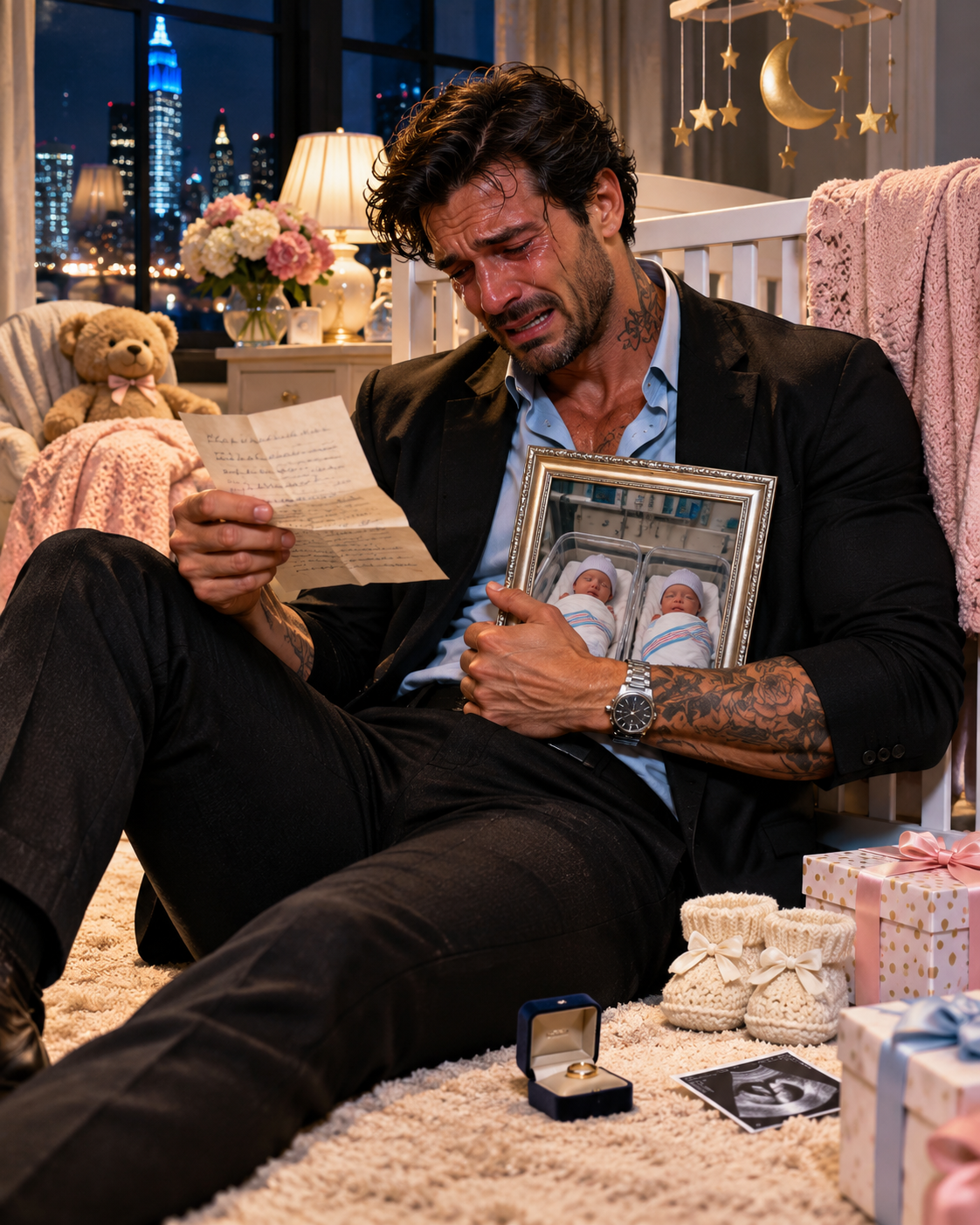
Claire went ahead with Grace, leaving us a few moments alone.
“I hate that there are still questions,” Amelia said.
“I know.”
“No, Harrison. You don’t have to live with them the way I do.”
“You’re right.”
She looked at me.
I did not try to defend myself.
“I’m scared,” she said.
“I’m scared too.”
“That doesn’t make us equal in this.”
“No.”
Her expression softened slightly.
“I’m glad you didn’t pretend it did.”
We stood together watching the rain.
After a while, Amelia spoke.
“I think we should proceed with the surgery,” she said at last. “With the team they’ve assembled.”
“I support your decision.”
“I know you do.”
The words were quiet.
But for the first time, I believed Amelia trusted me to keep a promise.
That evening, Claire sat beside Amelia while Grace slept.
I brought them tea and warm water.
Amelia looked at the cup.
“You remembered.”
“I should have remembered more.”
“That’s true.”
I sat across from them.
No one rushed to fill the silence.
Once, I would have treated quiet as an opportunity to make a speech or offer an expensive solution.
Now I understood that people sometimes needed nothing more than space to be frightened together.
The next morning began before sunrise.
The hospital corridors smelled of soap and warm air.
Amelia sat beside Grace’s bed while a nurse checked the monitors.
Claire stood close.
I remained near the doorway.
Then Amelia looked up.
“You can come sit,” she said.
I moved to the chair beside Claire.
Grace lay peacefully beneath her hospital blanket.
I wanted to touch her hand.
But I waited.
Amelia noticed.
“She likes a light touch on her palm,” she said.
I gently rested one finger against Grace’s tiny hand.
Her fingers curled around mine.
I lowered my head.
“Hi, Grace,” I whispered.
She continued sleeping.
The nurse returned and told us it was time.
Amelia kissed our daughter’s forehead.
Claire did the same.
I remained still.
Then Amelia looked at me.
“You can say goodbye.”
I leaned closer.
“I’ll be here when you wake up,” I whispered.
I could not promise that Grace would recover quickly.
I could not promise that there would be no complications.
But I could promise to remain.
The medical team wheeled her through the surgical doors.
Amelia watched until they closed.
Then we entered the waiting area.
I sat several chairs away.
Claire moved closer to Amelia, who eventually rested her head against her sister’s shoulder.
I did not intrude.
The hours passed slowly.
A nurse brought updates.
Grace was in surgery.
The team was proceeding carefully.
There were no immediate complications.
I tried to read, but the words on the page refused to settle into meaning.
At one point, Amelia stood and walked toward the end of the corridor.
Claire followed.
When she returned, she said:
“She needs a little space.”
“Of course.”
“She’s doing well.”
I nodded.
The clock continued moving.
Finally, the surgeon appeared.
I stood only after Amelia rose.
The doctor removed her cap.
“The operation went well,” she said. “Grace responded as we hoped.”
Amelia seemed to lose her balance for a moment.
Claire caught her hand.
“Is she stable?” Amelia asked.
“Yes. She’s recovering in the pediatric intensive care unit, and her heart is responding well to the repair.”
Amelia closed her eyes.
I saw the weight of weeks of fear begin to lift from her shoulders.
I asked about the unexpected imaging finding.
“What about the concern you saw in the imaging?” I asked, then stopped myself and looked toward Amelia. “I’m sorry. Go ahead.”
The surgeon explained:
“We were able to assess it during the procedure,” she said. “We did not need to perform an additional procedure. We’ll keep monitoring Grace, but we’re encouraged by what we saw.”
Amelia covered her mouth.
Claire embraced her.
Relief rose through me so strongly that I could barely stand.
Then Amelia reached toward me.
She did not embrace me.
She touched my sleeve.
“Thank you for being here,” she said.
“I’m glad she’s safe.”
It was a small moment.
But it was more meaningful than any grand declaration I could have made.
The surgeon reviewed the recovery plan.
Amelia asked questions.
I wrote down the answers when she requested it.
Later, we saw Grace through the recovery-unit glass.
She lay beneath a blanket, surrounded by monitors.
Amelia stood closest.
Claire rested a hand against her back.
I remained beside them.
For once, no one asked me to leave.
Grace spent several more days recovering.
Amelia stayed near her bed.
Claire brought meals and clean clothing.
I offered to help with shifts, but the first night Amelia asked me to remain in the family room.
I did.
The following evening, she allowed me to sit with Grace for twenty minutes while she showered.
I learned to wash my hands properly before entering.
I learned to speak softly.
I learned that a changing number on a monitor did not automatically mean disaster.
The nurses taught me how to hold Grace when she was ready.
My hands still seemed too large.
But I was learning.
When she finally settled against my chest, I felt her small breaths through my shirt.
I understood something I had missed for years.
Fatherhood was not a title secured by biology or wealth.
It was the daily practice of being present.
Caleb visited after Grace’s condition stabilized.
Claire brought him into a play area, where he began crawling determinedly across a mat.
When I spoke, he turned toward me.
He startled slightly.
But he did not cry.
I crouched and held out a soft toy.
He studied it.
Then he studied me.
Slowly, he crawled toward it.
Halfway across the mat, he stopped.
I waited.
After another moment, he reached for the toy.
It was not complete trust.
But it was a beginning.
Grace was discharged several weeks later.
The surgical team considered the procedure successful, although she would continue needing follow-up appointments and monitoring as she grew.
Amelia remained responsible for medical decisions.
I helped only in the ways she allowed.
The following months did not bring a miraculous transformation.
There was no dramatic reunion.
No instant forgiveness.
Instead, there were ordinary days.
I arrived on time.
I learned the twins’ feeding schedules.
I discovered the signs that Caleb was becoming overtired.
I memorized the rhythm that helped Grace fall asleep.
I kept a notebook of the information Amelia chose to share.
When I forgot something, I asked.
When plans changed, I adjusted.
When a visit ended, I left without demanding additional time.
Some days Amelia was warmer toward me.
Other days she remained distant.
I stopped interpreting every change in her mood as evidence that I was either winning or losing her.
I had spent too long making her emotions about my needs.
Madison did not return to my life.
I did not tell myself that ending the affair erased the betrayal.
I had chosen the relationship.
I had chosen to ignore my wife.
And I had chosen to remain in California while my children fought to survive.
Those facts remained true no matter what I did afterward.
Peter continued working for me, but I changed the instructions governing my personal calls.
No one was to decide that my family could wait without informing me.
That was a necessary correction.
It was not redemption.
The deeper work began in counseling.
Amelia and I attended separate sessions first.
Later, when she felt ready, we began meeting together.
We spoke about the early years of our marriage.
The apartment above the storefront.
The promises we had made.
The loneliness that had developed while I told myself I was building a better future.
Amelia described how often she had tried to ask for help without making her requests sound like criticism.
I admitted how frequently I had used work to avoid confronting what our marriage had become.
She did not rush to comfort me when I felt ashamed.
I learned not to ask her to.
We practiced speaking honestly without treating honesty as a demand for immediate forgiveness.
Years of neglect could not disappear because I had finally recognized them.
Trust returned slowly.
Sometimes Amelia sent photographs of the twins without waiting for me to ask.
Caleb standing for the first time, holding the couch.
Grace laughing while Claire made a silly face.
A message saying the cardiologist was pleased with Grace’s latest examination.
I thanked her for sharing those moments.
I did not treat them as permission to demand more.
As the twins grew, I began visiting their home regularly.
It was smaller than our mansion.
There were blankets on the couch, books near the kitchen table, and colorful toys beneath the window.
It was noisy and imperfect.
It was also full of life.
Amelia and Claire had built that home without me.
They had created routines, comfort, and stability.
They had not arranged their lives around the possibility that I might eventually return.
I came to respect that.
I stopped thinking of their home as a temporary place Amelia had gone until she was ready to come back to me.
It was the place where my children felt safe.
And safety mattered more than my pride.
On Caleb and Grace’s first birthday, Amelia invited me to celebrate with them.
The party was small.
Claire baked a cake.
The twins sat in their high chairs, fascinated by the candles.
Caleb pressed frosting into his hair.
Grace studied hers suspiciously before touching it with one finger.
Claire laughed.
Then Amelia laughed.
The sound brought back memories of our early marriage.
Not because I believed we could return to those years.
But because I recognized the woman who had once made our smallest apartment feel like home.
I looked at her hand.
She was not wearing her wedding ring.
I did not ask about it.
After the cake, Amelia handed me a napkin.
“Caleb has cake on his ear,” she said.
I wiped his ear while he squirmed.
Grace grabbed the napkin from my other hand.
Everyone laughed.
For years, I had dreamed about a house full of children.
Now I understood that the dream had never been about owning a larger house.
It was about being part of moments like this.
When the twins were cleaned and settled, Claire began gathering the dishes.
I stood to help.
“You can leave those,” Amelia said.
“I don’t mind.”
She considered me.
Then she handed me a stack of plates.
We washed the dishes together.
The kitchen window was open slightly, allowing cool evening air to enter.
For a while, we worked in silence.
Then Amelia spoke.
“I still don’t know what our marriage will become.”
“I know.”
“I’m not ready to wear the ring again.”
“I know.”
“And I don’t want you to hear that as a promise that I will.”
“I won’t.”
She placed another plate in the drying rack.
“I do believe you’re trying to be different.”
I let the words settle without asking for anything more.
“Thank you.”
“That doesn’t erase what happened.”
“No.”
“It doesn’t mean I’m finished being angry.”
“You don’t have to be finished.”
Amelia looked at me.
For a moment, her eyes softened.
“I’m glad you understand that now.”
“I’m learning.”
From the next room came the sleepy sounds of our children.
Claire lifted Grace while Caleb reached for her sweater.
Amelia dried her hands.
Then she turned toward me.
“You can stay for breakfast tomorrow,” she said. “If you’re free.”
My throat tightened.
“I’m free.”
A small smile appeared.
“I know. I checked.”
It was a gentle joke.
The kind of ordinary warmth I had once taken for granted.
We returned to the living room.
Claire was holding Grace.
Caleb looked up when he heard my footsteps.
This time, he did not startle.
He smiled.
Then he reached toward me with both hands.
I knelt and waited for Amelia’s permission.
She nodded.
I lifted my son.
His warm weight settled against my chest.
He rested his cheek beneath my chin as though he had always known I would be there.
Grace no longer needed the monitor she once traveled with, although her medical follow-ups would continue.
There were still uncertainties ahead.
There would be difficult conversations, appointments, and decisions I could not control.
Amelia might never wear our wedding ring again.
She might never decide to return to our marriage.
I understood that now.
For the first time, I did not confuse hope with entitlement.
Amelia sat beside me.
Her shoulder nearly touched mine.
She was not returning to me as my wife.
Not yet.
She was the mother of our children, a woman who had survived something terrifying and built a safe life when I failed her.
And she was deciding, one ordinary day at a time, whether there might still be a future we could choose together.
Caleb’s eyes began to close.
Amelia leaned forward and adjusted his blanket.
Her hand brushed mine.
Neither of us moved away.
In the kitchen, breakfast preparations waited for tomorrow.
For years, I had believed that love meant promising someone an extraordinary future.
Now I understood that love was often far simpler.
It was answering the phone.
It was arriving when you said you would.
It was sitting through uncertainty without demanding control.
It was learning how to hold a frightened child.
It was staying when staying was inconvenient.
And it was accepting that forgiveness could never be purchased, demanded, or rushed.
Fourteen days with Madison had cost me the family I once believed would always be waiting.
Months of effort had not erased that loss.
But I was no longer asking Amelia to forget what happened.
I was learning to become someone who would never repeat it.
As Caleb slept against my chest, I looked toward the kitchen where Amelia had begun setting things out for the morning.
She had invited me to stay.
Not forever.
Not as a guarantee.
Just for breakfast.
And for the first time, I understood that being invited to stay was not the end of the story.
It was a beginning I had to keep earning.
