

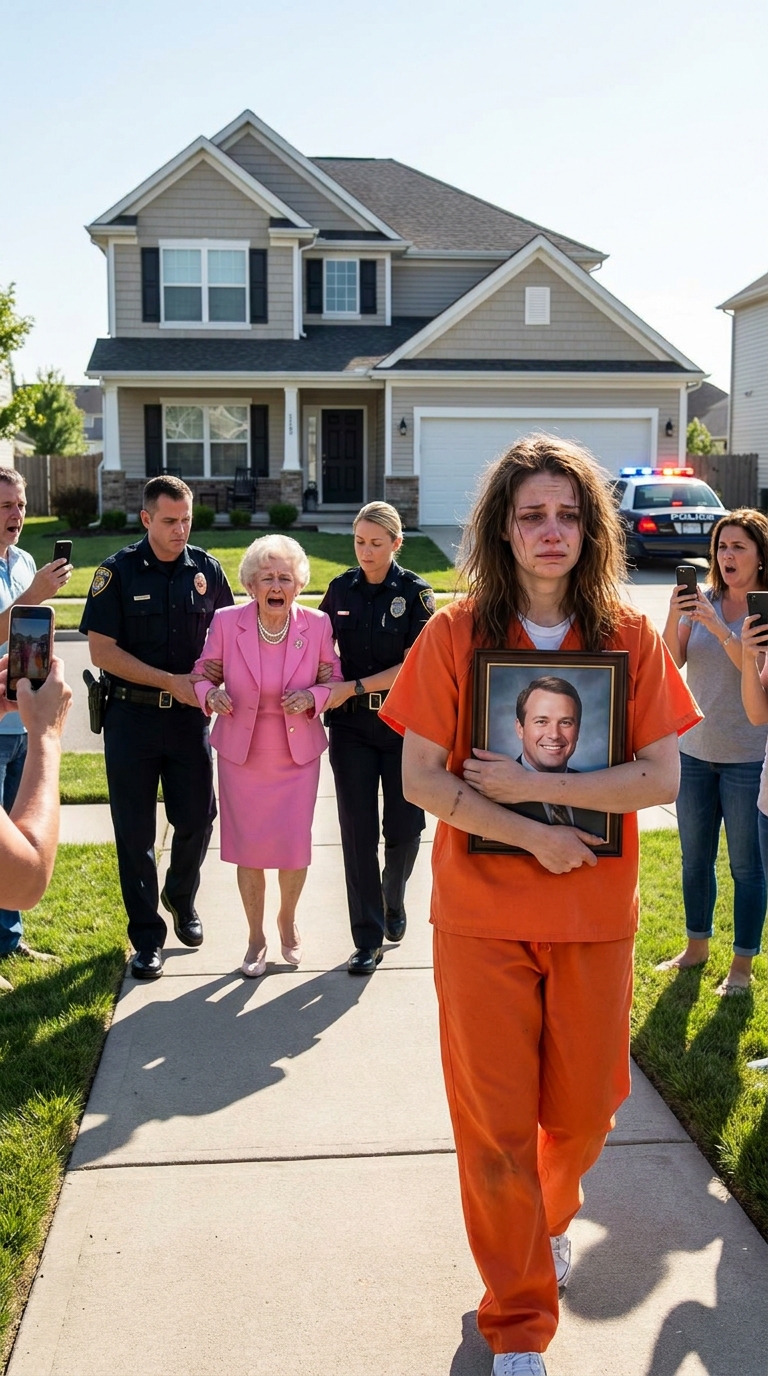
Chapter 1: Bitter Freedom
The first breath of freedom tasted of diesel fumes, stale coffee, and the damp chill of a bus station at dawn. Eli Vance stepped off the Greyhound with nothing but a clear plastic bag containing his few possessions: a worn wallet, a few letters from his father that had kept him sane, and the clothes on his back. Three years in prison had hardened him, etching lines around his eyes and a quiet wariness into his posture. But as the bus pulled away, his thoughts weren’t on the clang of cell doors or the endless nights of regret. They were fixed on home—and on his father, Thomas.
Eli had spent countless hours picturing his return: Thomas waiting in the old armchair by the living room window, a cup of strong black coffee in hand, his weathered face breaking into that familiar, crooked smile. “Welcome back, son,” he would say, pulling Eli into one of those bone-crushing hugs that somehow made everything right again. The house on Maple Street had been Eli’s anchor through every visitation denial and every hopeless appeal.
But when the taxi finally rolled up to the address, everything felt wrong. The once-faded blue siding gleamed with fresh paint. New gravel lined the driveway, and two unfamiliar vehicles—a sleek SUV and a sports car—sat parked where Thomas’s old pickup used to rust. Eli’s stomach twisted as he approached the door.
Linda answered on the third knock. His stepmother looked much the same—sharp features, perfectly styled blonde hair, and eyes as cold as the steel bars he had left behind. She didn’t invite him in.
“Where’s Dad?” Eli asked, his voice rough from disuse.
Linda stared at him for a long moment, her expression unreadable. “Your father was buried a year ago,” she said flatly. “Heart attack, they said. Or whatever the doctors called it.”
The words hit like a physical blow. Eli staggered back a step. No one had told him. No letter, no phone call, nothing. Three years of silence from the outside world, and this was his welcome home. He demanded to see the house, to go through his father’s things, but Linda’s lips pressed into a thin line. “This isn’t your home anymore, Eli. You need to leave.” The door clicked shut with finality, leaving him standing alone on the porch he had helped build as a teenager.
Numb and reeling, Eli made his way to Oak Hill Cemetery on the edge of town. The grounds were quiet under a gray sky, the grass damp from recent rain. He wandered the rows of headstones, searching desperately for his father’s name. But there was nothing. No Thomas Vance. No plot reserved for the family.
A middle-aged groundskeeper named Harold approached, his weathered hands gripping a rake. “Can I help you, son?”
When Eli explained, Harold’s face softened with recognition. “Thomas Vance… yeah, I remember the name. But he ain’t here. Never was.” He reached into his jacket and pulled out a plain envelope. “He left this with me before the end. Said if you ever came looking, I’d know what to do.”
Inside the envelope were three items: a handwritten letter from Thomas, a brass key worn smooth with age, and a small card for Westridge Storage Unit 108.
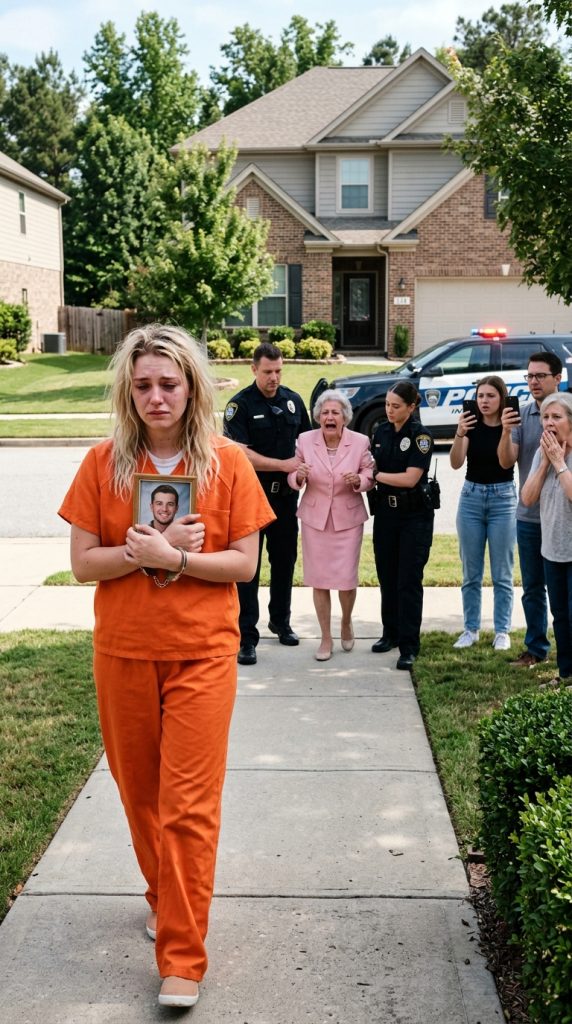
Chapter 2: The Truth in Storage
Eli sat on a bench beneath an old oak tree and unfolded the letter with trembling hands. His father’s familiar scrawl filled the page, shaky in places but clear in its urgency.
Eli, my boy,
If you’re reading this, I didn’t make it long enough to tell you myself. The cancer—pancreatic—has been eating me alive for months. The doctors gave me six, but I stretched it to eight. I’m sorry I couldn’t fight harder. But more than that, I’m sorry for what happened to you. Linda lied. She and that son of hers, Trevor, set you up. You never stole from the company. The proof is in Storage Unit 108. The key will open it. Watch the video first. Then read the rest. Trust no one until you’ve seen it all. I love you, son. Make this right.
Tears blurred Eli’s vision as he clutched the paper. Thomas had always been his rock—raising him alone after Eli’s mother died young, building a modest accounting firm from nothing, teaching him the value of integrity. The betrayal cut deeper than any prison sentence.
He took a cab to Westridge Storage on the outskirts of town, a sprawling lot of corrugated metal units baking under the midday sun. Unit 108 was at the far end. The brass key turned smoothly in the lock, and the door rolled up with a metallic groan.
Inside, the space was meticulously organized. Cardboard boxes lined the walls, labeled in Thomas’s hand: Financial Records, Medical Files, Correspondence, Evidence. In the center sat a small table with a laptop and a flash drive marked in bold letters: Watch before you read anything else.
Eli plugged it in, his heart pounding. The video began, showing Thomas in what looked like a hospital bed, gaunt and pale but with the same determined fire in his eyes.
“Eli,” Thomas began, his voice weak but steady. “I learned the truth too late. Three years ago, when you were arrested for embezzlement, I believed it at first. The numbers didn’t lie—or so I thought. But after you went away, things didn’t add up. Linda pushed me to sell the business. Trevor started throwing money around. I started digging.”
Thomas explained how Trevor, Linda’s son from a previous marriage, had siphoned funds from the company through a web of fake accounts and shell companies. When the audit loomed, they panicked. Linda had accessed Eli’s passwords—ones she had quietly noted over the years—and planted false trails pointing directly to him. Fake emails, altered ledgers, even a burner phone with incriminating messages.
“I confronted them,” Thomas said on the video, coughing painfully. “Linda denied everything. But I gathered proof. It’s all here. Trevor even signed a confession under pressure from a private investigator I hired. Use it, son. Clear your name.”
Eli spent hours in the unit, poring over documents. Bank statements showing transfers to offshore accounts in Trevor’s name. Medical files confirming his father’s terminal diagnosis and Linda’s attempts to isolate him. Photos of forged signatures. By the time he locked the unit again, the sun was setting, but for the first time in three years, Eli felt the weight of injustice begin to lift.
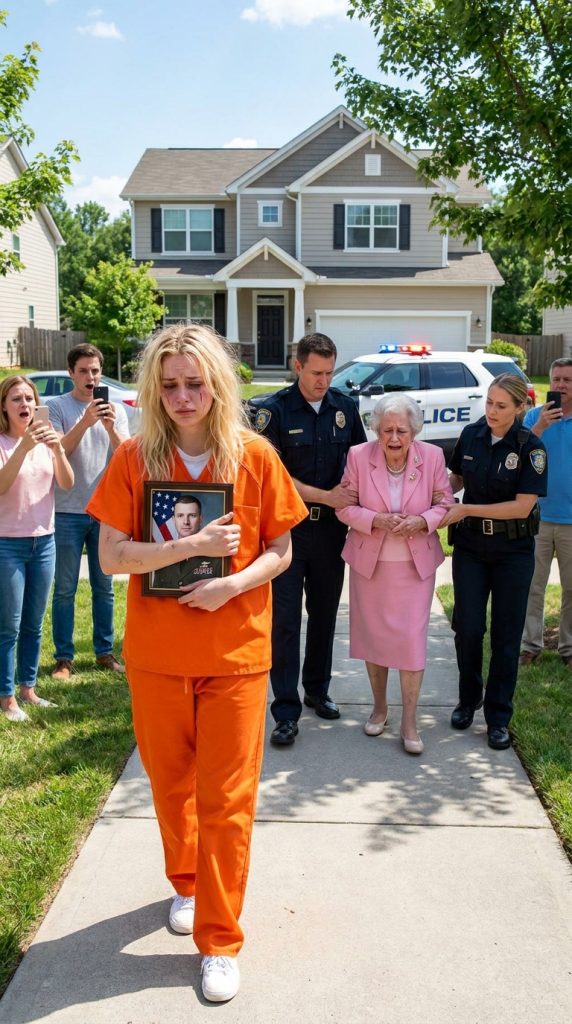
Chapter 3: Justice and Farewell
The next morning, Eli contacted Marisol Grant, a sharp, no-nonsense attorney recommended by an old friend from the firm. She met him in her downtown office, surrounded by towering stacks of case files. As Eli laid out the evidence, Marisol’s eyes widened.
“This is a major criminal conspiracy,” she said, flipping through pages. “Embezzlement, fraud, wrongful conviction. We’ve got enough here to blow it wide open.”
The court proceedings dragged on for months. Trevor, cornered by irrefutable proof and facing his own lengthy sentence, eventually broke down and confessed in open court. Linda was charged with accessory to fraud and obstruction of justice. The judge overturned Eli’s conviction, expunging his record and issuing a formal apology from the state.
But one shadow remained. Linda had lied about the burial. Thomas had not rested in Oak Hill Cemetery. Instead, in her final act of control and spite, she had arranged for him to be placed in an unmarked grave on a distant piece of private property owned by a distant relative—hoping the man who had uncovered her secrets would simply fade from memory.
With Harold’s help, Eli located the site: a quiet hillside under an ancient oak tree, its branches spreading like protective arms. No headstone, just a simple mound of earth now overgrown with wildflowers. Eli knelt there for hours, the brass key still in his pocket, and spoke to his father as if he were sitting in that old armchair once more.
“I found the truth, Dad,” he whispered, voice thick with emotion. “I’m free. And I’m going to make sure this never happens to anyone else.”
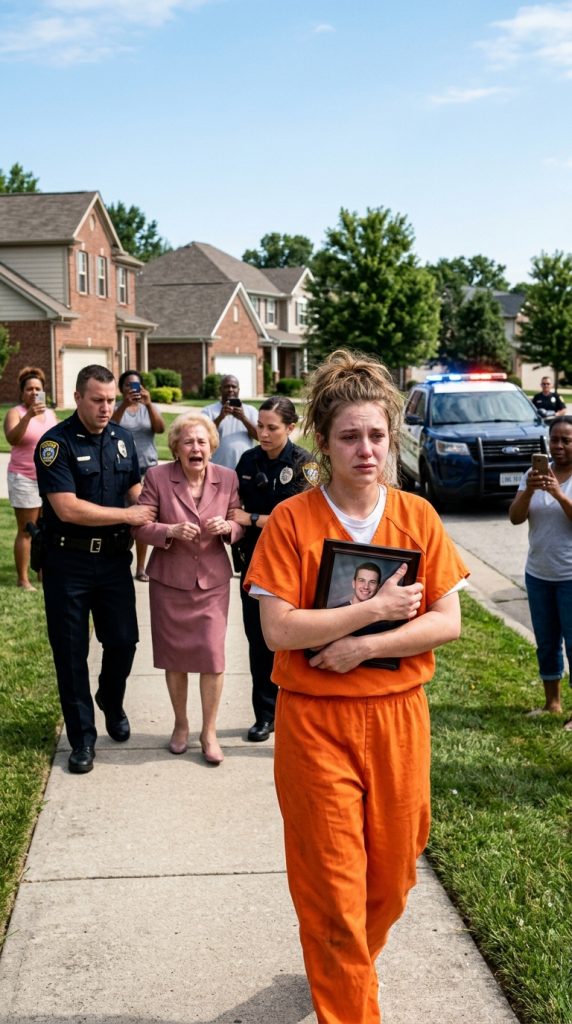
Chapter 4: Rebuilding
In the year that followed, Eli sold the house on Maple Street, using the proceeds to honor his father’s wishes. He restarted Thomas’s accounting firm under a new name—Vance Legacy Financial—focusing on small businesses and transparency. The work was healing, a way to reclaim the integrity his father had instilled in him.
More importantly, Eli established the Thomas Vance Legal Defense Fund, a nonprofit offering support and resources to the wrongfully convicted. He poured his energy into it, speaking at events, mentoring others, and ensuring the evidence that had saved him could help lift others from the darkness.
Revenge had tempted him—thoughts of confronting Linda and Trevor more harshly—but Eli chose a different path. True victory wasn’t in becoming like those who had destroyed his life. It was in rising above, in rebuilding without bitterness, and in honoring the man who had fought for him until the very end.
On quiet evenings, Eli would visit the oak tree, sometimes with flowers, sometimes just to sit in silence. The wind through the leaves felt like his father’s quiet approval. Freedom, he had learned, wasn’t just stepping out of prison. It was choosing light after years in shadow.
