

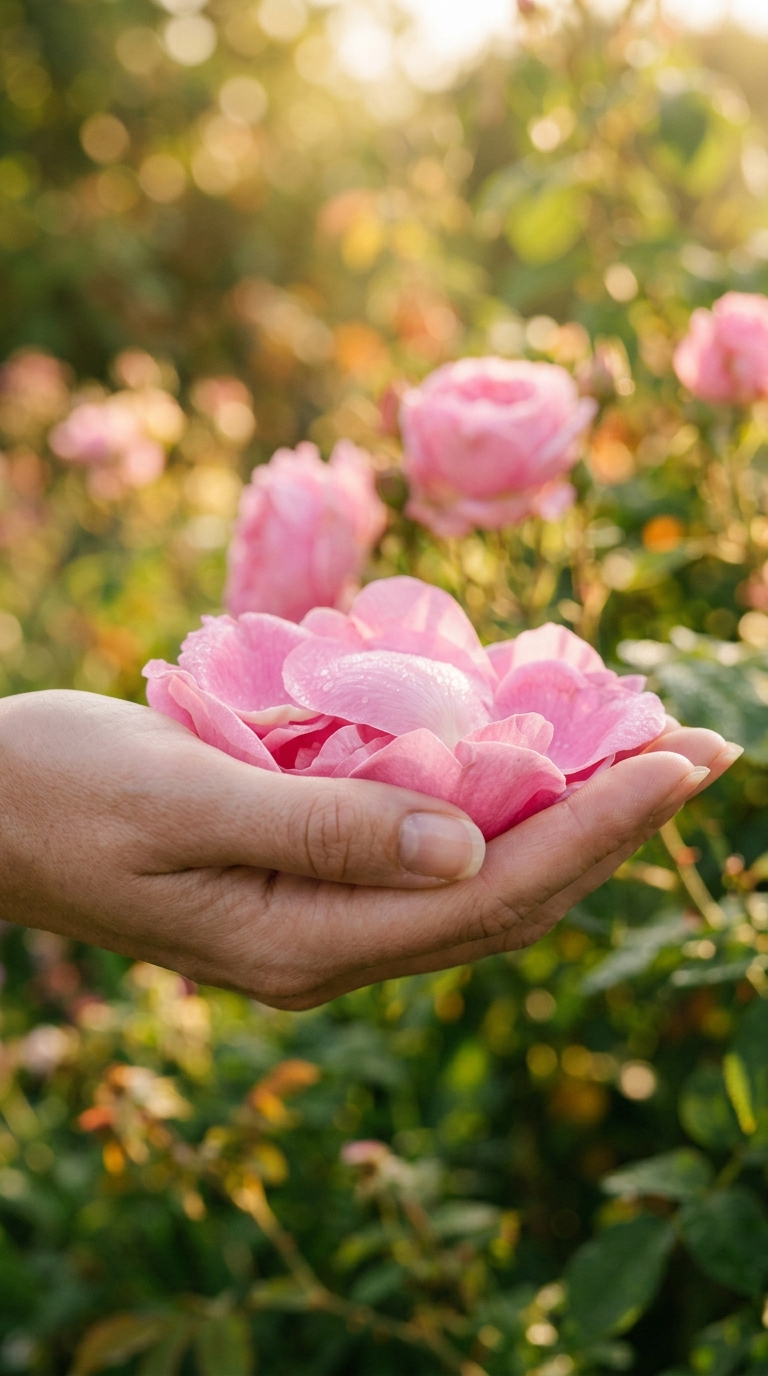
Rose tea, made from the petals of edible rose varieties such as Rosa damascena, has been used in traditional medicine systems for centuries. In recent years, it has attracted increasing attention in nutritional and scientific communities due to its composition of bioactive plant compounds and its potential role in supporting overall health.
Unlike many modern beverages that rely on caffeine or added sugars for stimulation, rose tea offers a mild, non-stimulant profile, making it suitable for daily consumption. Its value lies not in immediate, dramatic effects, but in gradual physiological support, particularly when incorporated consistently into a balanced lifestyle.
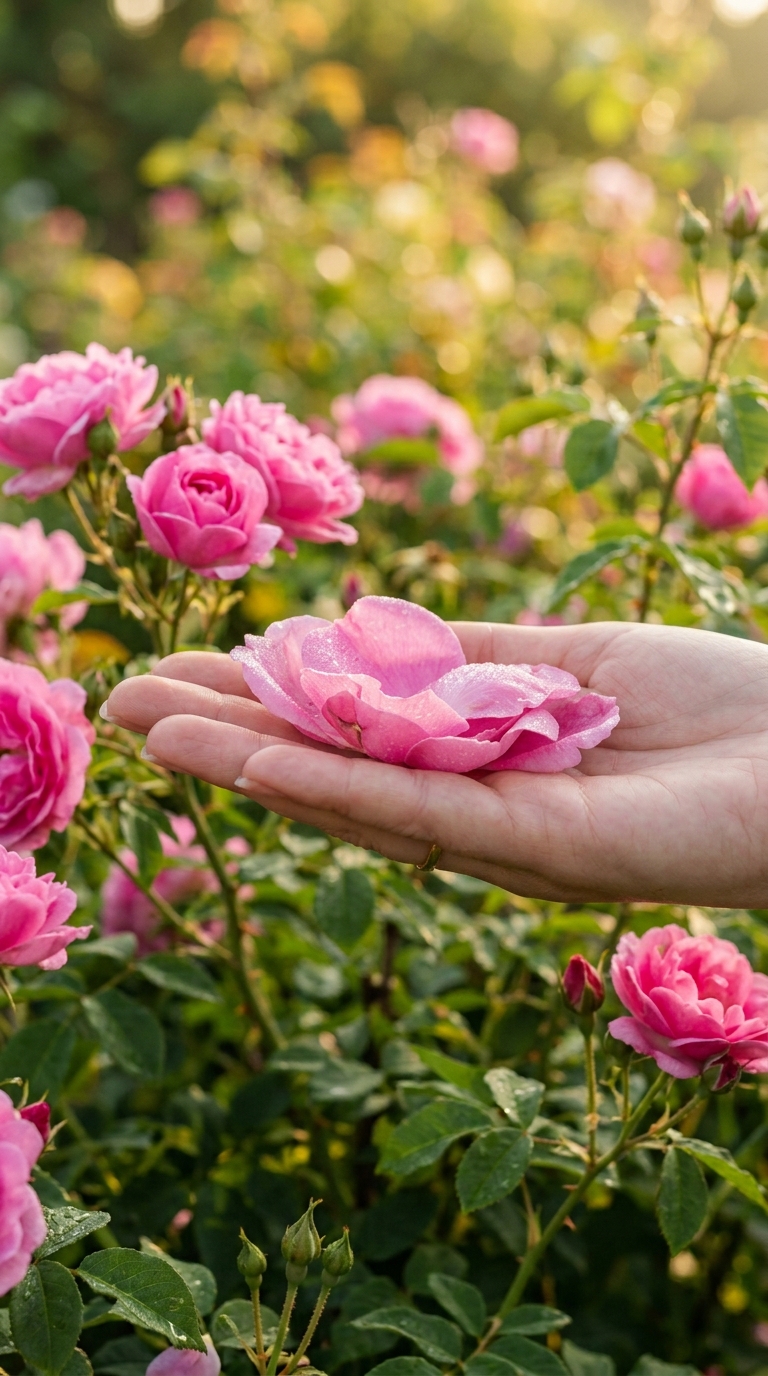
The Scientific Basis Behind Rose Tea’s Potential Benefits
Rose petals contain a range of compounds that have been studied for their biological activity:
- Polyphenols and flavonoids: These are powerful antioxidants that help neutralize free radicals. Oxidative stress is known to contribute to cellular aging and various chronic conditions, and antioxidant intake plays a role in mitigating this process.
- Natural anti-inflammatory compounds: Some studies on rose extracts indicate mild anti-inflammatory properties, which may support the body’s response to low-grade inflammation.
- Vitamin C (present in small amounts): Contributes to immune function and collagen production, both of which are essential for maintaining healthy skin and tissues.
- Volatile aromatic compounds: These contribute to the characteristic fragrance of rose tea and have been associated with calming effects on the nervous system in aromatherapy and preliminary research.
While more large-scale clinical studies are still needed, existing evidence supports the idea that rose tea can function as a supportive, complementary addition to a healthy routine rather than a standalone treatment.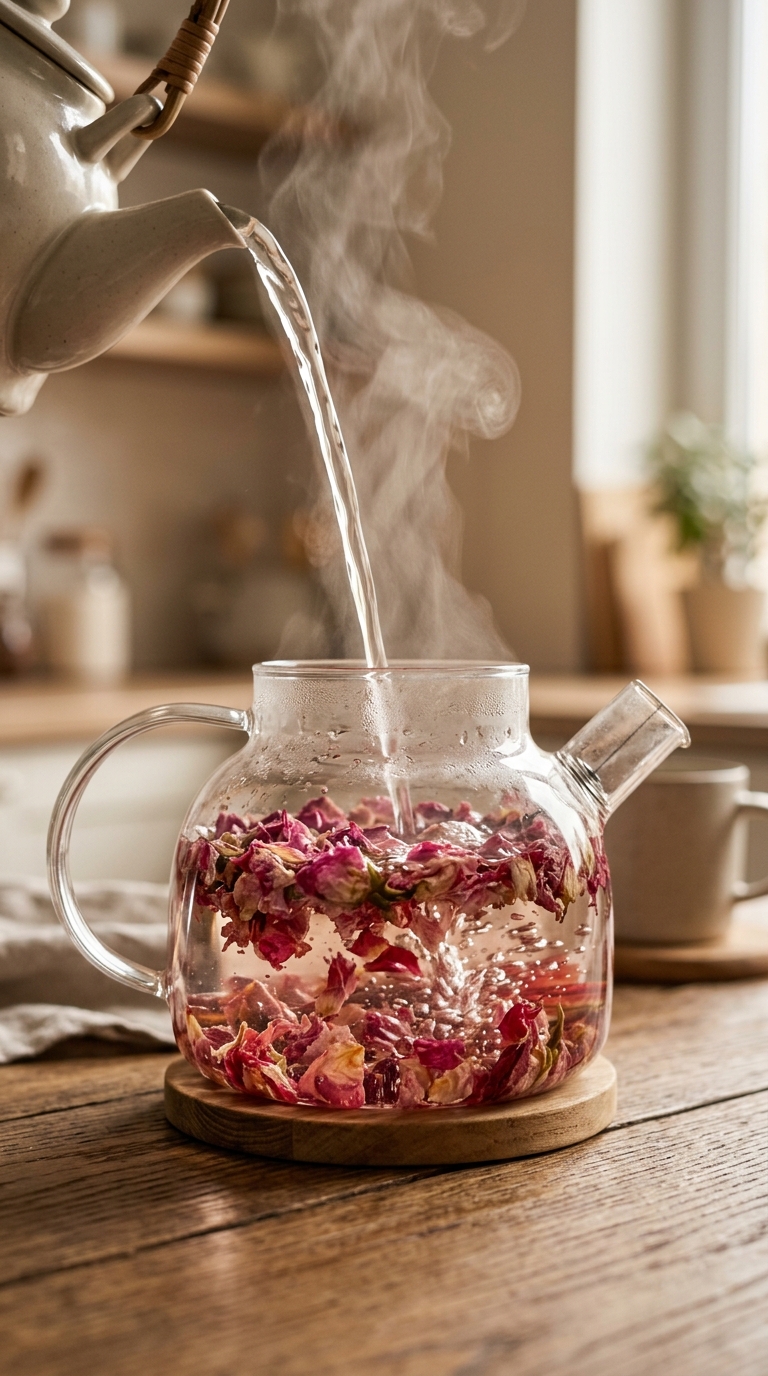
How to Prepare Rose Tea Correctly to Preserve Its Compounds
The preparation method directly affects both the flavor and the concentration of beneficial compounds. A careful approach ensures that delicate plant molecules are preserved rather than degraded.
Step 1: Select appropriate rose petals
Use only edible, organic rose petals. Ideal sources include home-grown roses or certified dried petals intended for consumption. Roses sold in florists are often treated with pesticides and should not be used.
Fresh petals should be rinsed gently under cool running water to remove dust or impurities.
Step 2: Heat water to the correct temperature
Bring approximately 500 ml of water to a near-boil (around 90–95°C). Avoid prolonged, aggressive boiling, as excessive heat can damage sensitive compounds such as vitamin C and certain polyphenols.
Step 3: Add the petals
Place:
- 8–10 fresh petals
- or 1–2 teaspoons of dried rose petals
into the hot water.
Step 4: Controlled steeping
Cover the container and allow the petals to steep for 5 to 10 minutes. Covering is important, as it helps retain volatile aromatic compounds that may otherwise dissipate into the air.
Step 5: Strain and evaluate
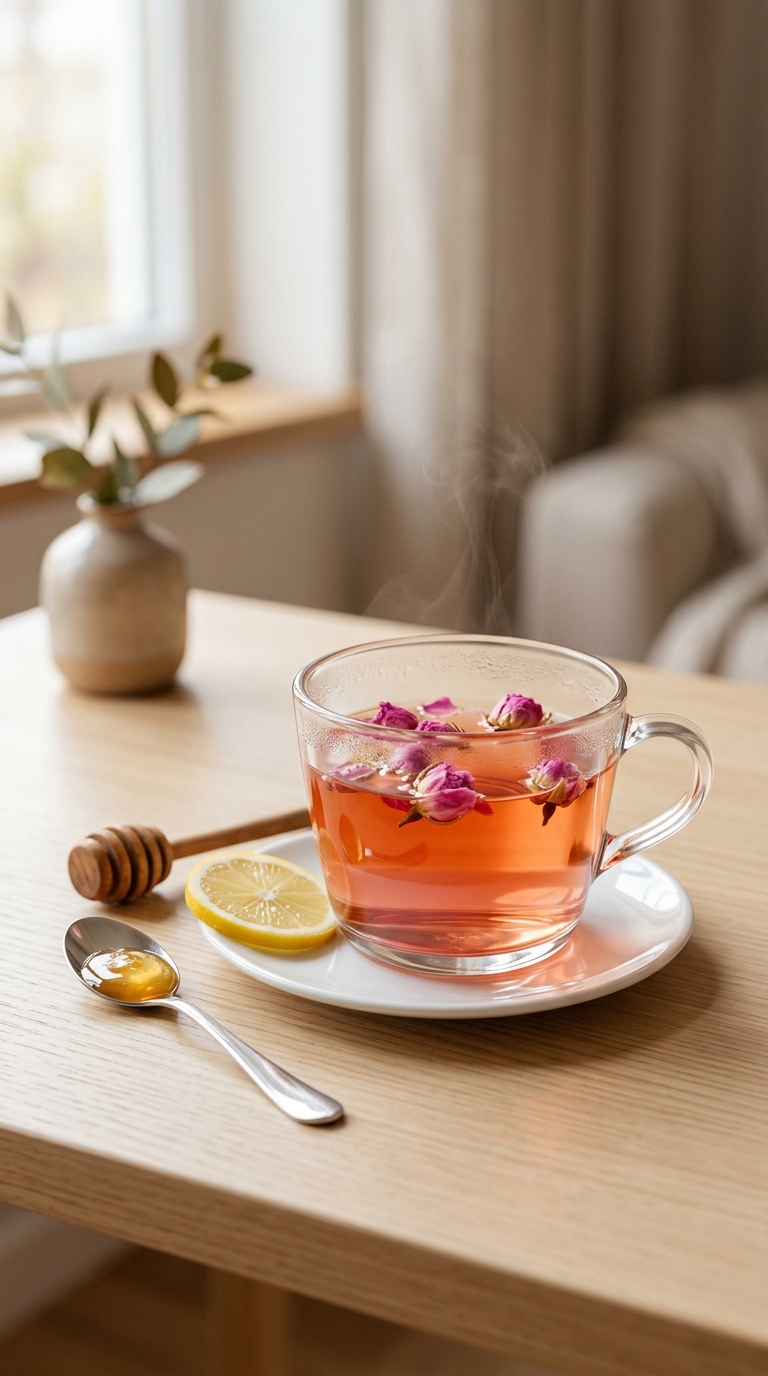
Strain the liquid into a cup. Properly prepared rose tea typically has a light golden to pale pink hue, with a clean, soft floral aroma. Over-steeping may result in a slightly bitter taste due to tannin release.
Step 6: Optional additions for enhanced profile
While rose tea can be consumed on its own, certain additions may complement both flavor and function:
- Honey may provide a soothing effect and mild antimicrobial properties
- Lemon juice can enhance flavor and contribute additional antioxidants
- Ginger may support digestive comfort and add thermal balance
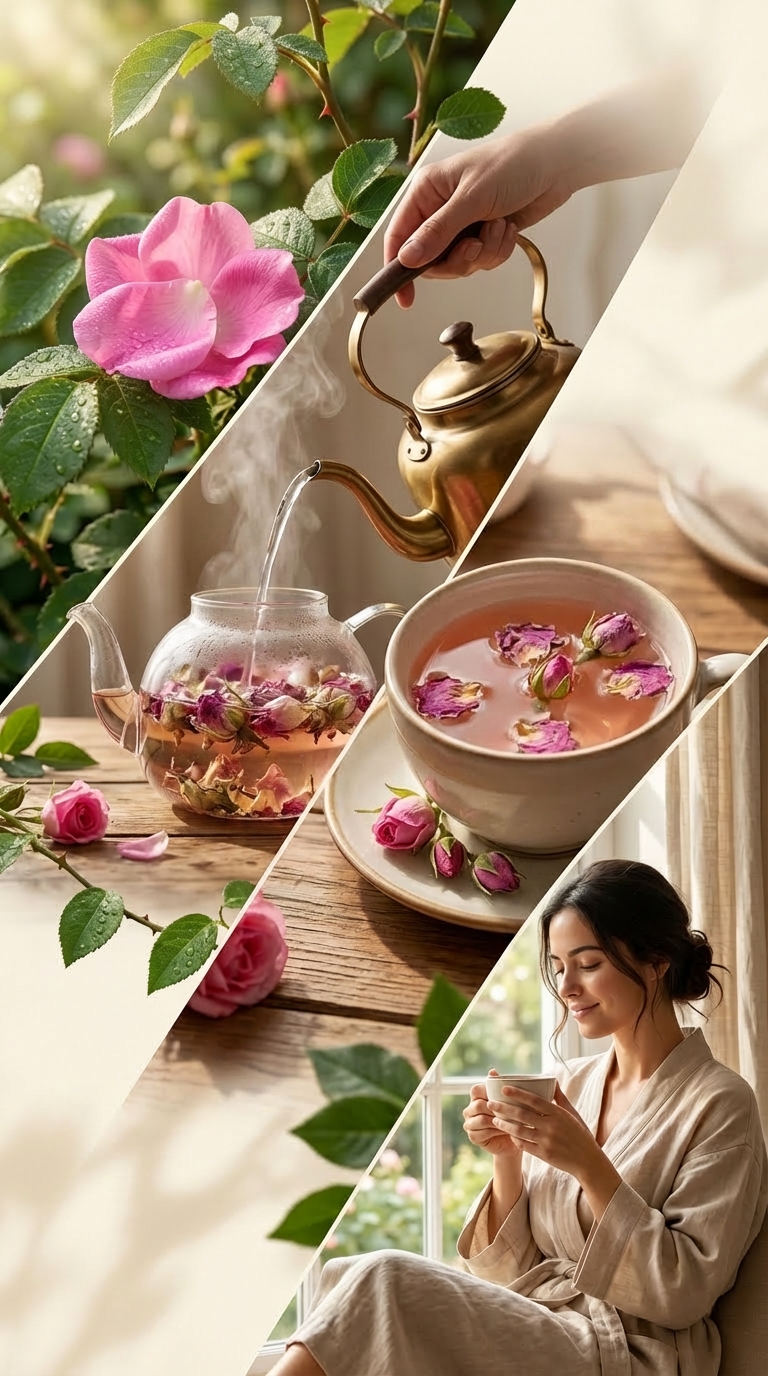
For illustration purposes only
Incorporating Rose Tea Into a Daily Routine
For optimal effect, rose tea should be consumed consistently rather than occasionally.
- In the morning, it can support hydration after waking
- After meals, it may contribute to digestive comfort
- In the evening, it can serve as a non-caffeinated alternative that supports relaxation
A typical intake of one to two cups per day is considered reasonable for most individuals.
Observable Effects With Continued Use
Although individual responses vary, regular consumption of rose tea has been associated with:
- A reduction in mild digestive discomfort such as bloating
- A general sense of relaxation, particularly when consumed in the evening
- Improved hydration without reliance on caffeinated beverages
- Gradual improvements in skin appearance, potentially linked to antioxidant intake
These outcomes align with the known physiological roles of antioxidants and mild herbal infusions, though they should be interpreted as supportive effects rather than guaranteed results.
Safety and Considerations
Rose tea is generally regarded as safe when prepared from appropriate sources. However:
- Only use petals that are confirmed to be food-safe and free from chemical treatment
- Avoid excessive consumption
- Individuals who are pregnant, have known plant allergies, or are taking medication should consult a healthcare professional before regular use
A Practical and Sustainable Wellness Habit
In the context of modern health practices, rose tea represents a simple yet meaningful approach to daily care. It does not rely on complexity or intensity, but rather on consistency, quality, and balance.
Prepared correctly and consumed regularly, it can serve as a small but steady contribution to overall well-being—supporting the body in a way that is both natural and sustainable over time.
