

My name is Richard Hayes. At forty-six I was worth more than three billion dollars. Hotels, skyscrapers, private jets, and companies across the country sat under my name, yet I had still managed to lose the woman who helped me build every piece of it.
Grace had loved me when I couldn’t even cover payroll. She sold the apartment her parents left her so my first company wouldn’t collapse, looking me in the eye and saying, “We can buy another home. Just don’t give up.”
For sixteen years she never asked for equity, never asked to be photographed beside me, never asked for expensive gifts. All she ever wanted was a simple answer: would I be home for dinner.
Then Vanessa entered the picture—my thirty-two-year-old communications director, sharp, composed, ambitious. One business trip became a hotel room. That became a second apartment, a second phone, and eleven months of calculated betrayal.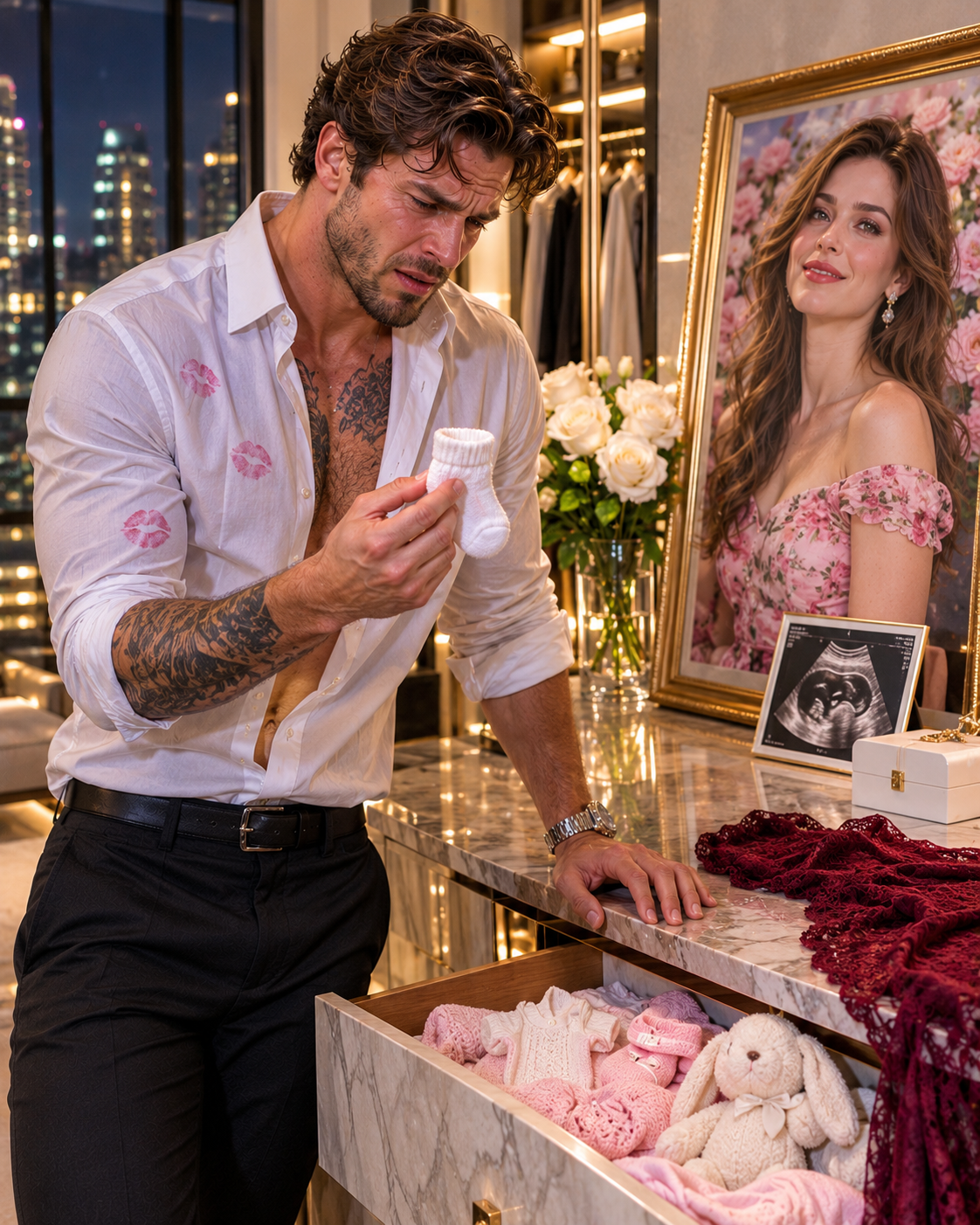
Four months before Grace vanished she asked me, quietly, “Do you love Vanessa?”
I gave her no answer.
“If I asked you to end it, would you?”
My silence answered for me.
She looked down at her untouched wine. “Remember when you promised that no matter how rich we became, I’d never eat dinner alone?”
I walked away without saying a word.
On our sixteenth anniversary Grace left a present on my desk.
“Open it tonight,” she said softly. “It’s the last one.”
At 8:11 p.m. she sent a photograph of a candlelit dinner set for two.
“I’ll wait until ten.”
I texted back, “Don’t wait. I’m busy.”
Instead I spent the evening with Vanessa.
When I finally came home the candles had burned out, Grace’s plate sat untouched, and every gift I had ever bought her was still exactly where she had left it. Her clothes and passport were gone.
Inside the envelope she left were eleven handwritten pages that recorded the affair in careful detail.
Day 19: “You told me not to wait for dinner. I waited anyway.”
Day 201: “Today, I stopped crying.”
Day 248: “I started packing.”
The page for our anniversary read, “Tonight, I gave you one final choice—not between two women, but between the man you were and the man you’ve become. You chose.”
Then I unwrapped her anniversary gift.
Inside were two tiny white baby socks.
Beneath them was an ultrasound picture.
Nine weeks and four days pregnant.
My hands started trembling as I called our family doctor.
“Grace was pregnant?”
“Yes, Mr. Hayes.”
“Where’s our baby?”
A dreadful silence followed.
“She miscarried two months ago.”
He explained that she had been hospitalized after severe bleeding. She had asked them to contact me, but my assistant couldn’t reach me because I was on vacation in Dubai with Vanessa.
I remembered brushing off the message: “If it’s not urgent, handle it later.”
Inside the gift box Grace had placed another letter.
“When they told me our baby was gone, I wanted my husband. I called four times. You never answered.”
I collapsed onto the floor.
Three days later, after eighty-three unanswered calls, a recording arrived.
“Ethan—”
No. My name was Richard, and hearing Grace whisper it nearly shattered me.
“Richard, you gave me everything except the one thing I needed. You.”
Then her voice began to tremble.
“There’s something about our baby I’ve never told anyone.”
My heart stopped.
“And if you ever discover it, you’ll understand why I can never come home.”
The recording ended.
I sat on the floor of the penthouse until the sky over Manhattan turned pale. The recording looped in my head. Ethan. She had started to say Ethan. Not Richard. Not husband. Ethan.
I called the doctor again at 6:40 a.m. He answered on the second ring, voice thick with sleep.
“Mr. Hayes—”
“The miscarriage. I need every detail. Every scan. Every note. Who else knew?”
“Only the attending physician at Mount Sinai and the nursing staff that night. Grace specifically requested no one else be informed until she spoke to you.”
“Was there a name? Ethan. Did she mention anyone named Ethan?”
A pause. “Not to me. The records list the pregnancy as yours. Blood type, estimated conception window—all consistent with the dates she provided.”
Consistent. Not proven. I thanked him and hung up.
By noon I had a private investigator in my office. Marcus Hale had worked for me for nine years; he knew better than to ask unnecessary questions.
“Find her,” I said. “And find anyone named Ethan connected to her in the last two years. Friends, colleagues, doctors, anyone.”
Marcus studied the ultrasound printout I had given him. “You want the full background on the pregnancy too?”
“Everything.”
He left with the recording, the handwritten pages, and a photograph of Grace from last Christmas. I stayed at the desk and opened the company directory. Vanessa’s name sat three lines below mine on the executive page. I deleted her access before the hour was out and had security escort her from the building. She called six times. I didn’t answer.
The first report arrived forty-eight hours later. Grace’s passport had been used at JFK the morning after she left the penthouse. Destination: Geneva. She had withdrawn the maximum cash allowed from three separate accounts the day before, then closed the cards. No hotel bookings under her name. No flights out of Switzerland in the following week.
Marcus’s second report was shorter. “No Ethan in her recent contacts, emails, or known circle. One hit from twelve years ago—an Ethan Moreau who worked at the architecture firm she freelanced for before you two married. French national. Returned to Lyon in 2015. No current overlap.”
I stared at the name. Ethan Moreau. I had never heard it.
On the fourth day Marcus called from the car. “I have something. The ultrasound tech who performed the scan at nine weeks kept private notes. Grace asked her, off the record, whether it was possible to determine paternity from the images alone. The tech said no. Grace thanked her and left.”
My throat closed. “She thought it might not be mine.”
“Or she already knew it wasn’t.”
I drove to the hospital myself that afternoon. The tech, a woman named Priya, met me in an empty conference room after her shift. She looked uncomfortable but answered.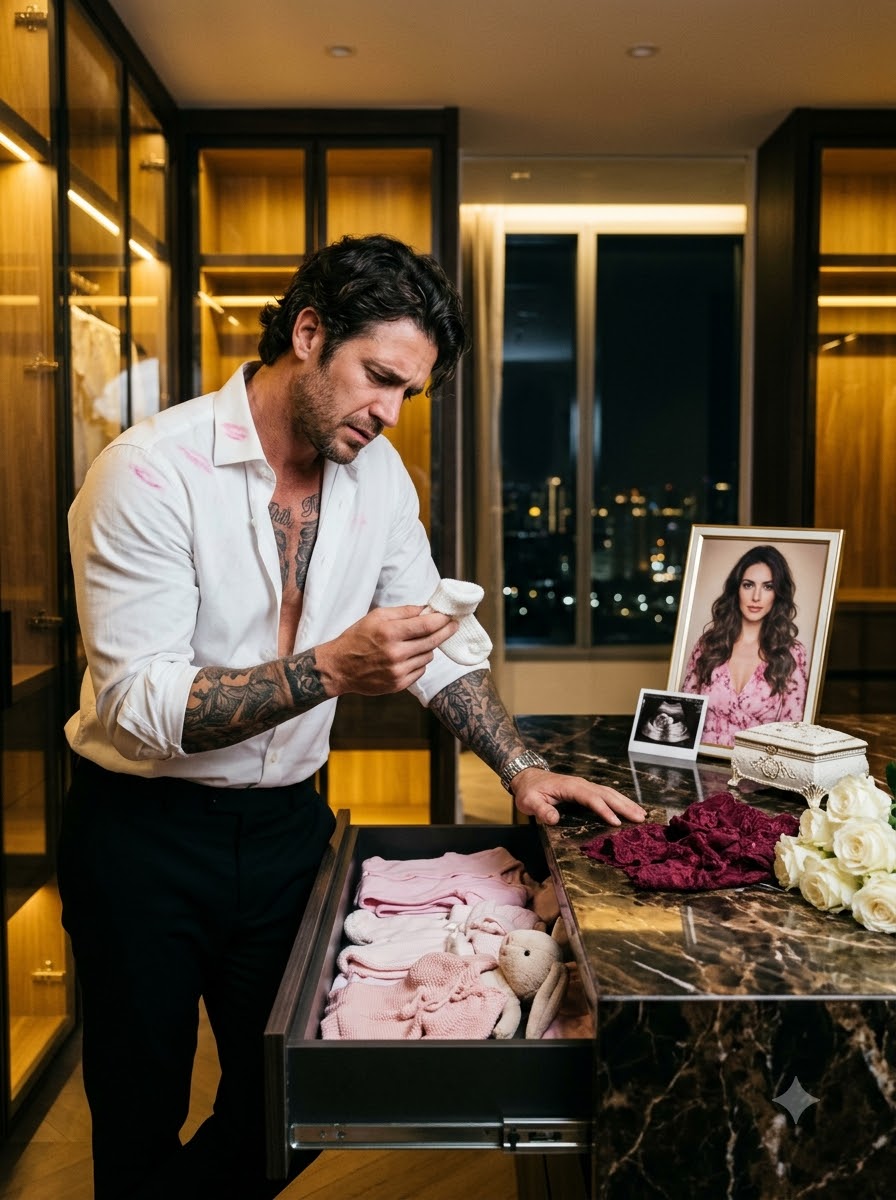
“She was calm,” Priya said. “Too calm. Most women in that situation are either excited or terrified. She just asked the question, listened, and said thank you. When I asked if everything was all right at home she smiled and said, ‘I’m deciding whether I still have one.’”
I left the hospital and walked until my feet hurt. The city moved around me. None of it felt real.
That night I played the recording again, this time with the volume low and a notepad in front of me. I wrote down every inflection.
“Ethan—”
She had caught herself. Corrected. Then continued as if the name had never left her mouth.
I called Marcus at 1:17 a.m.
“The architect. Ethan Moreau. Get me everything. Where he is now. Whether he’s been in New York in the last year. Phone records if you can.”
“Already started,” Marcus said. “He flew into JFK six weeks before the conception window. Stayed nine days. Hotel in Tribeca. Left the day after Grace’s last known appointment with her OB.”
The air left my lungs.
“Did they meet?”
“I’m working on it.”
Three days later Marcus placed a single photograph on my desk. Grainy security footage from a café on West Broadway. Grace sat across from a man with dark hair and a familiar jawline. The timestamp matched the week Ethan Moreau had been in the city. They were not touching. They were talking. Grace’s hands were wrapped around a coffee cup she never lifted.
“That’s the only image,” Marcus said. “No calls between their numbers. No emails. If they communicated, it was in person or through something we haven’t found.”
I studied the photograph until the edges blurred. Grace’s face was the one I had known for sixteen years—quiet, attentive, already halfway somewhere else.
The next morning I flew to Lyon.
Ethan Moreau’s office occupied the top floor of a converted warehouse near the Saône. He met me without surprise. Tall, early forties, the same steady eyes I had seen in the café footage.
“She said you might come,” he said in lightly accented English. “Eventually.”
“Was the baby yours?”
He didn’t flinch. “No.”
“Then why did she meet you?”
“Because I was the only person who still remembered the version of her that existed before she spent a decade waiting for you to come home.” He gestured to a chair. I didn’t sit. “She called me after the second month of your affair. Not for comfort. She wanted to know whether it was possible to start over at thirty-nine with nothing but the clothes she could carry. I told her yes. She said she wasn’t ready to believe it yet.”
“And the pregnancy?”
“She found out two weeks after we had coffee. She never told me whose it was. She only said she had given you one last chance to choose her and you hadn’t. When she lost the baby she called me from the hospital. She said she had dialed your number four times and each time it went to voicemail. Then she said, ‘I think I just became someone who can leave.’”
I stood very still. “She said Ethan on the recording.”
“She used to call me that when we worked together. Old habit. She told me she slipped once, on a message she never meant to send. She was terrified you would hear it and understand the rest.”
“What rest?”
Ethan looked at me for a long moment. “That the baby was yours. That she still wanted you to be the one who came. And that when you didn’t, she finally stopped waiting for a man who had already left.”
The room was quiet. Outside, traffic moved along the river.
“Where is she?” I asked.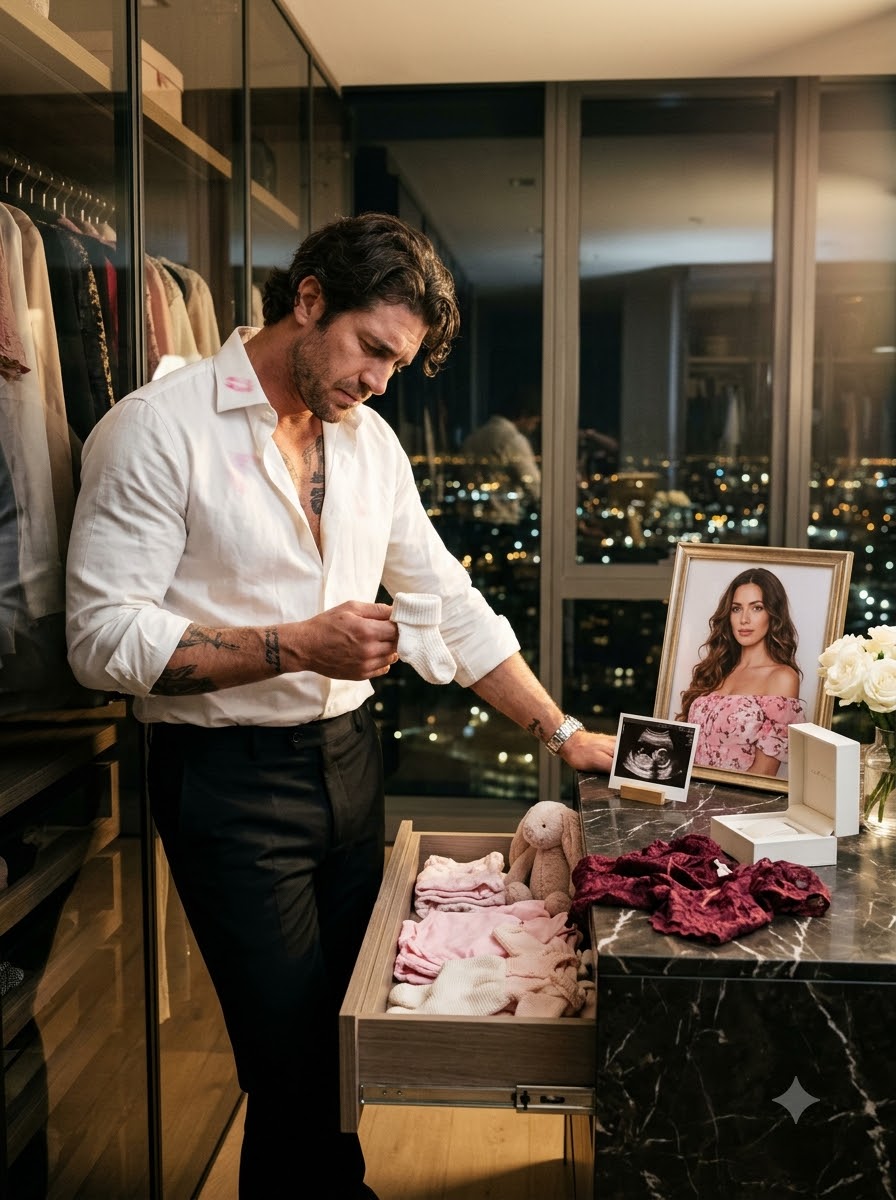
“I don’t know. She asked me not to tell you even if I did. She said if you ever learned the truth—that she had been ready to stay, that the child was yours, that she had still hoped until the night you told her not to wait—you would spend the rest of your life trying to undo something that can’t be undone. She didn’t want that for either of you.”
I flew back to New York that evening. The penthouse was exactly as I had left it. The baby socks still sat on the desk beside the ultrasound. I picked them up. They were impossibly small.
I did not call Vanessa. I did not call Marcus again. I opened a new document on my laptop and began writing the only thing I still knew how to give her: the truth, sent to an email address she might never open.
Grace,
The baby was mine. I know that now. You gave me one last evening to choose the man I used to be. I chose wrong. You asked them to call me from the hospital. I told my assistant it wasn’t urgent. I will spend whatever time I have left understanding exactly what that cost. I will not look for you. You asked me not to. For once I am going to listen.
If you ever want to know that someone finally came home, even too late, the door will be open.
Richard
I sent it. Then I turned off the lights, sat in the chair where she used to wait, and stayed there until morning. The city kept moving. Somewhere in it, or far beyond it, Grace was already gone. And for the first time in sixteen years I understood, completely, what it meant to eat dinner alone.
