

A Color Choice That Catches Your Eye in the Meat Section
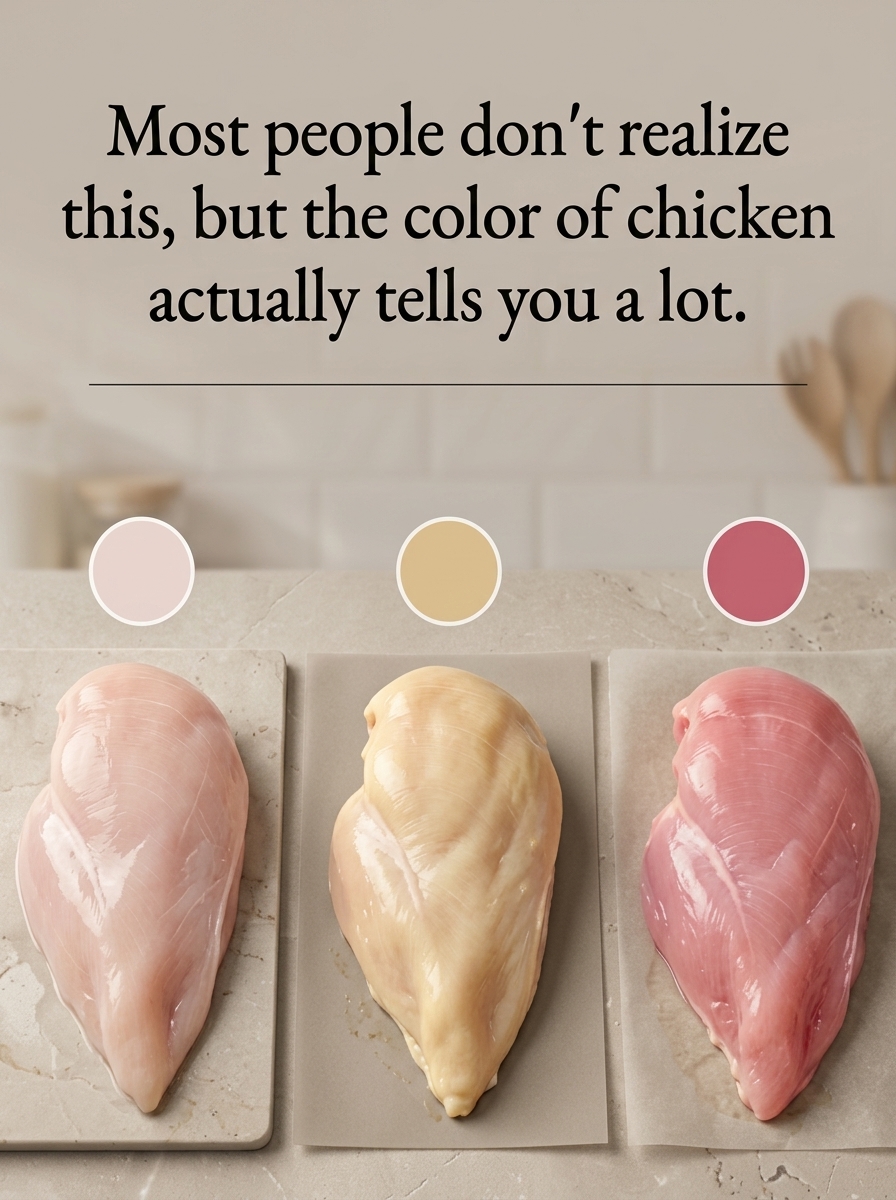
The package of chicken sitting in your cart may reveal more than you realize. One tray appears pale, almost pinkish. Another has a noticeably rich yellow color.
The cut is the same. The price is nearly identical. Yet the appearance is completely different. It’s easy to stop and wonder what causes that contrast.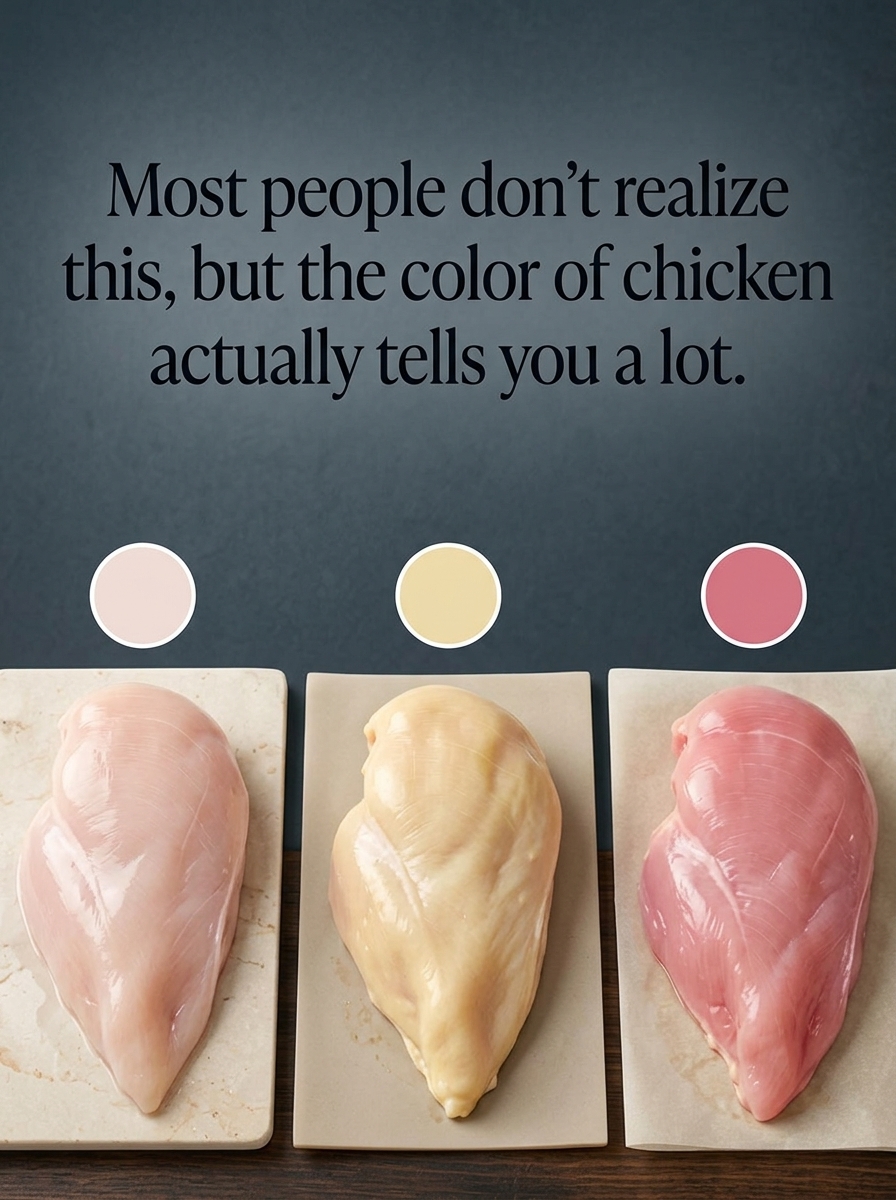
Has one been treated with additives? Is the darker one healthier? Or is the color simply influencing your opinion before you even check the label?
At first glance, color seems important. Most people naturally judge food based on appearance, and chicken is no exception.
However, when it comes to poultry, color rarely provides a direct measure of quality. Instead, it often reflects how the bird was raised, what it ate, and the environment it experienced before reaching the grocery store.
Pale chicken is commonly associated with large commercial farming operations.
These birds are bred for rapid growth and maximum efficiency.
Their feed is carefully controlled to promote weight gain, and they are generally raised indoors with limited space for movement.
This approach allows producers to supply affordable chicken on a massive scale, which is why lighter-colored meat is so widespread in supermarkets.
Although a pale appearance does not automatically indicate poor quality or safety concerns, it does represent a system designed around production speed rather than natural living conditions.
Yellow chicken often points to a different upbringing. Its deeper color is frequently linked to feed containing natural pigments such as corn, marigolds, or other carotenoid-rich plants.
Birds that spend more time outdoors, pecking through grass and feeding on insects, also tend to develop a more golden tone.
Slower growth and greater activity often result in firmer texture and richer flavor—what many consumers describe as chicken that tastes more traditional.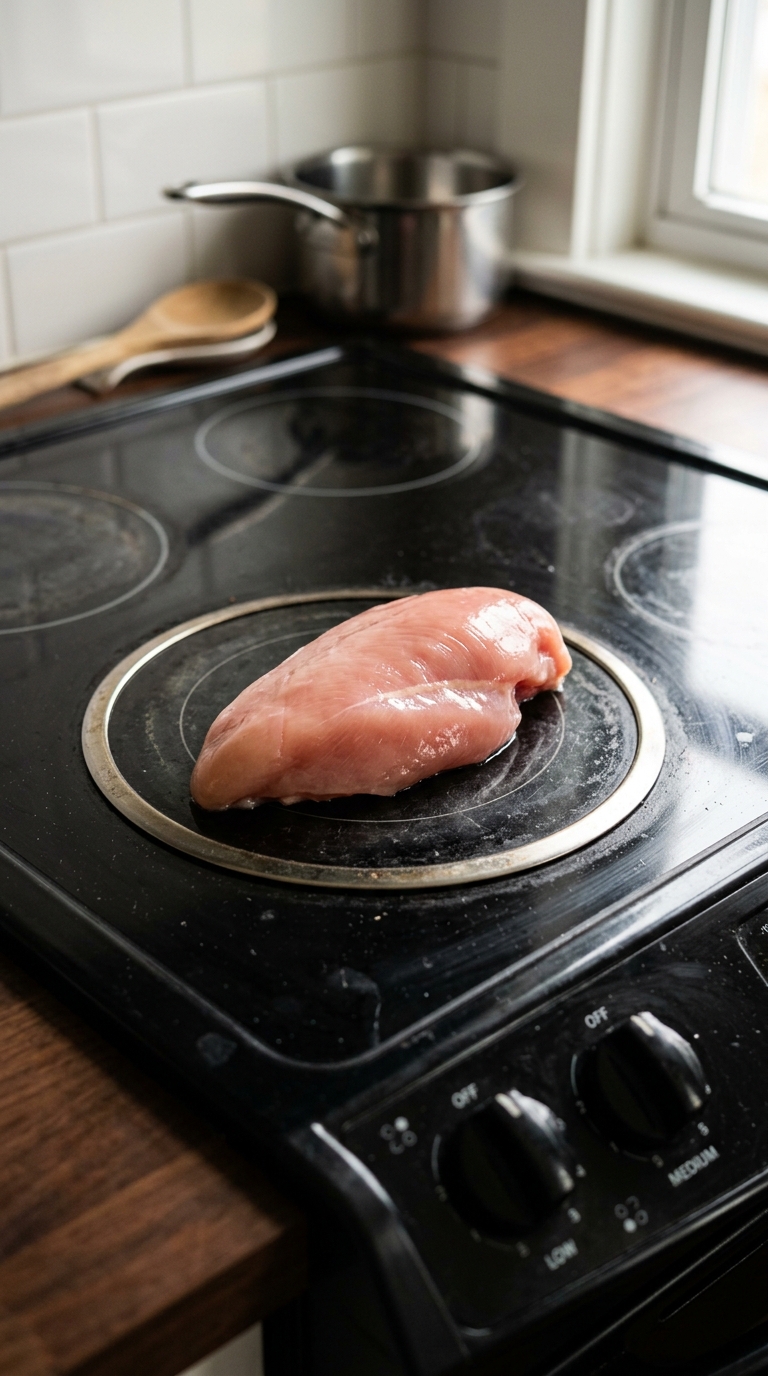
Even so, color can sometimes be misleading.
Certain producers intentionally use feed that enhances yellow pigmentation because consumers often associate that shade with superior quality.
In those situations, the chickens may still come from intensive farming systems, despite appearing more natural in the package.
For that reason, color alone is not a dependable indicator of how a bird was raised or how the meat will ultimately taste.
The most important information usually isn’t visible at first glance.
Labels reveal much more than appearance ever can.
Descriptions such as pasture-raised, organic, free-range, or certified humane offer valuable clues about living conditions, feed, medication practices, and animal welfare standards.
These factors can influence not only ethical considerations but also flavor and nutritional value.
Your own observations matter as well. Fresh chicken should have a clean smell and a firm texture. Any sour or sulfur-like odor is a warning sign of spoilage regardless of color.
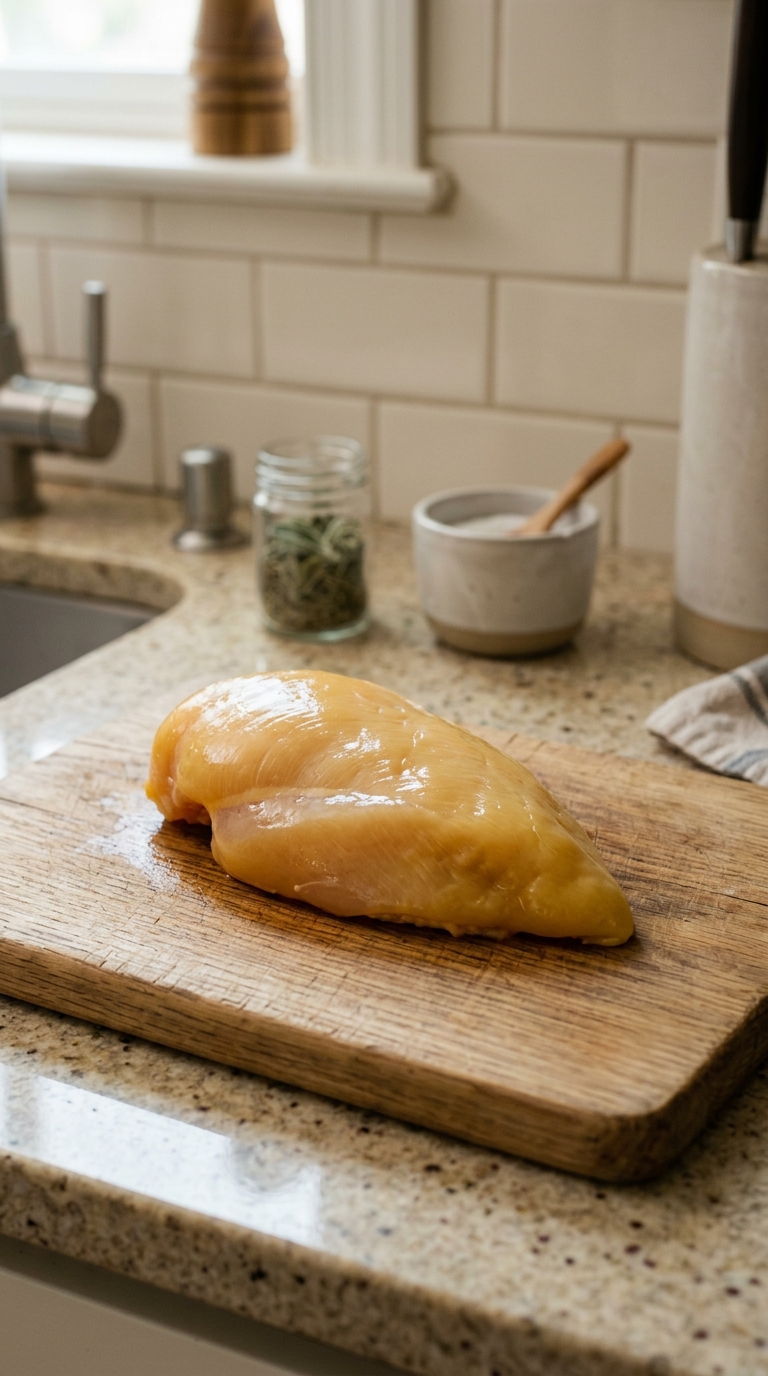
After cooking, flavor and juiciness become the true test—and those qualities are influenced far more by the bird’s lifestyle than by the shade of the meat.
Ultimately, there is no single ideal color for chicken. The best option depends on your priorities, your budget, and the type of meal you want to prepare.
Sometimes convenience is the deciding factor. Sometimes taste comes first. Sometimes ethical concerns shape the choice.
None of those considerations can be determined solely by whether the meat is pale or yellow.
Every package in the meat aisle has a story behind it. Color is only the first chapter. The rest requires a closer look.
