

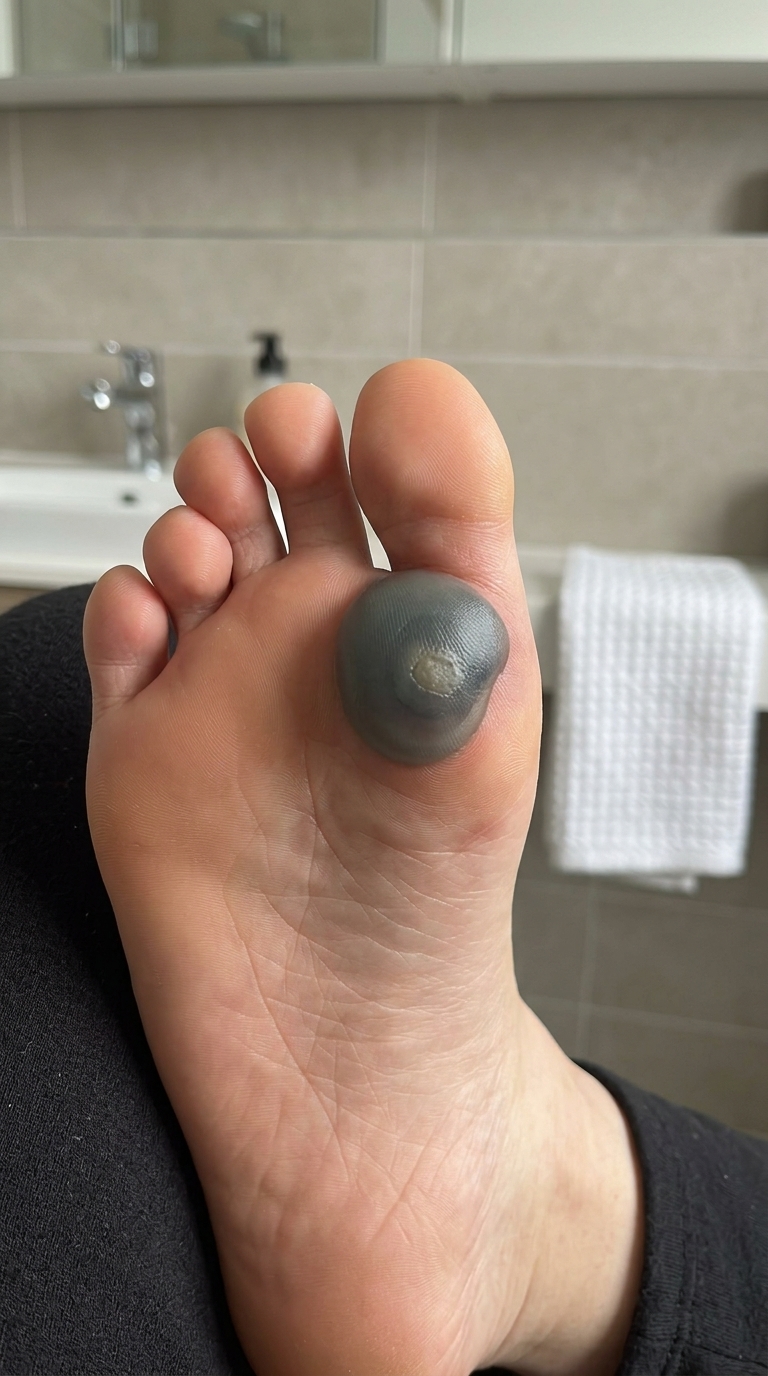
A blood blister can look alarming when you first notice it—a dark red, purple, or maroon pocket beneath the skin that seems to appear unexpectedly. While blood blisters are usually harmless, they can be painful and, in some situations, may signal an underlying condition. Understanding what causes them and how to care for them can help you manage the problem and know when professional medical advice may be necessary.
What Is a Blood Blister?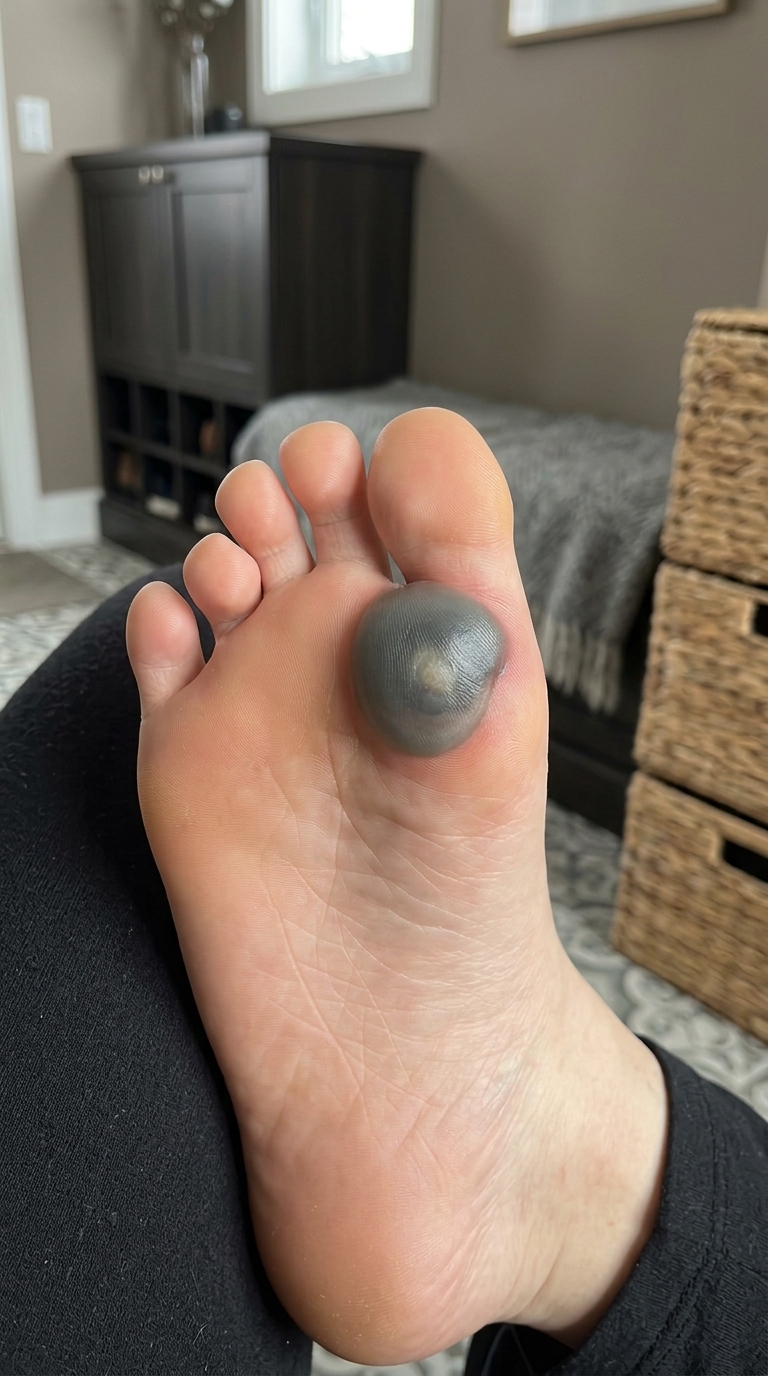
A blood blister forms when small blood vessels, known as capillaries, rupture beneath the skin while the outer layer remains unbroken. Blood becomes trapped under the surface, creating a raised, fluid-filled bump that appears red, purple, or dark brown—much darker than a standard blister filled with clear fluid.
Blood blisters are most often found on:
Fingers and palms
Toes and the bottoms of the feet
Inside the mouth, including the cheeks, tongue, or gums
Common Causes of Blood Blisters
In many cases, blood blisters develop because of sudden pressure, pinching, or repeated rubbing, such as:
Closing a finger in a door
Wearing shoes that are too tight or do not fit properly
Using tools or sports equipment without adequate protection
Repeated movements that place constant pressure on the skin
Blood blisters that develop inside the mouth may be caused by:
Accidentally biting the inside of the mouth
Dental treatments or procedures
Sharp teeth or poorly fitting dental devices
Some people may develop blood blisters more easily due to:
Thin or delicate skin
Poor circulation
Diabetes
Certain bleeding or clotting disorders
Symptoms You May Notice
A blood blister can cause:
A raised, blister-like bump beneath the skin
Dark red, purple, or nearly black discoloration
Tenderness and discomfort when touched
Pressure-related pain
Mild swelling around the affected area
Most blood blisters are not serious and typically heal on their own within one to two weeks.
Should You Pop a Blood Blister?
Generally, no. The skin covering the blister serves as a natural shield against infection. Puncturing it can allow bacteria to enter the area and may delay the healing process.
If the blister breaks open on its own:
Carefully wash the area with soap and water
Apply an antiseptic if needed
Cover it with a clean, sterile bandage
Keep the area dry and protected
How to Care for a Blood Blister at Home
For uncomplicated blood blisters:
Avoid pressure or friction on the affected spot
Use a cold compress for 10–15 minutes to help reduce swelling
Keep the blister clean and covered
Wear properly fitted shoes or protective gloves when appropriate
Avoid harsh chemicals or home treatments that may irritate the skin
Blood Blisters Inside the Mouth
Blood blisters in the mouth often heal quickly, although they can be uncomfortable. Gargling with warm salt water may help soothe irritation and keep the area clean. It is also a good idea to avoid spicy, hot, or sharp foods until healing is complete.
If oral blood blisters occur repeatedly or appear without any obvious injury, consider consulting a dentist or healthcare provider.
When to Contact a Doctor
Seek medical attention if:
The blood blister becomes very painful or continues to enlarge
You notice signs of infection, such as redness, warmth, pus, or fever
Blood blisters occur repeatedly without a clear reason
You have diabetes, circulation problems, or a bleeding disorder
The blister has not healed after two weeks
In rare situations, recurrent or unexplained blood blisters may be associated with an underlying medical condition that requires further evaluation.
Can Blood Blisters Be Prevented?
You may lower your risk by:
Wearing properly fitted footwear and protective gloves
Adding cushioning to tools or sports equipment
Keeping the skin moisturized to reduce cracking
Managing existing health conditions appropriately
Final Thoughts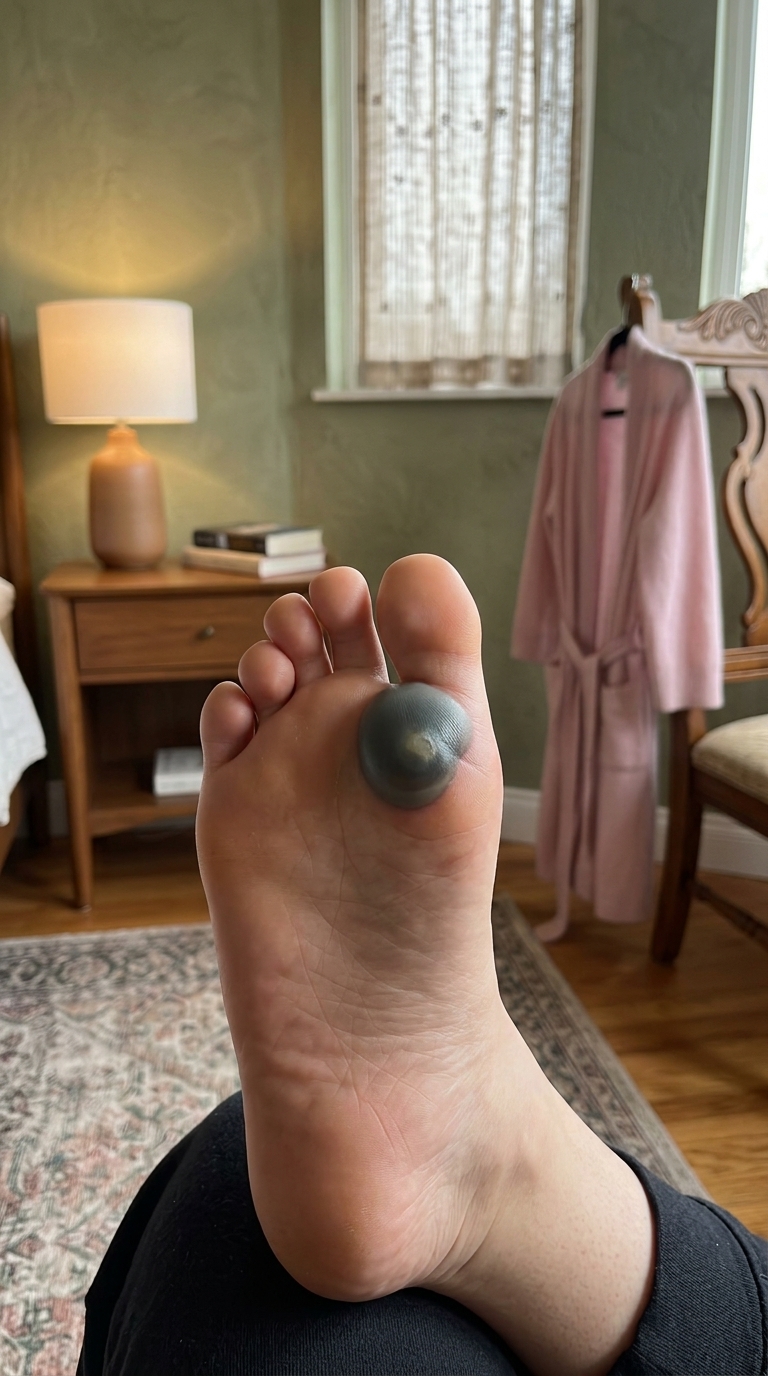
Blood blisters are usually minor injuries caused by pressure, friction, or trauma and often heal naturally without treatment. Although they can appear concerning, they are typically harmless and temporary. Paying attention to where they develop, how they form, and how frequently they occur can help determine whether simple home care is enough or if medical assessment is warranted.
If you are uncertain—especially when blood blisters recur frequently or take an unusually long time to heal—it is best to seek advice from a healthcare professional rather than ignore a possible sign that your body may be trying to alert you to an underlying issue.
