

Some everyday habits remain part of our routine not because they are particularly beneficial or dangerous, but simply because they are convenient enough that we rarely stop to question them.
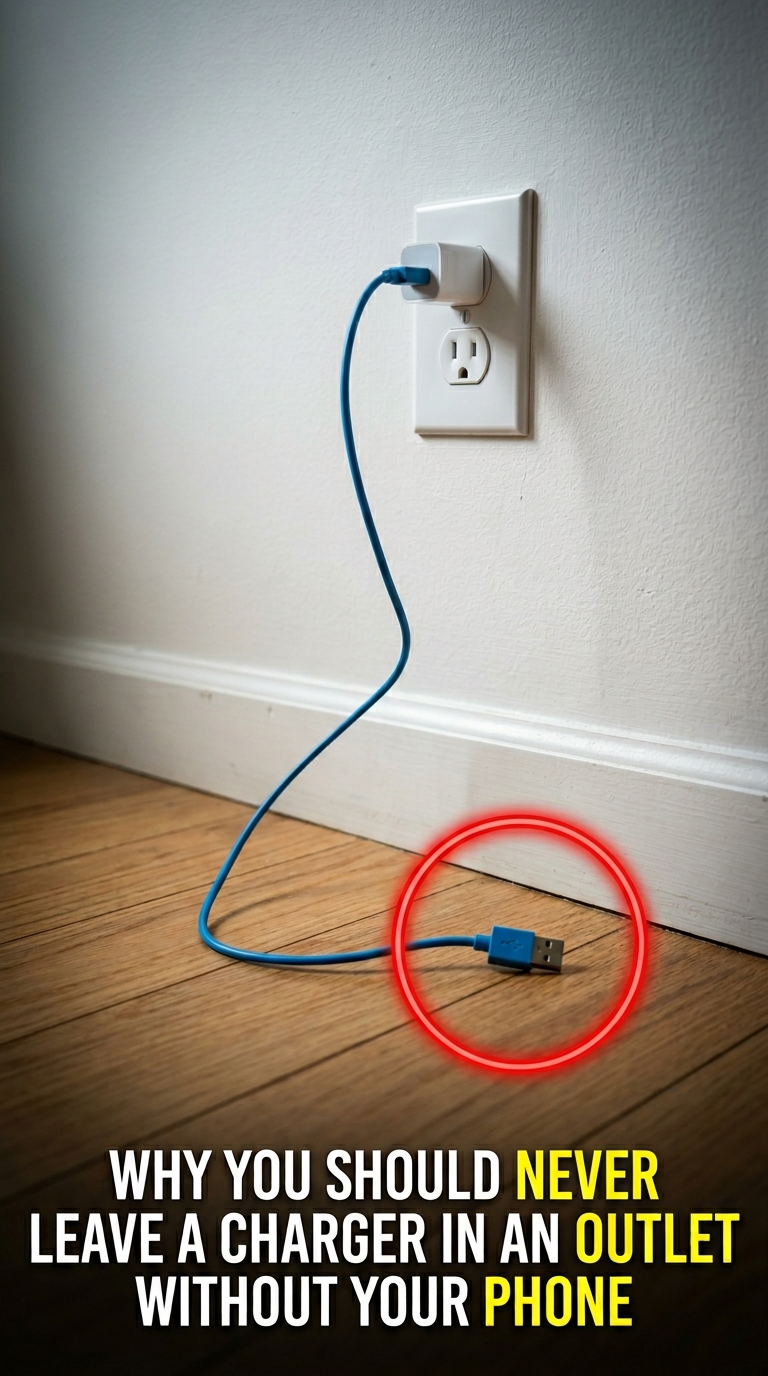
Leaving phone chargers plugged into wall outlets is one of those habits for many people. The charger becomes a permanent fixture in the room—resting beside the bed, tucked under a desk, or sitting near the sofa, constantly connected whether a device is charging or not. Most of the time, nothing unusual occurs.
And that is exactly why the habit continues.
Even so, electricians and safety professionals often suggest unplugging chargers when they are not actively being used. The recommendation is not based on fear or alarmism, but on paying attention to minor risks and avoidable waste that can be reduced with little effort.
One consideration is standby power consumption.
Even when no phone is attached, many chargers still draw a small amount of electricity from the outlet. The amount is minimal. A single charger left plugged in is not going to cause a noticeable spike in your electric bill. However, modern households are filled with devices quietly using energy throughout the day—chargers, smart speakers, televisions, gaming systems, kitchen gadgets, and various adapters.
As time passes, those small amounts of background energy usage add up to unnecessary consumption.
Another factor is long-term wear and tear.
Chargers contain electronic components that remain under a low level of stress whenever they are connected to power. Well-made chargers are built to handle this effectively, but ongoing exposure to electricity and occasional fluctuations in voltage can still contribute to gradual deterioration over the years.
Put simply, electronic devices generally last longer when they are not powered unnecessarily.
More significantly, unplugging can help reduce certain unlikely but possible safety concerns.
Modern chargers produced by reputable manufacturers are typically very safe when used properly. This distinction is important because many alarming stories online tend to overstate the danger. The vast majority of people who leave chargers plugged in will never encounter a serious problem.
However, “unlikely” does not mean “impossible.”
Frayed cables, counterfeit charging adapters, dust accumulation, poor airflow, overloaded sockets, or electrical surges can all increase the possibility of overheating or equipment failure. In uncommon cases, chargers may become excessively hot, produce burning odors, spark, or experience internal malfunctions. While the risk remains low—especially when using certified products in good condition—unplugging the charger removes the risk altogether when it is not needed.
Homes with children or pets present another practical consideration.
Dangling charging cables and exposed adapters often attract attention. Pets may chew on cords. Young children may pull on cables or begin experimenting with outlets themselves. In many situations, the concern is not severe danger but preventable damage, unnecessary stress, or unsafe habits developing over time.
Moisture is another important factor.
Chargers located near sinks, bathrooms, kitchens, or other humid environments are exposed to more moisture than many people realize. Water and electricity do not require a dramatic incident to create problems. Sometimes the issue develops slowly through condensation, corrosion, or gradual deterioration that goes unnoticed.
That said, none of this means people should feel worried every time they notice a charger plugged into an outlet.
Practical safety awareness is most effective when it does not turn everyday life into a source of constant concern. A quality charger connected to a clean, properly functioning outlet is generally not a major risk. Modern electrical standards exist because common electronic devices are designed for regular daily use. The more reasonable question is simply this:
If unplugging a charger takes only a couple of seconds and can slightly reduce energy waste, component wear, and unnecessary risk, why not make it a better habit whenever possible?
Often, good judgment in daily life comes not from dramatic safety measures but from small acts of care practiced consistently over time.
Not because disaster is always around the corner—but because being attentive naturally helps create safer and more comfortable living spaces.
