


Eating Bananas: The Myths You Should Stop Believing
There’s no doubt that bananas are among the most popular fruits in the world. They are affordable, easy to carry, simple to eat on the go, and packed with nutrients that support the body in many ways.
Despite their common use, bananas still spark debate in health discussions. Some consider them perfect fuel for athletes, while others question whether they are truly beneficial. So what does science actually say?
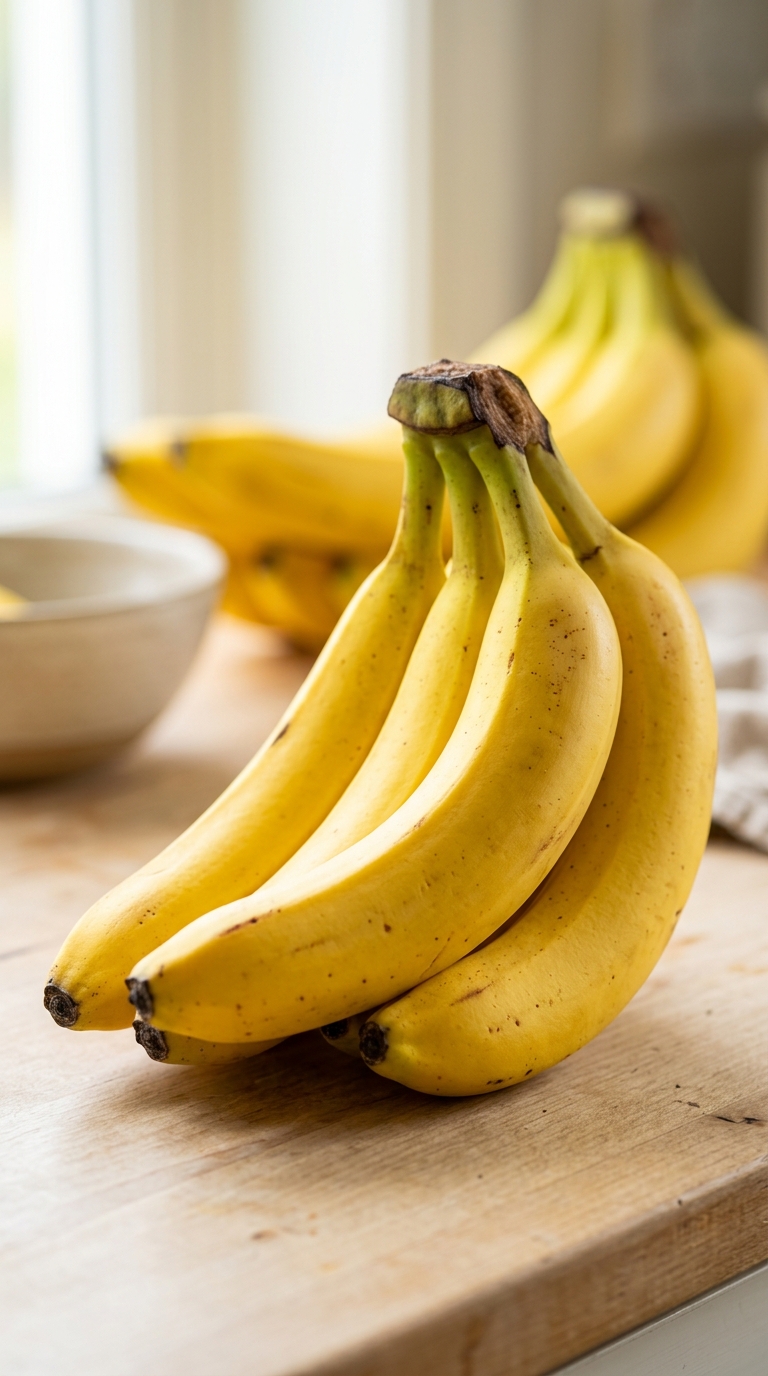
Let’s take a closer look at the real benefits of bananas and clear up some of the persistent myths circulating online.
When you peel back the yellow skin, you get far more than just sweetness. A medium banana provides a strong balance of essential vitamins and minerals.
It contains potassium, an important electrolyte, along with vitamin B6, which supports brain development and helps the nervous and immune systems. It also provides vitamin C for skin and immunity, magnesium for biochemical processes, and fiber that supports digestion and helps you feel full.
Healthline notes that a banana contains around 100–110 calories, with plenty of fiber, no fat, and very little protein. This makes its natural carbohydrates feel like a clean, steady energy source.
One of the strongest scientifically supported benefits of bananas is their contribution to heart health, mainly due to potassium. This mineral is essential for maintaining a steady heartbeat. It helps remove excess sodium through urine and relaxes blood vessel walls. Potassium also supports fluid balance in cells and normal muscle and nerve function, including heart contractions.
Studies from the Cleveland Clinic associate potassium-rich diets with lower blood pressure and a reduced risk of stroke. Since many people consume too much sodium and not enough potassium, eating a banana daily can be a simple healthy habit.
Bananas are commonly recommended for upset stomachs as part of the BRAT diet, but their digestive benefits go further. Their fiber exists in two forms. Soluble fiber forms a gel that slows digestion and improves nutrient absorption. Resistant starch, especially in greener bananas, acts as a prebiotic that feeds beneficial gut bacteria.
This produces short-chain fatty acids like butyrate, which help reduce inflammation, strengthen the gut lining, and improve nutrient absorption. The result can be less bloating and constipation.
Athletes often eat bananas during training or competition, and for good reason. They are often called nature’s original energy bar due to their mix of natural sugars—glucose, fructose, and sucrose—combined with fiber.
Unlike processed sweets that cause energy spikes and crashes, bananas provide more stable energy because fiber slows sugar absorption.
Some people avoid bananas due to concerns about blood sugar or weight gain. However, bananas have a low to medium glycemic index, ranging from about 42 to 62 depending on ripeness.
Fiber and resistant starch help prevent sharp blood sugar spikes. Less ripe bananas tend to have a lower index than very ripe ones. For most people, they are safe in moderation, and even individuals with diabetes can include them when paired with protein or fat.
Despite common belief, bananas are unlikely to cause weight gain. Their fiber increases fullness, which can reduce overall calorie intake. Fiber adds bulk and slows stomach emptying. Replacing a 300-calorie processed snack with a 100-calorie banana provides nutrients and better satiety.
While berries are often praised for antioxidants, bananas also contain flavonoids, dopamine, and catechins, which help combat oxidative stress linked to aging and disease.
Vitamin C in bananas also supports immune function and helps protect against infections.
Bananas may also support kidney health. Studies suggest that women who eat bananas a few times per week may have a lower long-term risk of kidney disease.
By helping regulate blood pressure—a key factor in kidney health—bananas may offer protective benefits. However, individuals with serious kidney conditions or potassium restrictions should consult a doctor.
Debunking Common Banana Myths
In the age of social media, misinformation spreads quickly, so it’s important to clarify a few myths about bananas.
First, the idea that bananas contain too much sugar. While they do contain natural sugars, they come packaged with fiber, vitamins, and minerals, which change how the body processes them compared to added sugars in processed foods.
Second, the belief that bananas are the best source of potassium. They are a good source, but foods like avocados, spinach, and sweet potatoes contain even more. Bananas are popular mainly because they are convenient and accessible.
Third, the claim that bananas are dangerously radioactive. While they contain trace amounts of Potassium-40, the levels are extremely low. It would take millions of bananas at once to reach harmful exposure levels.
Lastly, some believe blending bananas destroys nutrients, especially when combined with berries. In reality, smoothies still retain fiber and beneficial compounds, and the body effectively absorbs nutrients regardless.
Are There Any Downsides to Eating Bananas?
Bananas are highly nutritious, but excessive consumption may cause issues. Eating five or six daily could lead to bloating due to fiber or, in rare cases, potassium-related concerns. Excess natural sugars may also affect dental health.
For most people, one to two bananas per day is an ideal range.
Overall, bananas are one of the simplest and most effective ways to improve nutrition. They are affordable, versatile, and supported by science for energy, heart health, digestion, and more.
They can be eaten before workouts, added to breakfast, or used as a quick snack. Good nutrition doesn’t need to be complicated—sometimes the simplest foods are the most powerful. Moderation matters, and myths should not prevent people from enjoying them.
Disclaimer: This article is for informational purposes only and does not constitute medical advice. Always consult a healthcare professional for medical concerns.
