

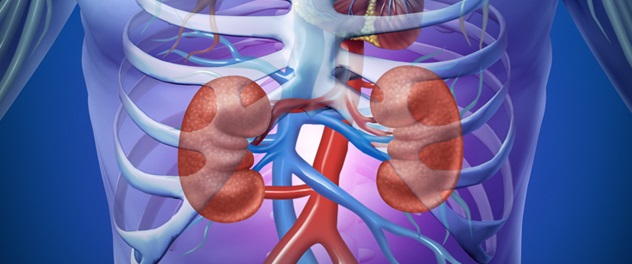
Kidney disease often develops quietly, causing significant damage before obvious symptoms appear. Knowing the warning signs that your kidneys may be in danger can help you seek treatment early and avoid serious complications. If you notice any of these symptoms, it’s important to consult a healthcare professional as soon as possible.
Why Your Kidneys Matter
Your kidneys are essential organs responsible for filtering waste and excess fluid from your blood, maintaining electrolyte balance, and helping regulate blood pressure. Located on either side of your spine beneath the ribcage, these bean-shaped organs also produce hormones that support red blood cell production and help keep your bones healthy. Every day, healthy kidneys filter approximately 120–150 quarts of blood and produce around 1–2 quarts of urine to remove toxins from the body.
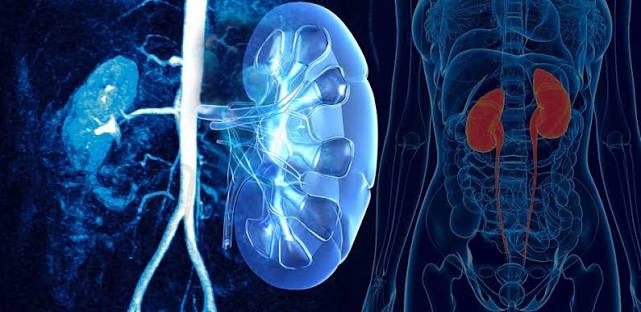
What Is Kidney Disease?
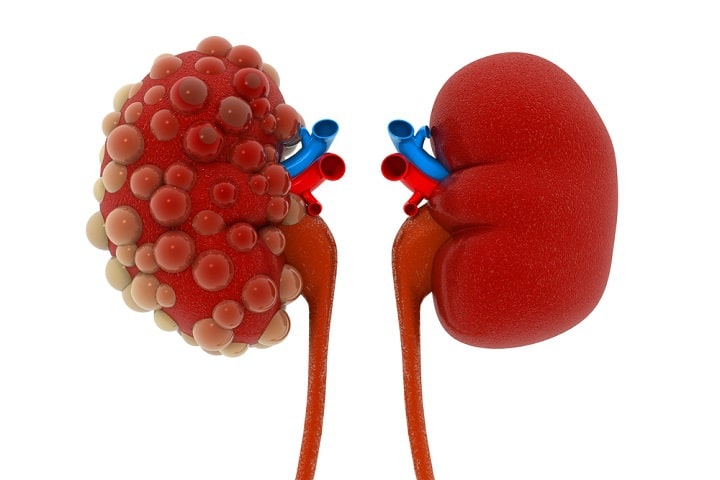
Kidney disease occurs when the kidneys can no longer perform their functions efficiently. Common causes include diabetes, high blood pressure, infections, autoimmune conditions, and inherited disorders. Without proper treatment, kidney disease can worsen over time and eventually lead to kidney failure, making dialysis or a kidney transplant necessary. Recognizing the warning signs early gives you the best chance to protect your kidney function.
10 Warning Signs Your Kidneys May Be in Danger
1. Changes in Urination
One of the earliest indicators of kidney problems is a change in your normal urination pattern. Watch for symptoms such as:
- Urinating more often, especially during the night
- Producing less urine than usual
- Foamy or bubbly urine, which may suggest protein is leaking into the urine
2. Constant Fatigue and Weakness
Healthy kidneys produce erythropoietin, a hormone that helps your body make red blood cells. When kidney function declines, anemia can develop, leaving you feeling unusually tired, weak, or unable to concentrate.
3. Swelling (Edema)
Reduced kidney function can cause fluid to build up in the body, leading to swelling in the:
- Legs
- Hands
- Face
- Abdomen
4. Ongoing Back Pain
Pain below the ribs or tenderness in the lower back may be linked to kidney stones or untreated urinary tract infections affecting the kidneys.
5. Unexplained Weight Loss or Poor Appetite
As waste products accumulate in the bloodstream, many people experience a reduced appetite and unintended weight loss. You may also feel full after eating only a small amount.
6. Nausea and Vomiting
A buildup of toxins in the blood can trigger frequent nausea or vomiting, particularly in the morning or shortly after meals.
7. Trouble Sleeping
Kidney disease can interfere with sleep for several reasons, including:
- Muscle cramps during the night
- Restless leg syndrome
- Frequent nighttime urination
8. A Metallic Taste in Your Mouth
A lingering metallic taste can be a symptom of uremia, a condition caused by waste products accumulating in the bloodstream when the kidneys are not filtering properly.
9. Muscle Cramps or Twitching
Imbalances in important minerals, such as low calcium or elevated phosphorus levels, may cause painful muscle cramps or involuntary muscle twitching.
10. Persistent Itchy Skin
When toxins build up because the kidneys are no longer filtering effectively, widespread itching can occur and may become severe.
How to Lower Your Risk
You can support your kidney health and reduce your risk of kidney disease by:
- Drinking enough water throughout the day
- Limiting salt and highly processed foods
- Keeping diabetes and high blood pressure under control
- Avoiding excessive use of pain relievers, especially NSAIDs
- Scheduling regular medical check-ups, particularly if kidney disease runs in your family
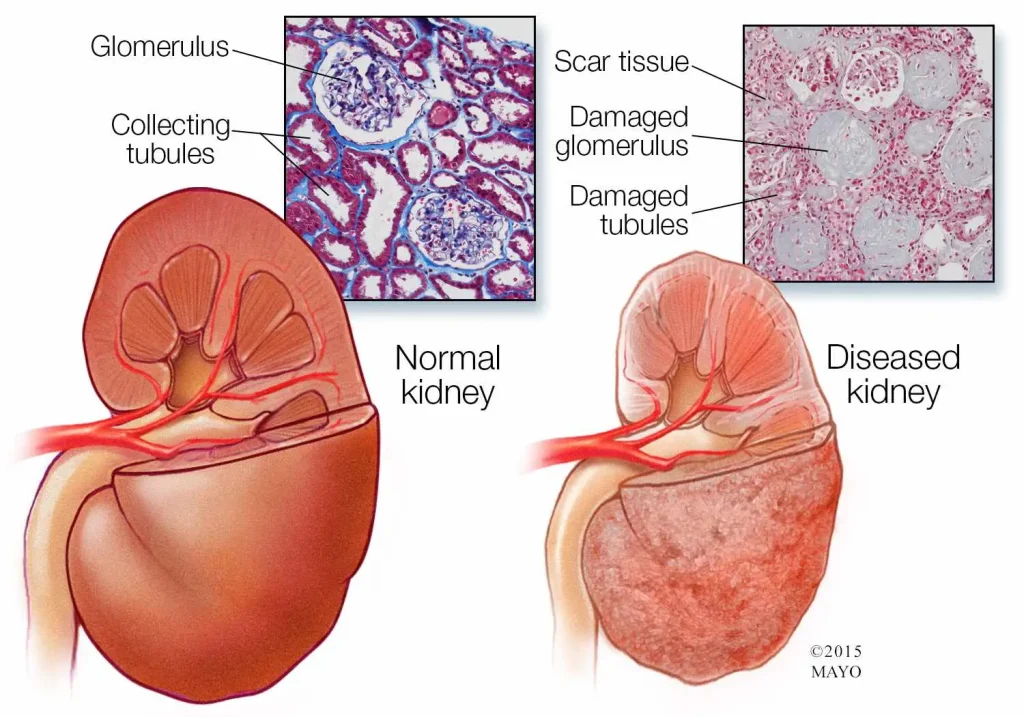
For illustration purposes only
When You Should See a Doctor
If you notice any of these warning signs, don’t ignore them. Make an appointment with your healthcare provider for a thorough evaluation. Your doctor may recommend blood tests, urine tests, or imaging studies to assess your kidney function. Detecting kidney disease early offers the best chance to slow or prevent permanent damage.
Conclusion
Recognizing the warning signs that your kidneys may be in danger can make a significant difference in your long-term health. Paying attention to changes in your body and seeking medical care promptly can help preserve kidney function and prevent serious complications. If something doesn’t feel right, don’t delay—get it checked.
