

The Architect of Retribution
PART 1: The Gilded Cage
The dining hall of The Sterling Manor smelled of roasted rosemary lamb, vintage Cabernet, and the suffocating, cloying stench of absolute hypocrisy.
I sat at the far end of the twenty-foot mahogany table, my chin tilted down, my eyes fixed unwaveringly on the gilded rim of my porcelain plate. I was eighteen years old. In the sterile eyes of the state of Virginia, I had crossed the threshold into legal adulthood three weeks prior. But within the limestone walls of this seven-acre compound, surrounded by nine-foot wrought-iron pickets and monitored by closed-circuit security feeds, I was not an adult. I was an inconvenient asset. A silent ward. A prisoner of war held hostage by civil paperwork.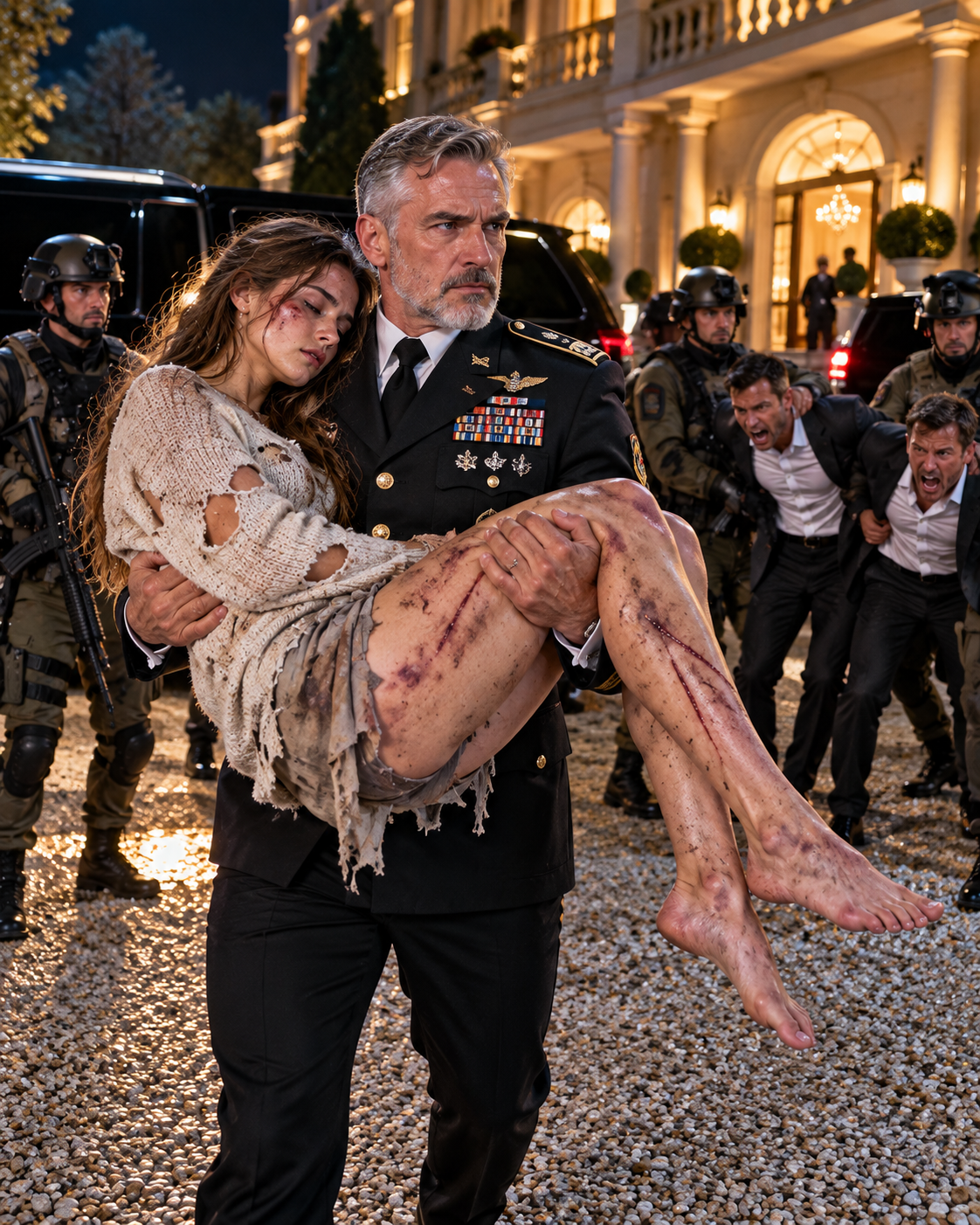
Above us, the massive teardrop chandelier of hand-cut Waterford crystal cast a cold, fractured light across the room, catching the sterling silverware and the manicured fingers of the man seated at the head of the table. Judge Arthur Sterling, presiding magistrate of the Fourth District Court of Appeals, rested his hand upon his wine glass as if it were a scepter. His voice possessed the deep, resonant timbre that had terrified attorneys and defendants for nearly three decades.
“The fundamental error of modern jurisprudence,” Arthur proclaimed, carving into the pink center of his meat with surgical deliberation, “is the absurd notion that mercy can coexist with order. Order is an unnatural state. It must be imposed with an iron fist. When I denied bail to the union organizer on Tuesday, his counsel began weeping. Weeping, Evelyn. In an appellate chamber.”
To Arthur’s right, my mother, Evelyn Sterling, smiled—a fragile, rehearsed curvature of her painted crimson lips that never quite reached her hollow hazel eyes. She wore a bespoke silk blouse that cost more than two months of my late grandmother’s pension, paired with a three-carat diamond pendant that nestled against her throat like an exquisite collar.
“You did what was necessary, Arthur,” Evelyn murmured softly, her fingers gently caressing the stem of her crystal glass. “You always carry the weight of this city on your shoulders.”
“Someone must,” Arthur replied, his slate-gray eyes gleaming with self-satisfied divinity. “Weak men invite chaos. Strong men build empires.”
Across from me sat Julian Sterling.
Julian was twenty-two, possessing the soft, doughy jawline of a boy who had never worked an honest hour in his life, compensated for by five-thousand-dollar tailored suits and his father’s terrifying legal immunity. He had been quietly expelled from his second Ivy League law program three months ago—a scandal Arthur had efficiently buried beneath non-disclosure agreements and six-figure endowment donations to the university’s library fund.
Under the heavy, linen-draped table, entirely hidden from Arthur’s line of sight, Julian’s leather dress shoe shifted against the Persian rug.
The hard sole slid deliberately up my left calf.
A cold, sickening revulsion crawled up my spine, prickling the hair at the nape of my neck. My stomach turned to lead. It was the third time that afternoon. Earlier, while Arthur was still at the federal courthouse, Julian had intercepted me in the library, blocking the corridor between the towering bookshelves. He had leaned in close, reeking of expensive tobacco and peppermint schnapps, trapping me against the oak paneling with his forearm while whispering that my stepbrother’s generosity was the only reason Arthur hadn’t sent me off to an out-of-state boarding school years ago.
I had said nothing then. I had frozen, waiting for his heavy, lingering touch to leave my shoulder.
Now, beneath the table, his foot slid higher, pressing against the bare skin above my ankle with predatory familiarity. He took a slow, calculated sip of his wine, watching me over the crystal rim with dark, insolent eyes that dared me to cause a scene.
Do it, his eyes seemed to say. Tell him. See who he believes.
A sudden, violent wave of nausea surged through me. My right leg jerked backward in pure reflex, kicking his ankle away with sharp force.
The involuntary violence of the movement jarred the heavy table. My elbow struck the rim of my plate; my silver salad fork slipped from my trembling fingers, clattering with a shrill, deafening metallic clang against the fine porcelain before tumbling into my lap.
The sound shattered the rhythm of Arthur’s monologue.
The silence that followed was instantaneous, thick, and suffocating. The air left the room in a single vacuum.
Arthur’s knife stopped mid-slice. He set the cutlery down on the silver rests with slow, agonizing precision. Slowly, his neck turned, his cold, reptilian gaze locking onto me from the far end of the mahogany expanse.
“Is there an issue at your end of the table, Maya?” Arthur inquired, his voice dropping into the quiet, menacing register that made defense lawyers physically tremble on the record.
My heart vaulted into my throat. The pulse in my ears was a frantic drumbeat. I looked desperately across the table toward my mother. I looked at her hands, at her throat, directly into her eyes. Look at me, I pleaded silently. Look at how he looks at me. Protect me. Just once in your life, protect me.
Evelyn didn’t hold my gaze. She lifted her napkin, dabbing delicately at the corner of her mouth, and fixed her eyes firmly on the crystal centerpiece. “Maya has always been careless with her coordination, Arthur,” she said smoothly, her tone devoid of warmth, completely devoid of maternal instinct. “She was clearly distracted. Apologize to the Judge, darling. You know how he values peace during dinner.”
Julian let out a faint, amused breath through his broken, crooked grin. He cut a generous piece of lamb and chewed it slowly, leaning back into his leather armchair, radiating the untouchable arrogance of a favored heir.
My jaw ached from the force of my clenched teeth. The bitter taste of copper rose in my mouth as I bit down on the inside of my cheek to keep my voice from breaking.
“I apologize, Arthur,” I whispered, keeping my eyes fixed on the tablecloth. “It was an accident.”
“An accident is a failure of discipline,” Arthur replied coldly, picking up his fork again. “And this household does not harbor undisciplined things. Finish your meal in silence.”
Under the hem of my pleated wool skirt, hidden inside a small pocket I had spent three nights secretly hand-sewing into the inner lining, my thumb found the rectangular contour of a battered, hard-plastic casing.
A burner phone.
It was thin, ancient, devoid of internet capabilities, and possessed only one encrypted contact. It had been slipped into the bottom lining of my backpack three years ago at a crowded public transit terminal in Richmond—the final, desperate gift from a man whom Arthur Sterling had spent millions of dollars and countless corrupt judicial favors to legally destroy, silence, and banish beyond the state border under threat of indefinite imprisonment.
My biological father.
Dinner dragged on for another forty agonizing minutes. Arthur recounted his triumphs over legal adversaries; Julian laughed obsequiously at his father’s cruel jokes; Evelyn laughed when Arthur laughed and fell silent when Arthur frowned. I sat like a marble fixture, counting the seconds, measuring every breath.
At eight o’clock, Arthur stood, brushing an invisible speck of lint from his waistcoat. “I will take my bourbon in the study,” he declared. “Julian, bring the Morrison appellate brief to my desk in an hour. We will review your notes.”
“Right away, sir,” Julian answered politely.
Arthur marched down the grand hallway, his polished Oxford shoes clicking against the imported marble like the rhythmic march of a firing squad. Evelyn scrambled after him like an eager courtier, desperate to pour his liquor and affirm his superiority.
The heavy mahogany doors of the library clicked shut.
I released the breath I had been holding for an hour. Trembling, I rose from my chair, intent on taking my plate to the kitchen and running up the servants’ stairwell to my third-floor bedroom, where I could lock the deadbolt and breathe.
I turned toward the arched threshold leading into the gallery corridor.
Julian was standing directly in the center of the archway.
His jacket was off. His tie was loosened at his throat. His arms were crossed over his chest, his shoulder leaning casually against the fluted wood pillar, completely blocking the only path out of the room. The polite society mask had vanished, replaced by an expression that made every survival instinct in my body scream.
“Leaving so soon, little bird?” Julian murmured.
The silence of the house settled between us, heavy and toxic. From down the long, vaulted corridor, I could hear the faint, muffled hum of Arthur’s classical record player spinning behind the thick oak doors of the study. Bach’s Cello Suite No. 1. A soothing, civilized melody playing while a nightmare brewed twenty yards away.
I backed up until my thighs hit the edge of the dining table. “Move out of the way, Julian.”
“Or what?” He took a step forward, his polished shoes sliding soundlessly across the parquet floor. “You’ll drop another fork? You’ll cry to Evelyn?” He laughed, a quiet, phlegmy chuckle that made my skin crawl. “Your mother doesn’t care if you live or die, Maya, as long as Dad’s name stays on the deed to the beach house.”
“Let me through,” I said, my voice steadying through sheer, desperate adrenaline. “Arthur is right down the hall. If I scream—”
“Scream,” Julian whispered, taking two rapid strides, closing the gap before I could dart toward the service door. “Go on. Scream. Who do you think my father believes? The street rat his wife dragged into this house, or the boy who carries his blood?”
He lunged.
His heavy hands clamped down onto my shoulders, driving me back violently. My spine slammed into the wall beside the grandfather clock with a concussive shock that forced the air from my lungs. The framed oil portrait of Arthur’s grandfather rattled on its brass wire above us. Julian’s face was inches from mine; his breath, hot and stale with red wine and mint, coated my cheek.
“You’ve been acting untouchable for three years,” he hissed, his fingers digging like steel talons into the soft flesh of my upper arms. “Looking at me like I’m dirt beneath your feet. You’re nothing. You’re a stray.”
His right hand dropped from my shoulder, grabbing my jaw with bruising pressure, forcing my head back against the silk-covered drywall. His other hand slid down to my waist, his fingers curling hard into the fabric of my skirt.
Something inside me snapped.
It wasn’t the blind terror that had governed my life since my mother married Arthur. It wasn’t the meek, obedient passivity they had beaten into my posture through hundreds of subtle cruelties and cold dismissals. It was an ancient, blinding surge of pure survival.
I am my father’s daughter.
I didn’t scream. I didn’t beg.
I pulled my right arm back, dropped my center of gravity, and drove the hard, bony heel of my palm directly upward into the base of Julian’s nose with every ounce of leverage my body possessed.
Crack.
The sound was wet, sharp, and visceral.
Julian let out a strangled, high-pitched shriek of pure agony. The force of the strike shattered the nasal cartilage, sending a violent shockwave into his sinus cavity. He stumbled backward, his hands flying to his face as bright, crimson arterial blood erupted from both nostrils, instantly soaking through his fingers, splattering across his pristine white Egyptian cotton shirt and pooling onto the Persian runner.
“You broke it!” he wailed, stumbling against the sideboard, knocking an antique porcelain vase to the floor where it shattered into a dozen pieces. “You crazy bitch, you broke my nose!”
The heavy study doors down the hall flew open with a violent bang.
“What is the meaning of this?!” Arthur’s voice thundered down the corridor, booming like artillery fire.
Arthur rounded the corner, his silk robe billowing around his calves, an amber glass of whiskey in his left hand. Evelyn trailed behind him, her eyes wide with manufactured terror.
In a fraction of a second, Julian’s entire demeanor morphed. The predator evaporated; the victim took the stage.
He dropped hard to his knees on the rug, smearing his own blood across his cheeks, rocking back and forth, sobbing with theatrical hysteria.
“Dad!” Julian choked out, pointing a trembling, blood-drenched finger toward me. “Dad, she tried to kill me! I came out to get the brief—she was waiting in the dark! She grabbed me, she said she was going to make us pay for keeping her here—I tried to push her off, and she hit me with something! Look at my face, Dad! Look at what she did!”
I stood frozen against the wall, my knuckles throbbing, my chest heaving. “That’s a lie!” I shouted, the words tearing through my raw throat. “He cornered me! He put his hands on me! Look at my arms—look at the bruises!”
Arthur didn’t look at my arms. He didn’t look at my torn blouse.
He didn’t even look at my face.
His slate eyes locked onto the blood spreading across his son’s expensive shirt, then shifted down to the shattered pieces of the centuries-old Ming vase on the floor. His face darkened, turning from pale ivory to a mottled, terrifying shade of plum. His jaw muscles clenched with such force that a vein in his temple throbbed like an exposed wire.
Arthur slowly set his crystal tumbler down on the hall table.
With measured, ritualistic slowness, his hands moved to his waist. He unbuckled his heavy, double-stitched leather belt. The brass buckle made a dull, sickening clink as he slid the leather smoothly from the loops of his slacks.
“Arthur…” Evelyn breathed, her hand flying to her chest, her voice faint. “Arthur, maybe we should call a private doctor—”
“Go upstairs, Evelyn,” Arthur commanded, not looking at her. His voice was lower than a whisper, yet it filled every corner of the vast hallway with chilling gravity.
“Arthur, please, she’s just a girl—”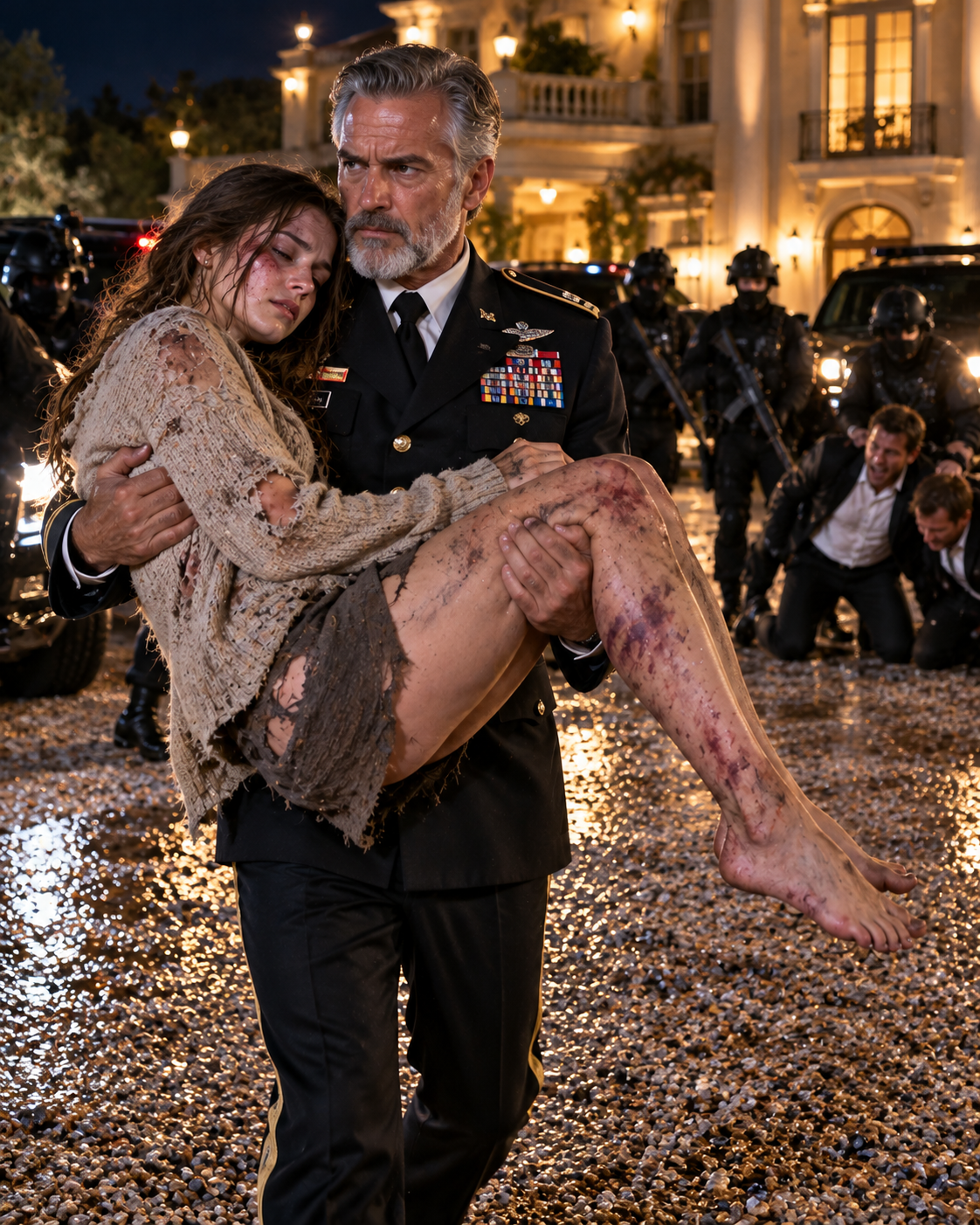
Arthur turned his head an inch. His eyes bored into my mother with such absolute, tyrannical contempt that she visibly shrank, taking three hurried steps backward into the shadows of the staircase. She closed her eyes. She turned her back. She chose the house. She chose the jewelry. She chose herself.
“You ungrateful, degenerate wretch,” Arthur whispered, folding the thick leather strap in half, wrapping the tail securely around his right fist. “I brought you out of public housing. I gave your mother a name. I gave you food, shelter, and the protection of my office. And you bring the violence of the gutter into my sanctuary? You strike my son in my own home?”
“He attacked me!” I screamed, backing away toward the kitchen door, but Arthur was already moving. He was faster than a man his age had any right to be.
He closed the distance in two strides. His heavy hand shot out, grabbing a fistful of my hair, wrenching my head backward until white spots danced across my vision.
“I am the law in this state, Maya,” Arthur hissed into my ear, his breath burning hot. “And tonight, court is in session.”
The leather swung.
The first strike hit my upper back, a searing line of blinding, catastrophic fire that ripped the breath entirely out of my lungs. I collapsed to my knees, my fingernails clawing at the hardwood. The second strike tore across my shoulder blades. Then the third. Then the fourth.
Pain was not an emotion; it was an all-consuming physical realm. The strikes fell in a rhythmic, calculated cadence—not the sloppy swings of an enraged drunk, but the cold, deliberate corporal punishment of a magistrate executing a sentence. I curled into a tight, fetal ball, my forehead pressed against the freezing wood floor, screaming until my voice shredded into a ragged, bloody rasp.
Julian watched from the carpet, wiping his bloody nose with a silk handkerchief, his eyes glowing with sadistic triumph.
The pocket.
Through the blinding haze of tears and fire, my trembling, sweat-slicked fingers found the hidden tear in the inner seam of my skirt. My fingertips brushed the cold, hard plastic casing.
Arthur raised his arm for another strike.
I jammed my finger onto the tactile rubber keypad beneath the fabric. One button. Held down for three seconds. The emergency speed dial.
The call connected.
I dragged the phone from the fabric, pulling it toward my mouth as the belt cracked across my ribs.
“Dad!” I screamed into the receiver, my voice a broken, desperate sob of pure agony. “Dad… he’s killing me! The estate… please, Dad!”
A heavy Oxford shoe slammed down onto my wrist.
Bone ground against hardwood. A sharp cry ripped from my throat as my fingers involuntarily opened. Arthur kicked the tiny burner phone across the floor; it skittered into the baseboard, the LCD screen spider-webbing into jagged, dead shards.
“Calling your father?” Arthur chuckled darkly, panting slightly as he lowered the belt. He grabbed me by the collar of my torn blouse, hauling my bruised, trembling body off the floor like a sack of discarded laundry. “Your father is an exiled dog. He signed an agreement to stay three hundred miles outside this commonwealth under pain of federal contempt. He has no authority here. No rank. No power. I own the state troopers, Maya. I own the appellate benches. Nobody is coming.”
He dragged me through the rear corridor, kicking open the back entrance. The biting, forty-degree autumn air hit my inflamed skin like needles of ice. He hauled me down the stone pathway toward the detached, windowless brick outbuilding—an old colonial pump house used for industrial garden equipment.
He hurled me inside.
My body struck the oil-stained concrete floor. My battered back flared with a pain so intense my vision went entirely black for several seconds.
“Reflect upon your standing until tomorrow evening,” Arthur’s voice echoed coldly from the threshold. “If Julian’s nose requires surgery, you will be transferred to a juvenile facility in the morning. Let us see how far your defiance carries you behind state bars.”
SLAM.
The solid timber door shut. The heavy iron exterior slide-bolt crashed into place with a definitive, metallic thud.
Darkness. Absolute, freezing, impenetrable darkness.
I lay curled on the concrete, gasping for air, the taste of rust and salt thick on my tongue. Every breath felt like broken glass sliding through my ribs. The cold crept into my bones, leaching the warmth from my blood. I thought of my mother looking away. I thought of Julian’s sneer. I thought of Arthur’s unshakeable, corrupt kingdom.
Then, four feet away in the darkness, a faint, rhythmic pulse of blue light caught the dust motes in the air.
The burner phone.
Arthur had kicked it, but the battery had not dislodged. It lay in the dirt beneath an old tractor tire, its shattered glass screen blinking weakly in the pitch black.
Sobbing quietly, dragging my limp legs across the freezing concrete, I pulled myself toward it inch by inch. I reached out a bruised, shaking hand and pulled the fractured plastic to my face.
A single, incoming text message illuminated the dark:
SIGNAL LOCKED. AIRSPACE CLEARED. FIVE MINUTES. STAY LOW.
PART 2 : The Gathering Tempest
Inside the heated, wood-paneled splendor of the manor’s master study, Arthur Sterling poured himself three fingers of twenty-five-year-old single malt scotch.
He did not swirl the glass. He drank it in two long, burning swallows, allowing the warmth of the peat and alcohol to steady his heart rate. His silk robe was neatly retied. The braided leather belt lay rolled neatly on the corner of his leather-topped desk, beside his gold Montblanc fountain pen and the framed photograph of himself shaking hands with the Governor.
Julian sat on the button-tufted Chesterfield sofa, a cold compress held tightly against the bridge of his nose. The bleeding had ceased, but deep purple bruising was already spreading beneath both of his eyes like ink through water.
“She needs to be committed, Dad,” Julian said, his voice nasal and thick. “She’s unstable. You saw how she looked at me. If you just send her to a private facility in North Carolina, no one will ever ask questions. Evelyn won’t say a word.”
Arthur walked to the expansive bay window, looking out over the manicured lawn toward the dark silhouette of the brick pump house at the tree line.
“Evelyn will sign whatever document I place before her,” Arthur said coldly. “She understands the mechanics of her lifestyle. But Maya has always harbored the blood of that soldier. She possesses his stubborn, insolent refusal to acknowledge superior authority. A year in a state-contracted secure reform center will dismantle that arrogance.”
Arthur turned back toward the desk. He felt completely in control. He had broken governors; he had rewritten state statutes to protect his corporate donors; he had crushed class-action suits brought by thousands of working-class families without losing an hour of sleep. A teenage girl and her disgraced, exiled biological father were less than insects against the fortress of his influence.
He picked up the crystal decanter to pour another measure.
Three miles away, skimming fifty feet above the dark tree canopy of the Shenandoah Valley, two matte-black MH-6 Little Bird light utility helicopters cut through the night like silent, airborne predators.
They flew with running lights off, their specialized low-noise five-blade main rotors producing only a muffled, rhythmic thrum that blended seamlessly into the autumn wind. They did not appear on civilian flight radars; their transponders were squawking classified Department of Defense priority codes that overrode FAA regional control towers.
Inside the lead helicopter, perched on the edge of the open troop bench, sat General Victor Vance.
He wore sterile, unmarked charcoal-gray tactical gear beneath a heavy plate carrier, his weathered, chiseled face illuminated only by the faint green phosphor of the cockpit’s heads-up display. His steel-gray hair was cut brutally short; his jaw was a slab of granite.
He was fifty-one years old. Three months ago, he had stepped down from his role as the Deputy Commander of the United States Special Operations Command. A thirty-year veteran of every black-budget theater from the mountains of the Hindu Kush to clandestine maritime interdictions in the South China Sea, Victor Vance was a man who did not operate within the delicate, polite fiction of civil jurisprudence.
When Arthur Sterling had used a web of fabricated affidavits, bought family-court judges, and manufactured state injunctions to bar Victor from entering the state under threat of immediate arrest, Victor had not filed an appeal.
He had gathered intelligence. He had built a dossier that went three layers deeper than the state attorney general’s wildest nightmares. And he had waited for the single call he prayed would never come.
Now, strapped across his broad chest was a customized short-barreled tactical rifle. In his right hand, he held a ruggedized tactical tablet displaying a real-time thermal overlay of the Sterling Estate. A blinking red beacon marked the location of the burner phone inside the detached brick shed.
Beside him sat six operators from an elite, off-the-books special mission unit—men who had served under his command for a decade, men whose records did not officially exist in open Pentagon databases. They sat in absolute, disciplined silence, their night-vision goggles flipped down, their gloved hands resting on suppressed weapons.
“One minute to target, General,” the pilot’s voice crackled through the secure bone-conduction comms headset. “Airborne jamming suite EA-18G Growler overhead has initiated wide-spectrum localized suppression. Cellular towers, civilian radio frequencies, and local emergency dispatch repeaters within an eight-mile radius are dark. The target house is completely isolated.”
Victor’s thumb traced the cracked screen of his own handheld monitor, staring at the telemetry of Maya’s brief distress call. He had heard her voice. He had heard the wet, choking gasp of his daughter crying for her life.
His voice, when he spoke over the tactical network, was stripped of all human emotion. It was the voice of an executioner reading a final verdict.
“Take down the grid,” Victor said. “Breach the perimeter. Anyone who raises a weapon is neutralized with extreme prejudice. Sterling is mine.”
“Copy, actual. Execute.”
Inside the study, Arthur Sterling raised his glass to his lips.
The lights went out.
It was not a gradual dimming. The chandeliers, the sconces, the outdoor security floodlights, the digital clocks, and the hum of the HVAC system were instantly, violently extinguished. The estate was swallowed by absolute, suffocating darkness.
Arthur froze, the crystal glass halfway to his mouth. “What is that? Julian, did the breaker trip?”
“I… I don’t know,” Julian stammered, standing up in the dark, his voice shaking. “The emergency backup generator should have kicked on automatically.”
From outside, the windows began to rattle.
It started as a low, sub-audible vibration that rattled the crystal decanters on the sideboard. Within three seconds, it grew into a deafening, violent downdraft that whipped the heavy oak branches against the slate roof.
Arthur set his glass down, his heart suddenly hammering against his ribs in an unfamiliar, cold spasm of instinctual dread. He walked quickly to the desk, pulled open the center drawer, and reached for the silver-plated .38 revolver he kept loaded for home defense.
Before his fingers could wrap around the walnut grip, the front double doors of the mansion—solid, four-inch-thick reinforced white oak—imploded.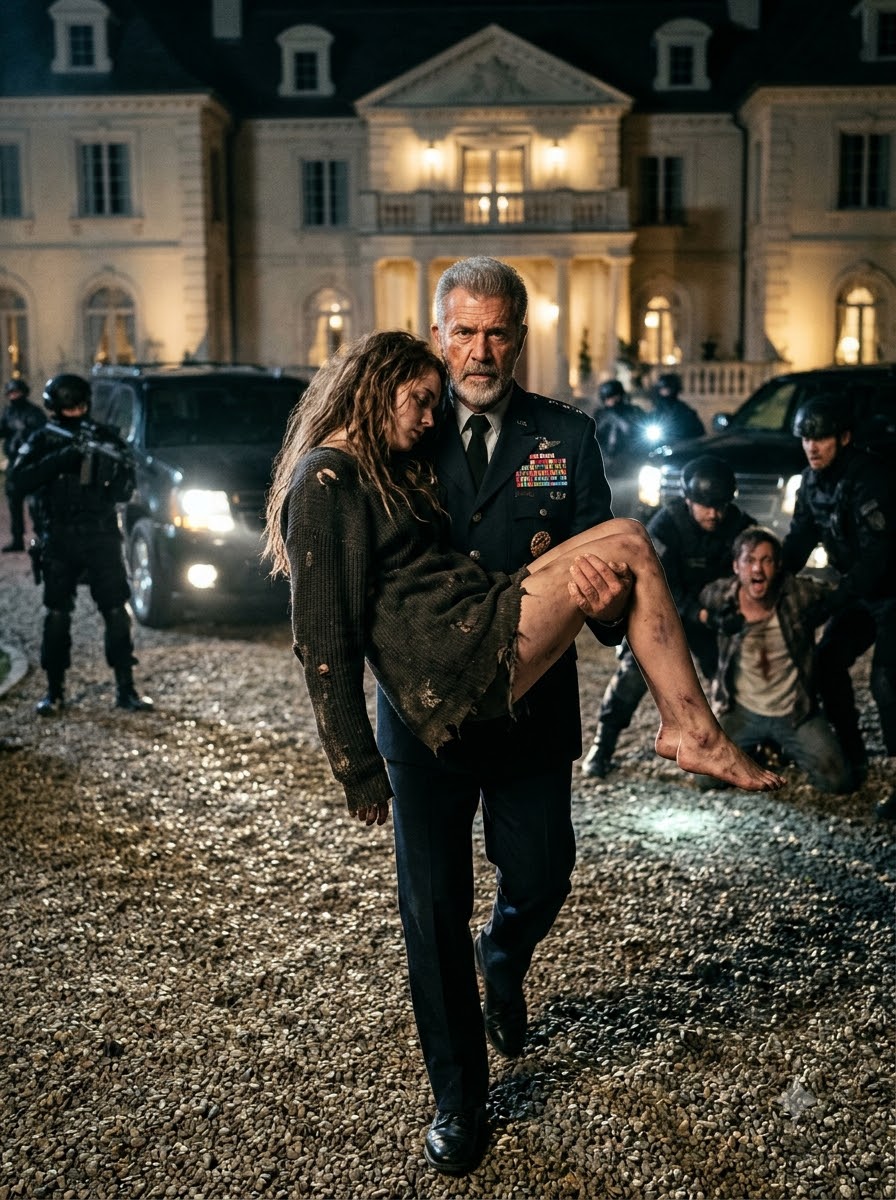
BOOM.
A linear shaped-charge blast blew the heavy iron hinges completely out of their limestone moorings. The concussive shockwave blew the inner French doors of the study inward, showering the room in a blizzard of pulverized glass and splintered wood.
The roar of the blast was immediately followed by the blinding, four-thousand-lumen flash of tactical strobes and the rhythmic, terrifying thunder of heavy combat boots sprinting across marble.
The darkness inside the brick pump house was obliterated by a sound like a lightning strike hitting ten feet away.
BANG-BANG.
Two high-velocity breaching rounds sheared the heavy exterior iron slide-bolt off the frame. The heavy wooden door was kicked inward with such force that it tore from its lower hinge and crashed onto the concrete.
I covered my face, whimpering, pressing myself into the corner between a rusty tractor axle and the damp brick wall, bracing for Arthur to return with the belt.
Instead, two blinding beams of white tactical light sliced through the dust and cordite smoke, immediately pinning me in their glare.
“Target secure! Target secure! Medical primary on me!” a deep, heavily modulated voice barked through a communications microphone.
Heavy, rapid steps crossed the floor. A massive silhouette dropped to both knees directly in front of me, heedless of the motor oil and shattered glass covering the concrete.
“Maya.”
The rifle was lowered. The heavy, gloved hands that reached out were trembling.
I looked up through my swollen, tear-crusted eyes.
The man kneeling before me did not wear a judicial robe. He wore a Kevlar helmet, ballistic eye protection, and tactical body armor bearing four subdued general’s stars. When he pulled off his goggles, I looked into the same slate-blue eyes that stared back at me in the mirror every morning of my life.
“Dad?” The word escaped my throat as a fragile, broken squeak.
“I’m here, baby,” Victor Vance whispered, his voice cracking with a fierce, terrifying wave of raw emotion. “I’ve got you. You’re safe. Nobody is ever going to touch you again.”
His massive arms slid beneath my shoulders and the bends of my knees, lifting me from the freezing concrete as if I weighed nothing at all. As his chest pressed against my back, a sharp gasp of agony escaped my lips.
Victor stopped. His hand gently touched the shredded, blood-stiffened fabric of my blouse. When he brought his tactical glove into the beam of his weapon light, his palm was soaked in dark, fresh crimson.
I felt him freeze.
The air around my father instantly turned sub-zero. A terrifying, absolute stillness washed over his massive frame. It was the stillness of an apex predator that had spotted its prey.
“Medic,” Victor said, his voice deadly quiet.
A tactical operator knelt instantly, carrying a trauma pack. “Sir.”
“Stabilize her back. Carry her to Bird Two. Do not let her feet touch the ground.”
“Understood, General.”
Victor handed me to the medic, who wrapped me in a thick, thermal foil blanket and lifted me gently. Victor stood up to his full six-foot-three height. He retrieved his rifle from the sling, racked the bolt with a sharp, metallic clack, and stepped out of the shed.
“Where are you going, Dad?” I cried out, my voice thick with panic, terrified of losing him again.
Victor paused in the doorway, his silhouette framed against the burning strobes of the helicopters hovering over the front courtyard.
“I am going to conclude legal proceedings,” he said.
The medic carried me swiftly through the ruined gardens. As we entered the shattered rear entrance of the manor, the grandeur of the house was entirely dismantled. Flashbang canisters rolled across the antique rugs, their acrid white smoke hanging like fog beneath the crystal chandeliers.
In the grand living room, the illusion of the Sterling dynasty had ceased to exist.
Julian was pinned belly-down on the parquet floor, his hands zip-tied rigidly behind his back with heavy-duty polymer cuffs. He was weeping openly, hyperventilating, his face pressed into the dirt and glass. A large, dark wet stain had spread across the front of his designer trousers; he had completely lost control of his bladder. An operator stood over him, the muzzle of an assault weapon resting casually an inch from the back of Julian’s neck.
Evelyn was huddled on the corner of the velvet sofa, trembling uncontrollably, her silk blouse torn at the shoulder, clutching a throw pillow like a shield while a combat medic calmly checked her pulse.
And in the center of the Persian rug, forced onto his knees with a tactical boot pressed firmly into his spine, was Judge Arthur Sterling.
Arthur’s face was bruised from the initial takedown. His expensive robe was shredded. Yet, even pinned beneath the boots of Tier-One operators, the malignant, arrogant delusion of his lifetime of unchecked authority burned in his eyes.
“Do you know what you’ve done?!” Arthur screamed, spitting blood onto the rug. “This is domestic terrorism! I am an appellate judge of this commonwealth! I will have every single man in this room tracked down by the marshals! You have no jurisdiction here! None!”
The heavy combat boots of General Victor Vance clicked steadily across the marble foyer.
He walked with slow, measured deliberate strides. He did not yell. He did not run. The operators parted soundlessly as Victor stepped into the center of the ruined drawing room.
Arthur looked up, his furious glare suddenly freezing as he recognized the face beneath the tactical helmet. The color drained from his skin with terrifying speed, leaving him an ashen, hollow specter.
“Vance…” Arthur breathed, his voice suddenly losing its booming authority. “You… you violated the court order. You’re under a permanent injunction—”
Victor stepped forward. He didn’t use a fist. He didn’t draw a sidearm.
He swung his heavy tactical boot directly into the side of Arthur’s jaw.
Crack.
The impact lifted Arthur off the floor, sending him sprawling sideways onto his back. Arthur choked, clutching his broken jaw, spitting two molars and a thick stream of blood onto the pristine white sofa skirt.
“Dad!” Julian wailed from the floor. “Don’t shoot us! Please, don’t shoot us!”
Victor did not look at Julian. He crouched down beside the groaning, bleeding judge, resting his forearm across his knee. He reached into a utility pouch on his chest rig and produced a heavy, military-grade encrypted flash drive bound in brushed titanium.
He dropped it onto Arthur’s chest.
“You like evidence, Arthur,” Victor said, his voice a low, gravelly rasp that made the hair on the back of my neck stand up. “You’ve spent twenty years manipulating it.”
Arthur groaned, his eyes wide with terror, staring at the small piece of metal.
“On that drive,” Victor continued calmly, “is the unredacted digital ledger from the Offshore Trust of the Cayman Islands. It contains your routing numbers. It contains the eighteen million dollars paid to you by shell corporations linked to the Sinaloa distribution network to suppress wiretap evidence in the 2021 cartel indictments.”
Arthur’s chest stopped moving. He stared at the drive as if it were an unexploded grenade.
“You thought you were dealing with a disgraced veteran,” Victor leaned in until his lips were two inches from Arthur’s ear. “You forgot who built the electronic surveillance networks your state police rely on. By 0600 hours, copies of this drive will be sitting simultaneously on the desks of the Director of the FBI, the Department of Justice’s Public Integrity Section, and the Chief Justice of the United States Supreme Court.”
Victor reached down, grabbed Arthur by the collar of his silk robe, and hoisted him up until the trembling old man was forced to look directly into his eyes.
“Your court is dissolved, Arthur,” Victor whispered. “You are going to lose your bench. You are going to lose your assets. You are going to die in a federal penitentiary in Florence, Colorado, surrounded by the very men you put behind bars.”
Victor let go. Arthur dropped to the rug like a discarded rag doll, weeping silently, his unbroken hand clawing at the carpet as his empire crumbled into dust around him.
Victor turned slowly, his eyes sweeping past Evelyn—who covered her face, unable to meet his gaze—before landing on Julian.
Julian began shaking so violently his heels drummed against the floor. “Please… please, I didn’t touch her, I swear—”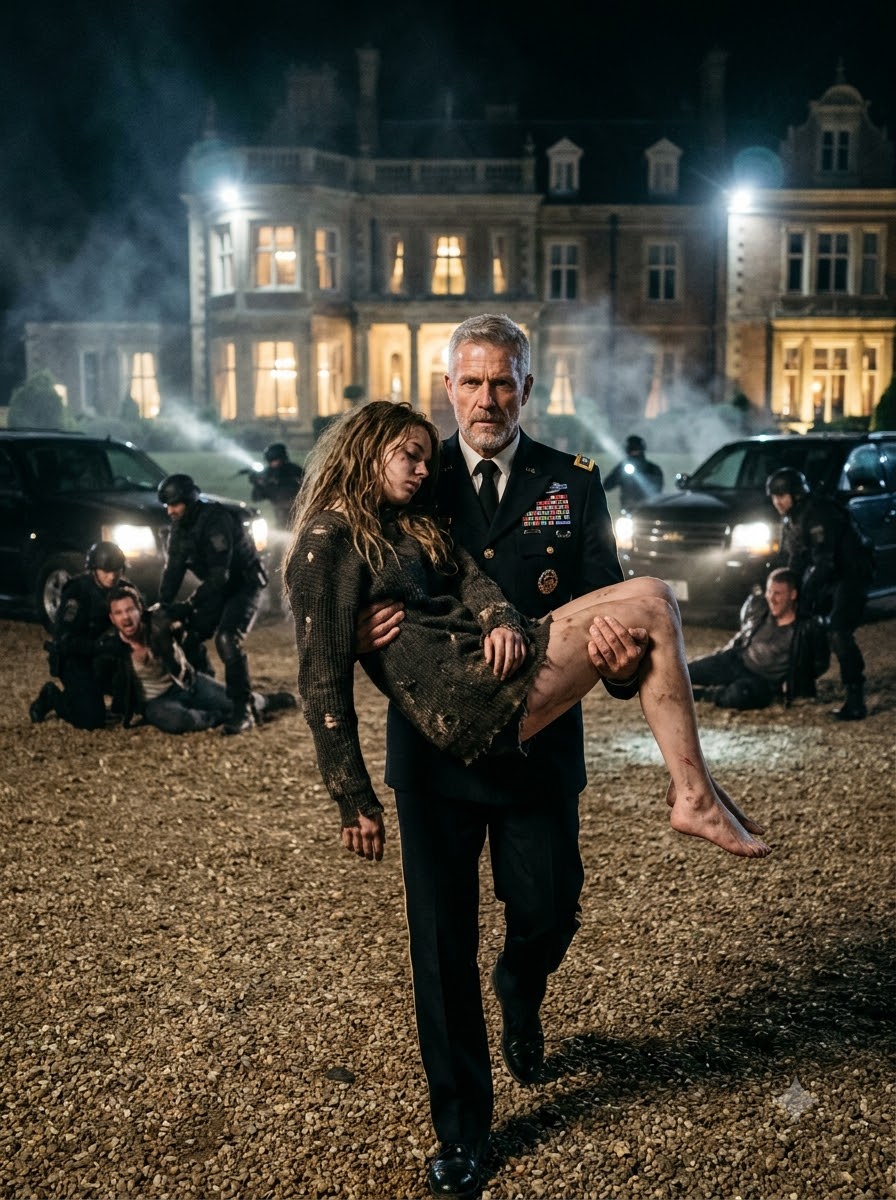
Victor walked over to him. He placed the heavy steel toe of his combat boot gently, agonizingly, onto Julian’s already shattered nose.
Julian screamed in muffled agony.
“If you ever look toward my daughter again,” Victor said with absolute, lethal simplicity, “I will not send the FBI. I will come myself.”
Victor turned his back on them. He walked over to where the medic held me in the doorway. He reached out with his bare, calloused hand, gently smoothing the hair away from my forehead.
“Let’s go home, Maya,” he said softly.
As the medic carried me through the blown-out entrance toward the roaring helicopters on the lawn, the distant, synchronized wail of thirty federal law enforcement sirens began to echo through the valley.
PART 3: The Mountain and the Crucible
The federal hammer did not fall with gentle bureaucratic restraint; it struck with the crushing velocity of an anvil.
Within forty-eight hours of our extraction from The Sterling Manor, the story dominated every national news broadcast from coast to coast. The raid on an appellate judge’s estate by federal authorities—coordinated via joint jurisdiction between the FBI and the Department of Defense’s Inspector General—was unprecedented.
The encrypted files my father delivered were an open-and-shut evidentiary casket.
I watched from a hospital bed in a secure military medical facility at Walter Reed as the television screen broadcast live footage of Arthur Sterling. Gone was the bespoke three-piece suit. Gone was the booming, theatrical baritone of the bench. Stripped of his gavel, his accounts frozen under the federal RICO statute, Arthur was led down the courthouse steps in an orange jumpsuit, his wrists and ankles bound in heavy chains, his broken jaw wired shut with surgical steel.
The bail hearing lasted four minutes. The presiding federal magistrate—a woman whose nomination Arthur had spent years attempting to derail—denied bail immediately, declaring him an extreme flight risk and an active threat to public integrity.
Julian’s end was equally pathetic. When state and federal investigators examined the manor, they didn’t just find my torn clothing and the blood-stained floorboards of the pump house; they found Julian’s private electronic devices, which contained mountains of incriminating evidence detailing years of coerced silence from young women across three college campuses. Charged with felony assault, obstruction of justice, and perjury, Julian took a plea deal that offered no probation. He was sentenced to twelve years at a high-security state correctional facility—a place where the Sterling surname was merely an invitation for retribution.
Evelyn was left with nothing. Every piece of property, every offshore account, every vehicle and piece of fine art was seized under civil asset forfeiture. Ostracized by the high-society circles that had once courted her favor, she was forced to move into a tiny, subsidized efficiency apartment on the outskirts of Roanoke.
She sent me nine letters over the next four months.
I never opened a single one.
When my physical injuries healed—the deep contusions fading into faint, horizontal silver lines across my back—my father took me away from the East Coast entirely.
He brought me to Blackwood Ridge Ranch, a secluded, three-thousand-acre property tucked deep into the jagged pine-covered mountains of western Montana. The ranch sat ten miles past the nearest paved county road, protected by natural granite ridges, towering Douglas firs, and an unyielding perimeter of absolute peace.
It was there that the rebuilding began.
My father did not treat me like fragile porcelain. He understood that coddling trauma only reinforces the prison of the victim.
“The world does not run on fairness, Maya,” Victor told me six months after the raid, as we stood together on the wooden deck of the main lodge, watching the morning mist rise off the mountain river. “The world runs on strength. The monsters exist because good people convince themselves that the law is self-enforcing. It isn’t. The law is just ink on paper unless someone has the will to defend it.”
Every morning began at 0530. We ran the mountain trails until my lungs burned with clean, alpine air and the memory of the shed’s stagnant oil vanished from my sinuses.
In the afternoons, we worked in the timber-framed barn he had converted into a private training facility. He taught me the mechanics of physical leverage—how a woman of my size could dismantle a man twice her weight using joint manipulation, center-of-gravity displacement, and decisive, uncompromising aggression. He taught me how to breathe through adrenaline, how to keep my vision wide when panic threatened to narrow it into a tunnel.
On the long-distance rifle range at the base of the ridge, he taught me ballistics, windage, and marksmanship. But more importantly, he taught me the psychology of conflict.
“A predator looks for compliance,” he said, adjusting the elbow of my shooting jacket as I lay prone behind a bolt-action rifle. “They look for the bowed head. The apology. The dropped gaze. You give them nothing. You make them understand that the cost of engaging you is catastrophic.”
I pulled the trigger. Six hundred yards away, the steel silhouette rang with a clear, sharp chime.
One afternoon, during my third year at the ranch, a registered courier drove up the dirt road, handing my father a manila envelope addressed to me from Evelyn. It was thick, stuffed with pages of handwritten apologies, claiming she was “a victim too,” begging for a phone call, asking for financial assistance from my father’s trust.
I stood beside the burn barrel near the woodshed.
My father held a lighter in his hand, watching me quietly, offering neither judgment nor direction.
“Do you want to read it?” he asked gently.
I looked down at the familiar, loopy cursive on the envelope—the handwriting that had signed the permission slips that kept me locked inside the Sterling estate, the hand that had adjusted diamond necklaces while I choked back tears at dinner.
“No,” I said, my voice steady, entirely free of malice, entirely free of pain.
I dropped the sealed envelope into the iron barrel. My father touched the flame to the dry pine shavings at the bottom. We watched in silence as the paper curled, blackened, and disintegrated into gray ash that drifted up toward the Montana sky.
That evening, I sat at the heavy oak desk in the lodge library, staring at the thick application packet spread out before me.
It was not a business school application. It was not a private arts portfolio.
It was the application for the Georgetown University Law Center.
Seven years later.
The high-arched limestone corridors of the Robert F. Kennedy Department of Justice Building in Washington, D.C., were cool despite the sweltering July heat radiating off the National Mall outside.
I walked down the fifth-floor corridor, the sharp, authoritative click of my heels against the terrazzo tile echoing off the vaulted ceilings. I wore a tailored charcoal-gray wool suit, my hair pulled back into a severe, professional knot. Beneath the crisp silk of my cream blouse, the silver scars on my back were entirely hidden—no longer open wounds, but a permanent suit of armor woven directly into my flesh.
In my right hand, I carried a heavy, monogrammed leather trial briefcase bearing the seal of an Assistant United States Attorney.
At twenty-eight years old, I had spent the last three years serving as a lead trial attorney in the Public Integrity Section—the elite, specialized division within the Criminal Division tasked with hunting down corrupt judges, compromised federal law enforcement officials, and dirty politicians who weaponized public trust for personal cruelty.
I pushed open the heavy brass-handled doors of Courtroom 4B.
Inside, the defense table was occupied by Senator David Vance-Miller—no relation to my father, though he had spent twenty years pretending he carried the honor of a statesman. Beside him sat four white-shoe defense attorneys whose hourly rates exceeded the average American’s monthly income. They had spent seven weeks trying to bury a paper trail of foreign kickbacks and judicial tampering beneath fifty thousand pages of procedural motions.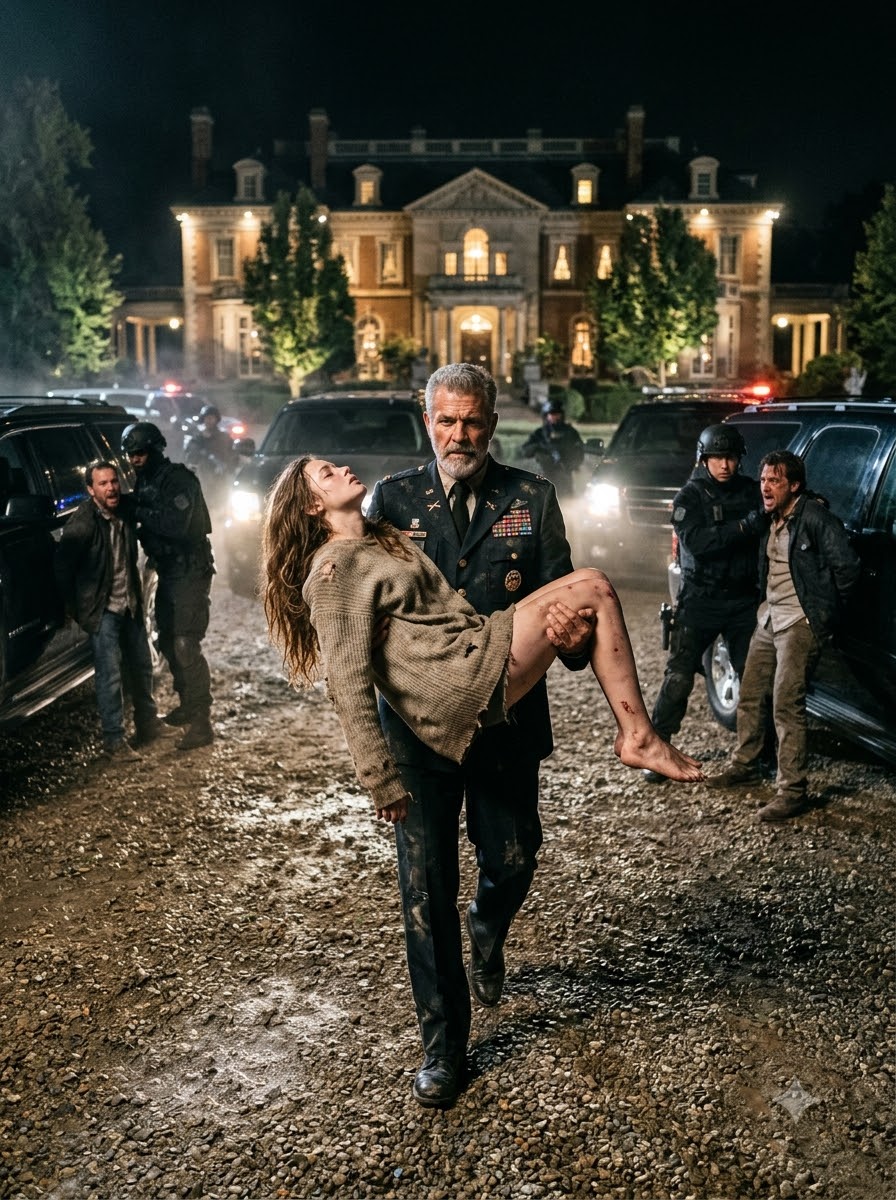
They had failed.
The jury filed in, their faces solemn, their gazes refusing to meet the eyes of the defense.
“Madam Foreperson,” the federal judge intoned from the bench. “Has the jury reached a verdict?”
“We have, Your Honor.”
I stood at the prosecution table, my spine straight, my hands resting lightly upon the polished oak surface. I didn’t fidget. I didn’t look away.
“On Count One, Conspiracy to Defraud the United States: Guilty. On Count Two, Honest Services Wire Fraud: Guilty. On Counts Three through Twelve, Bribery of a Judicial Officer: Guilty.”
Across the aisle, the Senator slumped into his leather chair, the blood draining from his face, looking suddenly frail, small, and utterly broken. His high-priced lawyers frantically scribbled meaningless notes, their arrogance vaporized by the unyielding weight of the federal code.
I felt no wild surge of triumph. No petty celebration. Only the quiet, profound satisfaction of a craftsman who had built a cage precisely to the dimensions of the monster it was designed to hold.
An hour later, having completed the post-verdict press conference on the courthouse steps without smiling for a single camera, I walked out through the soaring marble rotunda of the Department of Justice’s grand entrance.
Standing near the heavy brass security turnstiles, dressed in an impeccably tailored dark civilian suit, his posture as imposing and unyielding as a mountain ridge, was my father.
His hair was entirely silver now, the lines around his slate-blue eyes carved a little deeper by the passage of years. But his presence still commanded the room; two Capitol Police officers nodded to him with instinctive, respectful deference as they passed.
When he saw me approach, the stern, battle-hardened lines of his face softened into an expression of quiet, absolute pride.
“A clean sweep, Counselor,” Victor said, his deep voice carrying a rare, warm smile as he reached out, pulling me into a brief, powerful embrace that smelled of cedar, crisp linen, and home.
“Twelve for twelve, Dad,” I replied, stepping back, looking up into the eyes of the man who had brought a war machine to save me from a garden shed.
“How does it feel?” he asked quietly, walking beside me as we pushed through the heavy revolving doors into the brilliant, golden afternoon sunlight of Constitution Avenue.
I looked out across the city—at the towering dome of the Capitol, the gleaming monuments of white marble, and the thousands of people moving through the streets below.
I thought of the terrified eighteen-year-old girl curled in the dirt, bleeding into the oil of a cold concrete floor, waiting for the darkness to swallow her whole. I thought of Arthur Sterling’s arrogant proclamation that the law belonged to him.
Men like Arthur, men like Julian, and men like the corrupt politicians I sent to federal prisons every month operate under a fatal misunderstanding of the universe. They believe that power is derived from the title on their door, the silk of their robes, or their ability to inflict suffering upon those who cannot fight back. They believe that cruelty is strength.
They never understand that true power does not lie in the ability to break another human being.
True power is the unshakeable fury of a father who will tear the sky apart to protect his child. And true power is the survivor who takes the broken pieces of the life they were given, walks through the fire, and returns as the architect of retribution.
“It feels like order, Dad,” I said, slipping my arm through his as we walked down the stone steps together. “It feels like justice.”
