

Part 1: The SUV That Disappeared
I came home from a three-day business trip and discovered that my SUV was missing.
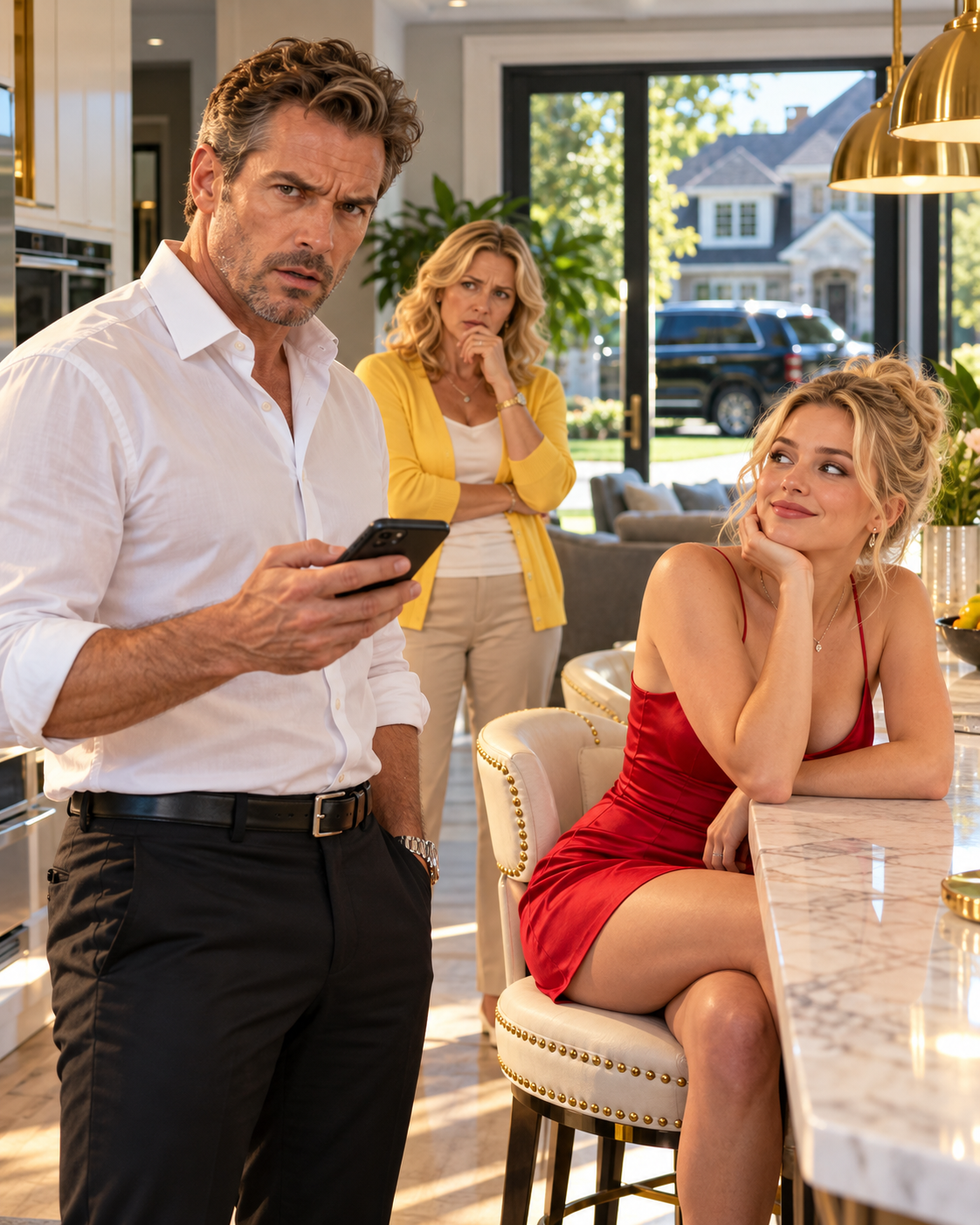
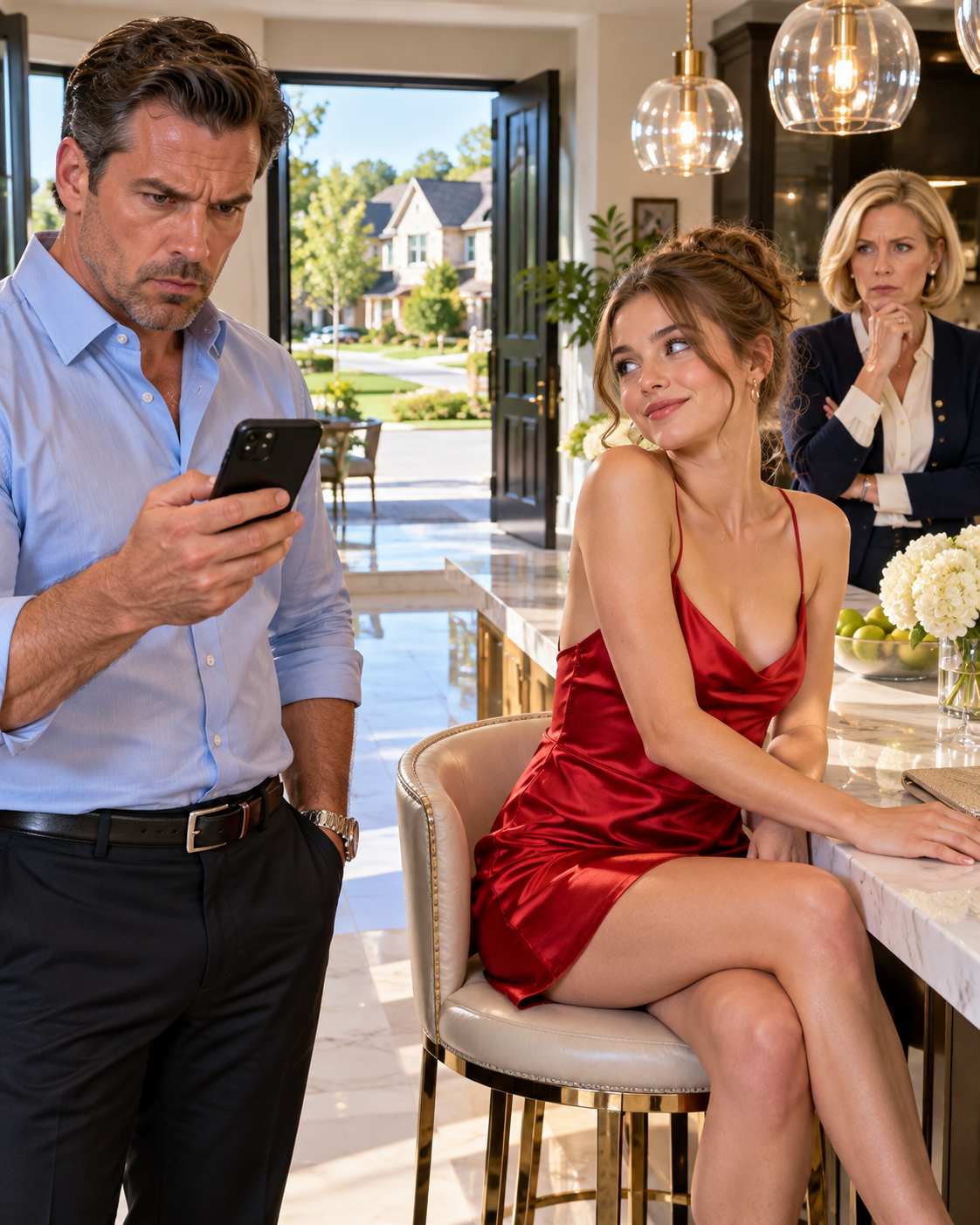
My twenty-two-year-old stepdaughter, Madison, was sitting at the kitchen island, casually scrolling through her phone.
When I asked where my vehicle was, she barely looked up.
“Dad needed it more than you did.”
Then she smiled.
“You can’t take it back anyway. He has paperwork.”
I should have been furious.
Instead, I walked into my home office and opened the drawer where I kept the vehicle title.
The folder was gone.
And when I realized what Madison had done, I smiled.
Because she had just made a mistake far more serious than taking my car without permission.
My name is Ethan, and until that afternoon, I believed I understood the family I had spent eight years helping support.
Apparently, I was wrong.
The first thing I noticed when I pulled into the driveway was the empty space beside the garage.
My black GMC Yukon should have been parked there.
I had purchased it eighteen months earlier for forty-eight thousand dollars using my own money.
The title was in my name.
So were the registration, insurance policy, and loan payoff documents.
Nobody else owned any part of it.
Yet the vehicle was gone.
I walked inside, expecting a reasonable explanation.
Instead, I found Madison sitting comfortably at my kitchen island.
She looked completely unconcerned.
“Where’s the Yukon?” I asked.
She shrugged.
“Dad needed it more than you did.”
For a few seconds, I genuinely thought she was joking.
“You gave Derek my SUV?”
She rolled her eyes.
“Don’t be dramatic, Ethan. He doesn’t have a reliable car.”
Before I could respond, my wife, Laura, entered the kitchen carrying grocery bags.
The moment she saw my expression, she looked away.
That told me almost everything.
“You knew?”
Laura placed the bags on the counter.
“Madison asked me. I told her maybe you’d understand.”
“Maybe?”
“She’s twenty-two,” Laura snapped. “She wanted to help her father.”
I stared at both of them.
Apparently, being generous was easy when the gift belonged to someone else.
Madison folded her arms.
“Besides, Derek said you barely need it. You have the company sedan.”
I almost laughed.
The company sedan was assigned for business travel.
It wasn’t a replacement for my personal vehicle.
But I knew explaining that wouldn’t matter.
Derek, Madison’s biological father, had disliked me since Laura married me eight years earlier.
He called me “Mr. Spreadsheet” because I worked in corporate risk management.
At family gatherings, he liked reminding everyone that he had been Laura’s “first real man.”
I usually ignored him.
His comments were childish, and I had never considered him worth arguing with.
Madison, unfortunately, had learned a great deal from him.
For years, she treated me as though my primary role in the family was to pay for whatever she needed.
When her tuition payment was overdue, she called me.
When she needed an apartment deposit, she came to me.
When her laptop broke, I bought another.
But whenever I expected basic courtesy, I became controlling.
I had tried to be a good stepfather without pretending to replace Derek.
I respected the fact that Madison already had a father.
I simply wanted to be another adult she could rely upon.
Somewhere along the way, that willingness to help had turned into an expectation that I would provide anything she demanded.
Including, apparently, my SUV.
I took out my phone.
“Where is the Yukon?”
Madison smirked.
“Dad drove it to his place.”
“Did you give him the keys?”
“Yes.”
“Anything else?”
Her smile widened.
“The spare too.”
Laura stepped closer.
“Ethan, please. Don’t turn this into some police situation.”
I looked at her.
That was an interesting choice of words.
Because neither of them knew something important about my work.
Six months earlier, I had been promoted to regional fraud investigator.
I dealt with fraudulent transfers, forged documents, and suspicious financial transactions.
Vehicle-title fraud wasn’t unfamiliar territory.
I understood how ownership records could be manipulated.
I also understood how quickly a careless person could leave evidence behind.
And Madison had apparently done much more than take my keys.
The locked drawer in my home office was slightly crooked.
It had been perfectly aligned when I left.
I walked into the study.
Madison followed me.
I opened the drawer.
The folder containing my vehicle title was missing.
Behind me, she spoke with unmistakable satisfaction.
“You can’t take it back anyway.”
I turned.
“Why not?”
She smiled.
“Because Dad already has paperwork saying it’s his.”
For a moment, I simply looked at her.
She seemed proud of herself.
She genuinely believed that possessing a piece of paper meant Derek now owned my vehicle.
My anger began to disappear.
There was no point arguing with someone who had just admitted to something so serious.
Evidence would matter far more than shouting.
I smiled.
“Good.”
Madison frowned.
“Good?”
I picked up my phone.
“Now I know exactly what you did.”
She stopped smiling.
Laura asked what I meant.
I didn’t answer.
Instead, I walked past them and went upstairs.
I needed time to think.
More importantly, I needed to establish exactly what had happened before either of them realized how much trouble they were in.
That evening, I reviewed the security system.
I had installed cameras throughout the property after several break-ins occurred in our neighborhood.
One camera monitored the hallway outside my office.
Another covered the office interior.
The recordings were stored securely.
I opened the footage from the days before my trip.
And there she was.
Madison.
At 11:43 p.m., two nights before I left, she entered my office using the emergency key Laura kept.
She walked directly to my desk.
Opened the drawer.
Removed the title folder.
Then sat down.
I watched her take out a pen and begin practicing my signature.
Once.
Twice.
Again.
Nine attempts.
On the tenth, she apparently decided the imitation was convincing enough.
She signed the transfer paperwork.
I watched the recording twice.
The missing vehicle was one thing.
But seeing Madison deliberately practice my signature hurt in a way I hadn’t expected.
I remembered paying her community-college tuition when Derek refused.
I remembered helping her move into her first apartment.
I remembered covering the deductible after she wrecked her old Honda.
And I remembered the argument when she screamed, “You’re not my father.”
She was right.
I wasn’t her biological father.
But for eight years, I had tried to show up for her anyway.
Apparently, I counted as family whenever money was involved.
I saved the footage.
Then I began documenting everything else.
I wasn’t going to let anyone turn this into a disagreement about whether I had been generous enough.
My vehicle had been taken.
My signature had been forged.
And the people responsible seemed convinced that I would simply accept it.
They were about to discover how wrong they were.
