

Part 1: The Man in the Photograph
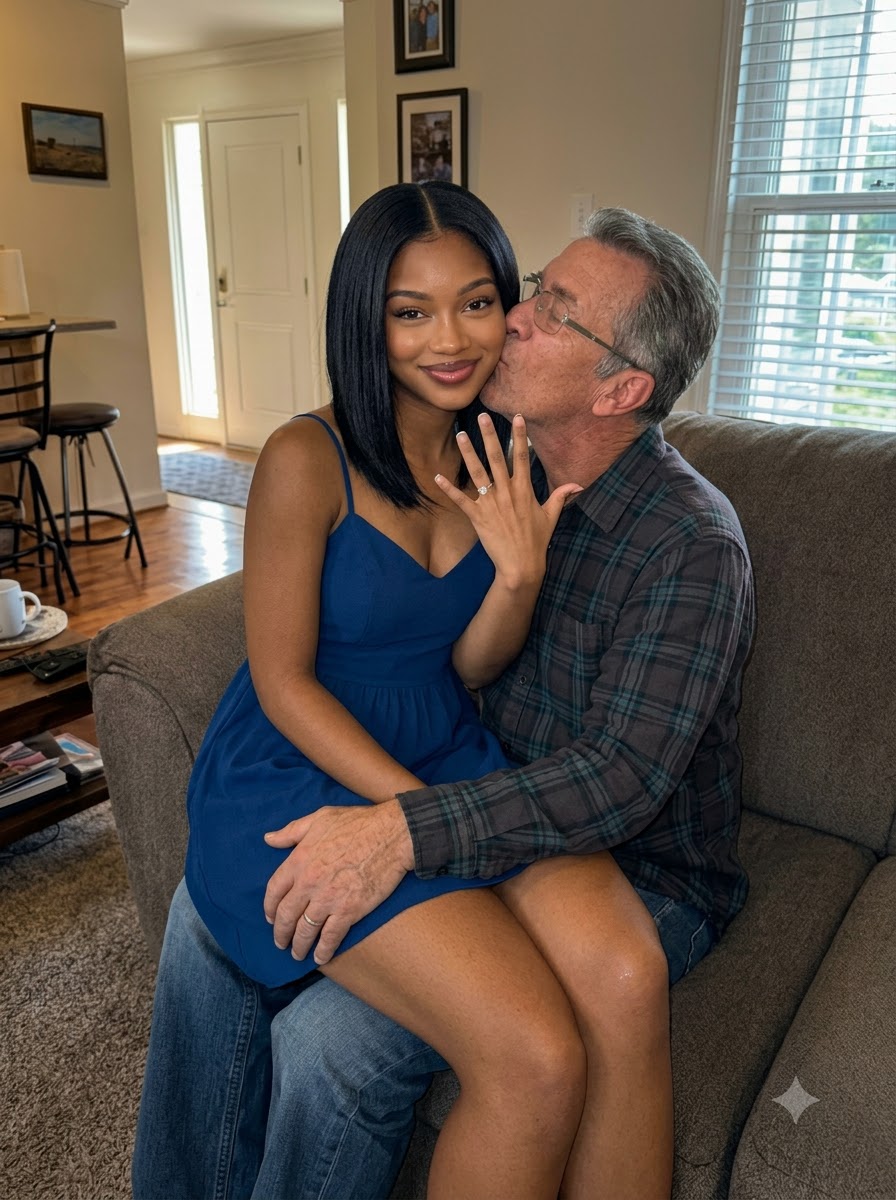
The second I saw my daughter standing beside a silver-haired man old enough to be her father, I was prepared to accuse her of being a gold digger.
My name is Elena, and I raised Chloe by myself.
I cleaned homes, worked extra shifts, skipped meals, and continued wearing shoes long after the soles had worn thin.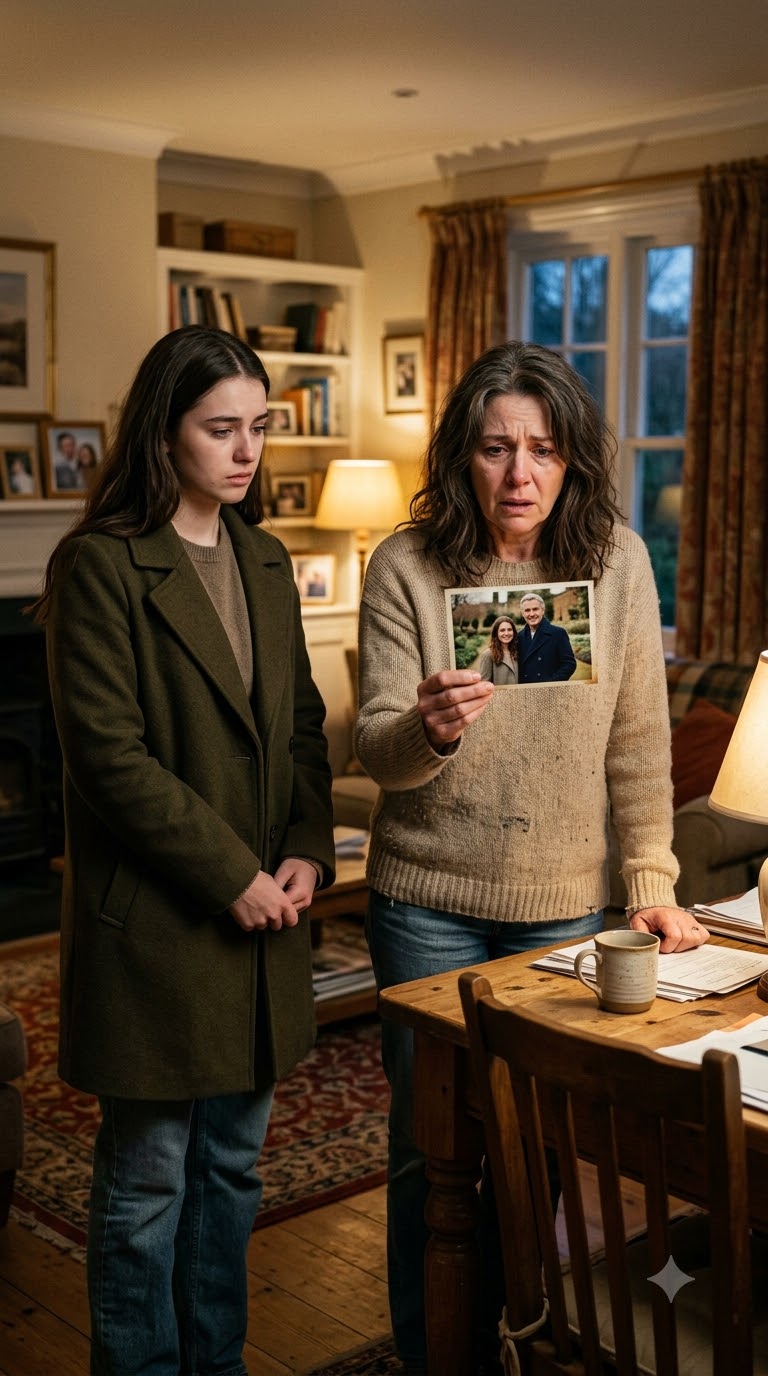
Every sacrifice felt worth it because Chloe was kind-hearted and determined to create a better future.
When she enrolled in a London nursing program, I sent her away with every bit of savings I had.
In the beginning, she called me every night, telling me about the cold weather, challenging classes, and feeling alone.
Whenever she worried she would fail, I reminded her that one exam could never decide her entire future.
After a few months, her calls grew shorter and she seemed distracted. Then one day, she told me she was coming back home.
One week before her flight, she sent me a photograph.
She was standing on a London sidewalk beside an older man wearing an expensive coat, his hand resting gently on her back.
Before I had the chance to respond, Chloe called.
“Mom, please don’t shout.”
“What happened?”
“I got married.”
“To that man?”
“Yes. His name is Arthur.”
I demanded to know his age.
“Fifty-six.”
Chloe was only twenty-two.
I broke down.
I accused her of giving up her future and allowing a wealthy older man to purchase her devotion.
She didn’t fight back. She only asked me to wait until she returned home.
For an entire week, I pictured diamonds, luxury apartments, and a daughter who had mistaken wealth for love.
But when Chloe walked through the airport entrance, nothing looked the way I had imagined.
She wore no expensive jewelry and looked pale, exhausted, and much thinner.
Once we were home, I confronted her.
“Did you marry him for money?”
Instead of replying, she placed an old hospital receipt on the kitchen table.
It was from the hospital where I received cancer treatment ten years earlier. The payment section said: paid in full by an anonymous donor.
“Turn it over,” Chloe whispered.
On the back was a unique signature.
“I saw that signature during my hospital placement,” she said. “It belonged to Arthur.”
Part 2: The Truth About the Marriage
Chloe told me Arthur had financed a hospital program that secretly covered treatment expenses for patients who could not afford them.
He never knew my name, but I was one of the people he had helped.
The stranger I had prayed for and thanked for ten years was now my daughter’s husband.
“He saved my life,” I whispered.
“Yes,” Chloe said. “But that isn’t why I married him.”
Arthur was suffering from late-stage heart failure, and his three wealthy adult children wanted control over his estate, medical choices, and property.
As his condition became worse, they attempted to have him declared incompetent and placed in a cheap facility with a terrible reputation.
Arthur was still mentally clear, but physically weak and nearly completely alone.
His children rarely came to see him unless their lawyers were involved.
Chloe first met him as a patient.
She monitored his vital signs and remained by his side through many sleepless nights. While arranging his paperwork, she recognized the signature from my receipt.
When she told Arthur that the woman he once helped was her mother, he cried. He remembered my case number and asked only one thing.
“Did your mother live?”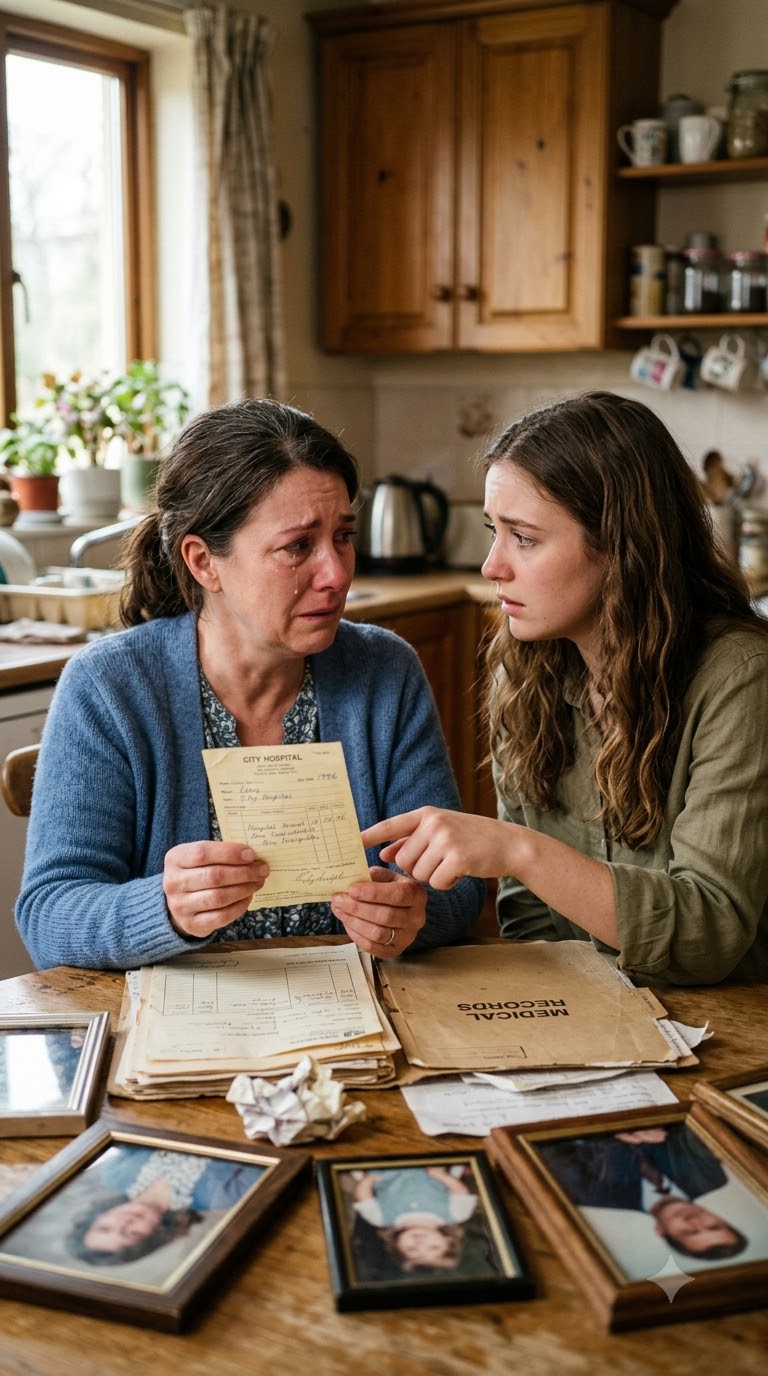
When Chloe answered yes, he closed his eyes in relief.
At that moment, Arthur’s children were preparing for a competency hearing.
His solicitor warned that they could soon decide where he lived and what care he received.
Arthur trusted Chloe because she listened to him while everyone else viewed him as an inheritance waiting to be divided.
Marriage gave her legal authority that his children could not easily dispute. After doctors confirmed Arthur understood his decisions, he married Chloe and gave her power of attorney.
“You married a dying man to protect him,” I said. “I married a good man so he wouldn’t die surrounded by people waiting for his money.”
Shame overwhelmed me instantly. I remembered every harsh accusation I had made.
Chloe confessed that Arthur’s children had called her even worse things and accused her of manipulation, mistreatment, and greed. She stayed quiet because the truth was far too complicated to explain during a phone call.
I hugged her in the same kitchen where I used to prepare her school lunches, and we cried together.
A week later, I flew to London. Arthur was sitting in a wheelchair by the window, covered with a wool blanket. His face looked exhausted, but his mind was still sharp.
I knelt beside him and tried to thank him for saving my life.
“You already thanked me,” he said, glancing toward Chloe. “You raised her.”
I spent three weeks there, watching Chloe handle his medication, communicate with doctors, and remain beside him through the hardest nights.
What they shared was loyalty, gratitude, respect, and a quiet kind of love.
Part 3: The Final Battle
During the court hearing, Arthur’s children walked in wearing dark suits and confident expressions.
Their lawyer claimed Chloe had chosen a wealthy, vulnerable man and manipulated him into marriage.
But Chloe came prepared.
She provided medical assessments confirming Arthur’s ability to make decisions, signed documents, recorded statements, and testimony from doctors, nurses, and his solicitor. Every piece of evidence proved he fully understood his choices.
When Chloe spoke, her voice stayed calm.
“I did not isolate Arthur. His family abandoned him long before I entered his life. I protected his decisions after they stopped caring what he wanted.”
Then Arthur spoke before the court.
His voice was slow but clear. He said his children talked about his death as if it had already happened. They saw assets and money; Chloe saw a person.
“She did not dishonor me by becoming my wife,” he said. “She became the family I no longer had.”
Then he looked at the judge.
“I am not confused. I am dying. Those are not the same thing.”
The petition was rejected.
Arthur stayed in his own home, made his own medical decisions, and avoided the facility his children wanted him placed in.
Four months later, he passed away in his own bed, with gentle music playing and Chloe and me beside him.
His final words to me were, “You were worth saving.”
To Chloe, he said, “Do not let them make you hard.”
After the funeral, Chloe and I sat quietly in the car. Eventually, I asked if she had truly loved him.
“Yes,” she answered.
“What kind of love?”
“The kind you feel for someone who proves goodness can be quiet. The kind you feel for a man who gave me back my mother before he knew either of us. The kind that makes you refuse to let someone die alone.”
I held her hand and admitted that I had been completely wrong.
“You were afraid,” she said.
“I was judgmental.”
“But you learned.”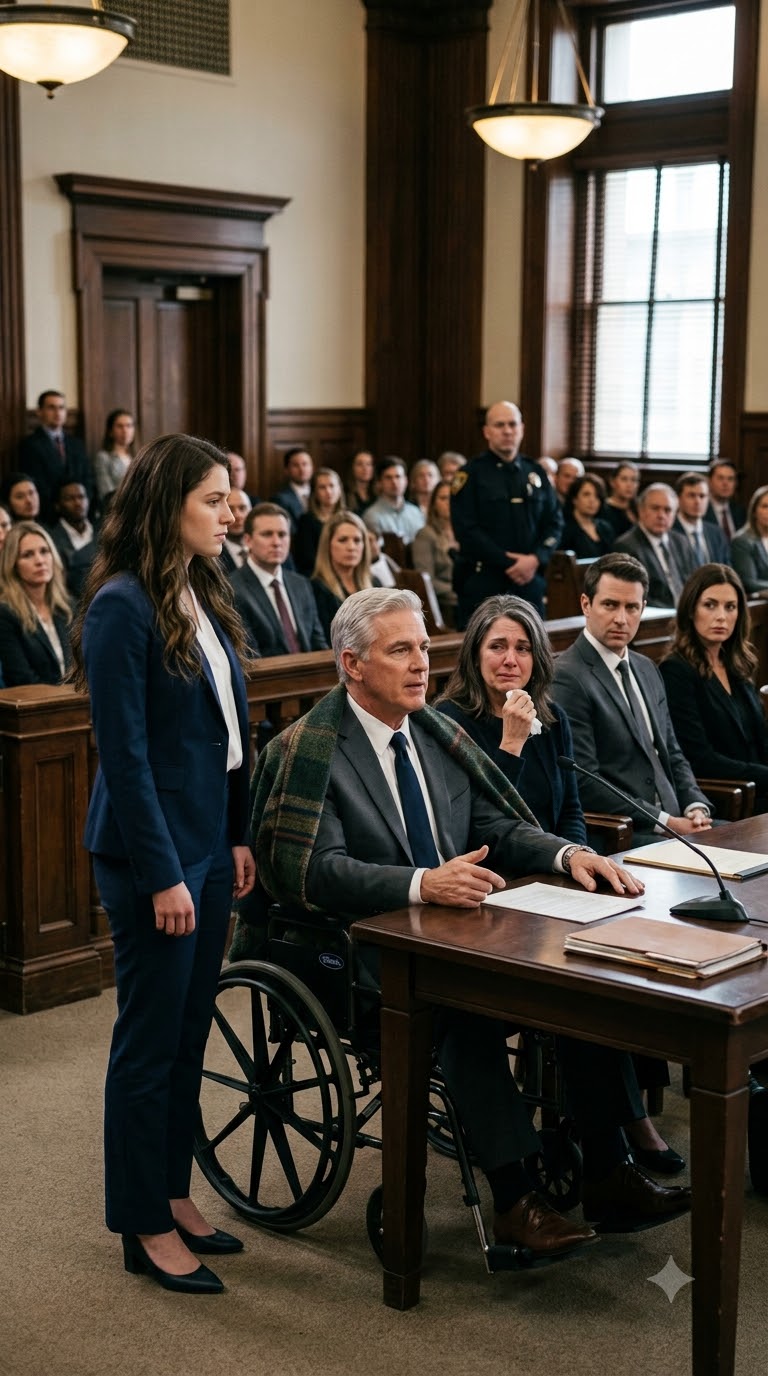
I had believed my daughter married a man more than twice her age because of his money.
The truth was that she stepped into a legal fight to protect a dying man’s home, medical decisions, and dignity.
She stood up for the stranger who had once saved my life while his own children viewed him only as an inheritance.
I still regret the things I said before I knew the truth. But shame can transform someone when they are willing to confront it.
I gave everything I had to help Chloe become a nurse.
She became something far greater than I ever expected—brave enough to become family to a man whose own family had abandoned him.
