

1. THE NIGHT THEY LEFT ME IN THE SNOW
The final words my father spoke before closing the limousine door were not a warning, an apology, or even a last piece of advice.
They were meant to erase me completely.
“You have ten minutes to disappear before anyone recognizes you.”
I was only seventeen, standing on an icy sidewalk near Central Park with a positive pregnancy test hidden inside my coat pocket and twenty-three dollars tucked beneath my glove. Snow drifted down in thin, unforgiving flakes—the kind that looked magical from luxury penthouse windows but felt like punishment when you had nowhere left to go. My father, Conrad Whitcomb, stared at me through the limousine’s tinted glass with the same cold expression he used while dismissing executives. My mother, Vivian, never even looked up. She kept her eyes on her phone, one gloved finger gliding across the screen as though her own daughter had become nothing more than an inconvenient interruption to her schedule.
That was the night the Whitcomb family decided I no longer existed.
**Advertisements**
For the next twenty-one years, they honored that decision with remarkable consistency. They erased me from Christmas cards, charity speeches, foundation records, and every elegant conversation held beneath crystal chandeliers. Whenever anyone asked about Conrad Whitcomb’s only daughter, the chairman of Whitcomb Medical Holdings, they first claimed I had moved overseas, then eventually stopped mentioning me altogether. In their world, disappearance could be polished until it resembled respectability.
I survived because a woman named Marisol Vega found me crying inside the restroom of a twenty-four-hour diner in Queens. She owned the diner, wore orthopedic shoes, carried the comforting scent of coffee and cinnamon, and possessed the sharpest tongue I had ever encountered. She asked how many months pregnant I was, where my parents had gone, and whether I had eaten anything that day. When I couldn’t answer without trembling, she locked the cash register, placed a bowl of hot soup in front of me, and spoke the sentence that became the foundation of my second life.
“Blood can abandon you, sweetheart, but a kitchen never asks for paperwork before feeding someone.”
Marisol became my legal guardian before my eighteenth birthday, stood beside me throughout a difficult pregnancy, taught me payroll, inventory, bookkeeping, and how to keep my head held high when others expected shame to bend my back. My son, Mateo, entered the world during a rainstorm in a public hospital, red-faced, furious, and wonderfully alive. I deliberately gave him a name that belonged to no one in the Whitcomb family.
By the time he turned twenty-one, Mateo Vega Mitchell had become one of the youngest cardiac surgery fellows at Columbia Presbyterian, the type of physician whose talent earned reluctant admiration even from senior surgeons. He was brilliant, disciplined, impatient with arrogance, and completely incapable of believing that money mattered more than human life.
That was the reason my parents returned.
Not for me.
Never for me.
They came because the child they once labeled an embarrassment had grown into someone whose name suddenly carried value.
**2. THE GRANDPARENTS AT THE HOSPITAL DESK**
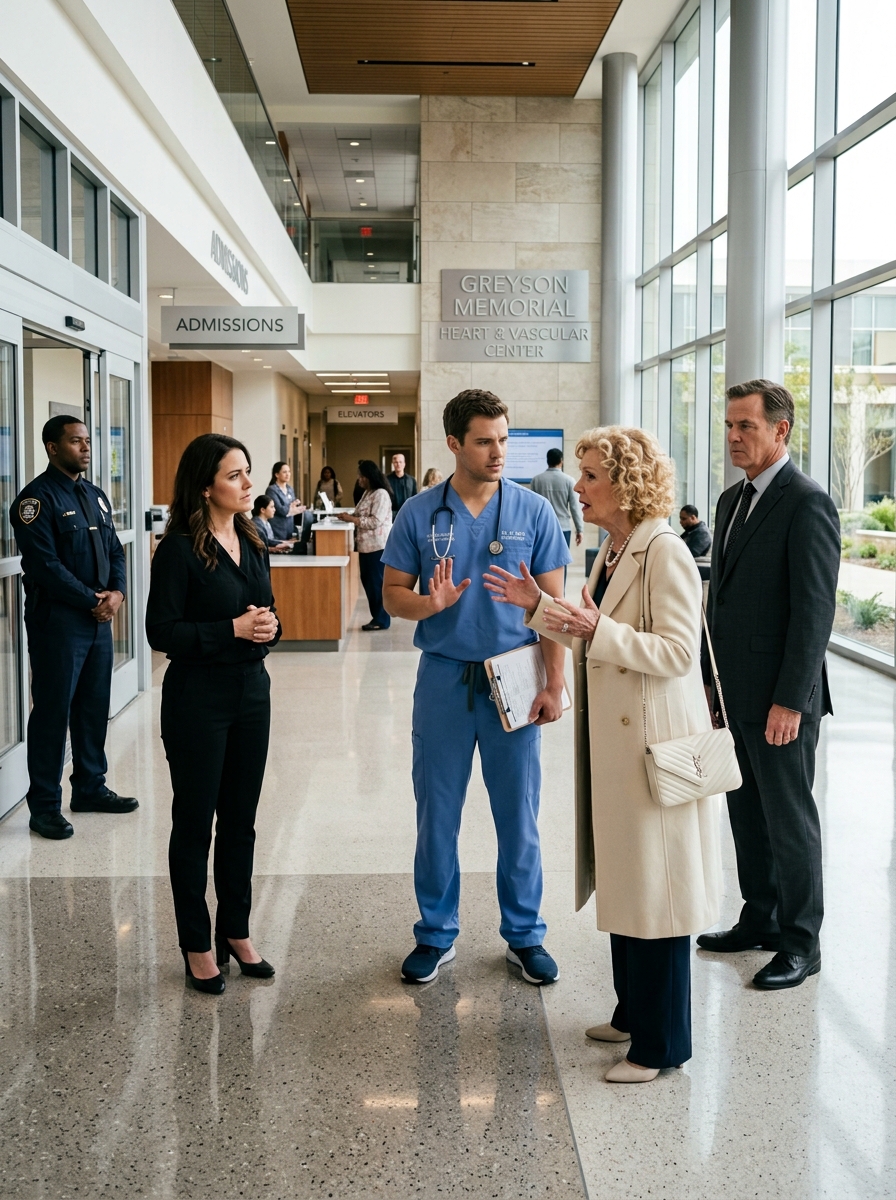
I spotted them first through the glass entrance doors of the hospital lobby.
My mother walked inside wearing a cream-colored wool coat, pearls, and the exact lipstick she had worn the night she watched me disappear into the snow. My father followed behind in a dark tailored suit, casually adjusting a watch that likely cost more than Marisol’s diner had earned during its hardest year. They had not aged the way ordinary people do. Instead, they appeared preserved, as though wealth had embalmed everything except their souls.
That afternoon I was serving as operations director for the surgical wing, reviewing staffing schedules beside the reception desk, when my mother addressed the young receptionist with the same regard one might give a piece of furniture.
“We are here to see Dr. Mateo Mitchell. He is our grandson, and we expect to be shown in immediately.”
The receptionist glanced toward me with visible uncertainty.
I stepped forward before my mother could continue.
“Good afternoon, Vivian.”
She turned toward me, and for one remarkable second, recognition crossed her face before contempt quickly concealed it.
“Lena,” she replied, using the childhood nickname she no longer deserved to speak. “We heard you worked somewhere in this building. How practical for you.”
My father’s eyes moved slowly across my hospital badge, my modest black dress, and the comfortable shoes I wore through twelve-hour shifts.
“We are not here to argue,” he said flatly. “We have come to meet the young man who carries our bloodline.”
I nearly laughed aloud.
“Your bloodline? You mean the baby you called a liability before abandoning me outside in a snowstorm?”
The receptionist lowered her gaze.
A nurse standing at the medication station stopped typing.
My father’s jaw tightened.
“This is not the place for emotional theater.”
“That is interesting, because abandoning your daughter in public apparently seemed like the appropriate place for family policy.”
Before he could answer, the elevator doors slid open.
Mateo stepped into the lobby wearing blue surgical scrubs, a face mask hanging from one ear, and hair flattened beneath the marks of a surgical cap after nearly eleven exhausting hours inside the operating room. A cup of vending-machine coffee rested in one hand while patient charts filled the other. Fatigue lingered beneath his eyes, yet the atmosphere of the entire lobby shifted the moment he appeared. Nurses nodded respectfully. Residents stepped aside instinctively. Respect followed him naturally without anyone needing to introduce him.
The instant my mother saw him, she transformed completely.
She lifted both hands toward her chest, her expression melting into a grandmotherly performance so artificial it made my stomach tighten.
“Mateo,” she breathed. “My beautiful grandson. We finally found you.”
Mateo stopped walking, looked at them briefly, then turned his eyes toward me.
“Mom, who are the overdressed people blocking the desk?”
I pressed my lips together.
“Those are Conrad and Vivian Whitcomb.”
His expression immediately sharpened.
“The Central Park people?”
My mother flinched before recovering almost instantly.
“Darling, we were misled for years. Your mother allowed bitterness to keep us apart, but we are ready to give you the place you deserve in this family.”
Mateo took a slow sip of his awful coffee.
“I already have a family.”
My father stepped forward, speaking in the commanding tone that had intimidated corporate boardrooms for decades.
“Young man, you would be wise to understand what the Whitcomb name can offer. Research grants, surgical fellowships, hospital appointments, private foundations, influence that your mother could never provide.”
Mateo carefully placed his coffee cup on the counter.
“My mother gave me everything that mattered before I knew how to spell influence.”
My mother reached toward his arm.
He stepped away.
“Do not touch me.”
The lobby fell completely silent.
“Mateo,” she whispered, wounded now only because her performance demanded it. “I am your grandmother.”
“No. Marisol Vega was my grandmother. She taught me multiplication at the diner counter, packed my lunch for anatomy camp, and threatened to chase away any college recruiter who ever spoke disrespectfully to my mother. You are a stranger with jewelry.”
My father’s face turned red.
“We donated twenty million dollars to this hospital’s expansion fund. If we request a private meeting with our grandson, this institution will provide one.”
The head of hospital security approached, already looking toward me for instructions.
I met his eyes.
“Please escort Mr. and Mrs. Whitcomb from the surgical wing.”
My father looked as if reality itself had taken offense at him.
“You will regret this.”
My mother’s voice climbed sharply as security escorted them toward the exit.
“She poisoned him against us. Everyone will know what kind of daughter she is.”
Mateo lifted his coffee again.
“Good,” he said. “Let them know what kind of parents they were first.”
**Advertisements**
### 3. THE STORY THEY TRIED TO SELL
By that same evening, my parents had already gone to the media.
I returned home to find my husband, Andrew Mitchell, in the kitchen with his tie undone and a legal pad resting beside his open laptop. Andrew was a civil litigation attorney with a composed expression and a mind that dismantled pretense with precision. He had married me when Mateo was eight, legally adopted him two years later, and never once treated love as something conditional.
Mateo sat at the table, scrolling through headlines with a look of cold disgust.
“They are on television,” he said.
On the screen, my mother stood outside a Fifth Avenue hotel, pressing a silk handkerchief to dry eyes that produced nothing real.
“We made mistakes when our daughter was young,” she told reporters. “We were too strict, perhaps too proud, but we have begged for reconciliation. She has denied us access to our only grandson for two decades out of personal resentment.”
My father stood beside her, composed and gray with practiced sorrow.
“We only want healing,” he said. “We want our grandson to understand his heritage.”
I switched off the television before my coffee mug could leave my hand.
Andrew closed his laptop.
“They are shaping public opinion before filing for visitation through the courts.”
“Can they do that?”
“They can file anything. Winning is another matter entirely.”
Mateo leaned back slightly.
“They are not my legal grandparents in any meaningful sense, right?”
Andrew gave a faint, knowing smile.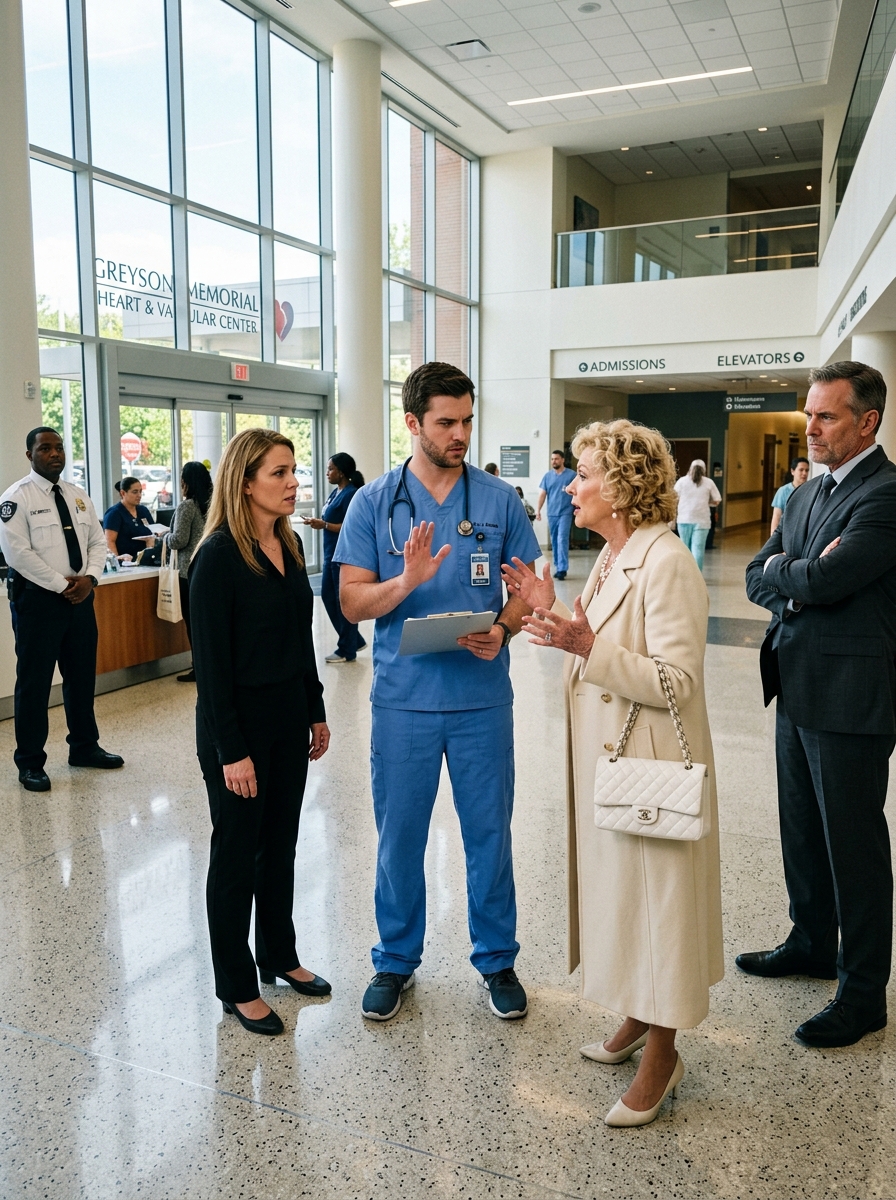
“That depends on how carefully Marisol prepared everything.”
He walked into the study and returned with a worn beige folder I had not touched in years. Inside were documents Marisol had guarded as if they were sacred: guardianship papers, adoption filings, notarized declarations, and a court order dated October 2005.
Andrew placed the final page on the table in front of me.
The signatures of my parents were there, sharp and precise beneath language that felt like Marisol had anchored my future in ink.
The biological parents voluntarily, permanently, and irrevocably relinquish any and all parental, custodial, visitation, inheritance, and familial claims regarding Lena Whitcomb and any biological descendants born to her.
My breath caught.
“She protected Mateo before he was even born.”
Andrew nodded once.
“Your parents didn’t just sign away you. They signed away any claim tied to your future children. They did it to avoid scandal, and now that same decision will undo them.”
Then he played the recorded audio from the attorney’s office where the agreement had been finalized.
My father’s younger voice filled the room.
“We understand the consequences. We want no contact with Lena or whatever child she produces.”
My mother followed, colder and final.
“I would rather consider the matter dead.”
Mateo sat perfectly still.
I reached for his hand, but he covered mine first.
“They don’t get to change that,” he said.
Andrew’s expression sharpened with intent.
“They want a public performance. We give them a better one.”
### 4. THE GALA WHERE THE PAST SPOKE FIRST
The Whitcomb Foundation’s annual medical gala took place the following Friday at the Waldorf Astoria. My parents expected control of the room—donors, surgeons, investors, and social elites who still associated their name with authority. Andrew arranged our attendance through hospital administration, and the invitation he sent to them was polite enough to resemble concession.
Delivery of legacy materials from the estate of Marisol Vega.
That single phrase ensured they would appear.
My mother arrived in ivory satin. My father in black tie, carrying the confidence of a man who believed every room existed for his arrival. Beside them was someone I had not seen since I was seventeen: Caleb Price, Mateo’s biological father, brought forward after being located, dressed carefully, and prepared to support their narrative that I had always been unstable and vindictive.
Mateo arrived straight from surgery, still in scrubs.
“If they want to claim a doctor,” he said, “they can claim the one who still smells like antiseptic and exhaustion.”
At eight o’clock, the hospital president introduced him as the evening’s keynote speaker. Applause filled the ballroom. Mateo stepped into the spotlight, scanned the audience, and locked eyes on the table where my parents sat.
“Good evening,” he began. “Tonight is meant to honor those who heal. Before I speak about medicine, I need to speak about people who confuse blood with ownership.”
A ripple moved through the crowd.
My father’s gaze tightened.
Mateo continued.
“Twenty-one years ago, a pregnant seventeen-year-old girl was left near Central Park during a snowstorm by parents who believed reputation mattered more than her life. That girl was my mother.”
Silence fell across the ballroom.
“She survived because a diner owner named Marisol Vega chose compassion when wealth chose disposal.”
The screen behind him lit up—not with donor highlights, but with a scanned court document. My parents’ signatures stretched across the entire display.
Mateo read the clause slowly, each word deliberate.
“Permanently and irrevocably relinquish any parental, custodial, visitation, inheritance, and familial claims regarding Lena Whitcomb and any biological descendants born to her.”
My mother rose so quickly her chair crashed backward onto the floor.
“This is forged.”
Andrew walked onto the stage holding the original file inside a protective sleeve.
“It is an authenticated family court record. The court has already confirmed its validity.”
My father’s voice cut sharply through the room.
“This is private family business.”
I rose from my seat, my hands completely steady.
**Advertisements**
“You made it public the moment you went on national television and lied.”
Andrew signaled toward the technician. The recording began to play.
My father’s voice from twenty-one years earlier filled the ballroom beneath the chandeliers.
“We want no contact with Lena or whatever child she produces.”
Then my mother followed.
“I would rather consider the matter dead.”
A wave of stunned whispers swept through the crowd. Phones lifted into the air. Donors who had once smiled warmly at my parents over champagne now stared as if decay had been revealed beneath polished silver.
Mateo waited until the silence returned.
“My grandmother was not Vivian Whitcomb. My grandmother was Marisol Vega, who never needed blood to love me, and never needed a press camera to prove it.”
The screen shifted to a video Marisol had recorded before her passing. I hadn’t known Andrew had found it until that exact moment.
There she was, seated in the diner office, silver hair pinned neatly, apron tied around her waist.
“If Conrad and Vivian ever come back because that boy becomes useful,” Marisol said, looking directly into the camera, “tell them they already made their choice. They threw away a daughter and lost a grandson. That is not tragedy. That is arithmetic.”
A ripple of laughter broke through the tension—not mocking, but the release of truth finally surfacing.
Caleb moved quickly toward the side exit.
Andrew raised another document.
“Mr. Price, before you leave, the district attorney has received evidence that you accepted payment in exchange for false testimony in a pending family court matter.”
Two plainclothes officers intercepted Caleb near the doors. My parents remained frozen at their table, no longer surrounded by admiration, only isolation.
A court officer entered carrying temporary restraining orders preventing contact with me, Mateo, and Andrew pending investigation for harassment.
My mother turned toward me, her hatred so familiar it almost felt inherited.
“You will regret humiliating us.”
I walked toward their table and stopped just close enough that she had to look up.
“The only mother I ever needed taught me not to fear people who mistake cruelty for class. Leave before security removes you.”
For a brief moment, I saw my younger self reflected in the polished silverware—small, frightened, left behind in the snow. Then Mateo stepped beside me, Andrew on the other side, and the reflection disappeared entirely.
Applause began quietly at the back of the ballroom. It spread steadily until five hundred people were standing—not for wealth, not for scandal, but for the woman who raised me and the son who could not be bought.
### 5. THE FAMILY I KEPT
The gala footage reached millions within days. Under mounting pressure from donors, regulators, and a board suddenly allergic to scandal, my parents resigned from Whitcomb Medical Holdings. Their foundation was suspended pending investigation. Invitations stopped. Calls went unanswered. The same people who once treated them as symbols of prestige now crossed rooms to avoid them.
I felt far less triumph than I expected.
Victory, I learned, is not always loud. Sometimes it is simply silence that finally feels safe.
Six months later, a letter arrived from a hospital in Houston. My father had advanced pancreatic cancer and wanted to see me before he died. I almost discarded it immediately.
Mateo read it once and returned it.
“Go only if you need closure, not because he deserves it.”
Andrew accompanied me but waited outside the room. My father looked smaller in the hospital bed, his frame thin beneath the sheets, his watch gone from his wrist. Without wealth, control, or anger, he looked like a man who had mistaken dominance for legacy and realized too late that neither can be carried beyond death.
“You came,” he said.
“I came to say one thing.”
He tried to speak through tears.
“I lost everything.”
“No,” I said. “You threw away what mattered, and everything else followed.”
His face collapsed.
“I wanted forgiveness.”
I looked at the machines quietly sustaining his life.
“I had a mother who fed me when you left me hungry, who protected me when you tried to erase me, and who loved my son before the world ever knew his name. Her name was Marisol Vega. Whatever peace I have now came from her, not from you.”
“Can you forgive me?”
I thought of the snow, the diner, Mateo’s first cry, Marisol’s flour-covered hands, Andrew teaching a child to ride a bike through Queens streets, and every life I built from what they discarded.
“No,” I said softly. “But I am no longer carrying you.”
He died three days later.
I did not attend the funeral.
Ten years have passed since that night at the gala. The Marisol Vega Foundation now supports young mothers abandoned by families, institutions, employers, or men who believed disappearance was a solution. We provide legal aid, housing, education grants, and childcare. Every shelter kitchen serves soup on the first night, because Marisol believed no one should make life-altering decisions while hungry.
Mateo became a nationally respected cardiac surgeon, though he still prefers vending-machine coffee and refuses luxury gifts from grateful donors. Andrew and I still live near the old diner, restored but intentionally unchanged, because some places should preserve the sound of what made them survive.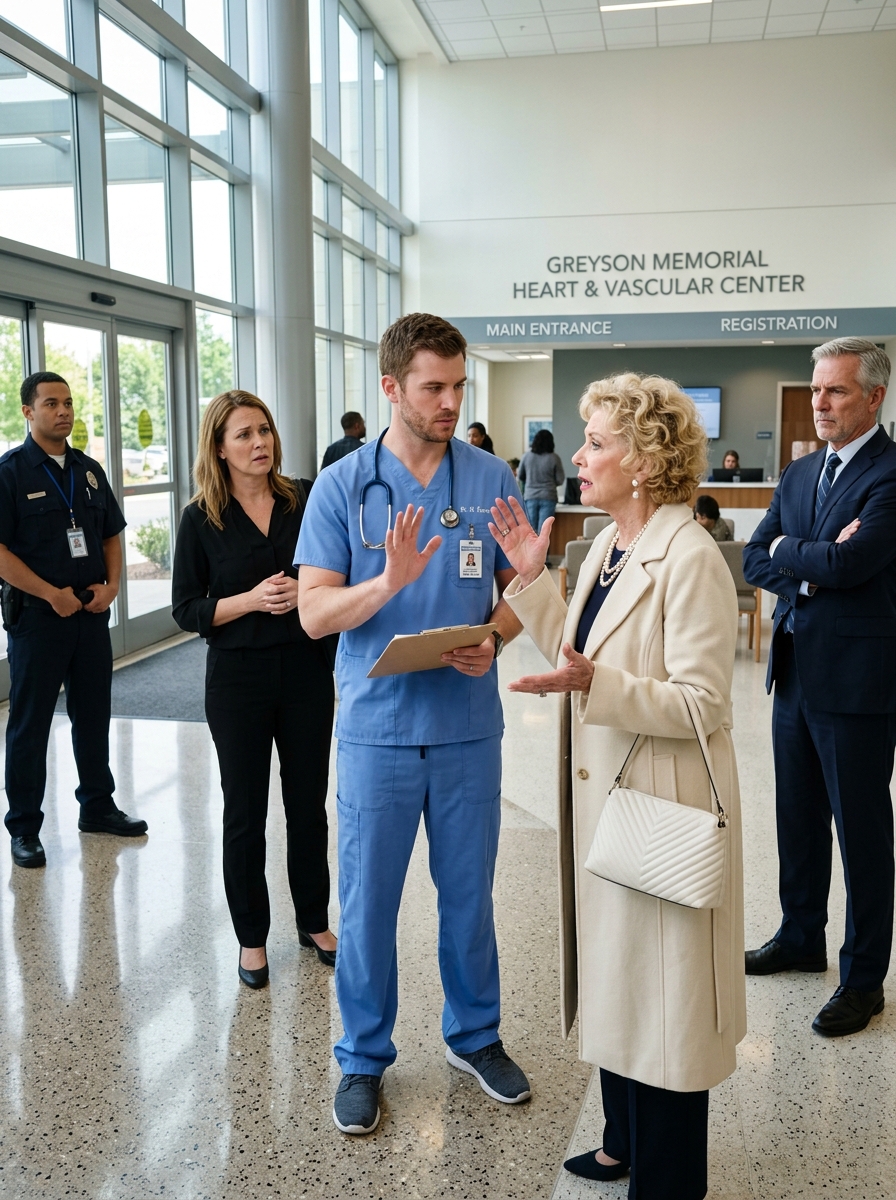
Every winter, when the first snow falls over New York, I make cinnamon coffee and sit by the window. I think of the girl on that bench, shaking beneath a coat too thin for the cold, believing she had been left with nothing.
I wish I could tell her the truth.
One day, the child she believed she could not protect would stand for her in a ballroom full of people who once dismissed her. One day, the woman who found her would become a legacy that could not be erased. One day, the family that abandoned her would return seeking connection, only to learn that warmth cannot be demanded from what has already healed.
Blood gave me a name I no longer use.
Love gave me a life.
And when those who left me in the cold returned expecting warmth, I finally understood that the greatest victory was not revenge.
It was choosing only those who never made me beg to belong.
THE END
