

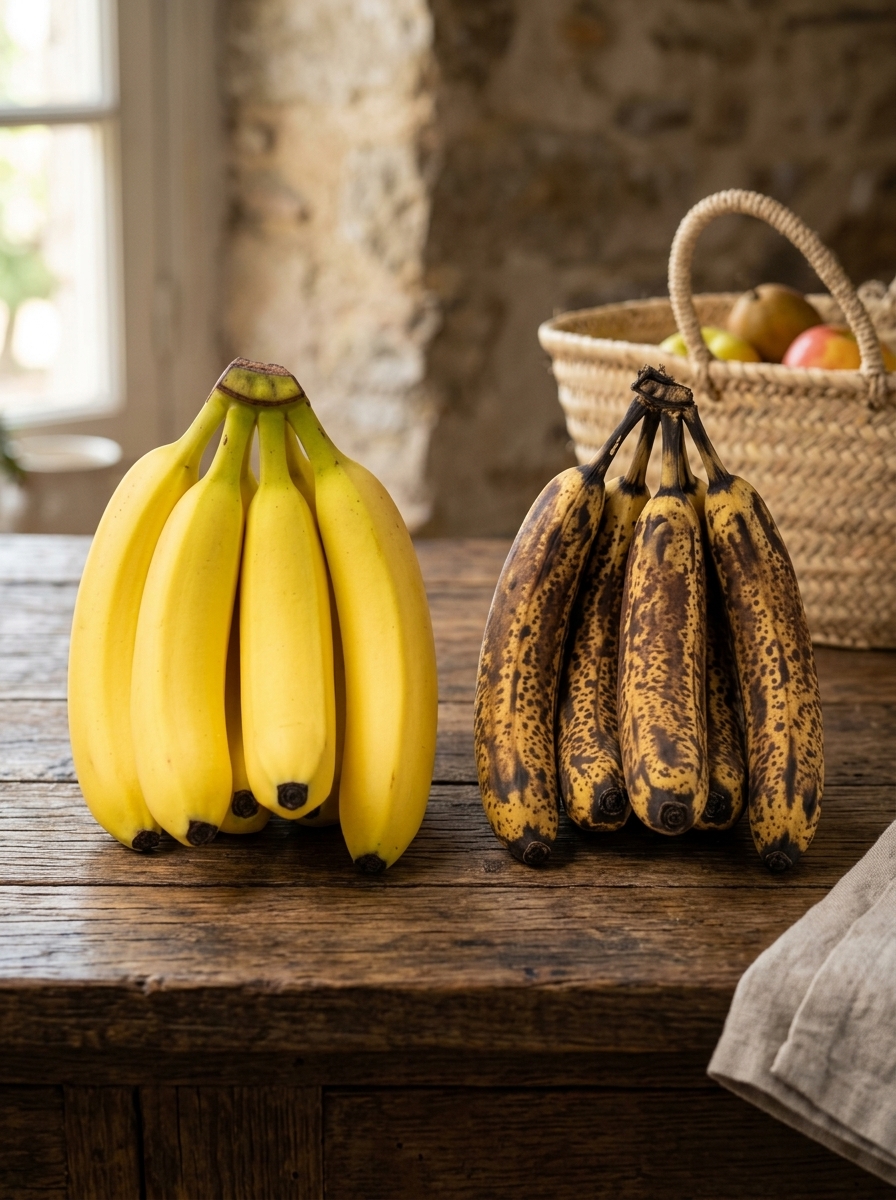
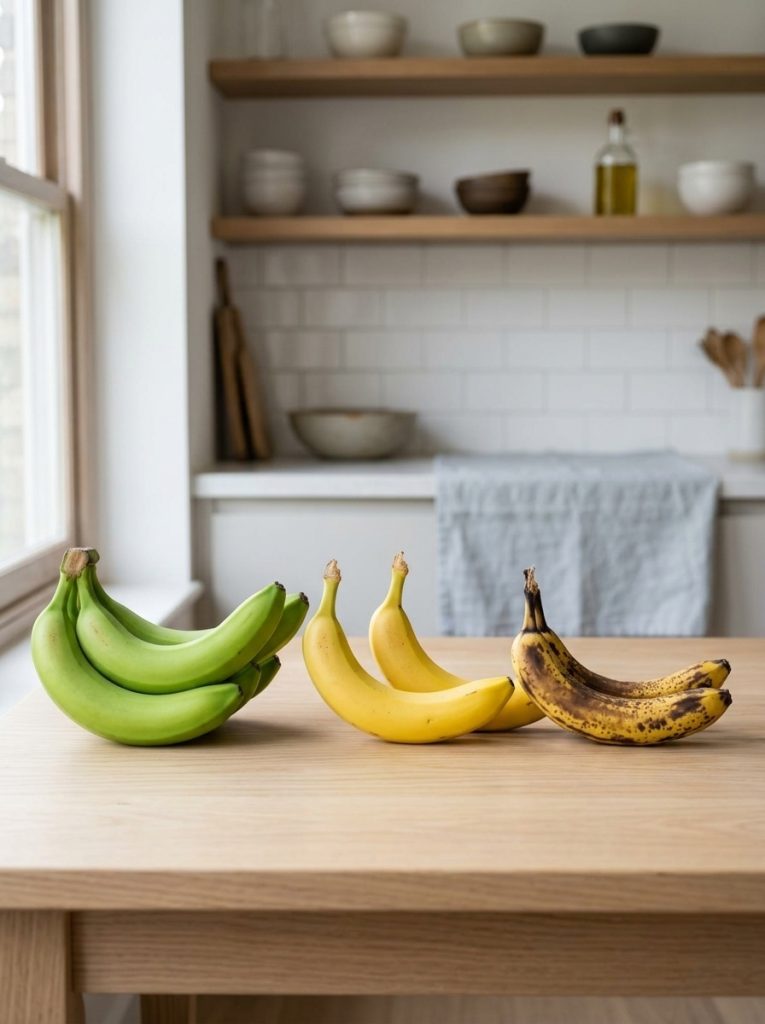
Bananas are one of the world’s most popular fruits, loved for their convenience, natural sweetness, and impressive nutritional profile. As they ripen, they go through distinct changes — starting green, turning bright yellow, and eventually developing brown spots. These stages aren’t just cosmetic; they reflect important chemical shifts inside the fruit, particularly the conversion of starch into natural sugars.
How Ripening Changes a Banana’s Nutrition
The ripening process significantly alters a banana’s nutritional makeup. Green bananas are high in resistant starch, a type of fiber-like carbohydrate that supports gut health, promotes fullness, and helps regulate blood sugar levels.
As the banana ripens, this resistant starch gradually breaks down into simpler sugars (glucose, fructose, and sucrose), which is why riper bananas taste sweeter. At the same time, beneficial antioxidant compounds such as dopamine and catechins become more concentrated, potentially boosting the fruit’s overall health value.
Digestive Benefits of Ripe Bananas
Ripe and even slightly brown bananas are generally easier to digest than green ones. Their softer texture and higher sugar content are gentler on the digestive system, making them a good option for people with sensitive stomachs.
The fiber in ripe bananas also supports healthy bowel movements and overall digestive function.
Impact on Blood Sugar
Because ripe bananas contain more simple sugars, they can cause a quicker rise in blood sugar compared to green bananas. This provides a fast source of energy, but it may be something to watch for people managing diabetes or insulin sensitivity.
Pairing ripe bananas with protein or healthy fats can help slow down sugar absorption and prevent sharp spikes.
Antioxidants and Broader Health Benefits
Interestingly, antioxidant levels increase as bananas ripen. Compounds like dopamine and catechins help combat oxidative stress and inflammation, which may reduce the risk of chronic conditions such as heart disease and certain cancers.
Ripe bananas also tend to offer higher amounts of vitamin C and vitamin B6, both of which support immune function and brain health.

Possible Sensitivities
While bananas are safe for most people, some individuals may be more sensitive to ripe bananas due to certain proteins that become more active during ripening. This can occasionally cause itching, mouth swelling, or mild digestive discomfort.
People with latex-fruit syndrome may also experience cross-reactivity with bananas.
Green vs. Yellow vs. Brown: Which Is Best?
Each stage of ripeness offers unique advantages:
- Green Bananas: High in resistant starch and lower in sugar. Excellent for blood sugar management, gut health, and sustained energy.
- Yellow Bananas: Provide a good balance of starch and natural sweetness, making them versatile for everyday snacking.
- Brown Bananas: The sweetest and highest in antioxidants. Easiest to digest and great for smoothies, baking, or quick energy.
The healthiest choice ultimately depends on your personal goals, taste preferences, and any specific dietary needs.
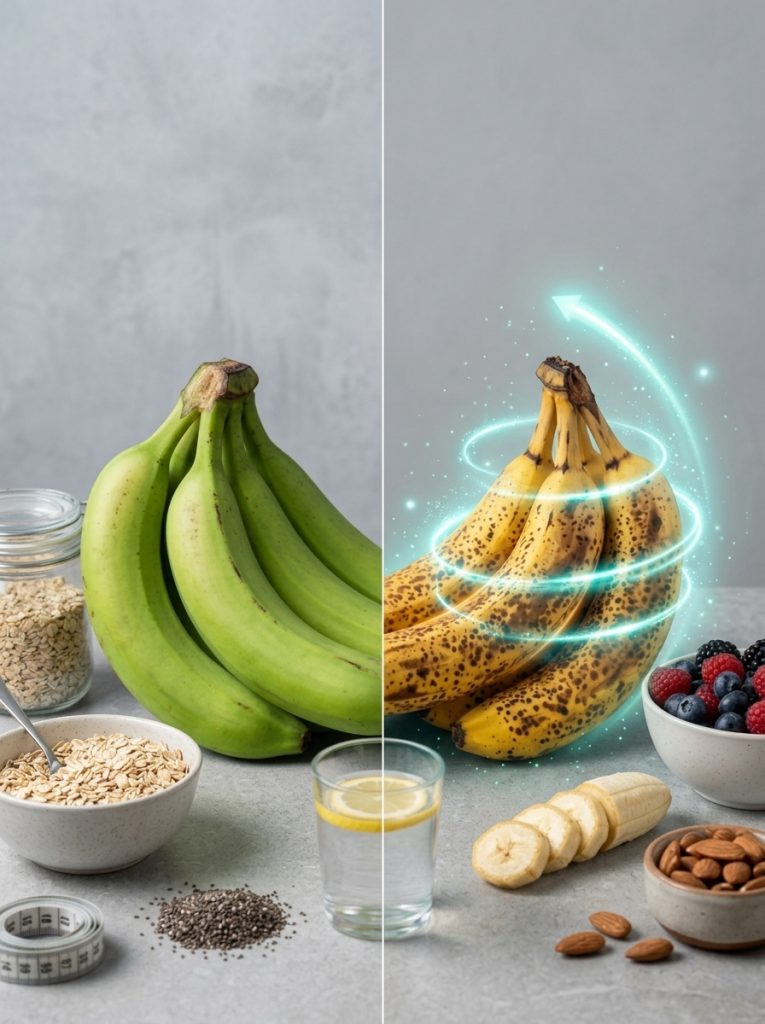
Final Thoughts: Don’t Overlook Brown Bananas
Though many people discard bananas once they develop brown spots, these riper fruits actually deliver strong nutritional benefits. Their improved digestibility, higher antioxidant content, and boosted vitamin levels make them a smart addition to a balanced diet.
When selected according to your needs, bananas at any stage of ripeness can be both delicious and nourishing. So next time you see a spotted banana, don’t toss it — it might be at its nutritional peak.
