

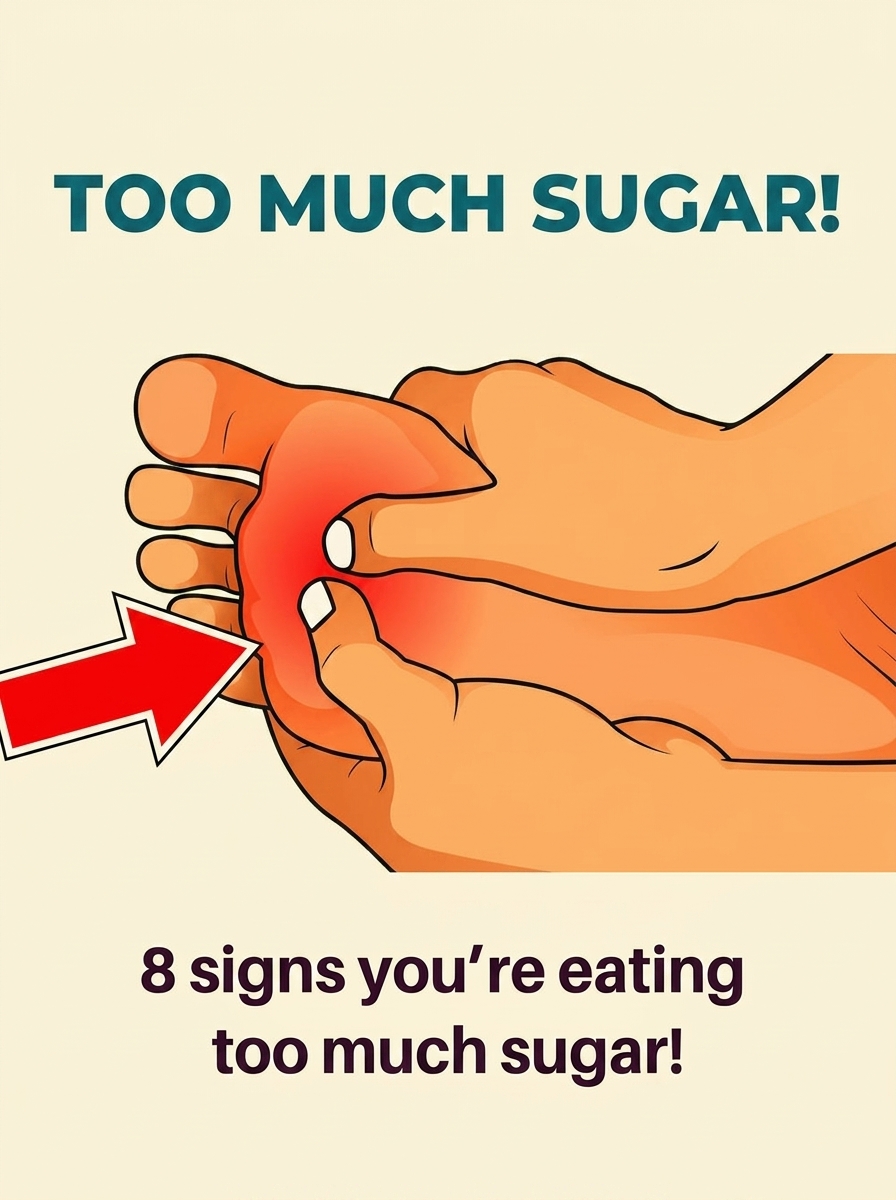
Many people associate diabetes symptoms with daytime fatigue or thirst, but some signs can become more noticeable at night. When blood sugar levels fluctuate, certain symptoms may appear or intensify during the late evening hours while the body is at rest.
Noticing unusual changes after 10 PM does not automatically mean a person has diabetes, but repeated patterns may be worth paying attention to.
Understanding these possible nighttime signs can help people recognize when it might be time to consult a healthcare professional.
Common nighttime symptoms sometimes associated with blood sugar changes:
- Frequent urination during the night
- Increased thirst or dry mouth before bed
- Night sweats
- Restless or interrupted sleep
- Leg cramps or tingling sensations
- Feeling unusually hungry late at night
- Fatigue even after sleeping
- Blurred vision when waking up
These symptoms can have many different causes, including stress, sleep disorders, dehydration, or other health conditions. However, when they occur regularly, it may be helpful to monitor them and discuss them with a healthcare provider.
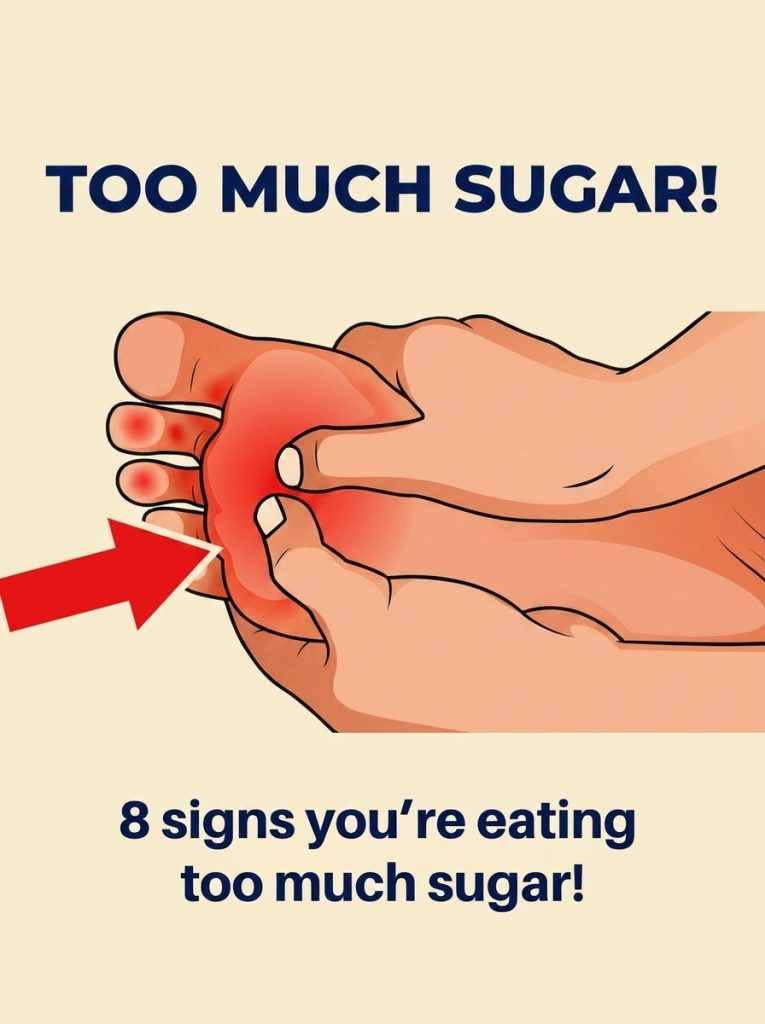
Why Some Symptoms May Appear at Night:
- Blood sugar levels may rise or drop during sleep cycles.
- The body’s hormone balance changes overnight.
- Reduced activity at night can make symptoms more noticeable.
- Dehydration during the evening may increase thirst or urination.
When to Consider Medical Advice:
- If nighttime urination becomes frequent and persistent
- If unusual thirst or hunger occurs regularly
- If sleep is repeatedly interrupted by discomfort or sweating
- If blurred vision, numbness, or fatigue continues over time
Helpful Lifestyle Considerations:
- Maintain a balanced diet and regular meal timing
- Stay hydrated throughout the day
- Monitor sleep habits and stress levels
- Follow regular health checkups, especially if you have risk factors for diabetes
Disclaimer: This content is for educational purposes only and is not intended to diagnose, treat, cure, or prevent any disease. If you experience persistent symptoms or have concerns about blood sugar levels, consult a qualified healthcare professional.
