

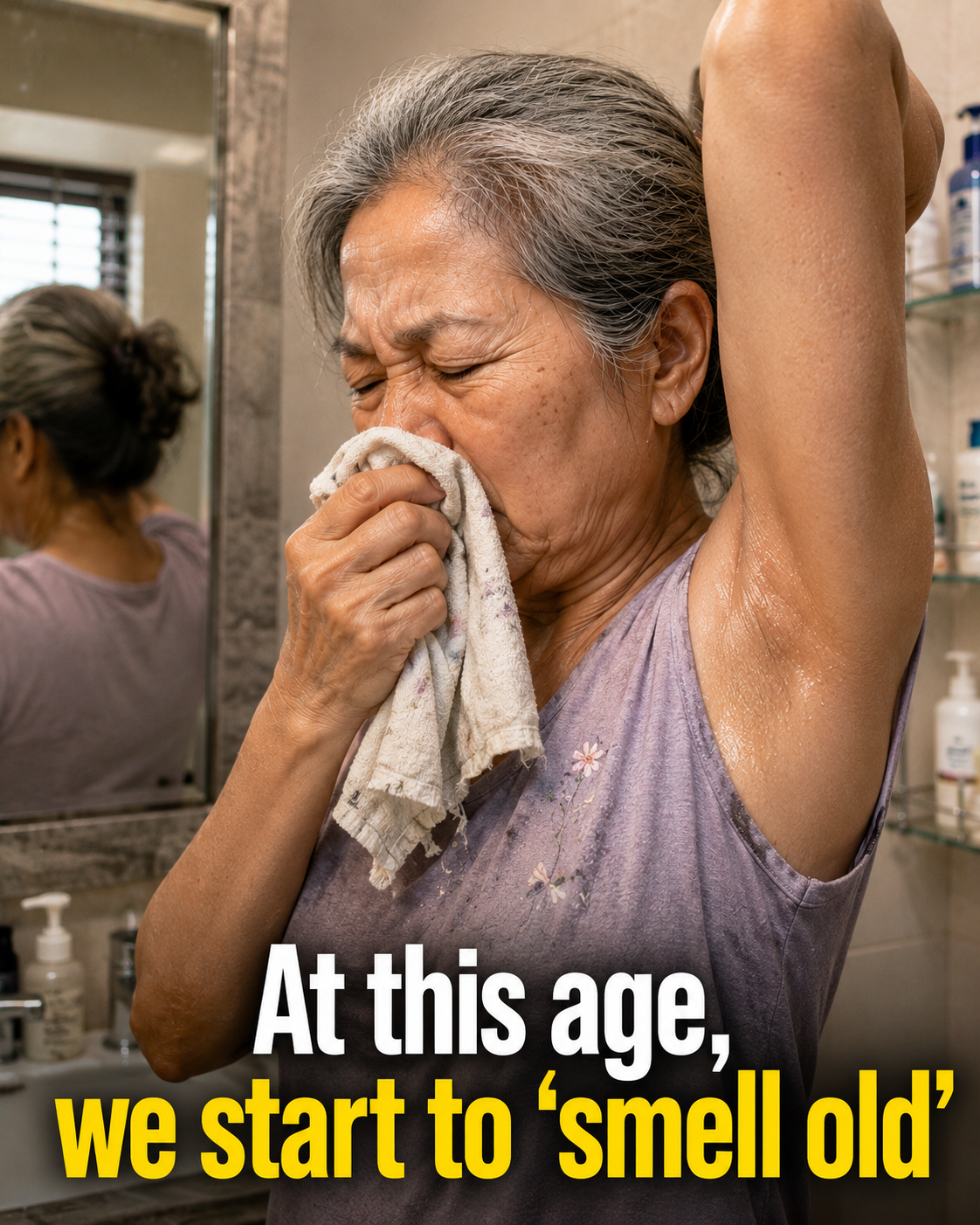
At what age do we begin to “smell old”?
The idea of “smelling old” is interesting because it has no exact scientific definition and is largely subjective, differing based on personal experiences and perceptions.
This phenomenon describes the notion that as people get older, they may develop a unique scent that some recognize as “smelling old.” However, there is no clear agreement on when this smell starts or whether it is perceived the same way by everyone.
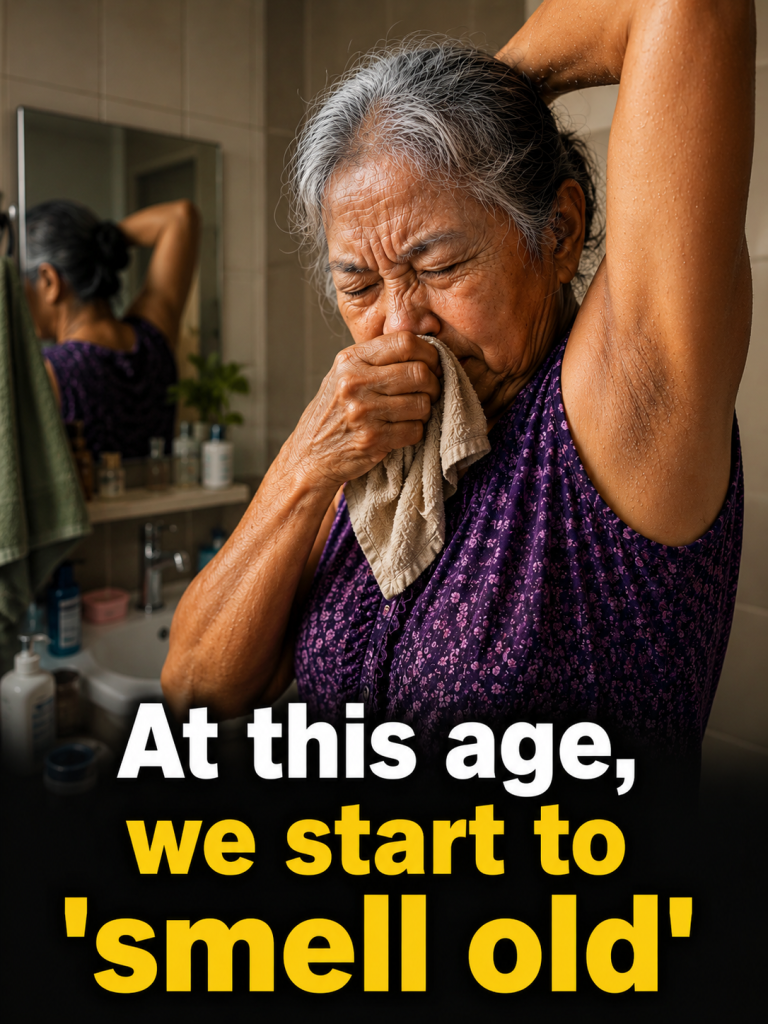
From a biological standpoint, the skin is a changing organ that evolves throughout our lives.
As we age, the activity of sebaceous and sweat glands slows down, which affects oil and sweat production. This, along with reduced skin moisture, may play a role in creating a different odor. Still, these changes do not happen the same way for everyone, and genetics, overall health, and hygiene habits also matter greatly.
Diet and lifestyle can influence how we perceive someone’s scent.
For instance, certain foods and habits like smoking can change body odor. Additionally, certain illnesses or medical conditions can strongly affect a person’s scent, no matter their age.
The perception of “old-age smell” is subjective and can differ across cultures and individual experiences.
Some people link this smell to old age, while others may never notice it. What one person sees as “old-age smell” might be interpreted differently by someone else.
There is no exact age when a person starts to have an “old-age smell,” although it is commonly said to begin around age 60.
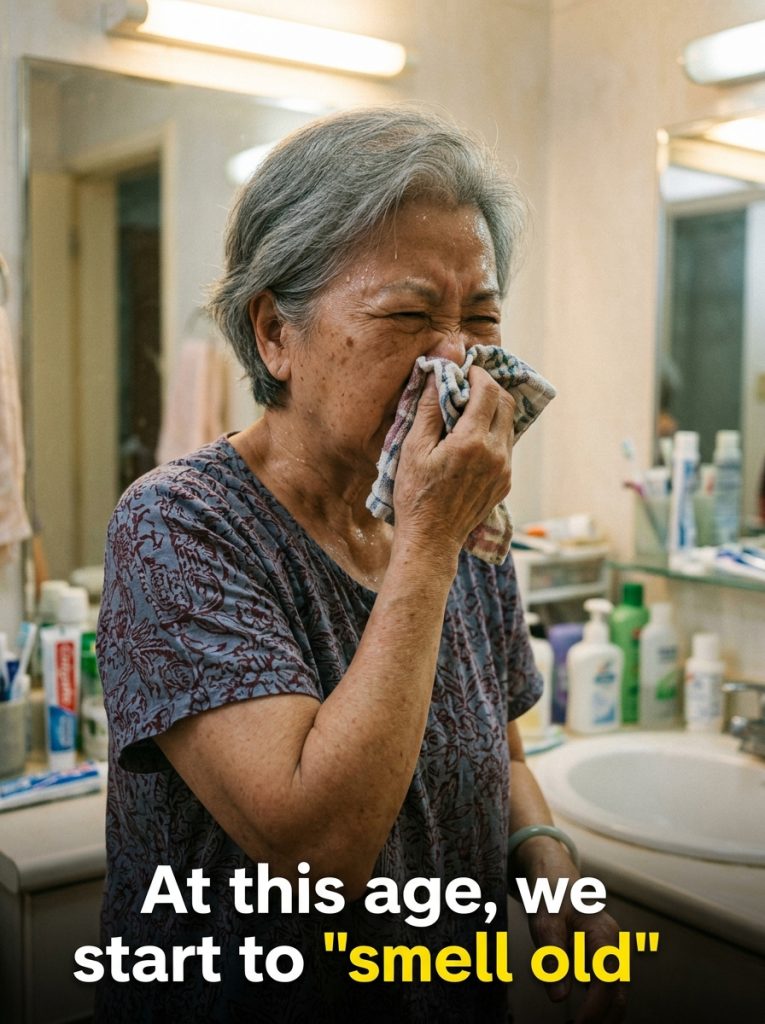
The variety in biology and life experiences means this can show up differently for each person. Some older adults may have little change in body odor, while others may notice subtle or stronger differences.
It is important to handle the topic of “old-age smell” with sensitivity and care.
Society often spreads negative stereotypes about aging, and linking certain smells to old age can add to these biases. It is vital to remember that aging is a natural and varied process that impacts everyone differently.
Rather than focusing on stigmas around body odor, we should promote respect for older people and appreciate the diversity of aging.
Accepting that we all go through changes in life, including those related to body odor, can help create a more inclusive and respectful society for people of all ages.
In conclusion, the “old person smell” is a complex and subjective experience with no clear answer about when it starts. Biology, genetics, health, diet, and other factors all contribute to how this smell is perceived. It is essential to treat this topic with respect and recognize that the variety of aging is natural and valuable.
