

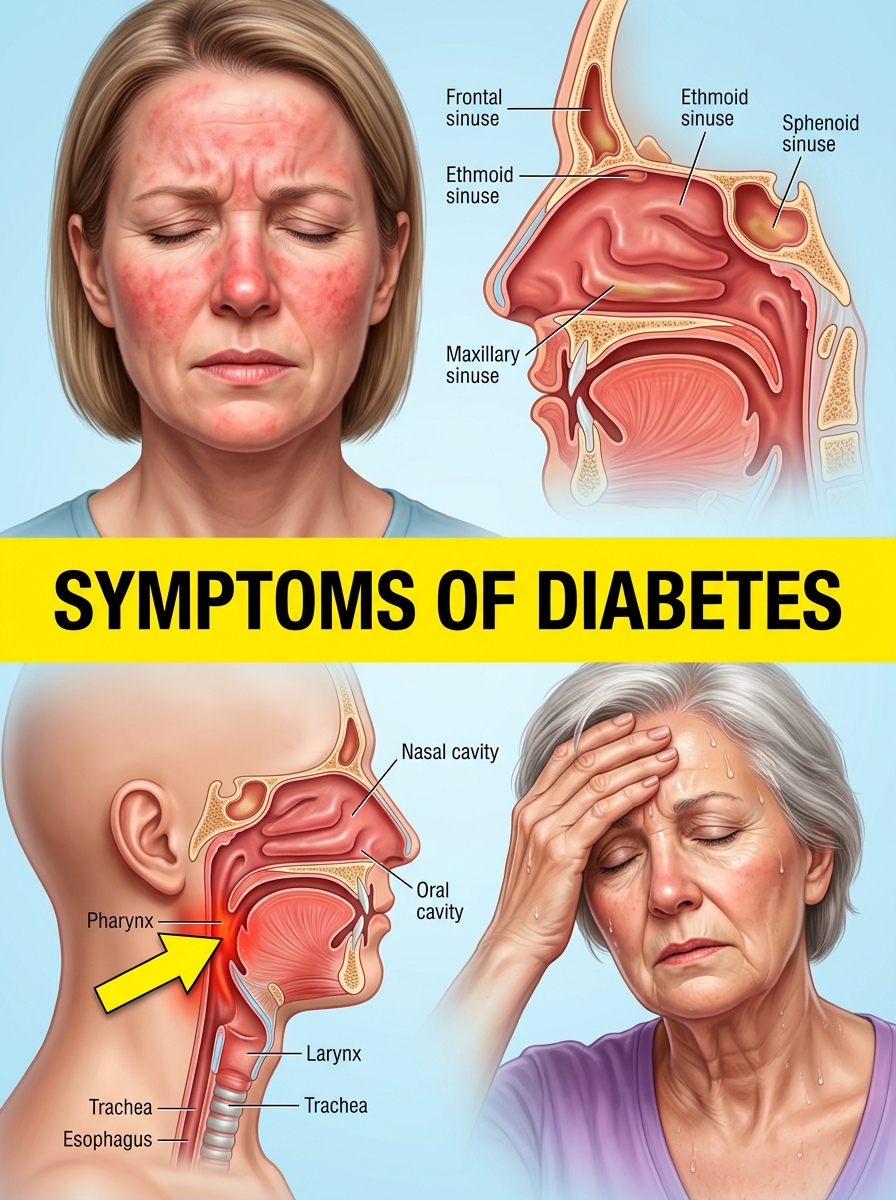
Type 2 diabetes usually develops gradually, which is why many individuals miss the early warning signs. The symptoms often seem mild or unrelated at first, but overlooking them can result in serious health issues later on. Early detection is crucial since lifestyle adjustments and proper treatment can help protect the heart, kidneys, nerves, and eyes.
Here are some of the most common early symptoms of Type 2 diabetes that people tend to ignore.
- Constant Fatigue
Feeling exhausted all the time is one of the first indicators of Type 2 diabetes. Many people blame their tiredness on stress, insufficient sleep, or a hectic schedule. Yet when blood sugar is elevated, the body struggles to convert glucose into energy. As a result, even after a good night’s rest, a person may still feel weak, lethargic, or mentally foggy during the day.
2. Increased Thirst and Frequent Urination
Extra sugar in the blood makes the kidneys work overtime to filter it out through urine. This leads to greater fluid loss than usual and causes dehydration. People in the early stages of diabetes commonly experience:
- Persistent thirst
- Dry mouth
- Frequent bathroom visits
- Waking up multiple times at night to urinate
These signs are often dismissed because they appear slowly over time.
- Constant Hunger

For illustration purposes only
Another overlooked symptom of Type 2 diabetes is feeling hungry shortly after meals. When insulin isn’t functioning well, glucose has trouble entering the cells. Even with sugar present in the blood, the cells still lack fuel. This can lead to:
- Regular cravings
- Greater appetite
- Overeating
- Unexplained weight gain
4. Blurred Vision
Elevated blood sugar can impact the tiny blood vessels in the eyes. Some people experience blurry vision, trouble focusing, or temporary changes in eyesight before receiving a diabetes diagnosis. Since vision issues are common with age or screen time, many don’t connect them to blood sugar problems.
5. Slow Healing and Frequent Infections
Cuts, bruises, or wounds that take longer to heal may signal early diabetes. High glucose weakens the immune system and impairs circulation, slowing the body’s natural repair process. People may also notice:
- Recurring skin infections
- Gum infections
- Urinary tract infections
- Repeated yeast infections
- Tingling or Numbness in Hands and Feet
High blood sugar can gradually harm nerves, particularly in the hands and feet. Early signs often include:
- Tingling sensations
- Burning feelings
- Numbness
- Sharp pain in the extremities
This is known as diabetic neuropathy and typically starts subtly.
- Dark Patches of Skin
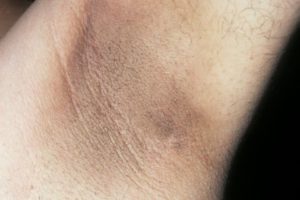
For illustration purposes only
Some people develop dark, velvety patches of skin around the neck, armpits, or groin. This condition, called acanthosis nigricans, is often associated with insulin resistance. It can be one of the first visible clues that the body is having difficulty managing blood sugar.
8. Unexplained Weight Changes
Type 2 diabetes can trigger unexpected weight gain or sudden weight loss. Insulin resistance frequently leads to weight gain, while the body’s inability to properly use glucose may sometimes cause unintentional weight loss. Any abrupt change in body weight without an obvious cause deserves attention.
Risk Factors for Type 2 Diabetes
Several factors raise the risk of developing Type 2 diabetes, such as:
- Obesity
- Lack of physical activity
- Poor diet
- Family history
- High stress levels
- Aging
- High blood pressure
Nowadays, Type 2 diabetes is increasingly appearing in younger adults because of unhealthy lifestyle choices.
How to Reduce the Risk
Positive lifestyle habits can help decrease the risk of Type 2 diabetes and support better blood sugar management. Key practices include:
- Eating balanced meals
- Limiting sugary foods and drinks
- Exercising regularly
- Maintaining a healthy weight
- Getting enough sleep
- Managing stress
Even modest daily improvements can have a meaningful impact over time.
Conclusion
Type 2 diabetes often progresses silently, and many people disregard the warning signs until complications arise. Symptoms like constant fatigue, excessive thirst, blurred vision, and slow-healing wounds should never be ignored. Spotting these early indicators and consulting a doctor can result in earlier diagnosis, more effective treatment, and better overall health in the long run.
