

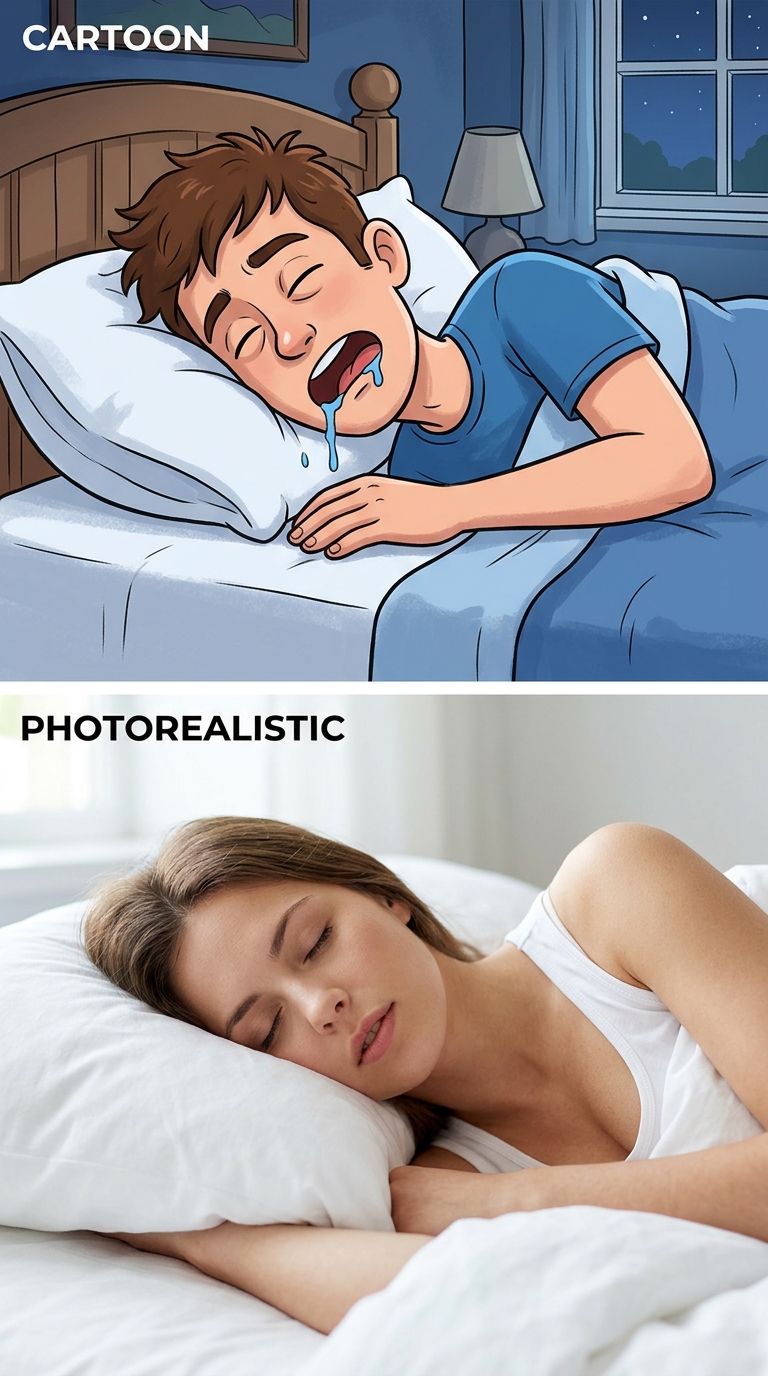
Waking up to a wet pillow can feel embarrassing or strange, but nighttime drooling is actually very common. In many situations, it’s completely harmless. Still, in some cases, excessive drooling during sleep may point to deeper health concerns ranging from breathing problems to neurological conditions.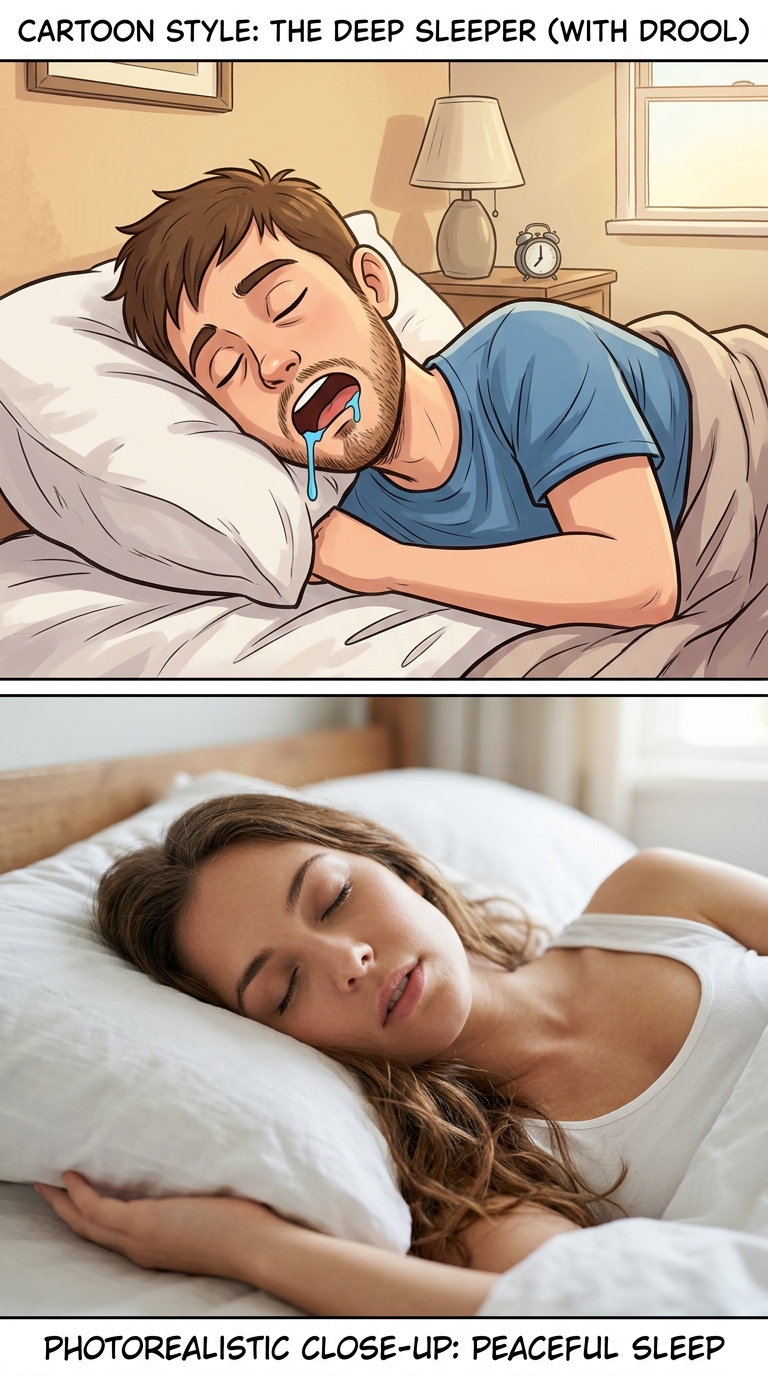
What seems like a small annoyance could sometimes be your body’s way of signaling that something needs attention.
Common Causes of Drooling at Night
Many people drool occasionally while sleeping, while others experience it almost every night. The reasons can vary depending on sleep habits, medical conditions, or lifestyle factors.
1. Sleeping Position
Sleeping on your side or stomach makes it easier for saliva to escape from the mouth, especially if you breathe through your mouth because of congestion. Relaxed facial muscles during deep sleep can also contribute to drooling.
2. Medication Side Effects
Some medications — including sedatives, certain antibiotics, antipsychotics, and pain relievers — may increase saliva production. If drooling becomes excessive, medication adjustments may help.
3. Nasal Congestion
Colds, allergies, or sinus infections can block the nose and force mouth breathing, which often leads to drooling. In most cases, this improves once congestion clears.
4. Deviated Septum
A crooked or off-center septum can make normal nasal breathing difficult, increasing the chance of drooling during sleep. Severe cases may sometimes require surgery.
5. Sleep Apnea
Sleep apnea can cause interrupted breathing during sleep and is often linked with snoring, mouth breathing, and nighttime drooling. Other signs include choking sounds and daytime exhaustion. Untreated sleep apnea may affect long-term health.
6. Dental Problems or Oral Infections
Tooth decay, gum disease, and oral infections can stimulate extra saliva production. Pain, swelling, bleeding gums, or difficulty chewing should not be ignored.
7. Acid Reflux (GERD)
Gastroesophageal reflux can make swallowing uncomfortable and may increase saliva production. Frequent heartburn or regurgitation should be evaluated by a doctor.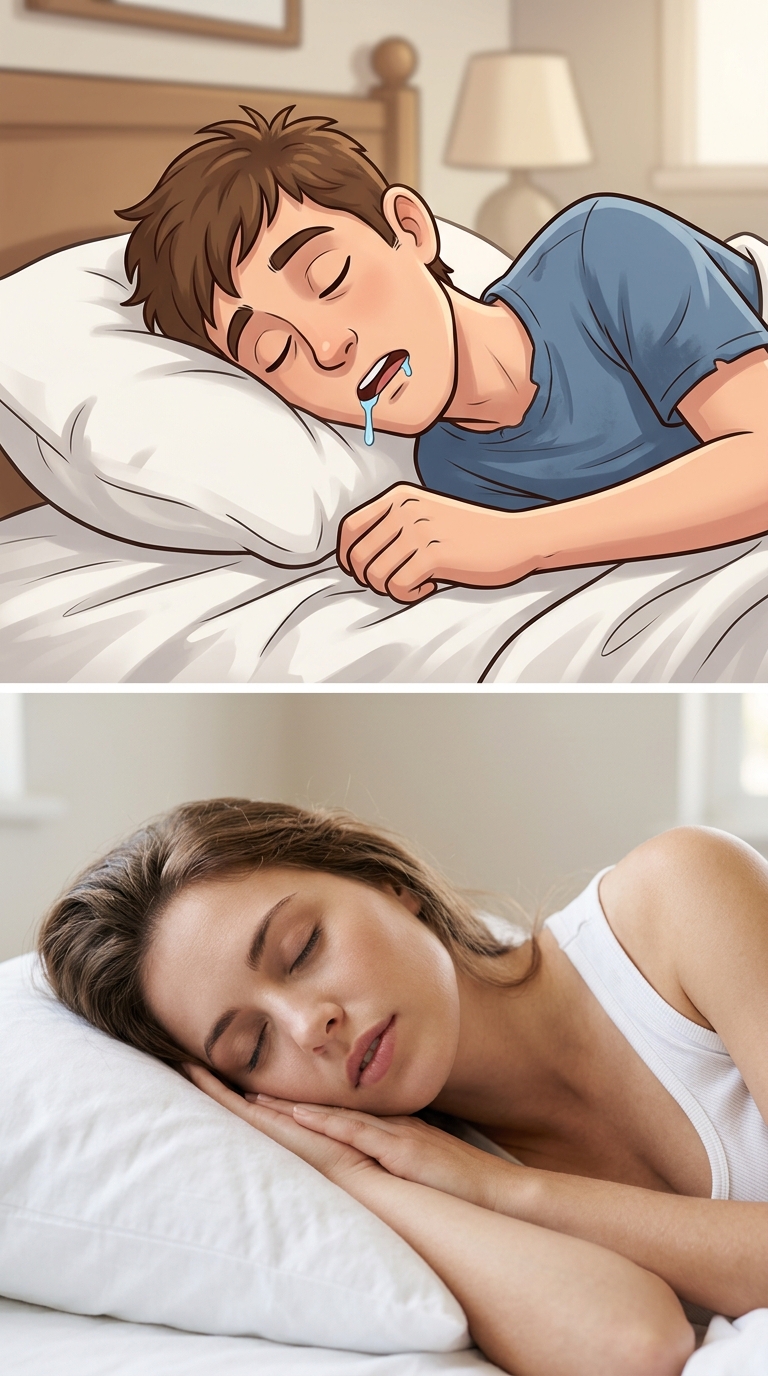
8. Neurological Disorders
Conditions such as Parkinson’s disease, stroke, ALS, Alzheimer’s disease, or even severe vitamin B12 deficiency can affect muscle control and swallowing ability, leading to drooling.
9. Teeth Grinding (Bruxism)
Grinding your teeth at night or wearing certain dental devices may sometimes increase saliva production. Speak with a professional before discontinuing any protective mouthguard.
10. Pregnancy
Hormonal changes during pregnancy can sometimes cause increased saliva production, known as ptyalism gravidarum. Stress and disrupted sleep may also play a role.
Ways to Help Reduce Nighttime Drooling
If drooling is affecting your sleep or comfort, several strategies may help:
Try sleeping on your back to reduce saliva leakage
Stay hydrated to help thin saliva
Use sour candies or flavors carefully to encourage swallowing
Consider mouthguards or mandibular devices that help keep the mouth closed
Treat underlying sleep apnea with CPAP therapy if prescribed
Botox injections may temporarily reduce saliva production in some cases
In severe neurological situations, surgery involving the salivary glands may be considered as a last option
When You Should See a Doctor
Talk to a healthcare professional if drooling:
Begins suddenly
Becomes much worse over time
Interrupts sleep or daily life
Happens alongside difficulty swallowing, speech changes, jaw pain, or severe heartburn
Final Thoughts
Although drooling during sleep is often harmless, it can sometimes point to underlying issues such as allergies, sleep apnea, reflux, dental infections, or neurological conditions. Small changes like improving sleep position or treating congestion may help, but persistent or severe drooling should be professionally evaluated.
Paying attention to this small symptom could improve not only your sleep, but your overall health as well.
Please SHARE this article with your family and friends on Facebook.
Bored Daddy
Love and Peace
