

First, don’t panic! Take a slow breath. While I can’t officially diagnose pests or medical concerns, I can help you look at the situation calmly and logically. Sofas often collect strange-looking things that seem alarming but turn out to be harmless.
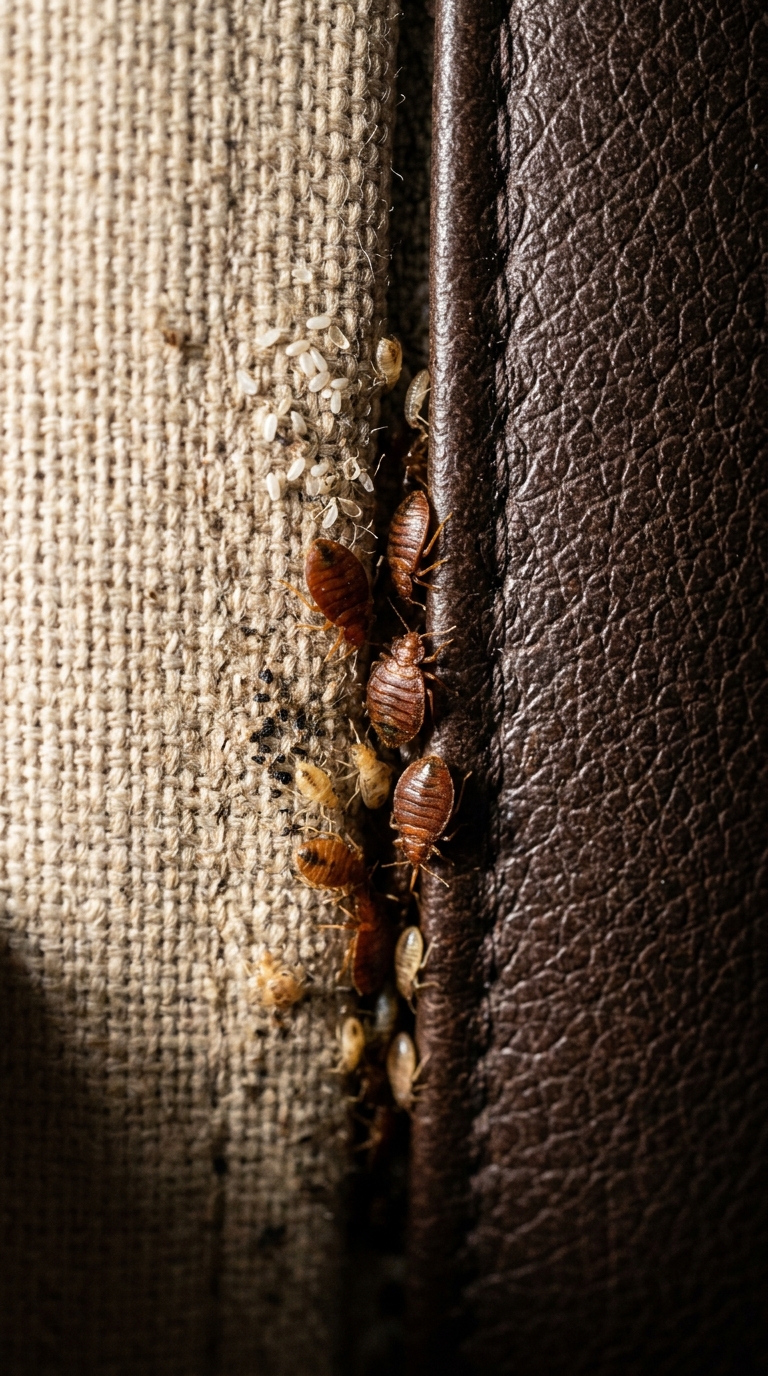
To help rule out bed bugs, here are a few important things to check: The “inspection test”: Does it resemble this?
Adult bed bugs: These insects are usually 4–7 mm long, flat like apple seeds, and reddish-brown in color. After feeding, they become rounder and darker red.
The “shed shells”: Bed bugs shed their outer layer as they grow. If what you found looks like a translucent, amber-colored empty shell, that may be a possible clue.
Droppings: This is often the strongest indicator. Bed bug droppings appear as tiny black dots, similar to pen ink, usually clustered together and easy to smear with a damp cloth.
The “More Likely and Harmless Possibilities”
In many cases, what’s hiding inside the couch is far less serious:
Carpet beetle larvae: These tiny, fuzzy “worm-like” creatures (sometimes striped) enjoy dark spaces and feed on organic debris like hair, dust, wool, and skin flakes. They may look unpleasant, but they don’t bite. Carpet beetles: Small, rounded beetles with patterned shells. Their larvae can resemble those of other harmless household insects.
Seeds or plant debris: It sounds strange, but food crumbs, dried seeds, or plant particles from eating on the couch can easily resemble eggs or bugs at first glance.
Dust and lint buildup: Sofa cracks naturally collect fibers, dirt, and dust, which can sometimes appear oddly organic depending on the lighting. What you should do next:
Don’t crush it! If it actually is a bed bug, squashing it may leave unpleasant blood stains and release a noticeable sweet odor.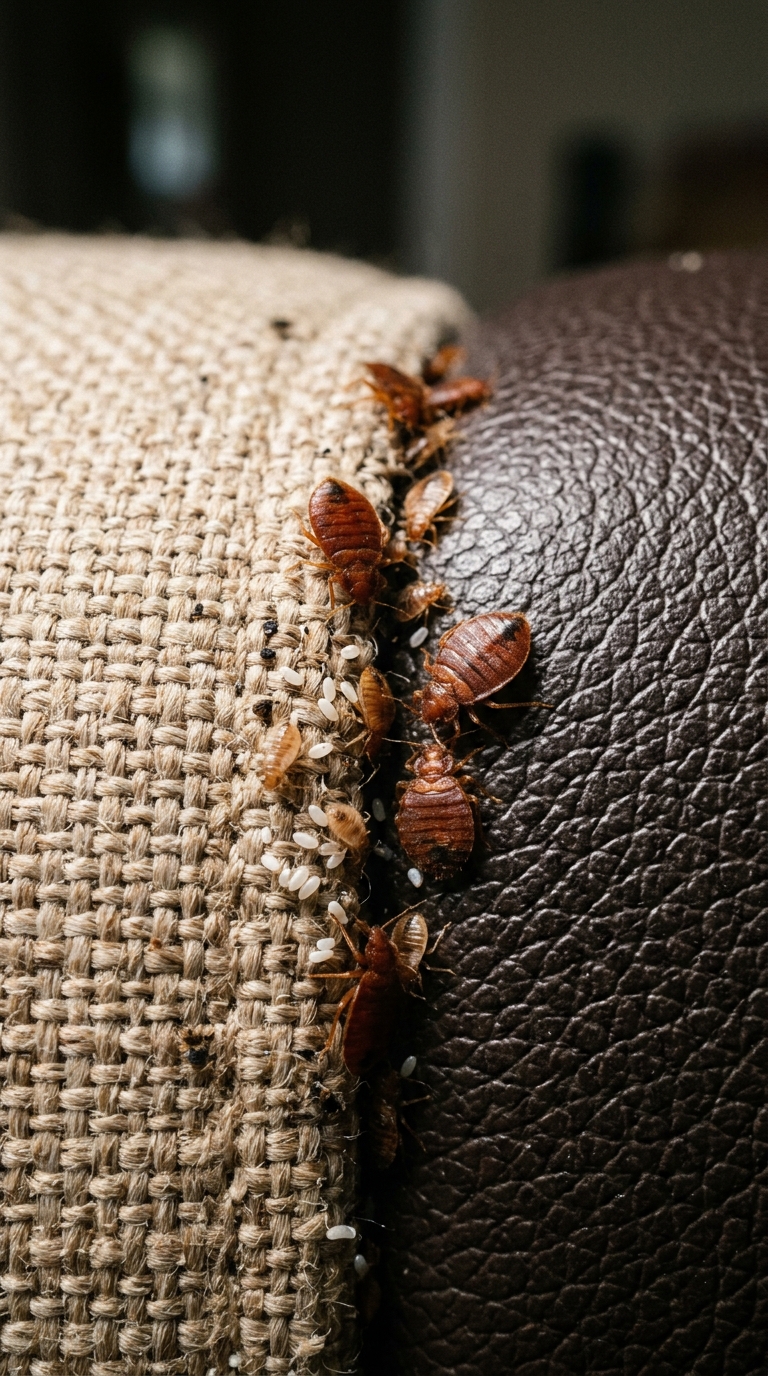
The tape trick: Gently stick the object onto clear tape or place it into a small glass container. This allows you to inspect it safely with a magnifying glass or smartphone camera without direct contact.
Wash with heat: If you’re still uncertain, clean removable cushions or covers at 60°C. If high heat isn’t safe for the fabric, freezing the items for 48 hours can also help.
One reassuring fact: Bed bugs usually prefer places where people stay still for long periods—especially beds during the night. While couches can occasionally host them, that usually happens only when a bedroom infestation has already become severe.
They’re called bed bugs for a reason—they typically settle where people sleep for hours at a time. Can you describe the object more clearly? Does it look more like an insect, an empty shell, or something else entirely?
